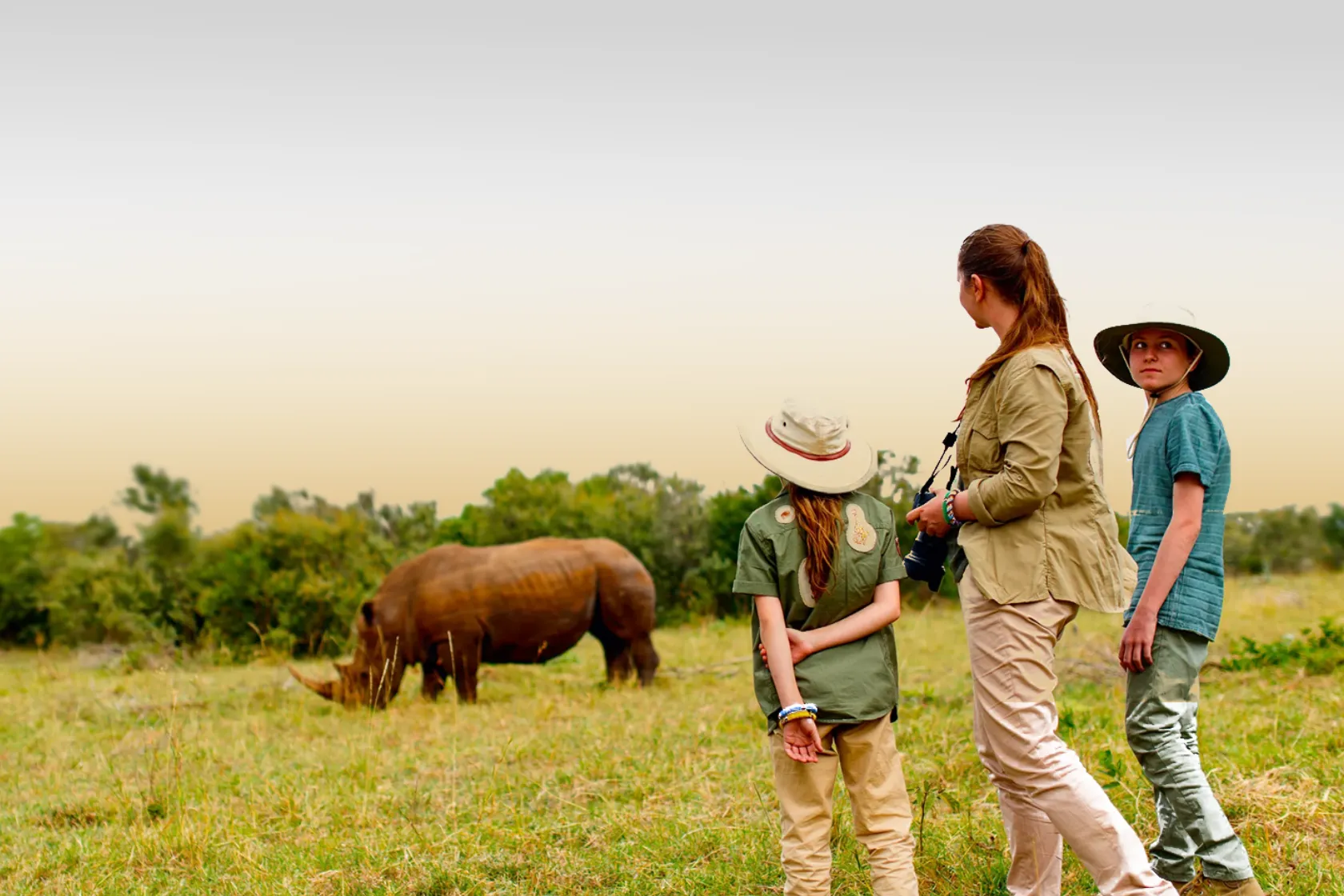
What Is the African Big Five?
The African Big Five are lion, leopard, elephant, rhino, and buffalo. The term came from old hunting language and referred to the five animals seen as the hardest to hunt on foot. These days, thankfully, people come to photograph, watch, and respect them in the wild.
That is a welcome change. Because a Tanzania Big Five Safari is no longer about chasing trophies. It is about time in the bush, good guiding, and that strange quiet focus that comes when everyone in the vehicle is scanning the same patch of grass and hoping the dark line in the distance becomes something real.
Tanzania does this especially well because the northern circuit offers diverse habitats in a single trip. There are open plains, crater floor, river areas, wooded sections, and dry country with elephants and baobabs. That wide range of landscapes provides the optimum habitats for the big five to thrive.
Meet the Big Five Animals of Tanzania
Seeing the Big Five in Tanzania is exciting, but each animal comes with its own pace and pattern. Good guides do not just drive around hoping. They read tracks, tree lines, alarm calls, dust movement, and resting areas.
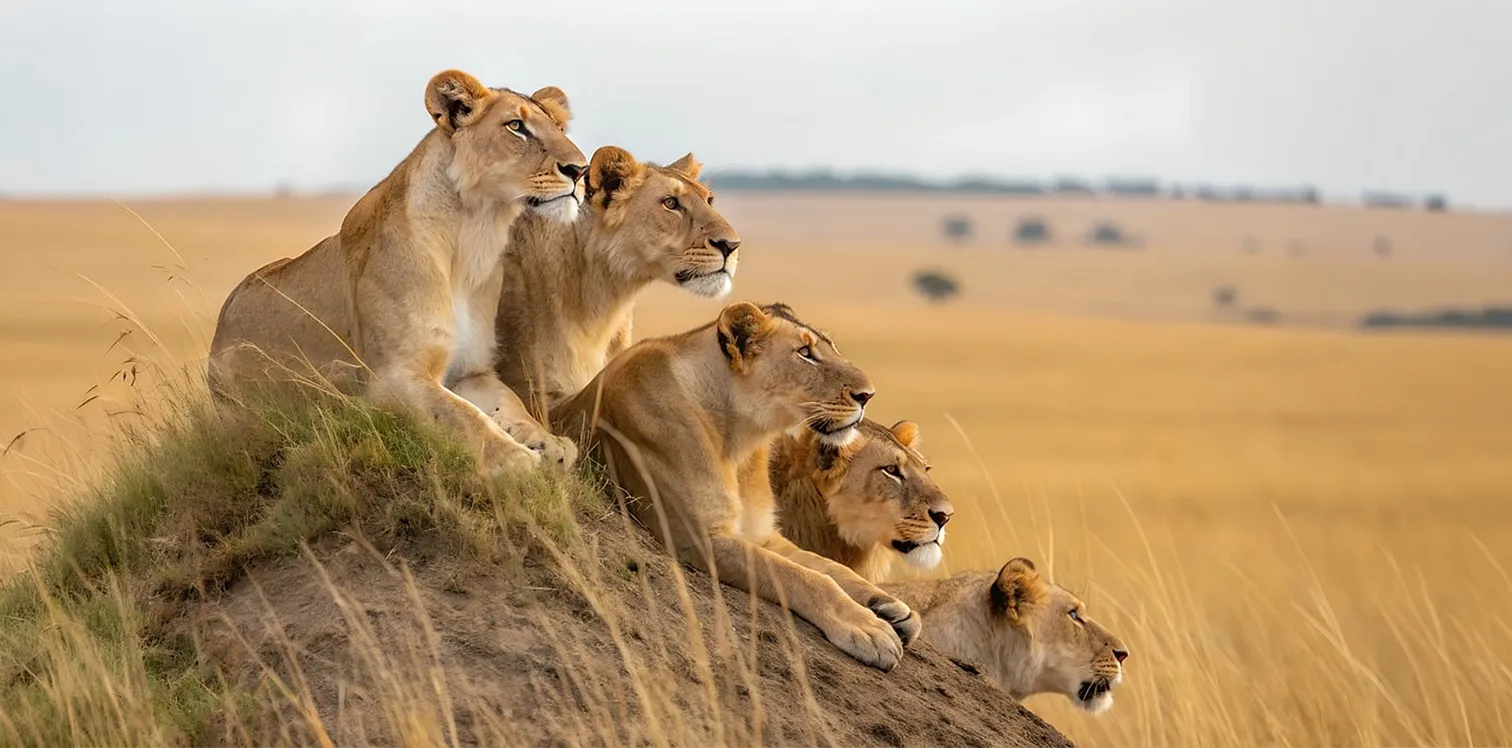
Lions
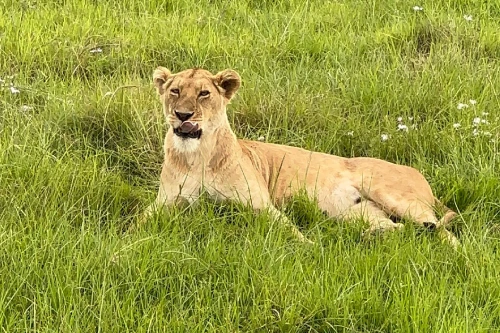
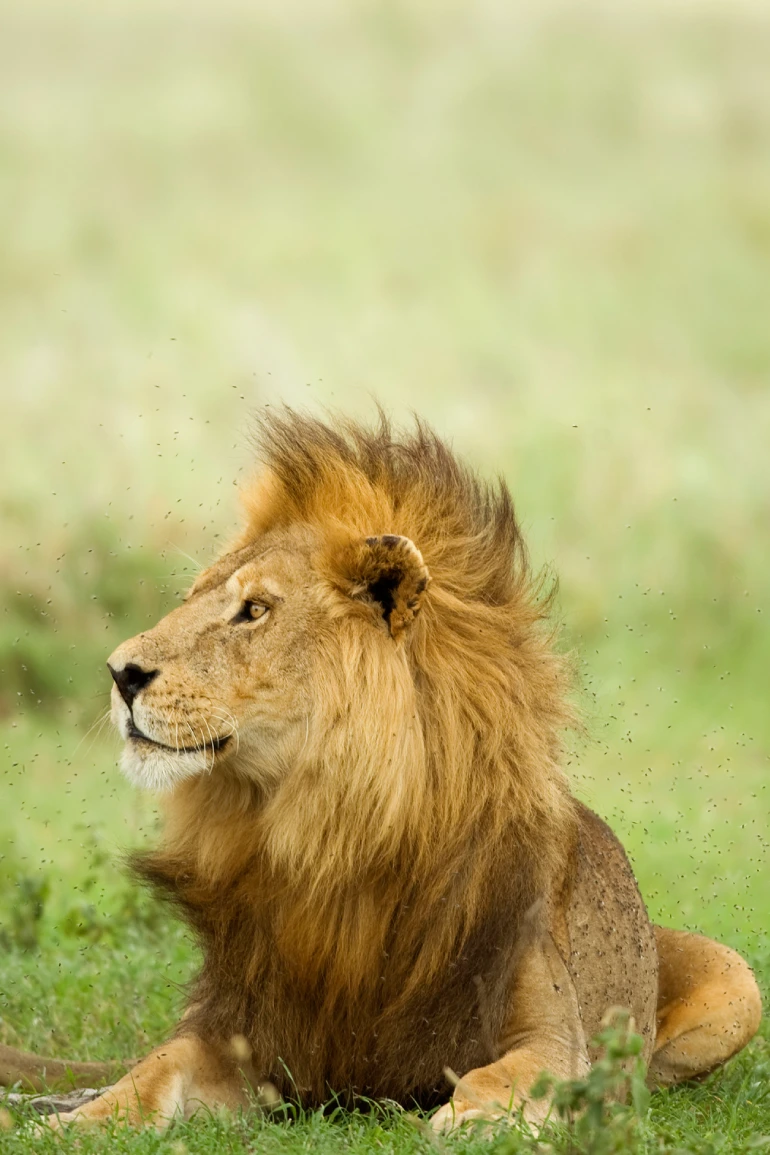
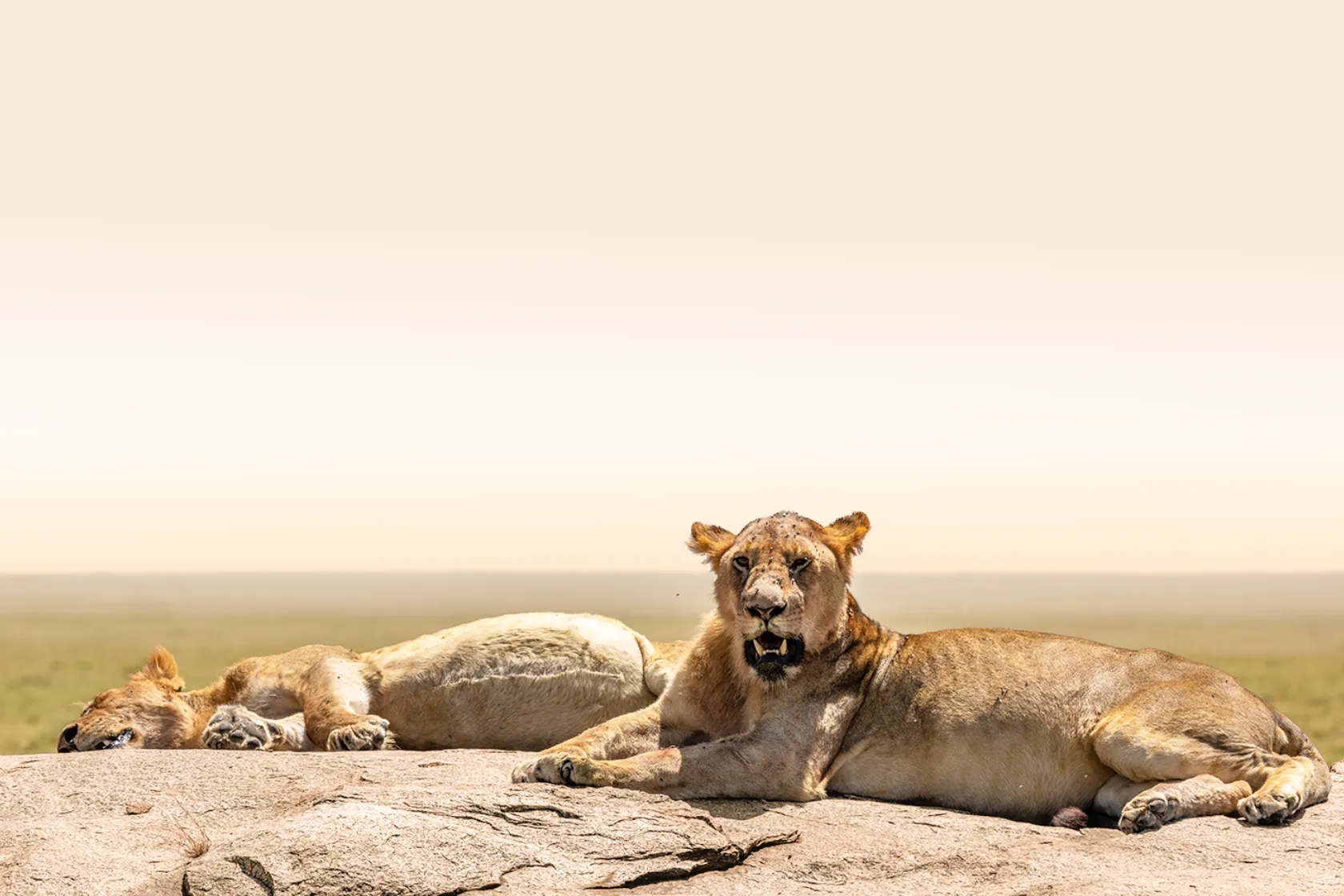
You’ll often hear a lion’s deep roar before spotting him, usually early morning or when the heat fades. Watching a whole pride resting together, then slowly moving into action, is thrilling.
Leopards
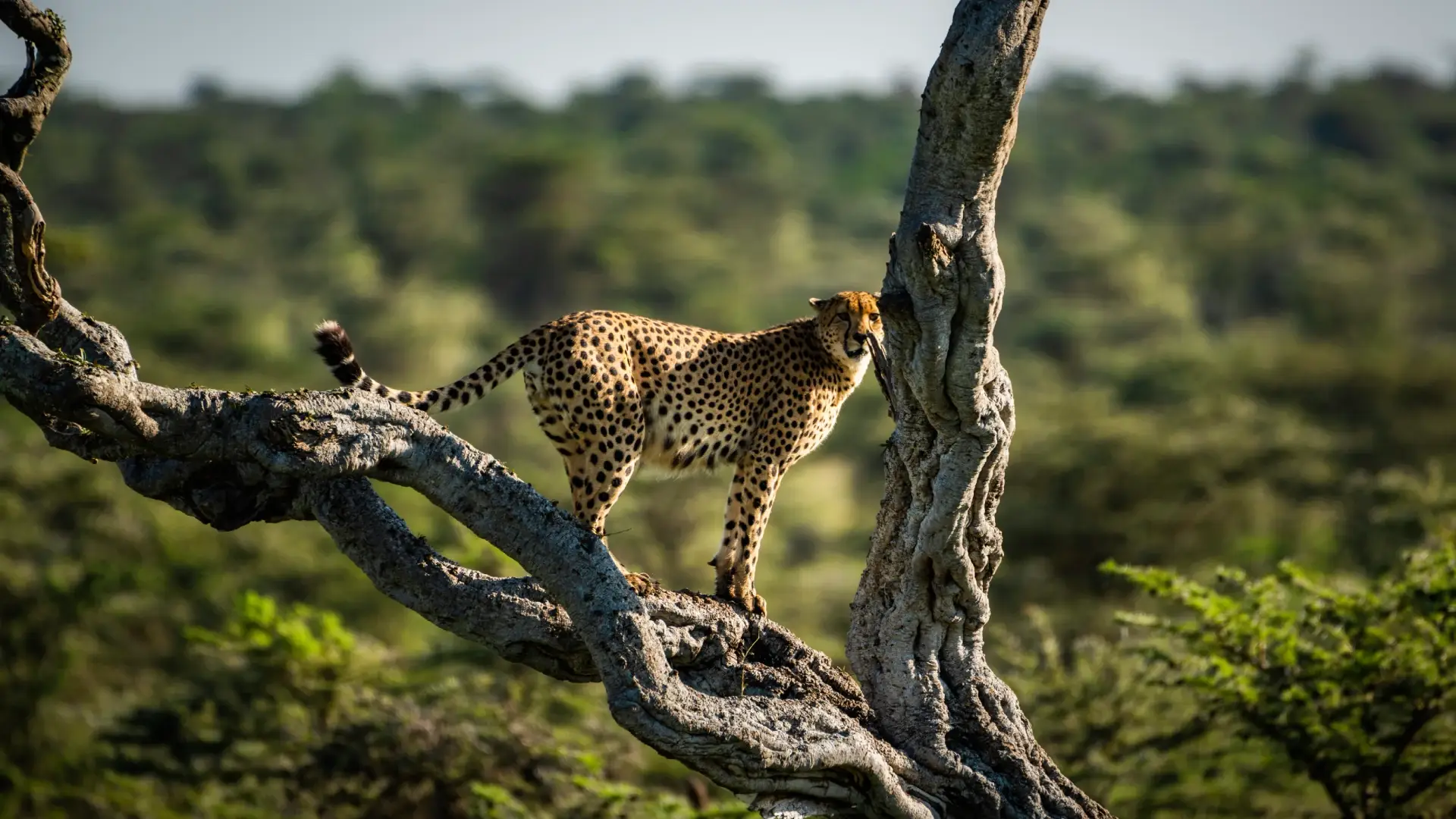
Leopards are masters of hiding; they love their privacy. Patience is the key here. Your guide will study every thicket and scan the high branches of sausage trees, knowing that’s where these secretive cats love to watch from.
Elephants
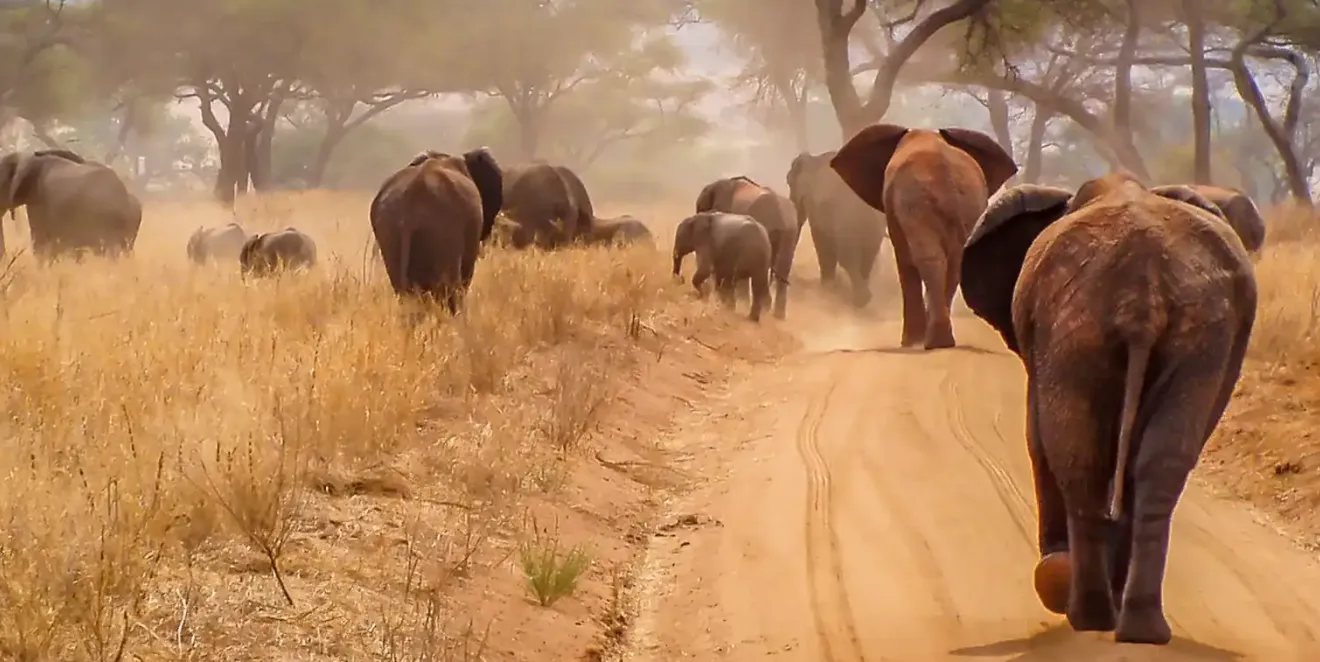
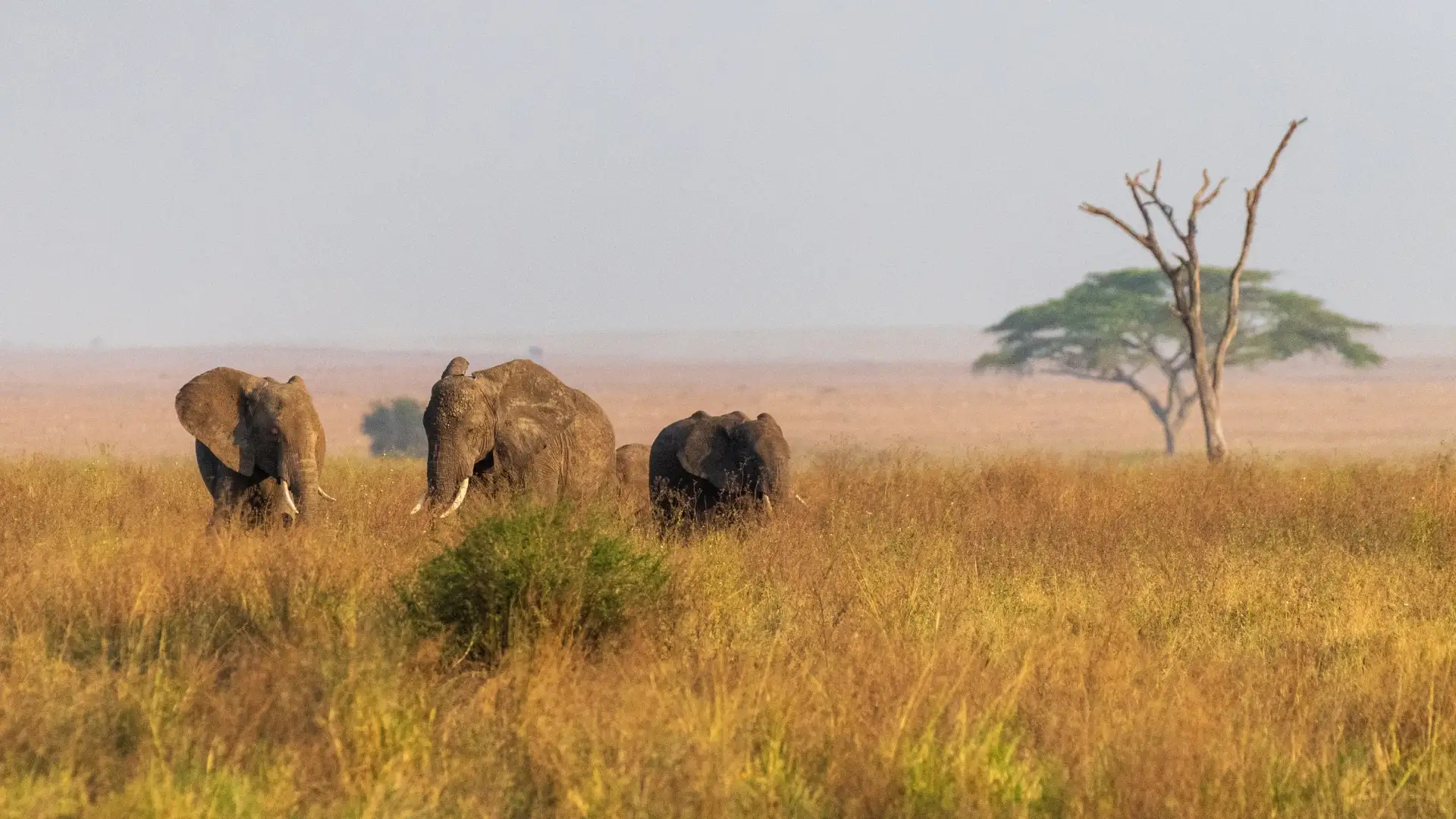
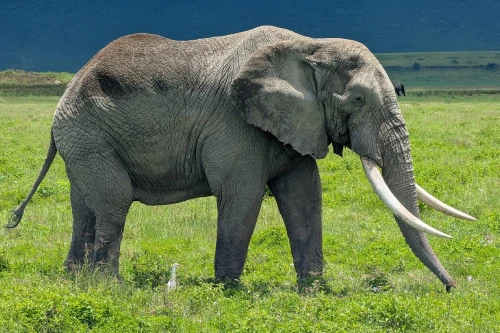
Tarangire feels like elephant central; the herds there are vast. Observing the family units moving together, dusting themselves off in the sun, or crossing a river is pure magic. They are truly the giants of the plains.
Buffalo
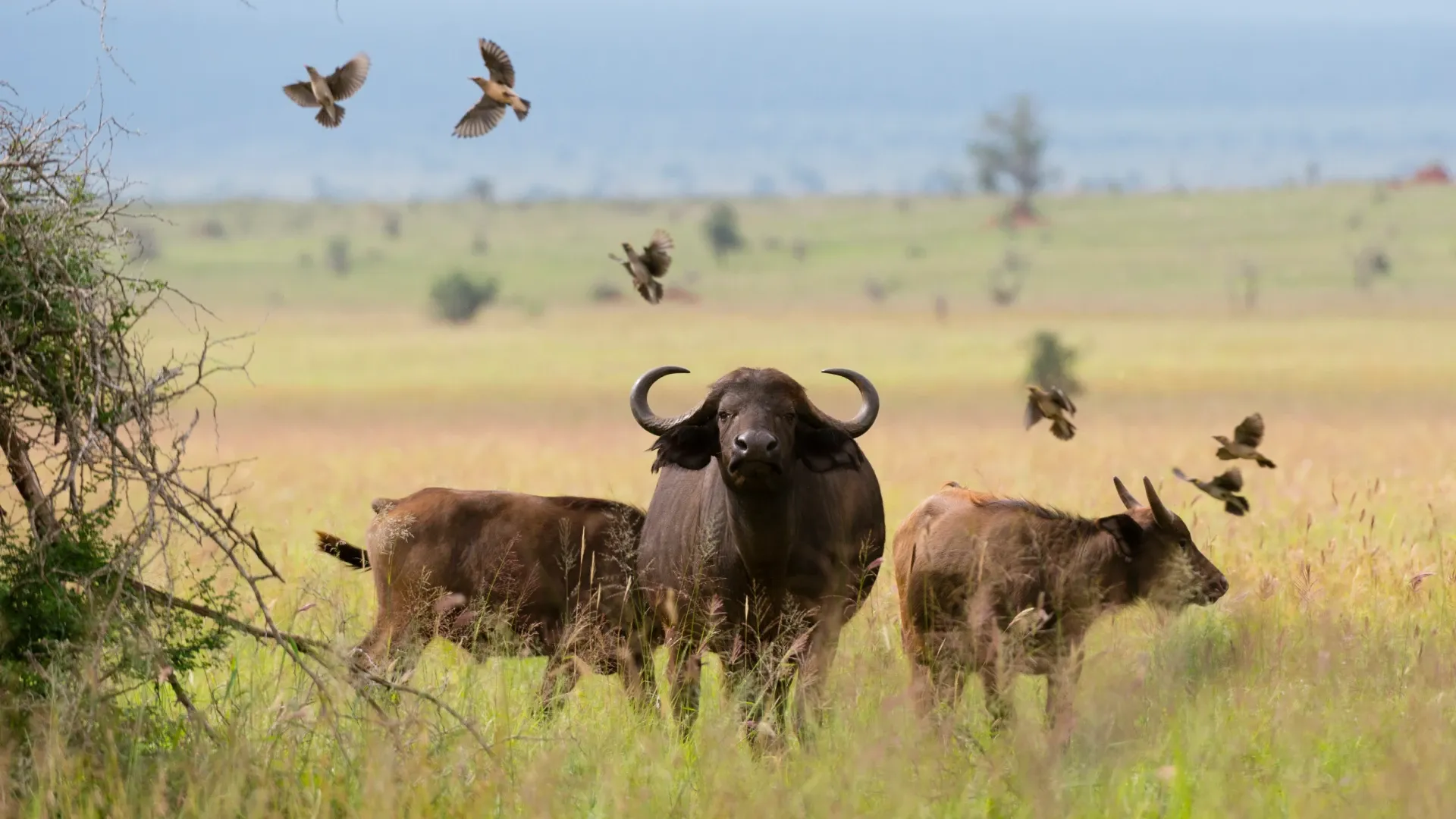
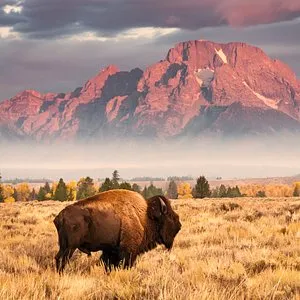
The sight of a massive buffalo herd moving as one powerful group is humbling. Guides respect them greatly because their moods can shift quickly. You witness true herd strength.
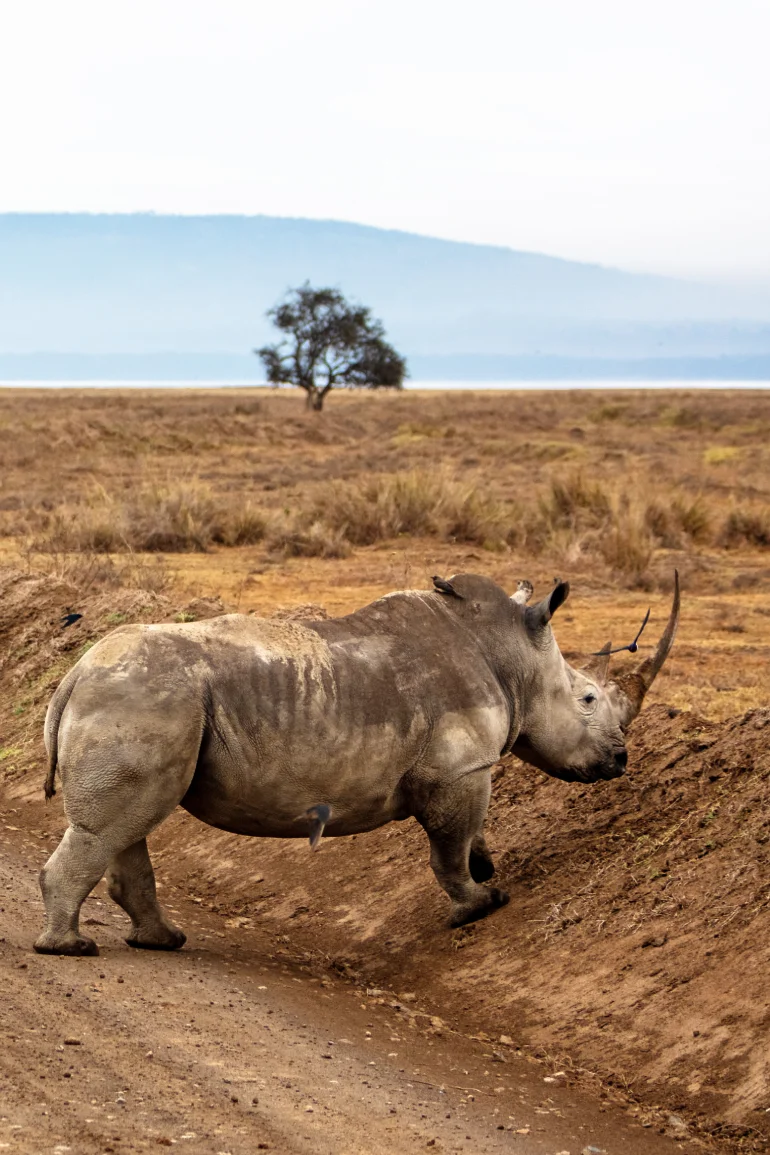
Rhino
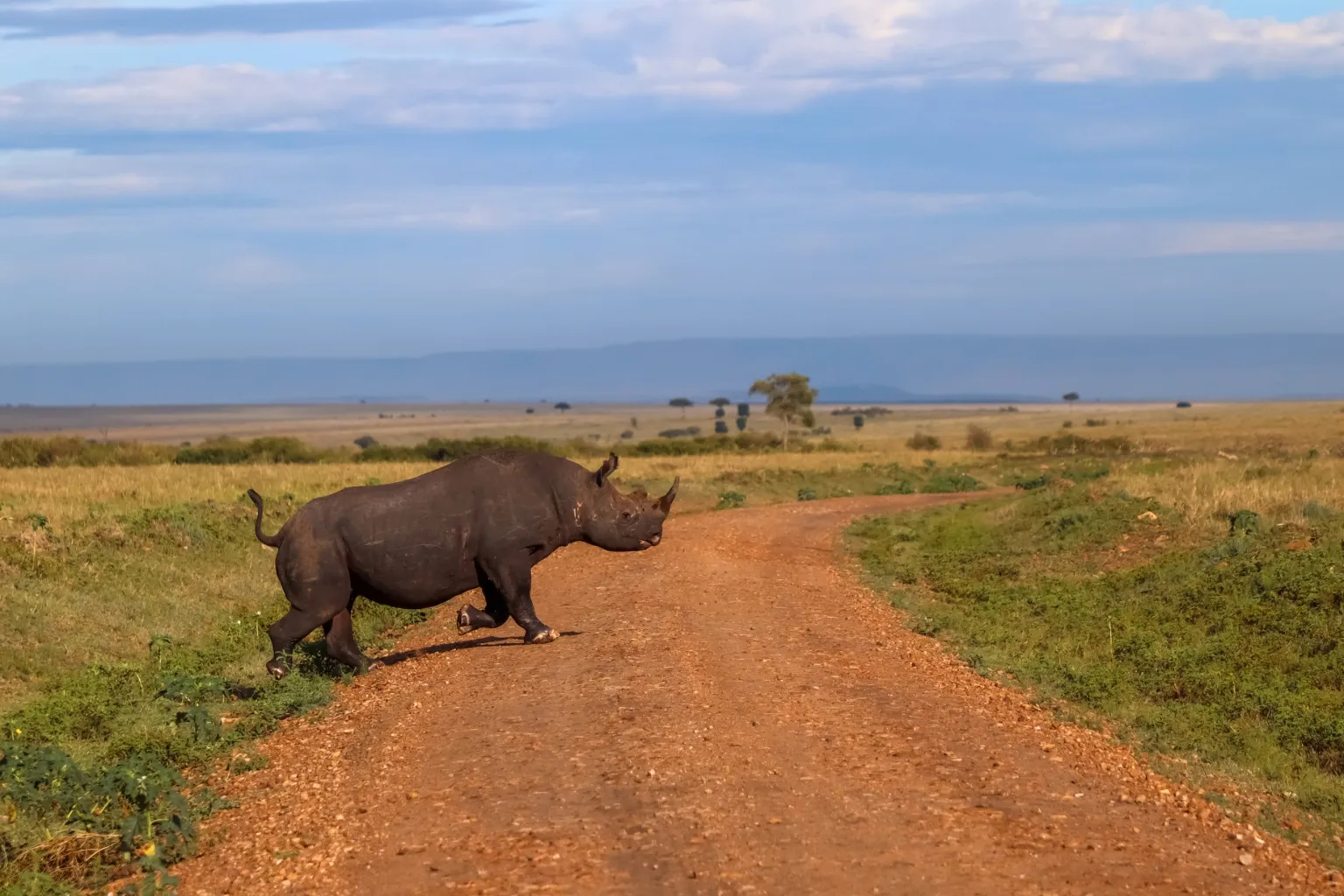
The black rhino is often the hardest to find, making any sighting feel like a bonus jewel in your crown. Ngorongoro Crater offers a good chance for this rare encounter, but we keep expectations realistic since they are naturally shy creatures.
| Animal | Best Park Focus | Quick Tip |
|---|---|---|
| Lion | Serengeti | Look for movement at dawn/dusk |
| Leopard | Central Serengeti | Scan high in the tree branches |
| Elephant | Tarangire | Watch near large baobab trees |
| Buffalo | Tarangire / Ngorongoro | Observe group movement dynamics |
| Rhino | Ngorongoro Crater | They require quiet, patient searching |
That is why a good Tanzania Safari Experience is not just about ticking off five names. It is about knowing which park gives you the best shot at each animal, and giving the drive enough time to breathe.
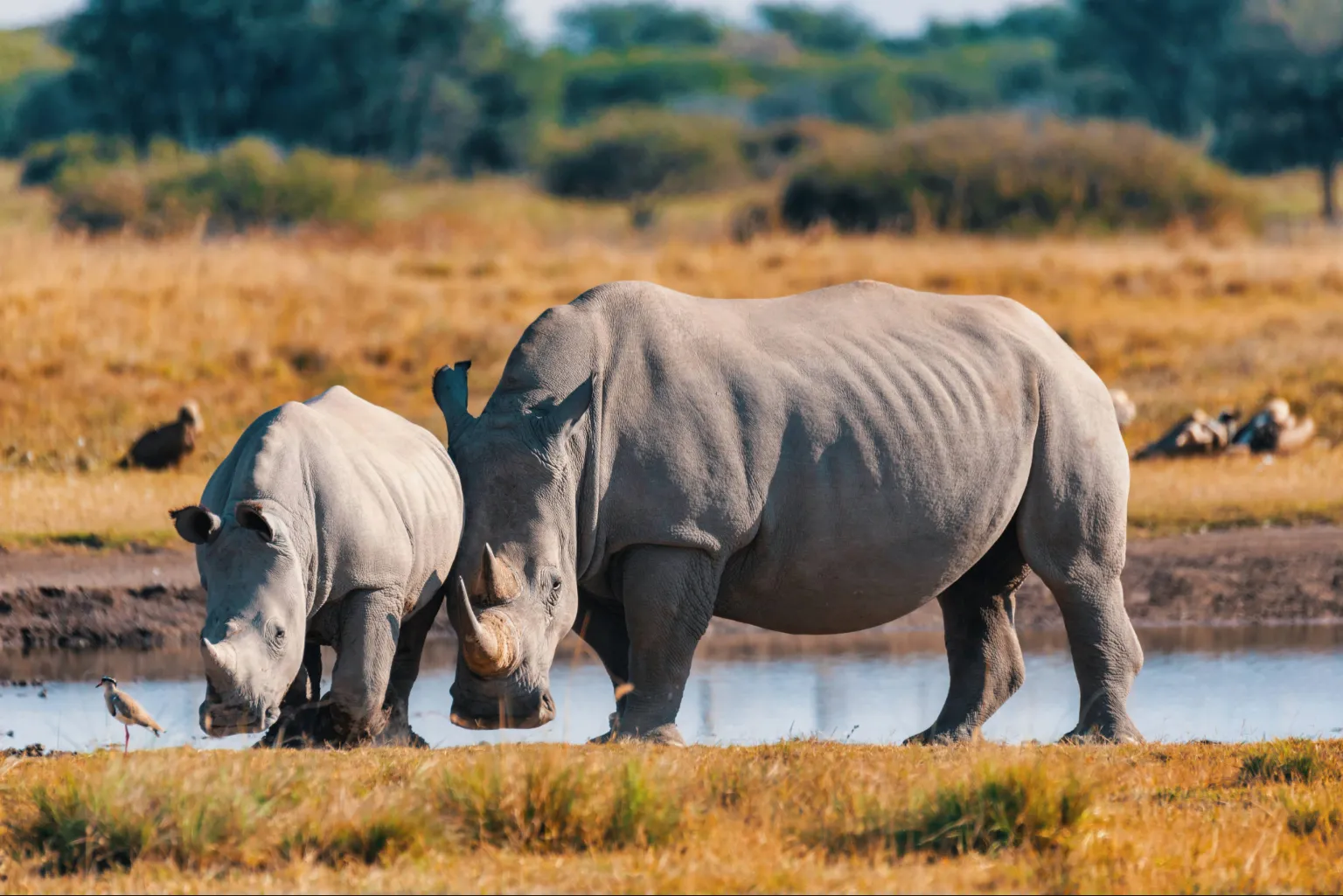
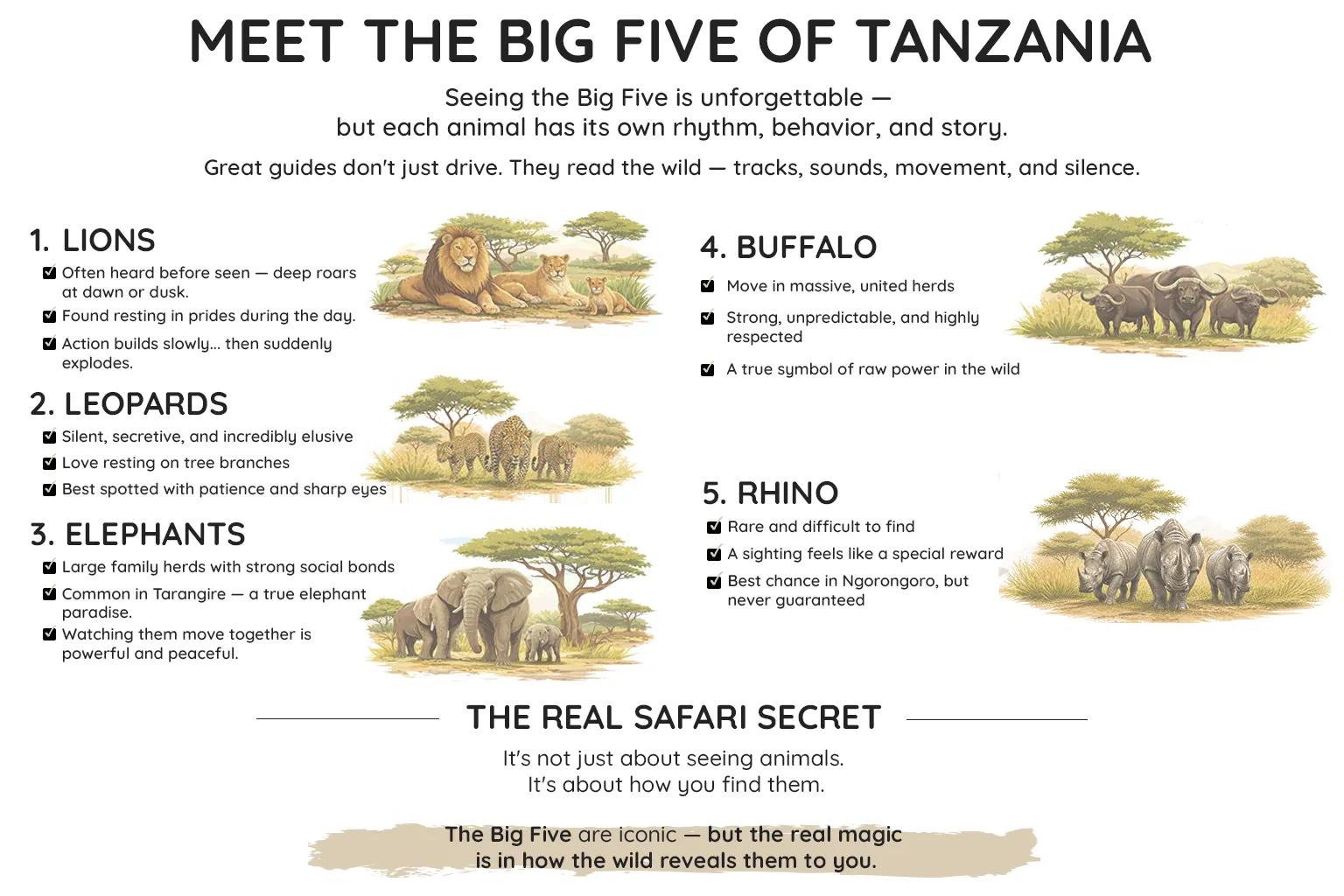
Two rhinos stand beside a waterhole in golden grasslands, alongside an informative guide to Tanzania’s Big Five—lions, leopards, elephants, buffalo, and rhino—highlighting their behavior, habitats, and safari significance.
Top Parks for a Tanzania Big Five Safari
If your goal is to see all five, park choice is not something to take lightly. The right mix is what gives the trip its backbone.
Serengeti
Serengeti is the big cat park in most people’s minds, and for good reason. Lions are strong here. Leopards are possible with patient guiding. The open plains also make the whole safari feel wide and alive in a way that is hard to fake with words.
Ngorongoro Crater
Ngorongoro is the park people often describe as intense. You descend into the crater, and wildlife starts appearing fast. Buffalo are common. Lions are common. And rhino, while never guaranteed, is one of the major reasons this park is so important on a Big Five route.
Tarangire
Tarangire adds real strength to the trip. Elephant herds here are a major part of the safari, and buffalo are strong too. The feel is also calmer than Serengeti in many parts, which people often appreciate more than they expected.
Lake Manyara
Lake Manyara is not the key rhino park, but it is still a valuable stop because it offers forest and escarpment scenery, primates, birdlife, and the park’s well-known tree-climbing lions.
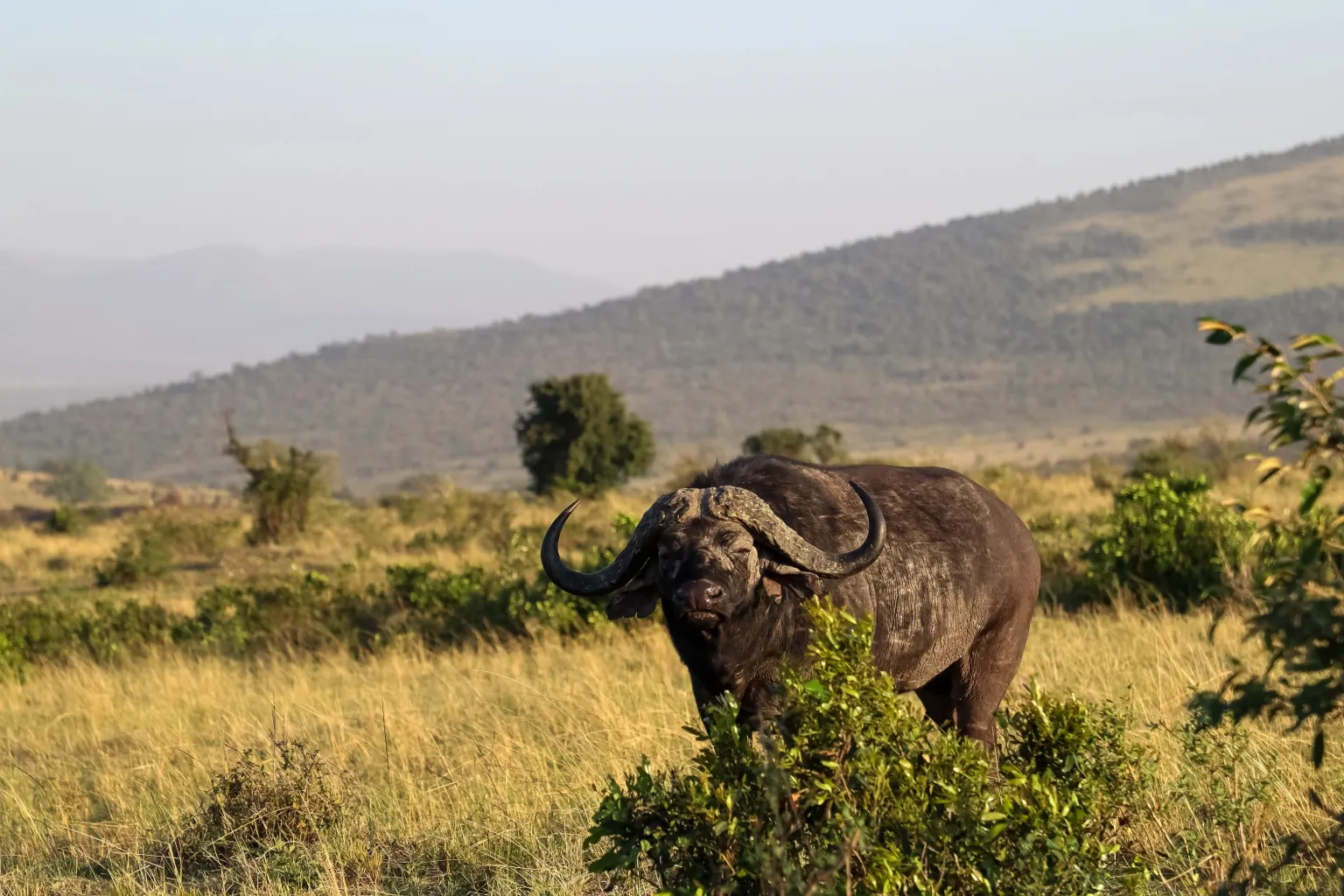
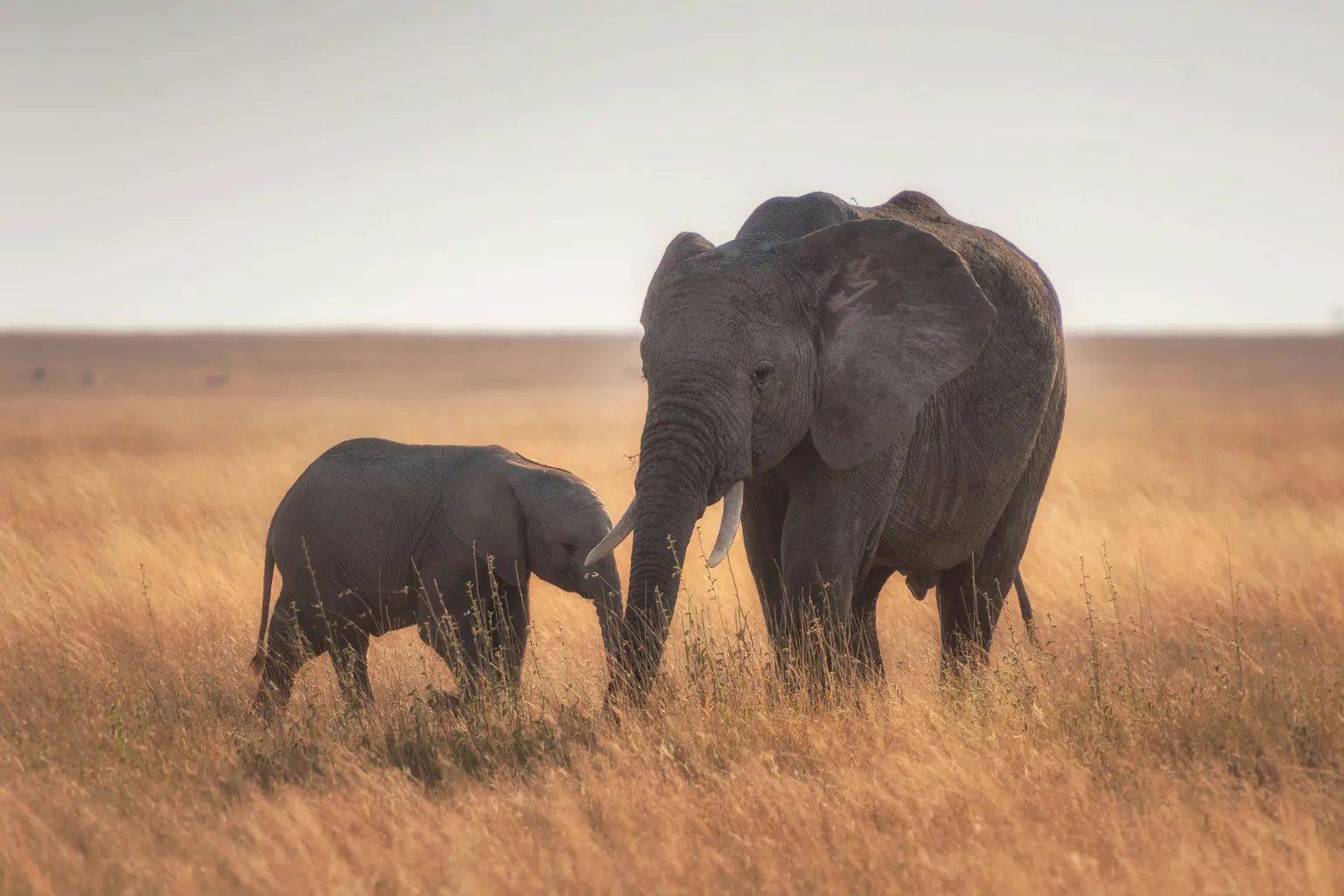
An elephant with its calf walks through golden savanna grasslands while a powerful buffalo stands alert nearby, capturing the iconic Big Five wildlife experience in Tanzania’s diverse safari landscapes.
For many travellers, the best route is simple:
Serengeti for Big Cats
Ideal for spotting lions and leopards across wide open plains
Ngorongoro for Dense Wildlife
Best for rhino sightings and concentrated game viewing
Tarangire for Large Herds
Known for elephants and buffalo in impressive numbers
Lake Manyara for Variety
Offers a balanced mix of wildlife and diverse habitats
That is one reason these Tanzania Destinations work so well together. They do not blur into one long repeat. Bestday Safaris can combine all four northern parks, depending on how many days you have and how broad or focused you want the trip to feel.
Why Choose a Tanzania Big Five Safari
A Tanzania Big Five Safari gives your trip a clear purpose from the start. You are not trying to see everything in a vague way. You are building the route around the most iconic wildlife goal in Africa, while still getting scenery, strong guiding, and long game drives that feel different from park to park.
For travellers comparing Tanzania safari tour packages, a Big Five route usually works well because the northern circuit is practical. The park network connects cleanly, wildlife density is high, and you can build anything from a shorter, high-focus trip to a fuller week across four parks.
Another good point is range. One day, you are in open plains scanning for cats. The next day, you are dropping into the crater. Then you are among baobabs and elephant herds. That change keeps the safari fresh and gives the whole trip more depth than a one-park plan.
And if you want more than wildlife, this route can sit nicely with Tanzania Cultural Tourism around Arusha or Mto wa Mbu before or after the parks.
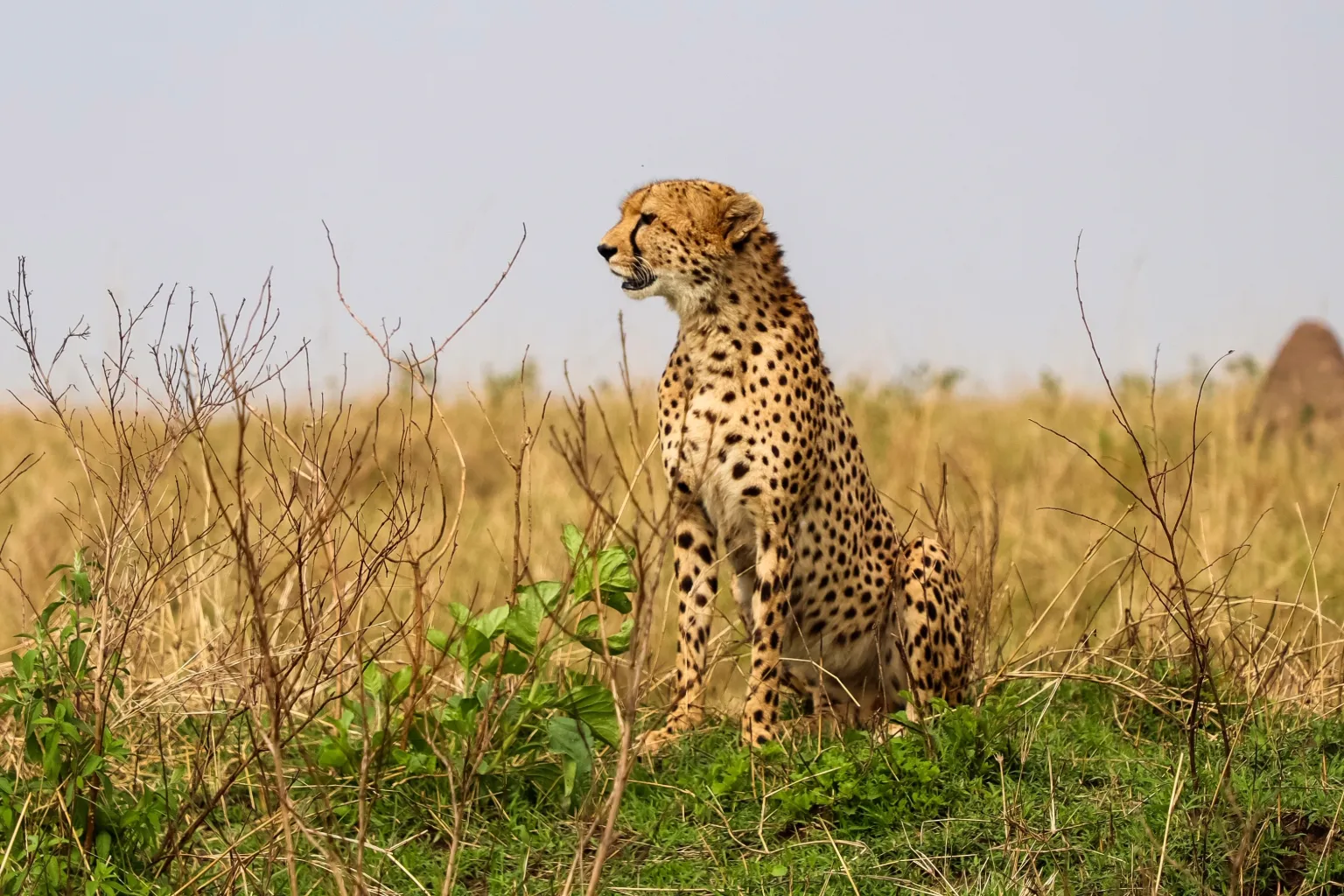
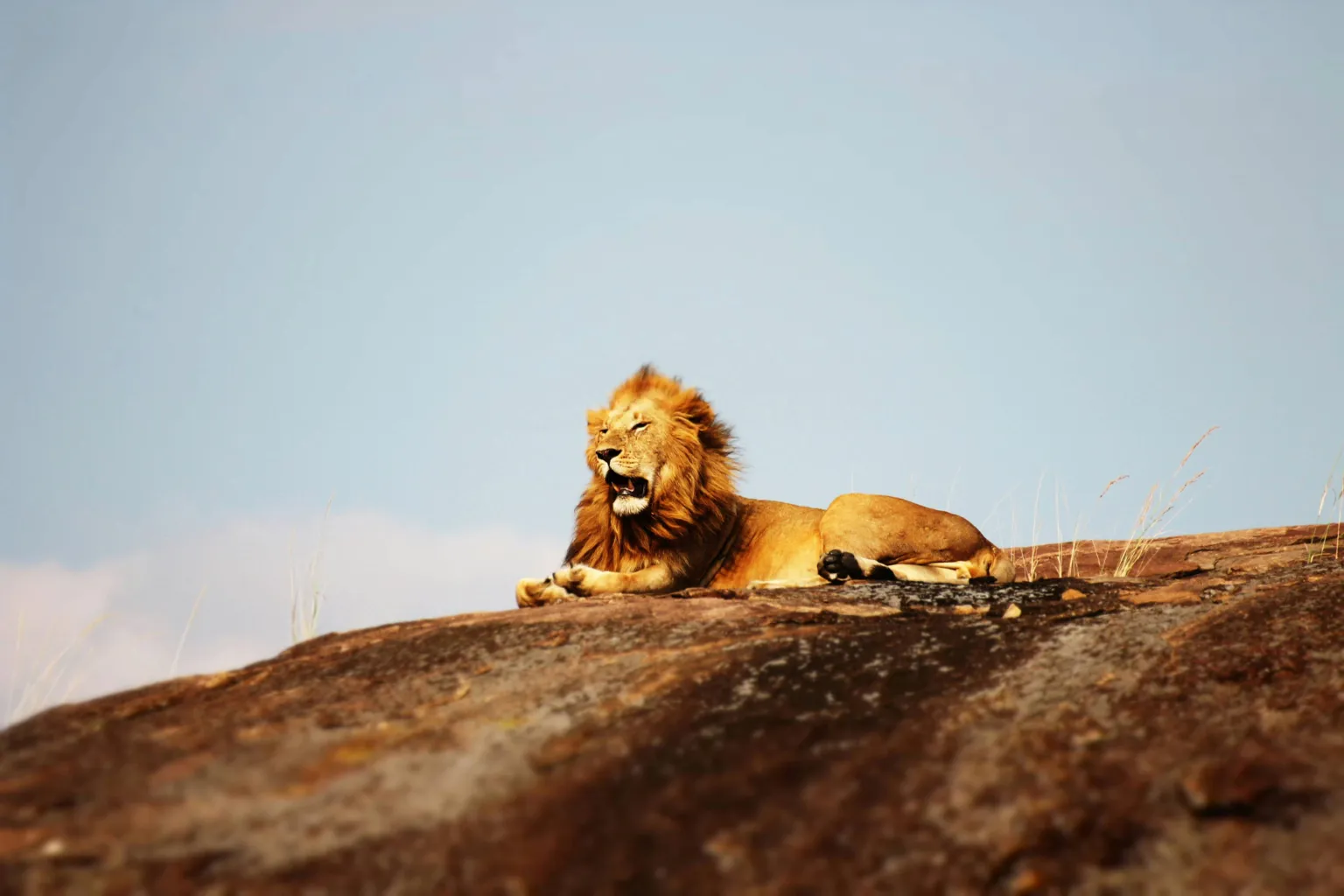
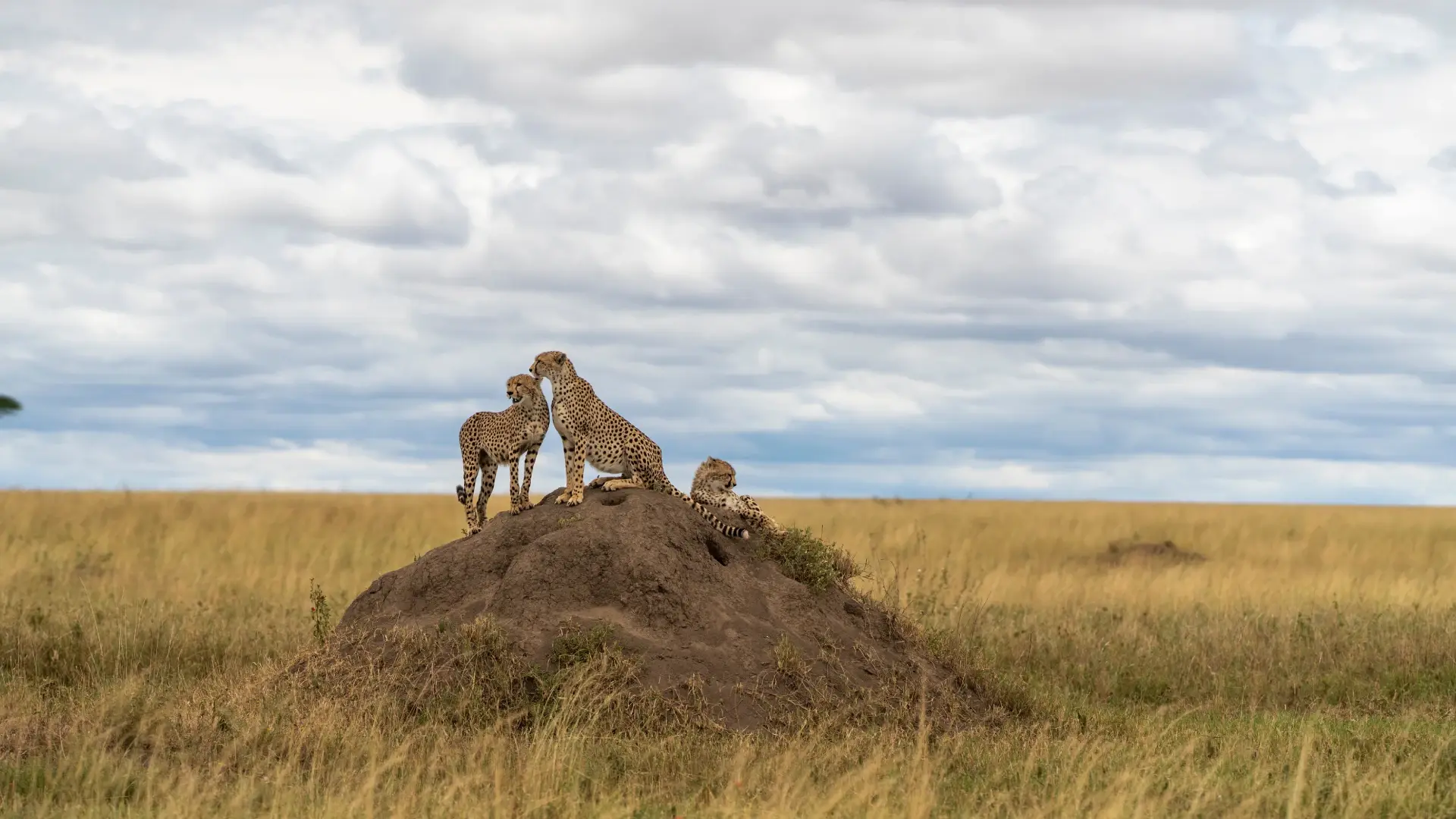
A majestic lion rests atop a rocky outcrop while a cheetah sits alert in open grasslands, capturing the beauty, diversity, and iconic predator encounters of a Tanzania Big Five safari experience.
When Is the Best Time for Tanzania Big Five Safaris?
The dry season, from June to October, is usually the Best Time For Big Five Safaris In Tanzania. Grass is shorter, and animals gather closer to water. Roads are generally easier too. That helps game drives feel more direct and productive.
But that is not the only time to visit Tanzania for Big Five safaris.
January to March can also be a very good time to travel. The land is greener, light can feel softer, and there is real energy in the bush. Different energy, but real. You may also catch the calving season in parts of the broader ecosystem, which brings increased predator activity.
A simple way to look at it:
Dry Season (Jun–Oct)
Best for easier wildlife viewing and classic dry-season safari conditions
Green Season (Jan–Mar)
Greener landscapes with strong wildlife activity and fresh scenery
Low Season (Apr–May)
Fewer visitors and lush views, though rain may affect travel
Short Rains Period (Nov)
A quieter in-between month with fewer crowds and relaxed travel conditions
If you are focused mainly on the Big Five, dry-season travel usually gives the clearer advantage. But if you also care about fewer vehicles and a softer feel in the parks, the greener months can be a very good fit too.
That is why the Best Time To Visit Tanzania is not always one fixed answer. It depends on how you want the safari to feel, not just what month looks best on paper.
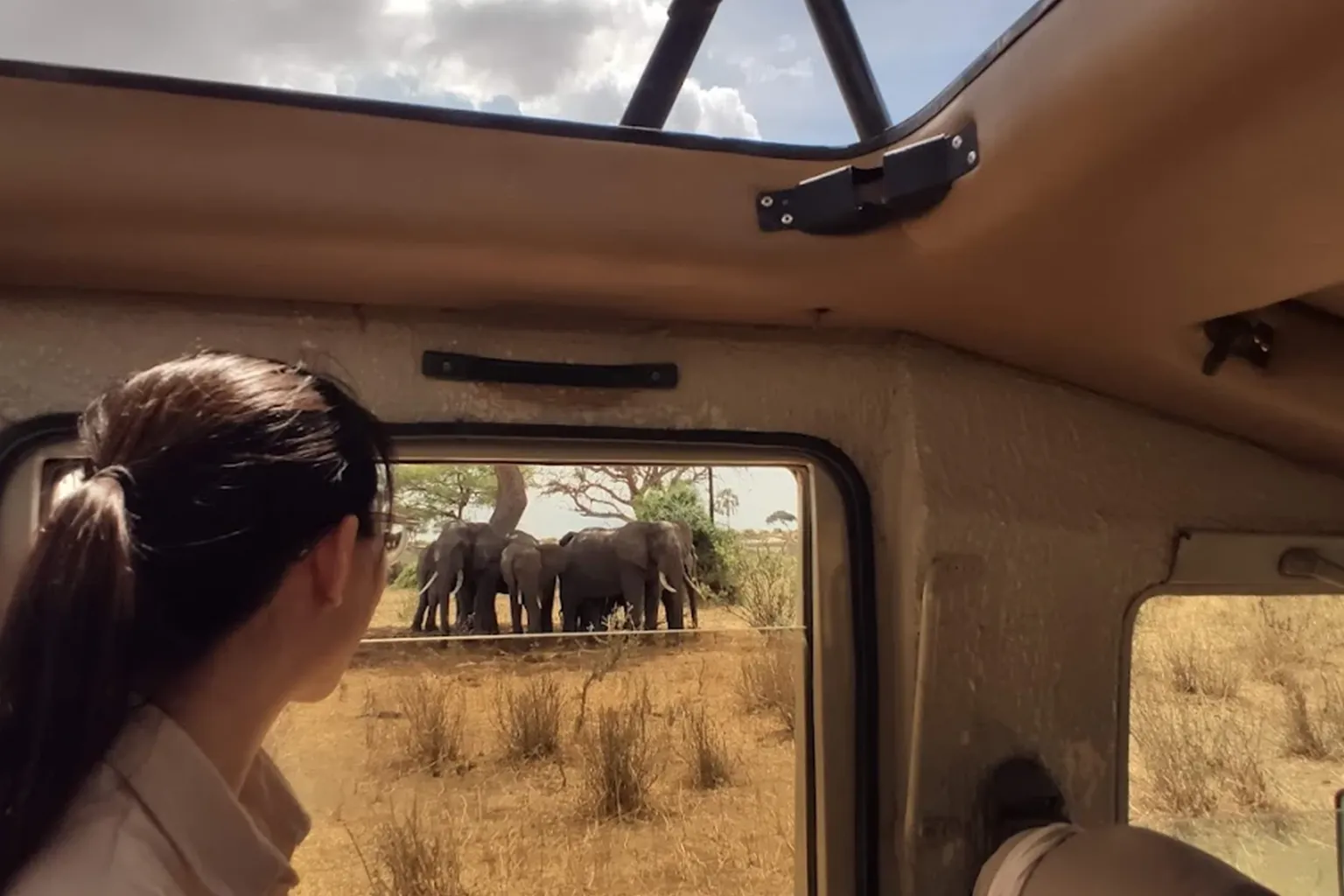
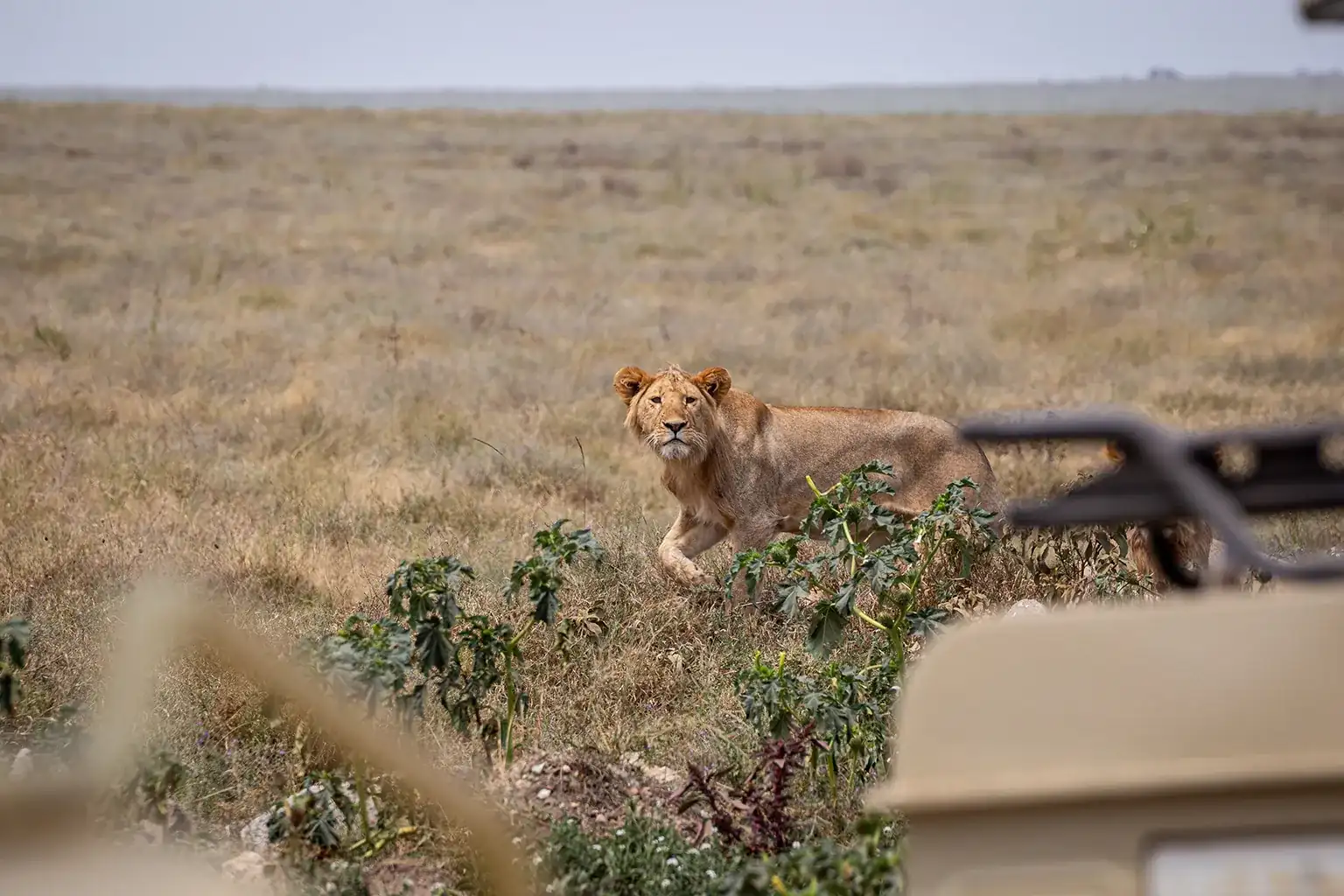
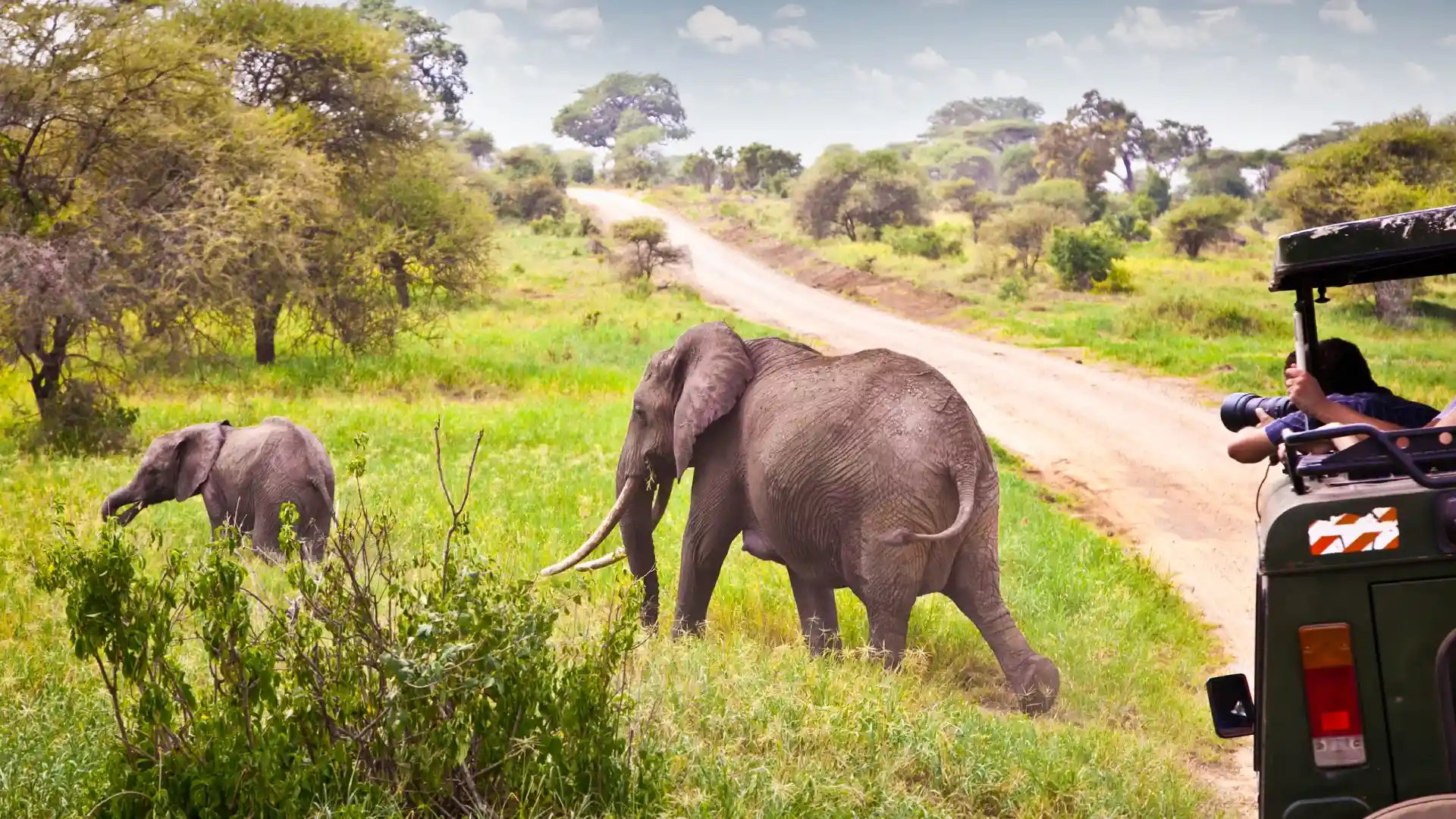
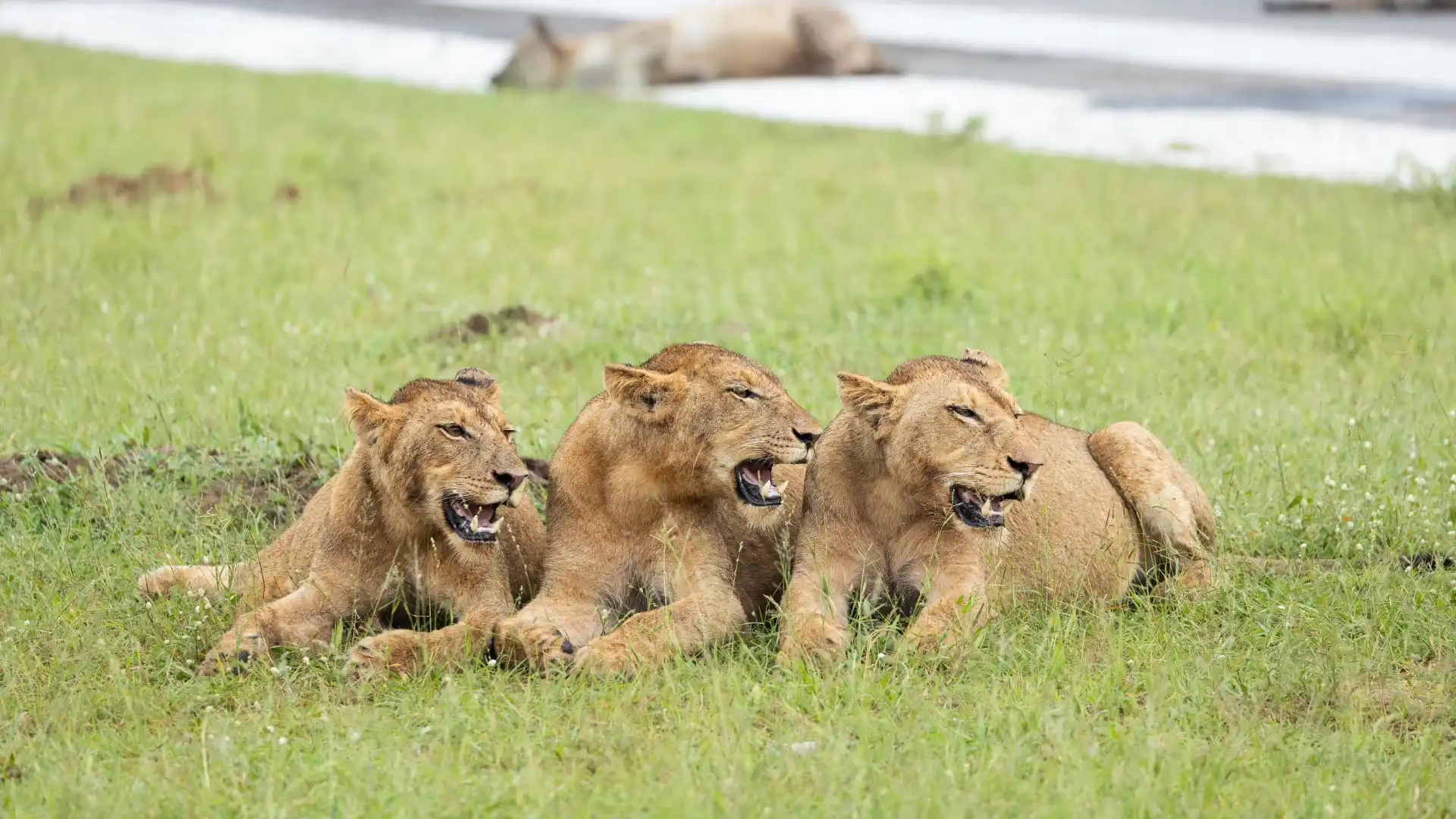
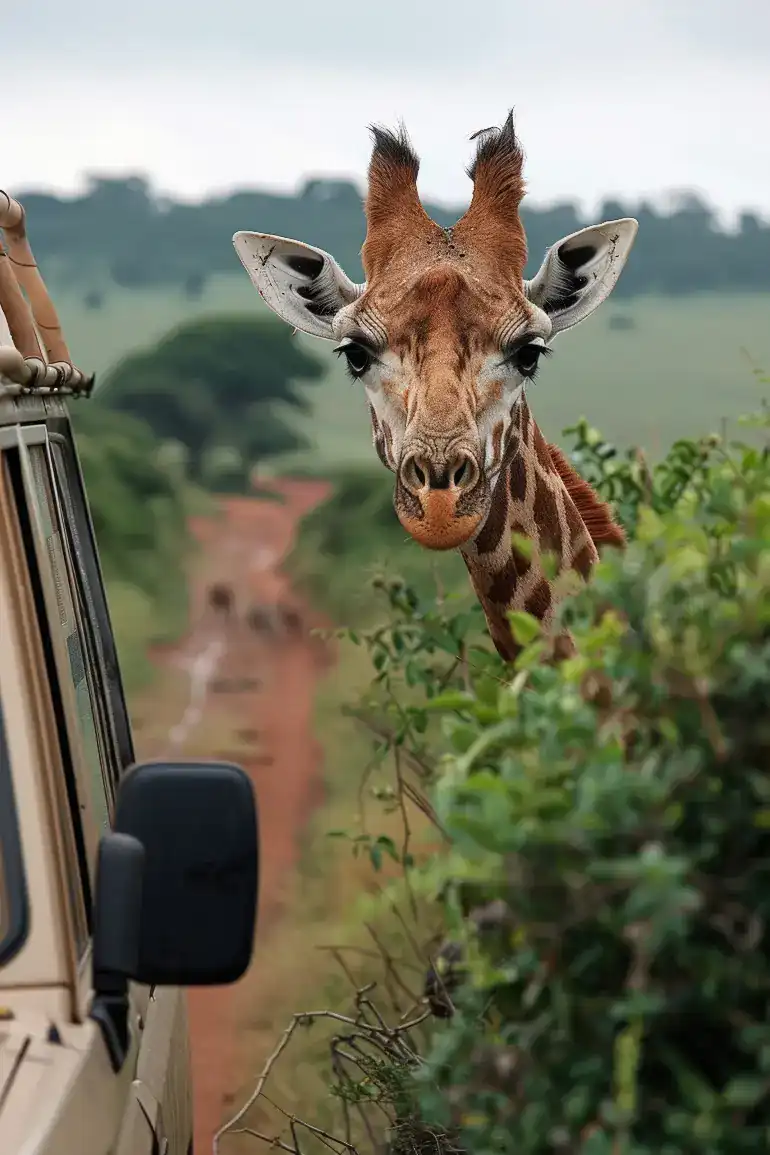
These paired moments capture Tanzania’s Big Five excitement: one shows elephants viewed from inside a safari vehicle, while the other brings a lioness into focus across open grassland at close range.
Popular Tanzania Big Five Safari Packages
The best Tanzania big five safari packages are usually not the ones that span many days. They are the ones who put in enough nights in the right parks.
For travellers checking Tanzania big five safari packages, it helps to look beyond the headline number and ask what is actually included in the trip.
Tanzania Big Five Safari Cost
The cost estimate of a Tanzania Big Five Safari looks somewhat like this:
Budget Safari Range
budget level often starts around US$400 to US$600 per person per day
Mid-Range Safari Cost
mid-range is often around US$500 to US$750 per person per day
Luxury Safari Pricing
high-end trips can go much higher with luxury camps, internal flights, and private arrangements
Safari price usually goes up because of:
Extended Serengeti Stay
Extra nights in Serengeti allow deeper wildlife viewing and flexible pacing
Crater Access Included
Entry to Ngorongoro ensures concentrated and rewarding game viewing
Private Vehicle Use
A dedicated vehicle offers comfort, flexibility, and a personalized safari
Domestic Flight Options
Flights save time and make long travel distances more convenient
Luxury Camp Stays
High-end tented camps or lodges provide comfort and premium locations
So when comparing the Tanzania big five safari packages, it helps to ask a better question than “Which is cheaper?” A more useful question is “How much real safari time am I getting for that price?”
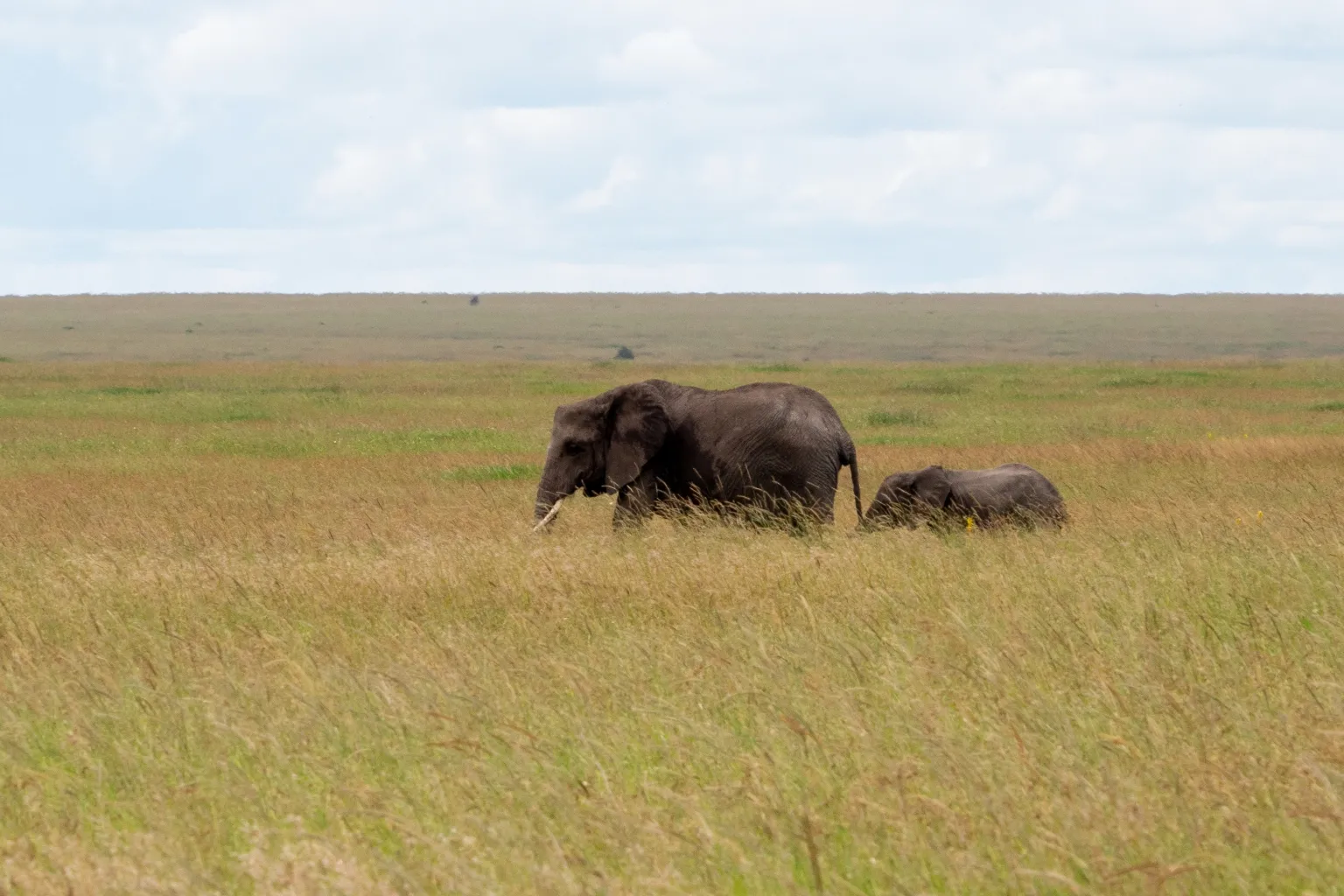
An informative Tanzania Big Five safari cost guide outlines daily expenses, park fees, and travel factors, paired with a peaceful wildlife scene of elephants walking through the vast Serengeti grasslands.
What Should You Know Before a Tanzania Big Five Safari?
A good Big Five safari gets easier when the practical side is sorted early. Long game drives are better when you pack light, wear layers, and keep your daily essentials close.
Visa Requirements
check your Tanzania Visa rules early
Travel Insurance
choose Tanzania Travel Insurance that includes remote medical help
Weather Planning
look at Tanzania Weather for your exact month, not just the broad season
Packing Preparation
build a sensible Tanzania Safari Packing List with layers, a hat, sunscreen, binoculars, and a power bank
Safety Awareness
read up on Tanzania Travel Safety and listen to your guide in the vehicle
Health Essentials
sort Health at Tanzania basics and bring personal medication
Food Considerations
ask in advance about Tanzania Food if you have allergies or dietary limits
Tipping Guidance
learn the basics of Tipping In Tanzania before you arrive
A soft bag is usually better than a hard suitcase on safari. And one more thing people forget: keep expectations realistic. Good guiding lifts your chances a lot, but the wild still stays wild. That is part of the point.
Many travellers also find it useful to read Tanzania Travel Guides before booking, especially on packing, drive times, weather, entry needs, and park differences. It saves confusion later.
Plan Your Tanzania Big Five Safari
The smartest way to plan this Tanzania Safari Trip is to start with three things: how many days you truly have, how comfortable you want the nights to be, and which animal you most want to prioritize if the timing gets tight.
If you want a shorter private trip, we can customise your itinerary around Serengeti, Ngorongoro, and Tarangire. If you want a fuller northern circuit, the team can combine all four parks in a way that feels balanced rather than overstuffed. That flexibility is a big reason people book with a local Tanzania Tour Operator that regularly works with these parks.
Tell Bestday Safaris how many days you have and the kind of stay you want, and we will send you a custom Tanzania Big Five Safari itinerary built around real park time.
Plan My Private Big Five Safari
Traveling in Tanzania is one of the best decisions you can make because it offers a wide range of experiences. You see wildlife, move through very different landscapes, come closer to local culture, and experience things that do not all feel the same. And that is really what stays with people for years to come.

Founder & Director, Bestday Safaris