Tanzania Travel Safety
As a responsible tour operator, we prioritize your safety and comfort. When planning your tour, our consultant can provide valuable advice on safety and security in Tanzania. Your guide and trip coordinator will be happy to assist you with everything you need on your Tanzania Safari Trip. Contact us today for a personalized and safe Tanzania Safari Itinerary.
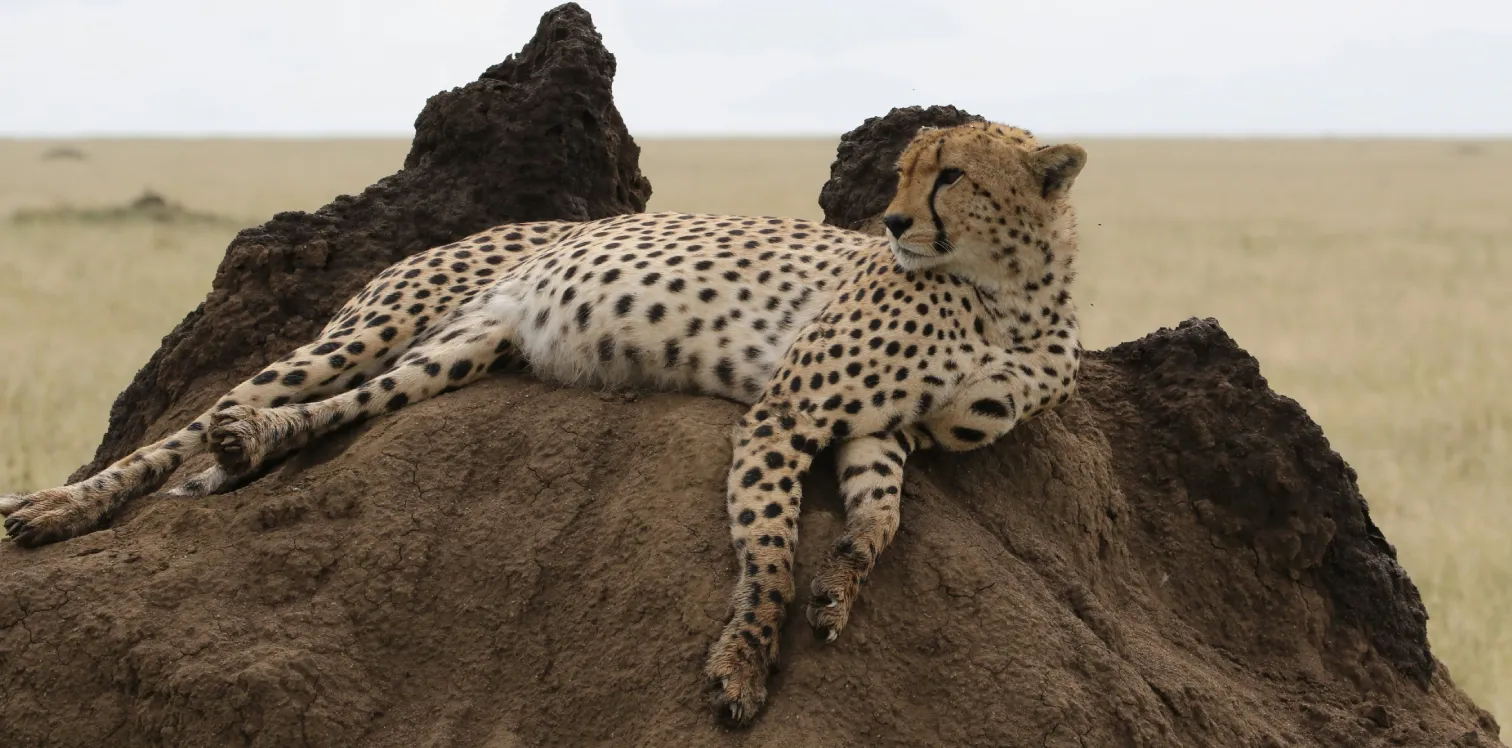
Cheetah resting on a rocky mound in the Serengeti plains, showcasing Tanzania’s iconic wildlife, natural beauty, and unforgettable safari experiences across the country’s famous national parks and conservation areas.
Is Tanzania safe to visit?
The good news is that it is totally safe to visit Tanzania. Many travelers come for wildlife, mountains, beaches, and culture, and they move around without any real trouble. That does not mean you should switch your brain off. It just means Tanzania is generally manageable if you travel with awareness.
Most safari areas feel calm. Lodge zones, Tanzania National Parks, and organized travel routes are usually the easiest parts of the trip. The places that need more attention are the busy towns and city streets, especially if you are new to them.
- 1.Personal safety during your Tanzania Safari Tour
- 2.Places to Visit in Tanzania and how to move wisely
- 3.Tanzania Health and Safety on the ground
- 4.What to add to your Tanzania Safari Packing List
- 5.Road Travel and Tanzania Transportation Safety
- 6.Ferry and boat safety with a Tanzania Tour Operator
- 7.Wildlife, hiking, and outdoor caution
- 8.Is solo travel safe in Tanzania?
- 9.Travel well and keep it simple
- 10.Frequently Asked Questions
In Dar es Salaam and Arusha, for example, it helps to stay alert, keep your belongings close, and avoid moving around casually late at night. So yes, Tanzania is a safe country for most visitors. Still, safe travel usually comes down to small choices and not luck.
Why You Need Tanzania Travel Safety?
A Tanzania Safari Tour often feels smooth once you are out in the bush. This is because camps are quiet, guides know the routes, and the routine settles in fast. The parts that call for more caution are usually the arrival days, town stops, and public areas.
Do not walk around at night unless there is a clear reason to. Even places that seem fine during the day can feel very different after dark. Streets get quieter. Lighting can be poor. You may not know which areas are worth avoiding. If you need to go somewhere, arrange a proper taxi or ask your hotel for transport.
Be careful with valuables, too. Leave your passport, extra cash, and anything important in the hotel safe if you do not need them for the day. Keep your phone and wallet tucked away when you are out. And try not to look distracted in busy places. That matters more than people think.
Another simple thing. Stay a little away from the roadside when walking in towns. Bag snatching can happen quickly, sometimes from passing bikes or cars. It is not something to panic about. Just something to remember.
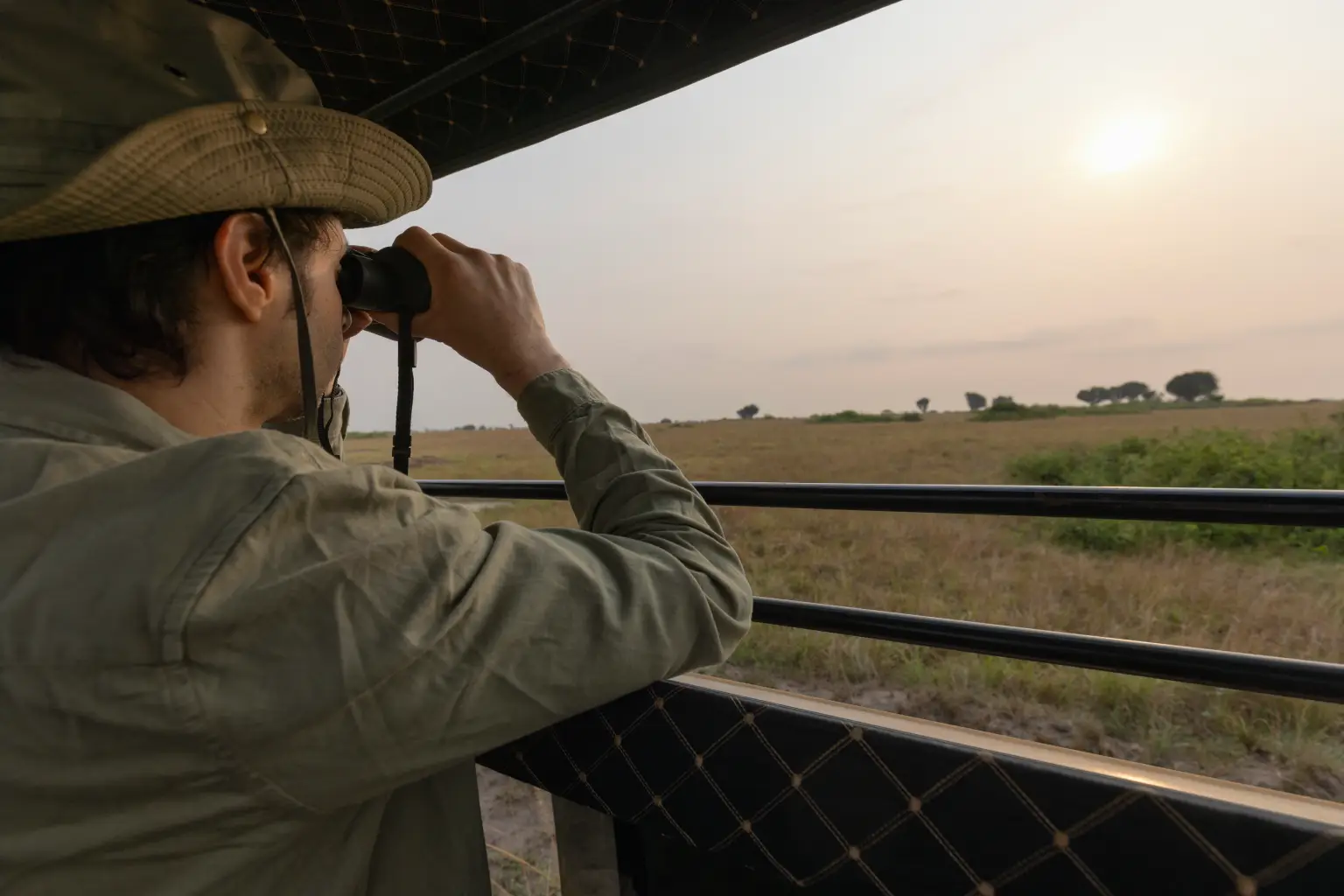
Safari traveler using binoculars to observe wildlife across the African plains during a game drive, capturing the excitement, adventure, and scenic beauty of Tanzania’s famous safari destinations and national parks.
Places to Visit in Tanzania and how to move wisely
Many of the main Places to visit in Tanzania are comfortable for travelers, especially when they are part of a guided route.
Safari parks, conservation areas, and lodge regions are designed to facilitate movement. You are usually with a driver-guide, staying in a booked property, and following a clear plan.
Cities work differently. They have more movement, more noise, and a higher chance of getting turned around. That is where people usually need to be more cautious. If you are arriving in Arusha or spending time in Dar es Salaam, keep your plans simple. Know how you are getting from one place to another. Do not flash expensive items. Ask your hotel which areas are safe to visit and which are better to skip.
Being careful in town does not mean being tense all the time. It just means paying attention.
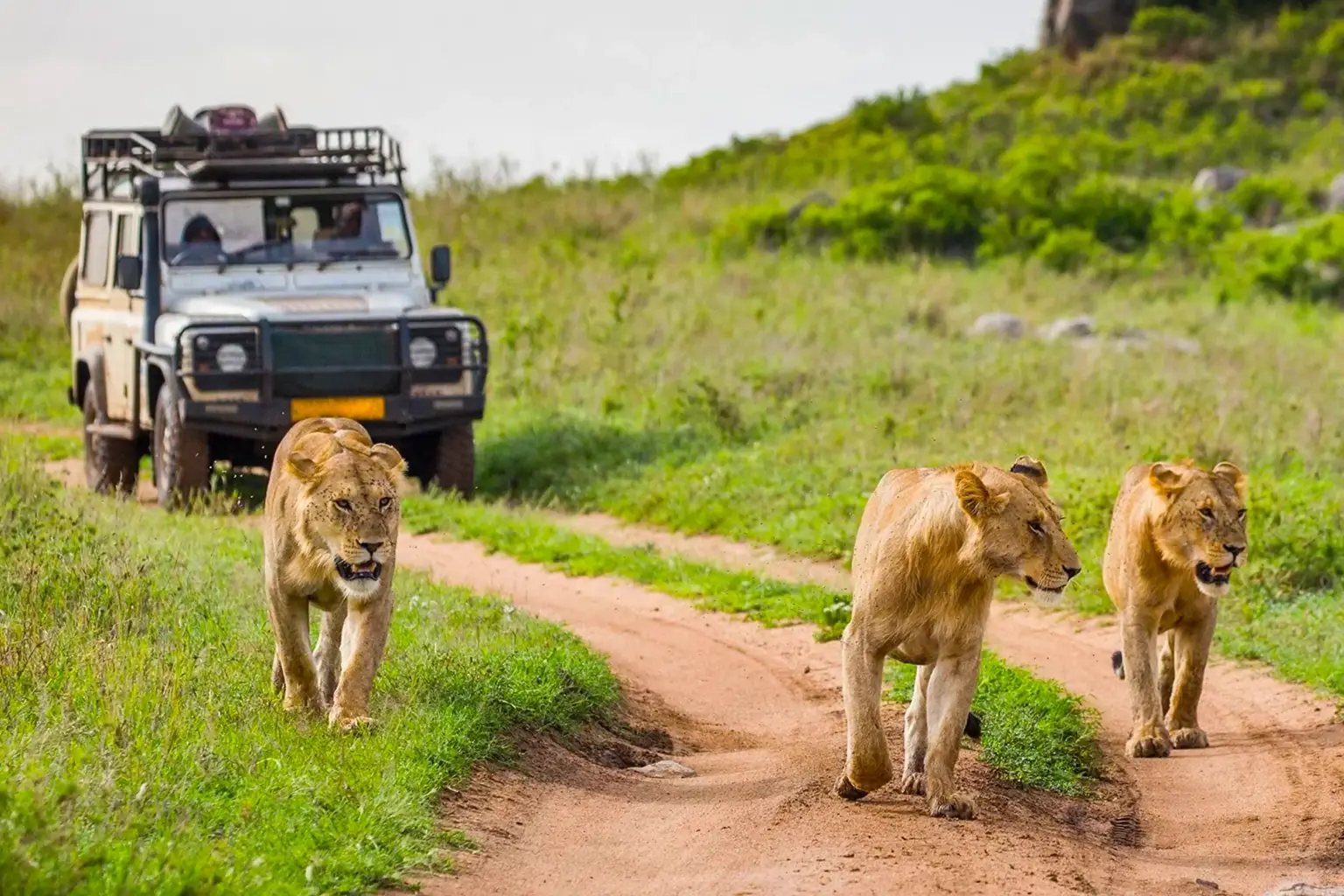
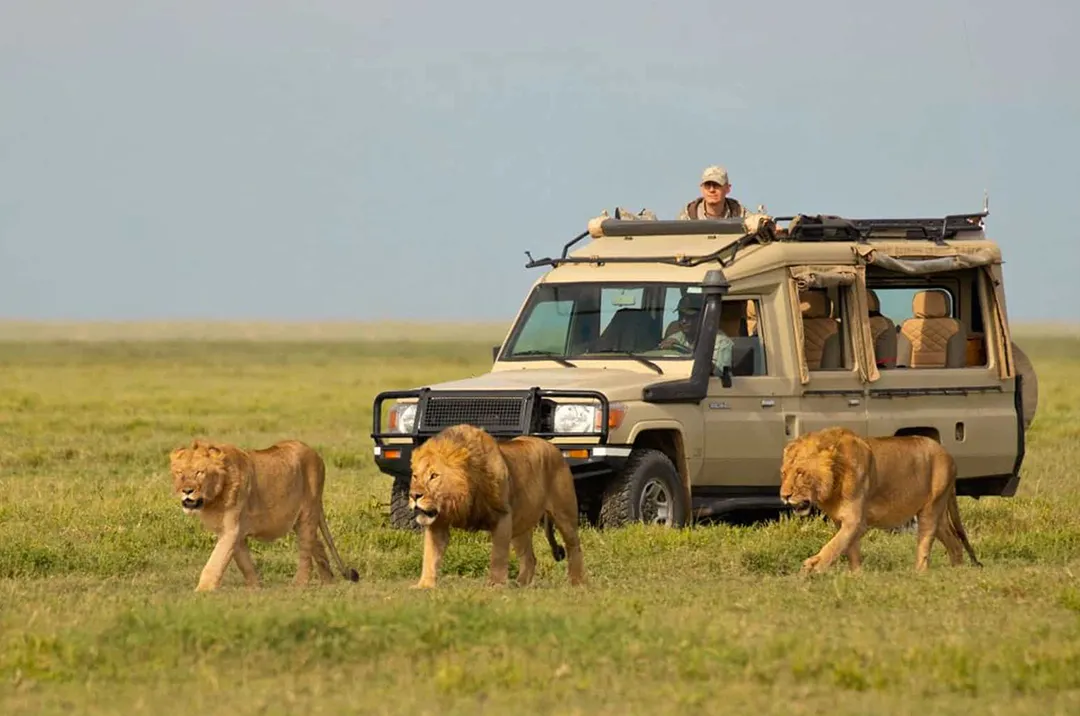
Lions walking along a safari trail beside a safari vehicle in Tanzania, creating a thrilling wildlife encounter and showcasing close up game drive experiences in African national parks and conservation areas.
Tanzania Health and Safety on the ground
Measures to take care of your health in Tanzania, in great shape, start before you land.
- It is worth speaking with your doctor or a travel clinic before the trip, especially if you are visiting rural areas or combining a safari with beach or mountain travel.
- Vaccinations such as Yellow Fever, Hepatitis A, Hepatitis B, and Typhoid are often part of that conversation, depending on where you are coming from and how you plan to travel. See the CDC website for details on vaccinations.
- You should also carry a small medical kit with just the basic items. Painkillers, diarrhea tablets, plasters, antihistamines, and any personal medication you already use.
- If you are traveling with children, oral rehydration salts are a smart thing to pack as stomach upsets happen on long drives. All these things must be included in your Tanzania Safari Packing List.
Water matters more than people expect. Drink bottled or filtered water, not tap water. When eating out, choose food that is cooked fresh and served hot. Most safari lodges do a good job with meals, but it still helps to be sensible. A ruined stomach can throw off a whole trip.
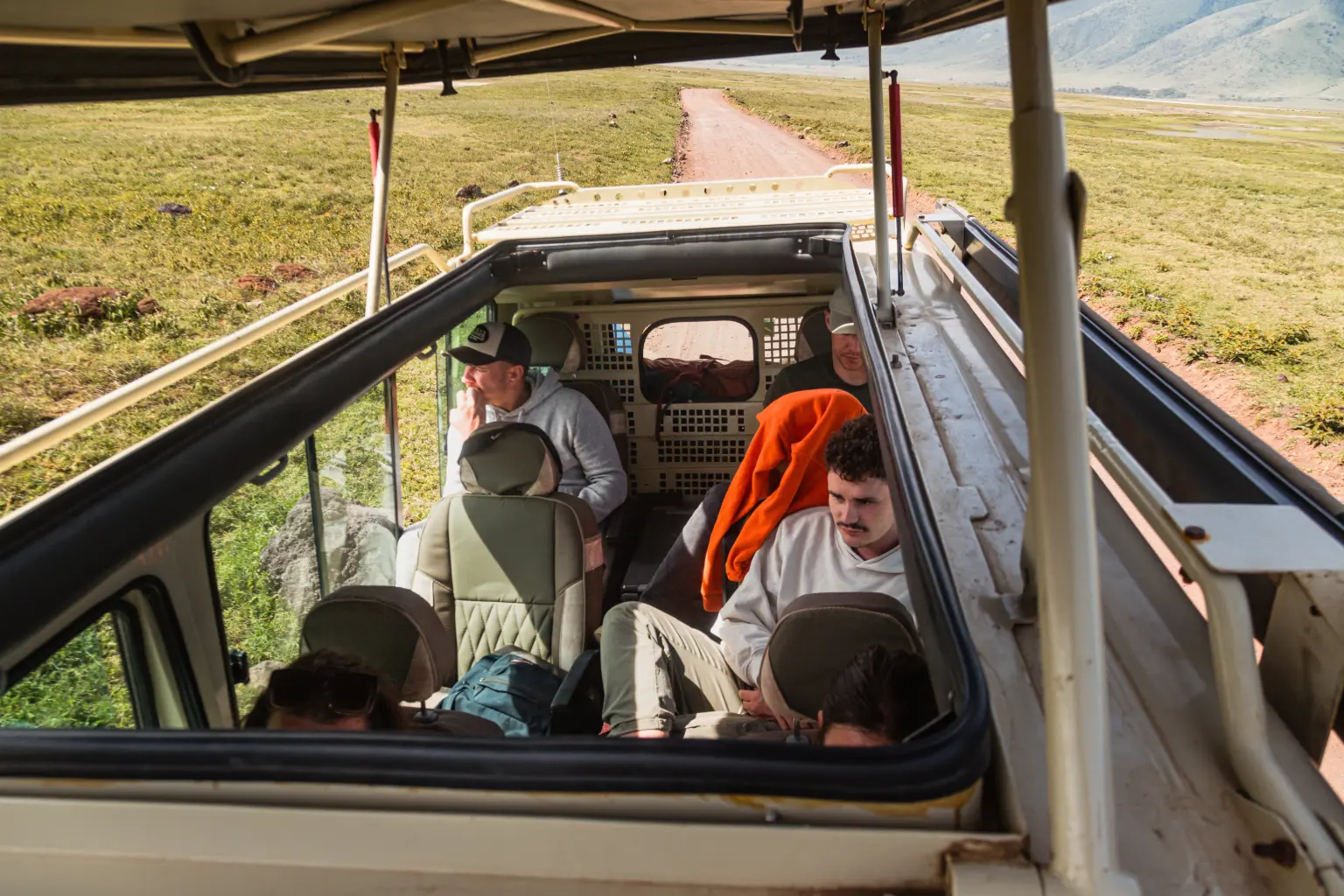
Travelers enjoying a safari game drive inside an open roof safari vehicle, exploring Tanzania’s scenic landscapes while experiencing comfortable wildlife viewing and unforgettable adventures across African national parks and safari routes.
What to add to your Tanzania Safari Packing List
A proper Tanzania Safari Packing List is not just about clothes, hats, and cameras. Safety items belong there, too. Insect repellent, sunscreen, hand sanitizer, tissues, basic medicine, and copies of important documents are all worth packing.
You do not need to carry your whole bathroom cabinet. That usually turns into dead weight. But you do want the small things that help when you are hours from a shop or pharmacy. Those are the items people forget.
A light day bag also helps. Keep water, a few essentials, and anything you may need on the road in one place. It saves time and makes the day easier.
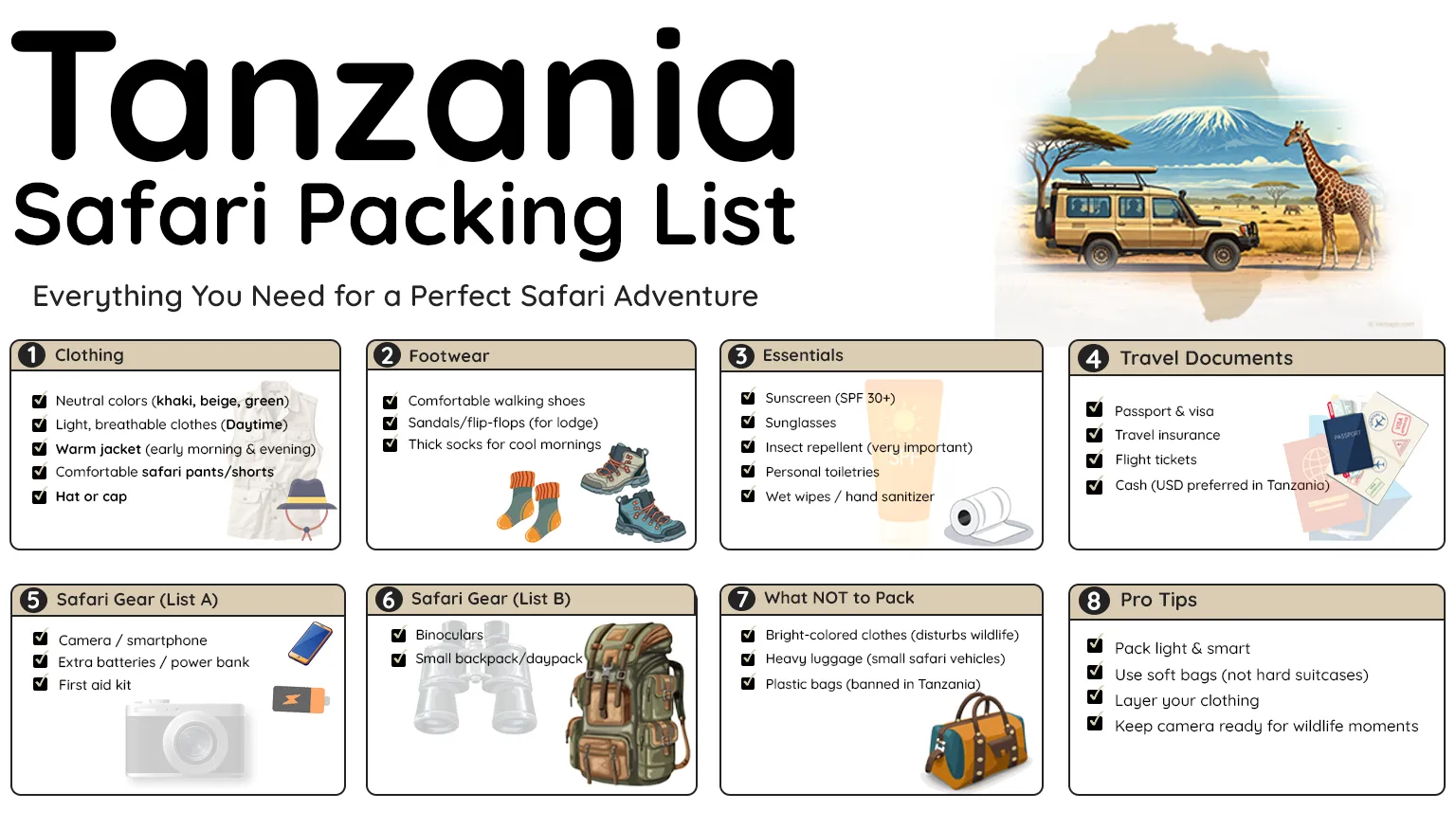
Infographic featuring a Tanzania safari packing list, including clothing, footwear, travel documents, safari gear, essentials, safety items, and useful travel tips for a comfortable and well prepared safari adventure.
Travel in Tanzania with better planning, steady guidance, and greater peace of mind
Plan Safe Travel
Road Travel and Tanzania Transportation Safety
This part deserves attention. Tanzania Transportation Safety can be very different from what some travelers are used to. Roads vary a lot. Some are smooth and straightforward. Others are rough, dusty, narrow, or full of unexpected movement. Driving styles can also feel a bit loose, especially in busy areas.
That is why it is better to use a trusted Tanzania Tour Operator for longer journeys. A good company gives you an experienced driver, a proper vehicle, and a more controlled trip. Overcrowded buses are best avoided, especially for long distances or night travel. They may cost less, but they are rarely the safer or easier option.
Licensed taxis or hotel-arranged transfers are usually the better choice in towns. They take a layer of uncertainty out of the trip, and that matters more than saving a small amount of money.
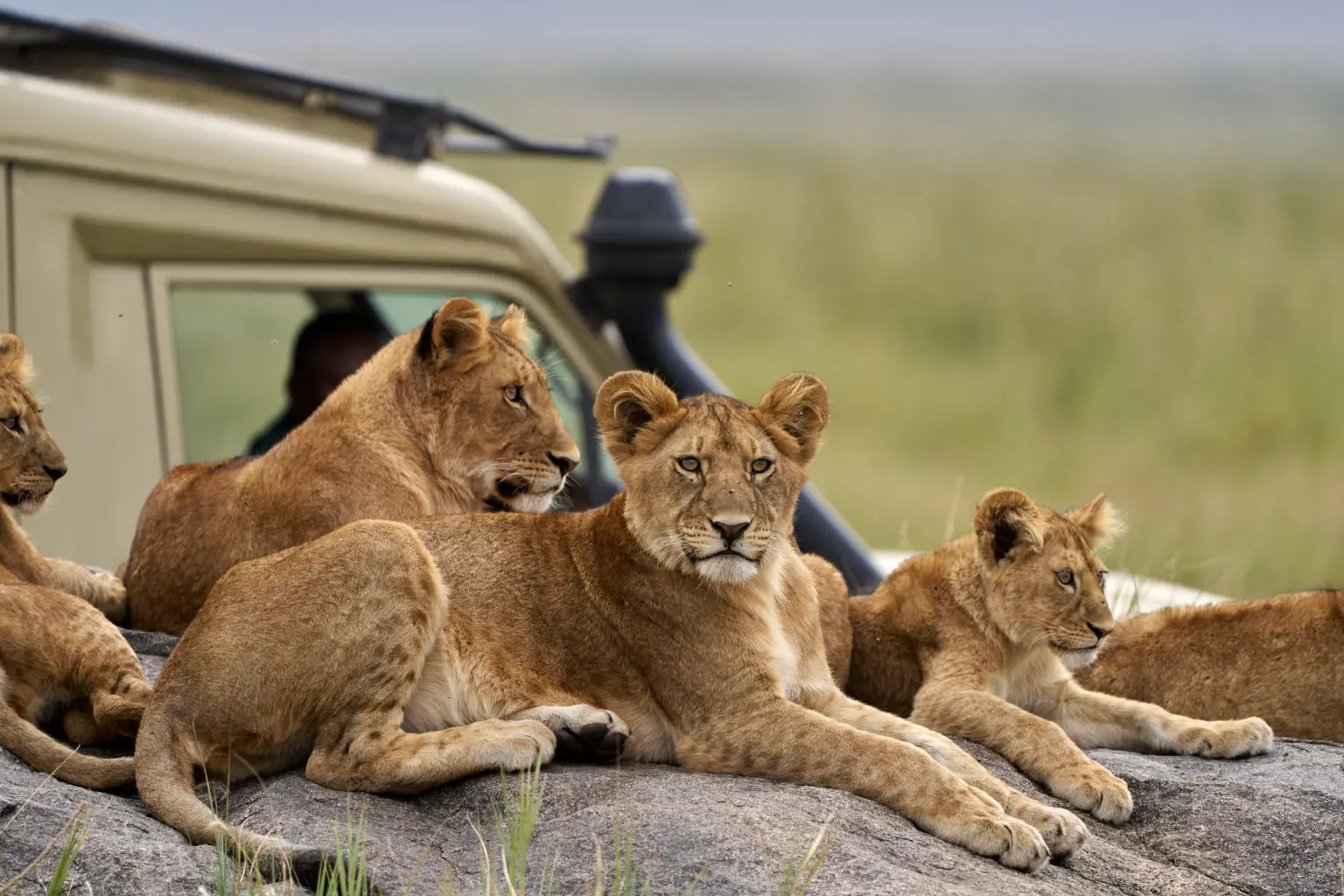
A pride of young lions resting on rocky ground near a safari vehicle in Tanzania, showing a close wildlife viewing experience during an African safari adventure.
Ferry and boat safety with a Tanzania Tour Operator
If your route includes ferry or boat travel, be selective. Some services are reliable. Some do not look great the moment you see them. Trust that feeling.
Avoid overloaded boats or ferries that seem poorly maintained. It is simply not worth the risk. If you are unsure, ask your lodge, hotel, or Tanzania Tour Operator which services they recommend. Use the options people trust locally. That is usually the safest path.
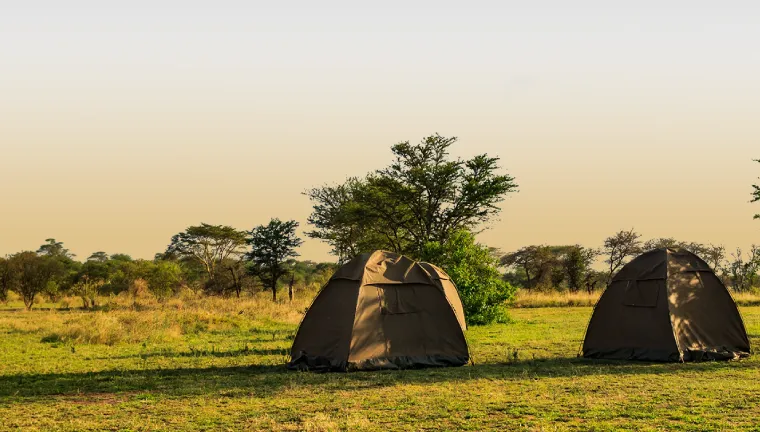
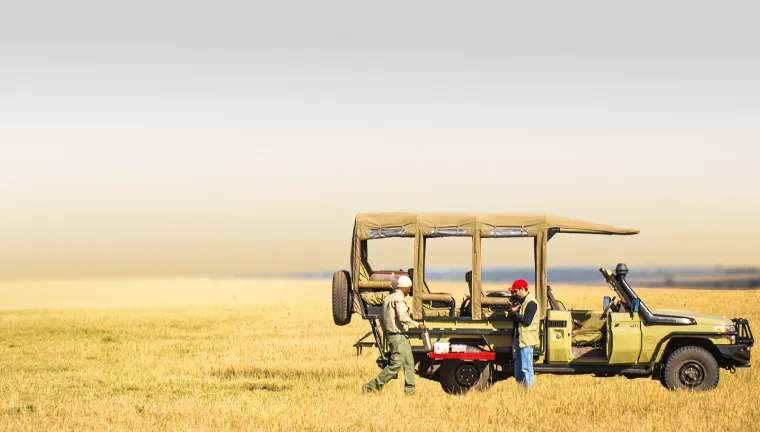
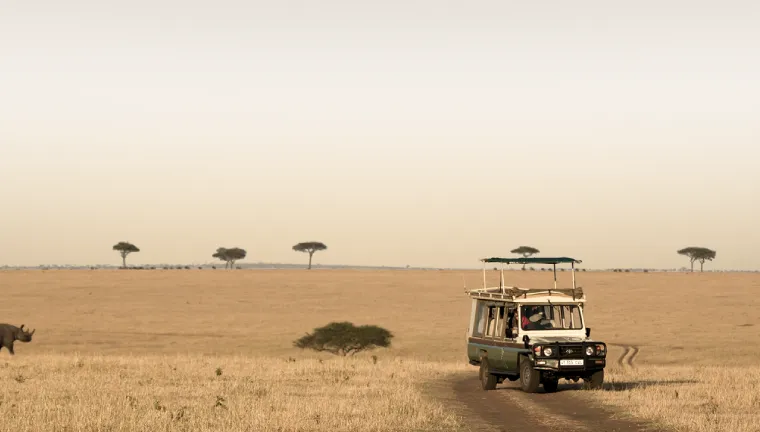
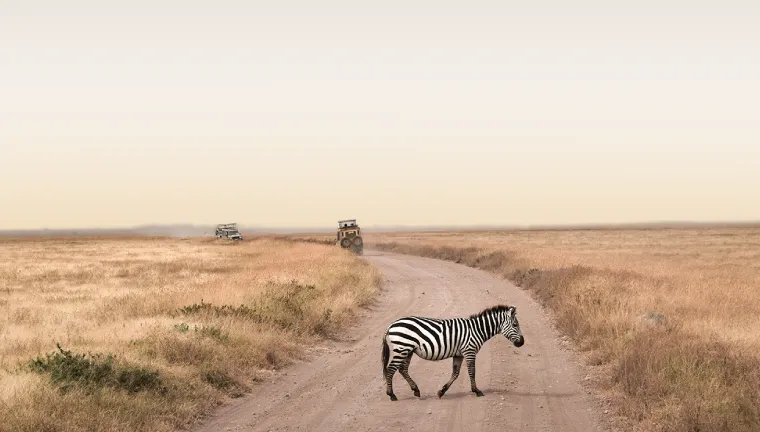
Wildlife, hiking, and outdoor caution
A lot of people come to Tanzania for adventure, and fair enough. That is part of the pull. A safari in Tanzania can put you close to lions, elephants, giraffes, and landscapes that barely feel real when you first see them. Kilimanjaro brings a totally different kind of challenge. Then there are crater tours, walking experiences, and quieter nature activities in places like the Ngorongoro Crater.
The rule in all of them is simple. Listen to your guide.
During game drives, stay inside the safari vehicle unless you are clearly told otherwise. Keep children settled. Do not lean too close to animals for photos. They are not there for your comfort, and wild animals can shift mood fast.
Kilimanjaro is different, but the same idea applies. Go slowly. Let your body adjust. Altitude is the part people underestimate. Being fit helps, but it does not cancel altitude. A steady pace, enough water, and attention to how you feel matter more than trying to prove something.
At night, keep things simple. Most travelers stay in camp, relax at the lodge, or join only guided movement after dark. That is usually the smarter call.
Traveling safely in Tanzania starts with simple habits, trusted local guidance, and calm awareness. Tanzania rewards prepared travelers with smooth, memorable journeys that feel exciting, comfortable, and reassuring throughout.
Peter Charles
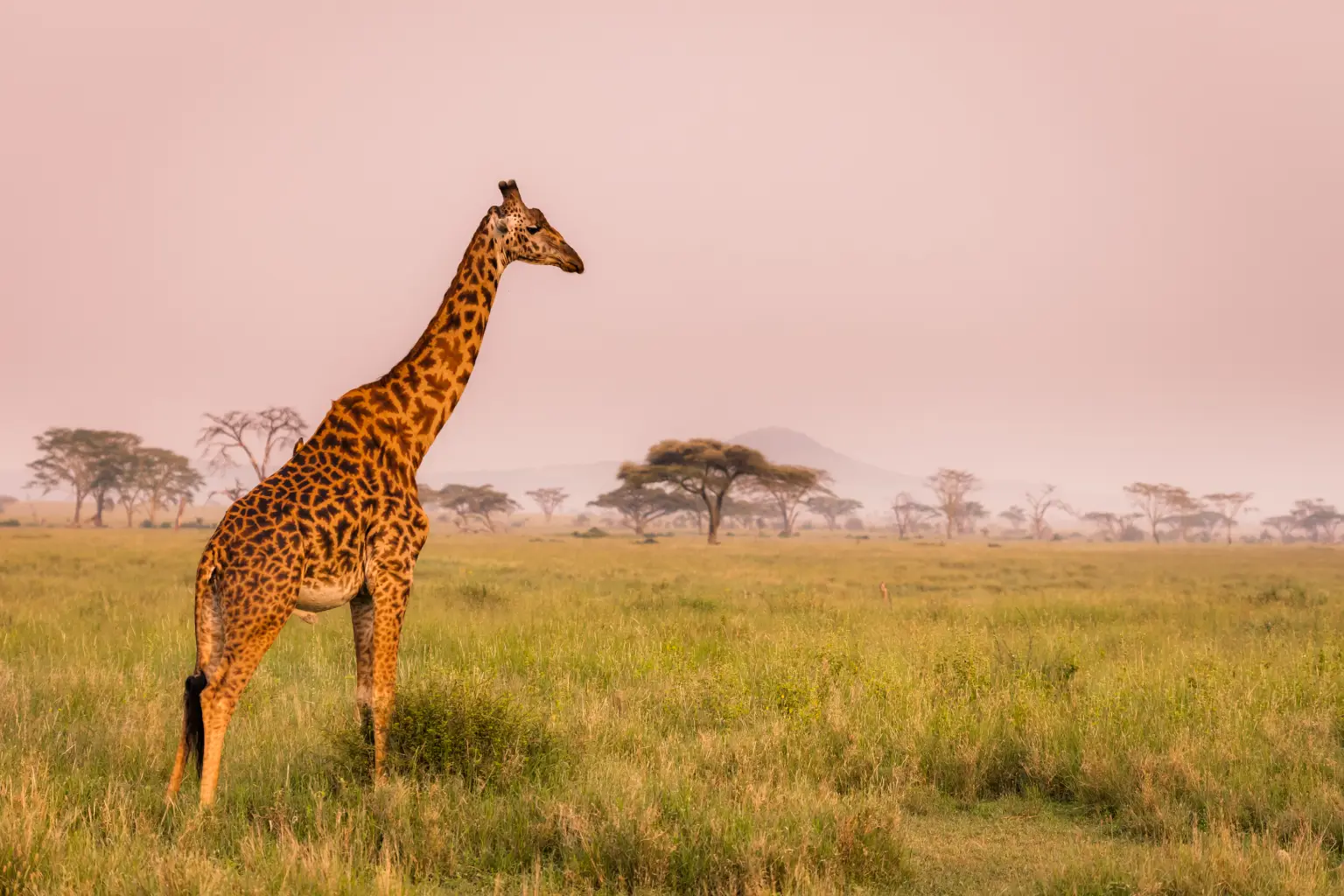
A lone giraffe standing across the open Serengeti plains in Tanzania, surrounded by golden grasslands and scattered acacia trees under a soft evening sky.
Is solo travel safe in Tanzania?
Yes, for many people it is. Solo travelers visit Tanzania all the time, including women traveling alone. The country has well-known tourist routes, guided experiences, and plenty of properties used to hosting independent guests.
Still, solo travel goes better when you stay practical. Book places with a good reputation. Use dependable transport. Do not share too much personal information with strangers. If something feels off, step away from it. You do not need to be dramatic about safety, but you do need to trust your judgment.
That is true almost everywhere.
Travel well and keep it simple
Tanzania gives people a lot. Wildlife, open land, mountain trails, local culture, long drives, early mornings, and those quiet camp hours that stay with you later. Most trips here are smooth because travelers plan well, use common sense, and move with the right people.
So if you are thinking about Tanzania Travel Safety, do not approach it with fear. Approach it with awareness. That is enough most of the time. Be careful in towns. Choose reliable transport. Pack the basics. Listen to your guides. Keep your valuables out of sight. Do the obvious things well.
That is usually what makes a trip feel safe. Not big speeches. Just smart habits, repeated quietly through the journey.
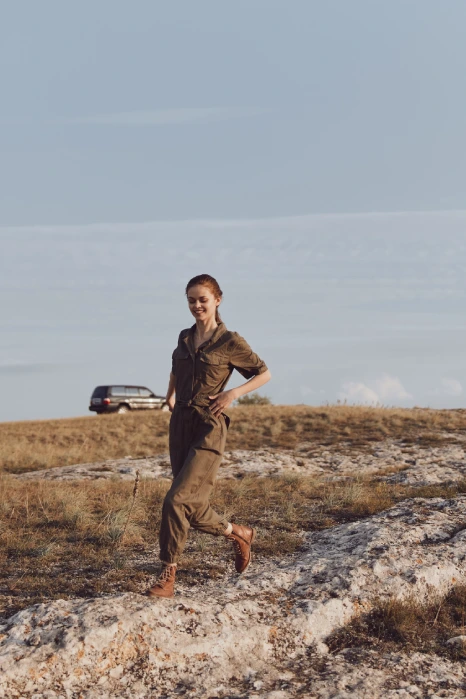
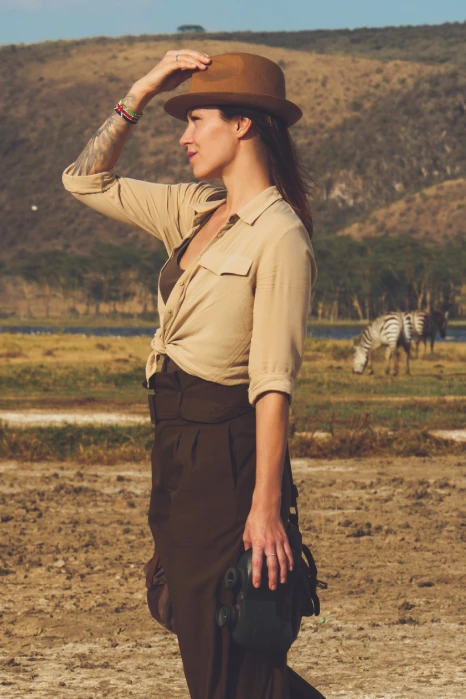
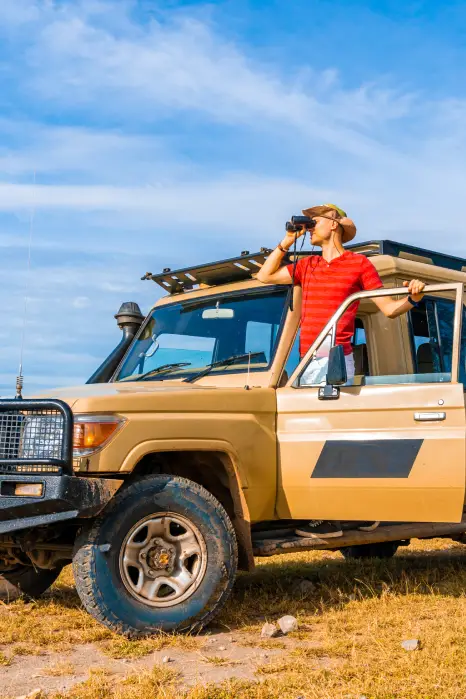
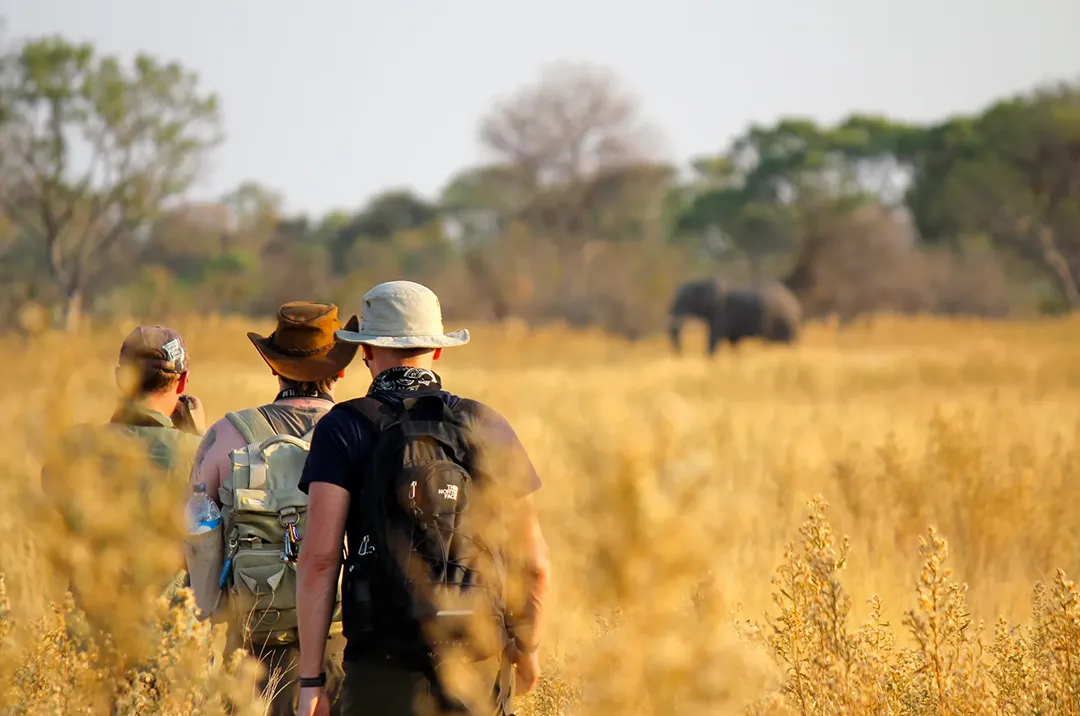
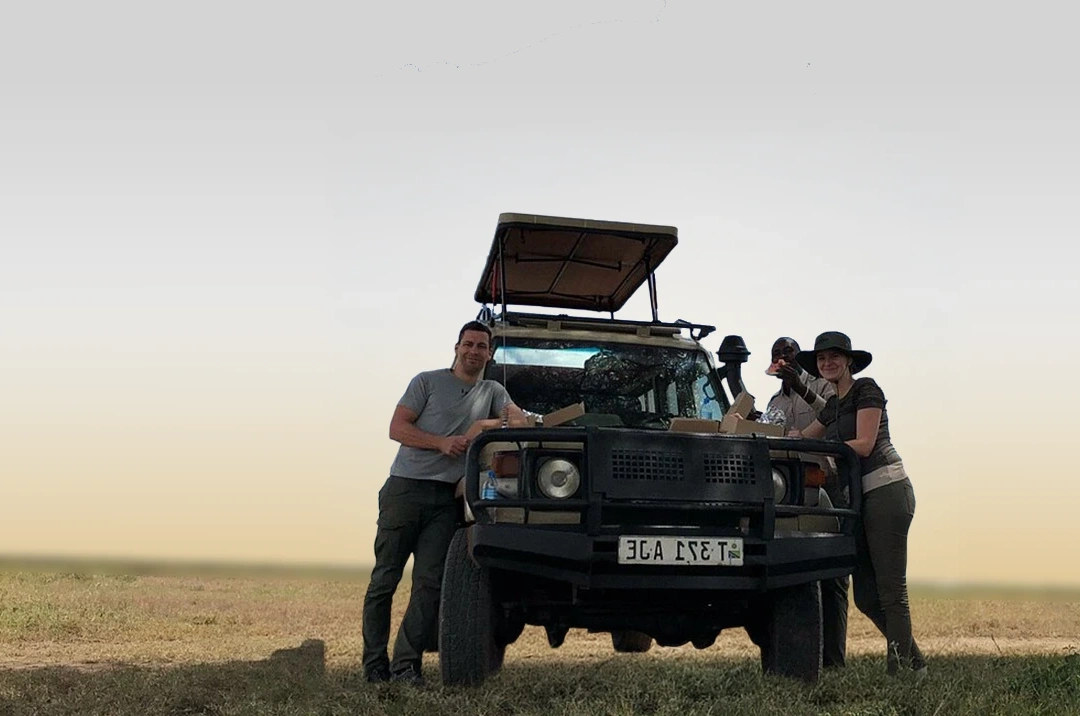
Three safari travelers exploring Tanzania’s wilderness, dressed in neutral safari clothing while enjoying wildlife viewing and open savannah landscapes during an African safari adventure.
Frequently Asked Questions
Yes, Tanzania is a safe destination. It is true especially in safari areas and well-known travel routes. Trips run smoothly. As a precautionary measure, you need to stay alert in busy towns and avoid careless movement at night.
As tourists, we generally advise against walking at night. Try to avoid walking in places where you do not feel well. You will find some streets that are poorly lit and quiet. Avoid those places. It’s better to use hotel-arranged transport or a trusted taxi for commuting.
Tanzania is really safe for solo travelers. This also applies to women who travel solo. Choose to travel with a good tour operator. Check the reviews for authenticity. Avoid sharing too much with strangers and stay aware of your surroundings.
Before going on a Tanzania safari tour, speak with your doctor about recommended vaccinations and medicines. A smart choice is to carry a small medical kit and drink bottled or filtered water. Also, eat freshly cooked food to avoid any stomach-related problems.
A good idea is to listen to your guide at all times. This will protect you most of the time. Stay inside safari vehicles during game drives unless told otherwise. Keep children close and avoid getting near animals. Your safari will reward you a lot if you follow all the rules.
Related Safari Experiences

Plan a Trip to Tanzania
We offer different tour types. You can also chat with a local travel specialist if you want a customized tour to Tanzania.


Recommended by

Tanzania Travel Essentials
Your Trusted Guide for Every Safari Detail
Our travel guide is made to save you time. It points you to the best time, cost, safety aspects, and activities, while sharing tips only locals know. Your dream Tanzania trip starts with the right information, and we’ve put it all together for you, so planning feels clearer, easier, and far less overwhelming from the very beginning.
Guestbook Moments
Real Stories from Safari Guests
A good safari often lives on through the words guests bring back. Here, Bestday Safaris travelers share notes on the people, pace, small comforts, wildlife moments, and honest care that became part of their journey. Their reviews help future travelers see beyond the itinerary and understand how each safari feels on the ground.
Excellent

4.9 out of 5
753 Reviews
Lorena T

We had an amazing experience with BestDays Safaris. Our driver Muro was very knowledgeable, took us away from crowds to spot animals and was an excellent guide. The camping accommodation that BestDay Safaris
Mar 2026
Alejandra Q
We just finished an incredible safari as our honeymoon on a private safari tour for us two with Best Day Safaris in Tanzania and the whole experience exceeded our expectations.During the trip we explored Tarangire...
Mar 2026

Gabriel R
Our safari in Tanzania was honestly better than we ever imagined, easily the best trip we’ve ever taken. We visited Tarangire National Park, the incredible Serengeti National Park, and the breathtaking and the breathtaking...
Mar 2026
Francesca C
Beautiful experience, absolutely to try! If you love nature and animals you can not miss this incredible journey with Best Day Safari! My father and I visited in 4 days the Tarangire park, the Serengeti (with...
Dec 2025

Michaela P
We planned our 5-day safari about 1 month before with Xenia. Communication with Xenia was straightforward, very friendly, very reliable and she gave us enough freedom and time to make decisions. The safari has...
Oct 2025

Chad
We had the most amazing safari experience with BestDay safari’s. From start to finish they were exceptional, Xenia planned the perfect 10 day safari and our guide Joseph was extremely kind, knowledgable and...
Jan 2026
Start planning your safari. Get matched with a local adventure specialist.
David
Jackson Mollel
 Stephen
 Faraj
Faraj
 Abel
Abel