

Can a Beginner Climb Kilimanjaro?
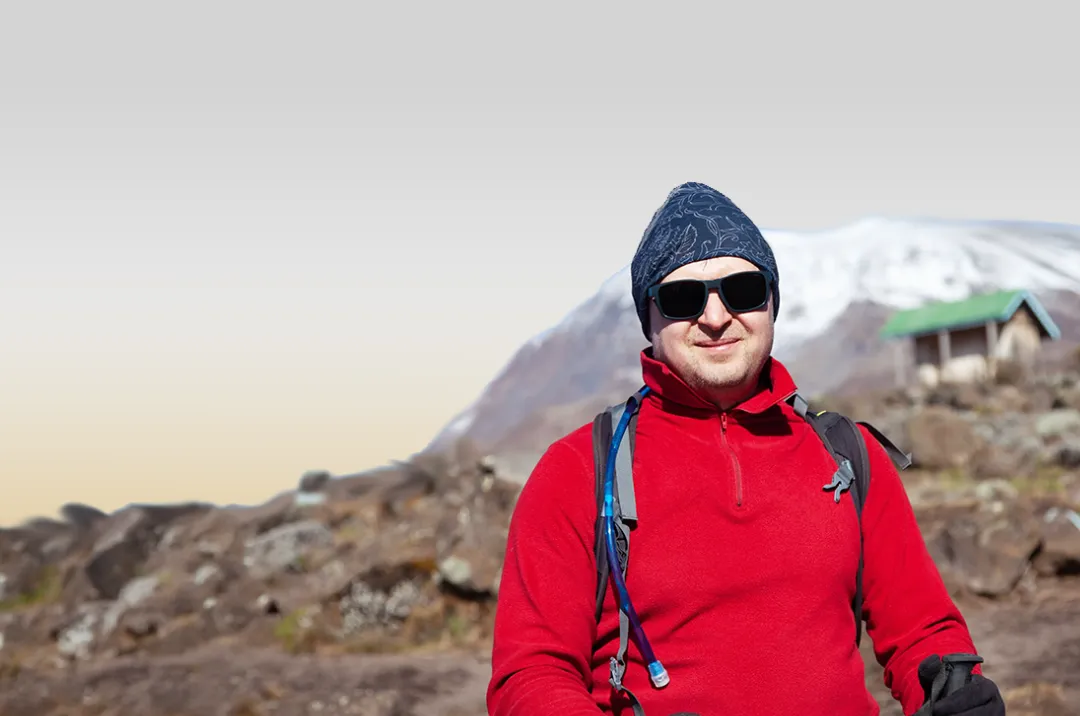
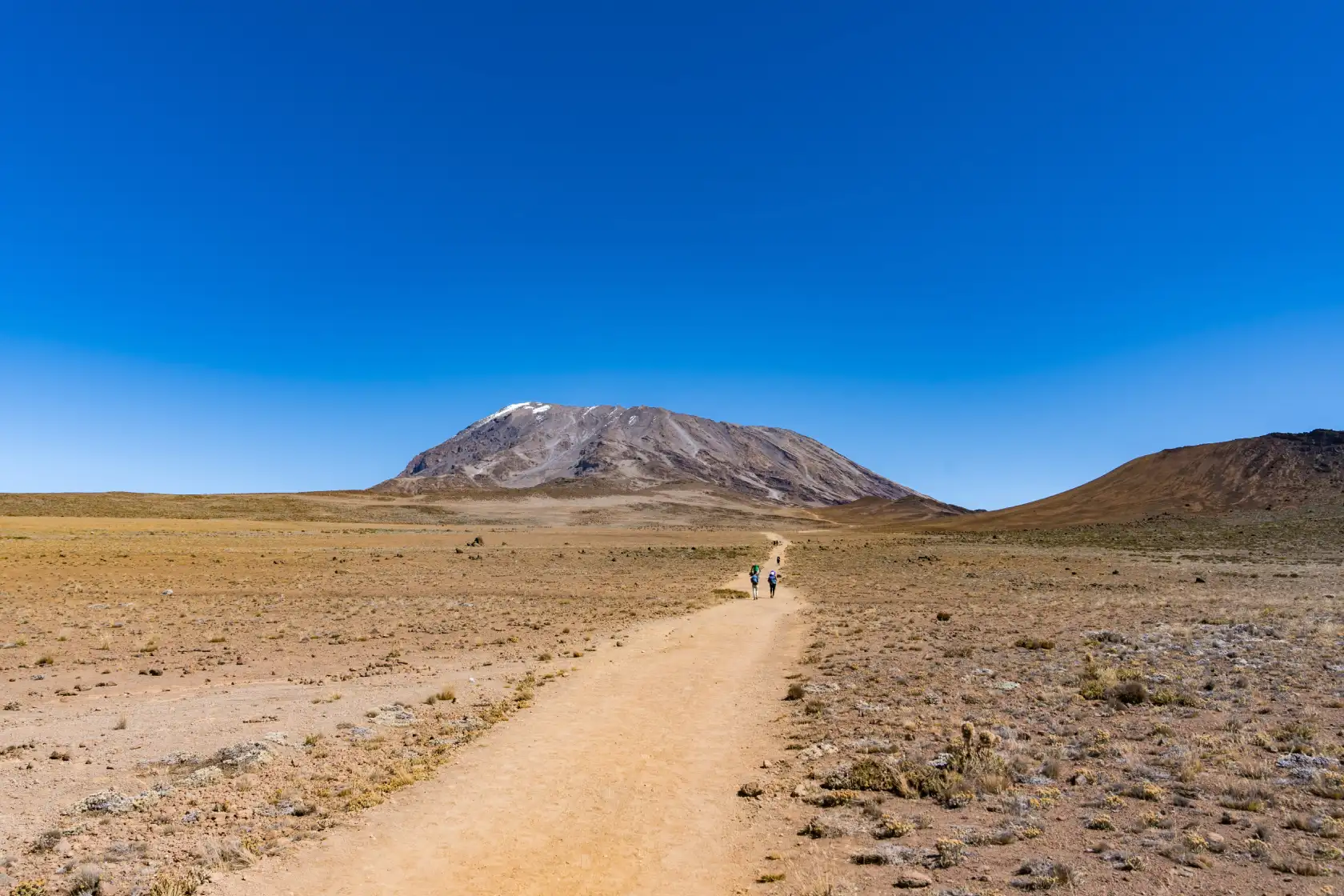
Yes, a beginner can climb Kilimanjaro. A lot of people assume you need serious trekking experience, but that usually isn't what decides it. The bigger issue is altitude. That is where the mountain starts to test you.
You do not need to be an expert hiker. But you do need time, patience, and a route that does not rush the climb. That is why a 7 or 8-day Kilimanjaro Climbing Package is often a better choice for first-timers. They give your body more time to adjust, and that matters more than people think.
And your guides matter too. A good Kilimanjaro Tour Operator will not just lead the way. They watch how you are feeling, set the pace, and help you climb safely. So yes, beginners can do Kilimanjaro. Just do it the smart way.
Which Kilimanjaro Itinerary Is Safest?
The safest Kilimanjaro itinerary is usually a 7 or 8-day climb. Not because it feels easier, but because your body gets more room to catch up with the mountain. And that matters more than many climbers expect. A slower climb with more days gives you a better chance to adjust to the altitude, sleep a little better, and keep going without pushing too hard too soon.
Why Longer Routes Help
- More days give your body extra time to adjust to altitude.
- A slower climb reduces strain and helps conserve energy.
- Better acclimatization lowers the risk of altitude sickness.
- Longer itineraries support steadier progress toward the summit.
- Extra time on the mountain allows more careful pace control.
What Drives the Cost
- Park fees are a major part of the total cost.
- Route length affects days, support, and overall pricing.
- Crew wages directly influence service quality and safety.
- Inclusions like meals and transfers raise package cost.
- Smaller groups often mean higher cost per climber.
What is the Cost to Climb Kilimanjaro?
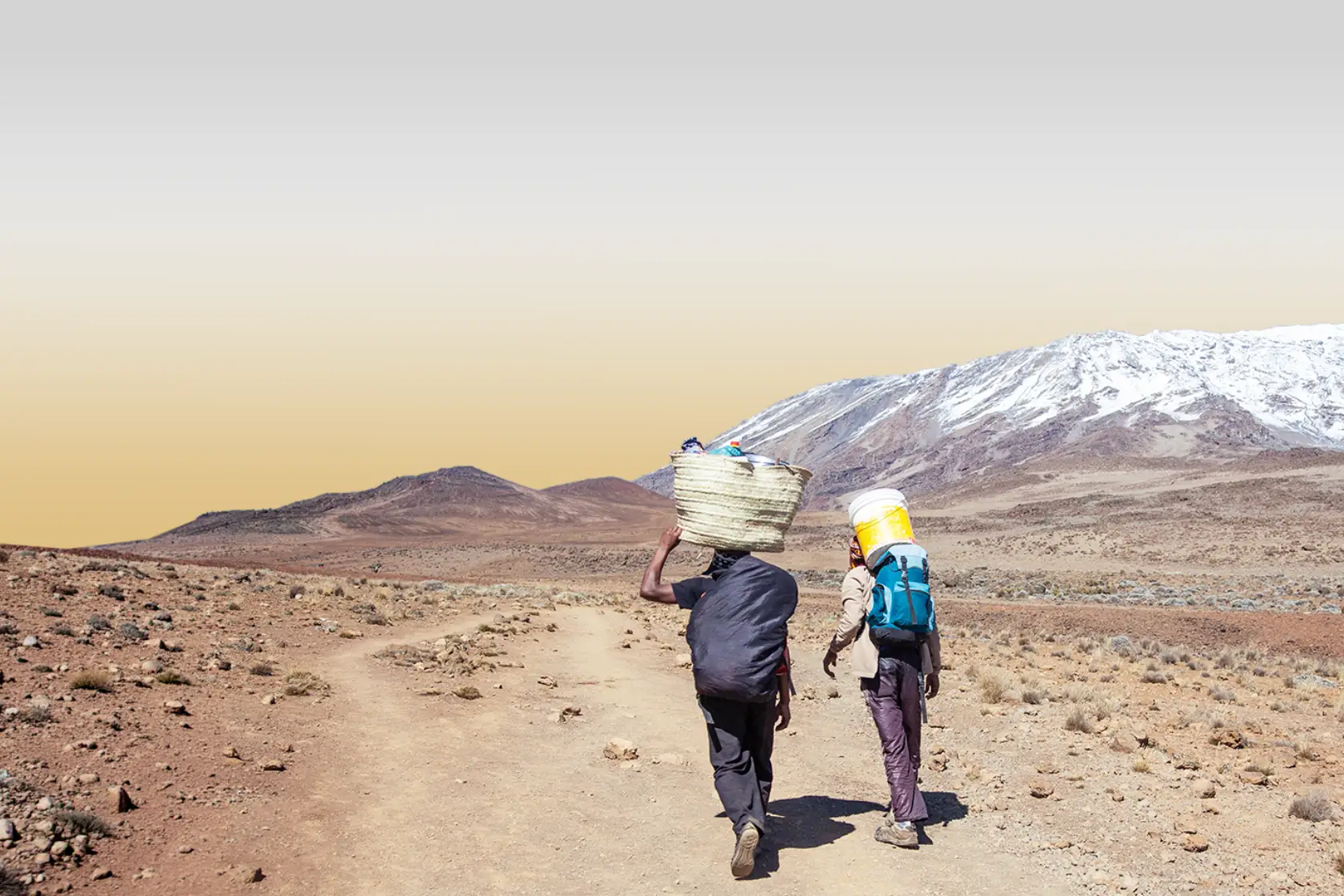
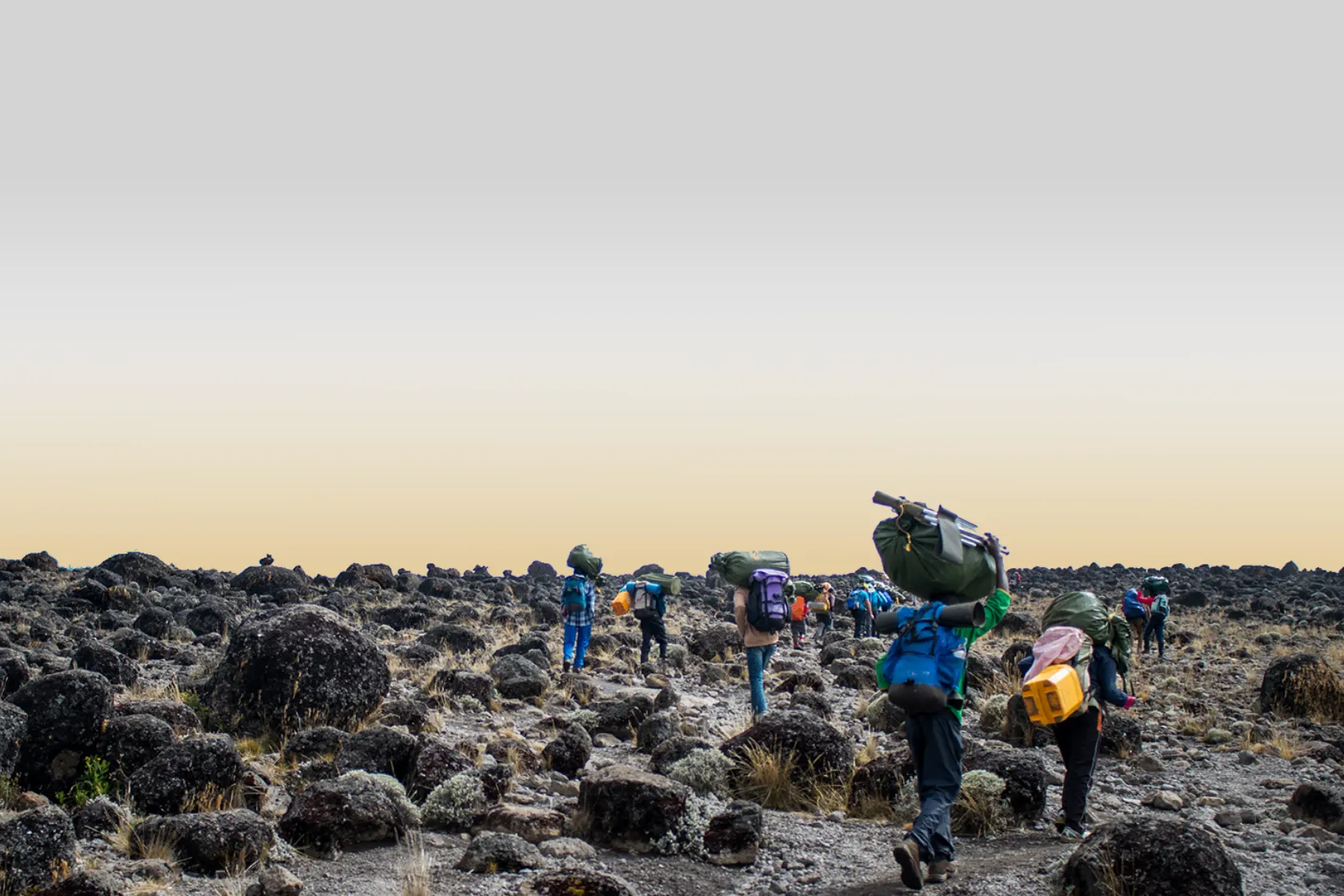
Kilimanjaro Climbing costs usually range between $2,000 and $6,000. A shorter climb or a discounted departure can sit at the lower end. A safer, more comfortable 7-day climb often costs around $3,040. When the price drops too low, something is usually being cut in the background. Too often, it is porter welfare, proper support, or basic safety on the mountain.