Volunteering in Tanzania
Volunteering in Tanzania offers one of the most meaningful and immersive travel experiences you can do on a safari. It combines cultural exchange, community development, wildlife conservation, and personal growth in a way few destinations in the world can match. Bestday Safaris is dedicated to disseminating information on volunteer work and volunteer-tours programs in Africa. We are also dedicated to organizing a wide range of volunteer work and internship-volunteering programs in Tanzania for individuals and groups of any size.
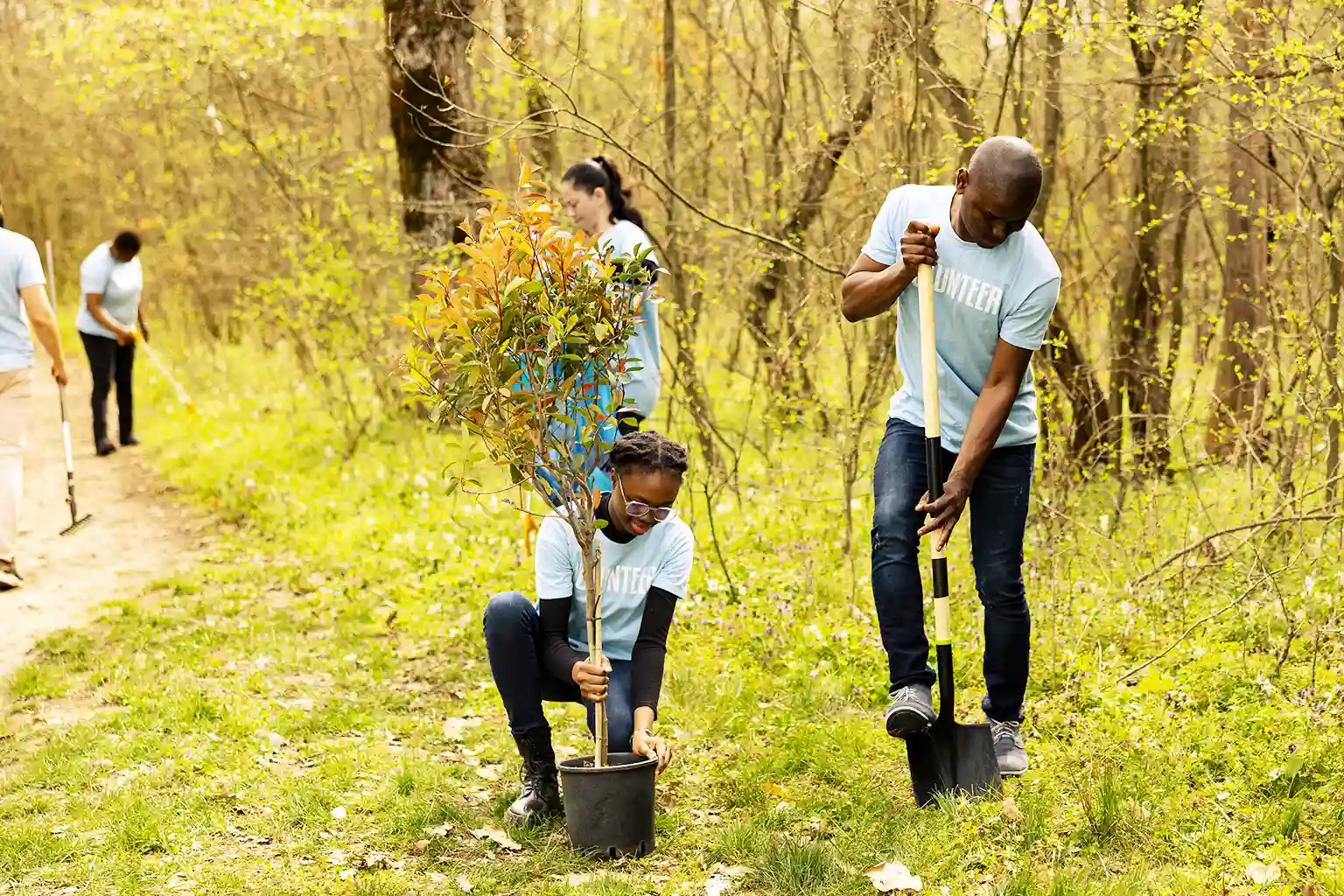
Lorem ipsum dolor sit amet consectetur adipisicing elit. Error molestiae cupiditate fuga, in officia laborum, saepe odit aspernatur doloribus esse ea commodi neque recusandae
A Complete Guide to Meaningful Impact, Culture, and Life-Changing Experiences
Tanzania is a country known for its breathtaking landscapes, including the world-famous Serengeti National Park, the majestic Mount Kilimanjaro, and the wildlife-rich Ngorongoro Crater. However, beyond its natural beauty lies a nation with diverse communities that continue to develop in areas such as education, healthcare, infrastructure, environmental conservation, and social welfare.
Volunteering in Tanzania allows international visitors to contribute directly to these communities while gaining deep insight into local culture and daily life. Unlike traditional tourism, volunteering creates a two-way exchange where both visitors and host communities’ benefit.
- 1. Why Volunteer In Tanzania?
- 2. Types Of Volunteering Opportunities In Tanzania
- 3. Daily Life Of Volunteers In Tanzania
- 4. Accommodation And Living Conditions For Volunteers In Tanzania
- 5. Requirements For Volunteering In Tanzania
- 6. Safety And Ethical Volunteering In Tanzania
- 7. Best Time To Volunteer In Tanzania
- 8. Volunteer + Safari Combined Itineraries In Tanzania
- 9. Frequently Asked Questions (FAQs) About Volunteering in Tanzania
For many volunteers, the experience becomes transformative. It is not just about giving help it is about learning, sharing, understanding, and building connections that last far beyond the journey itself.
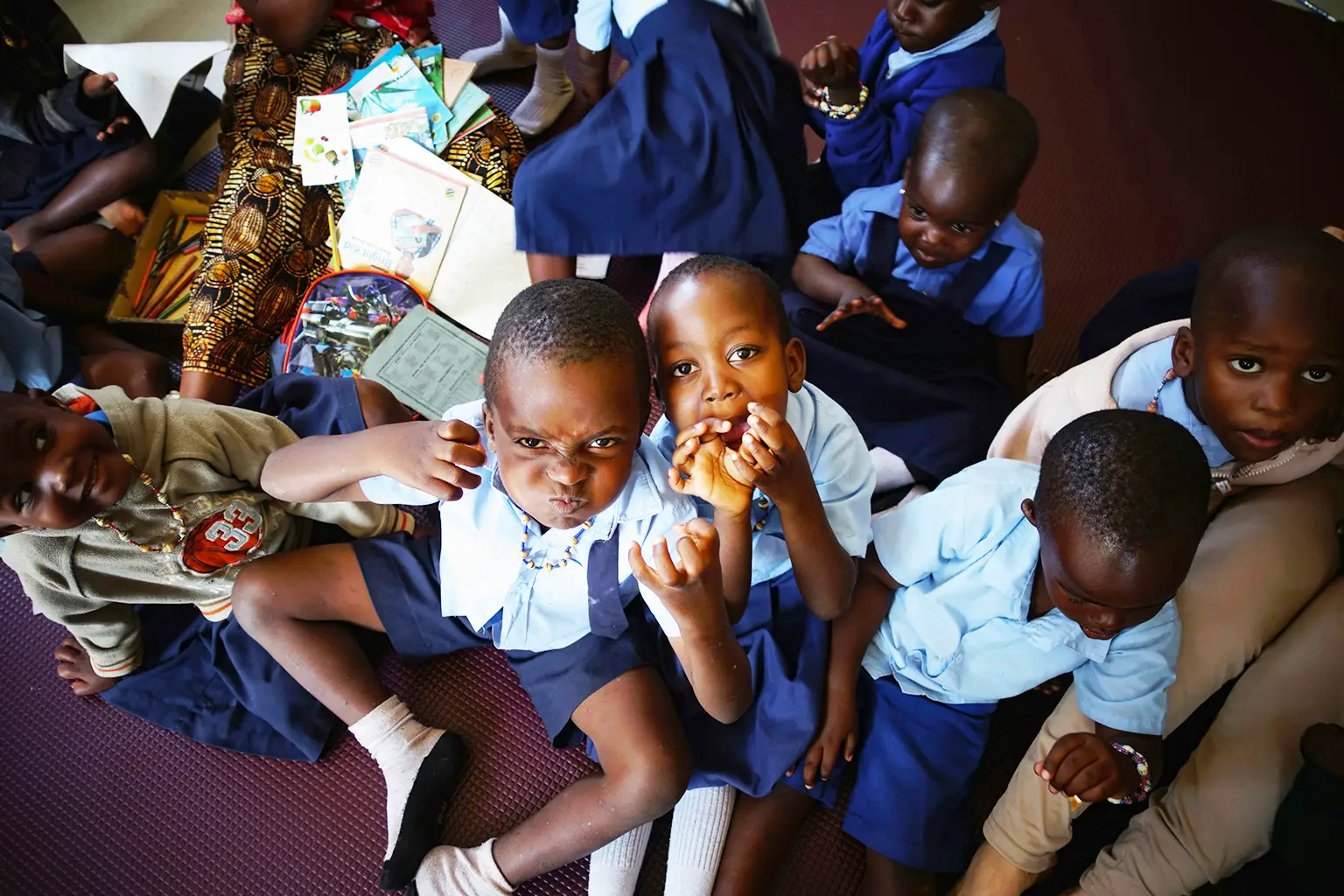
Lorem Ipsum is simply dummy text of the printing and typesetting industry. Lorem Ipsum has been the industry's standard dummy text ever since the 1500s, when an unknown printer
Why Volunteer In Tanzania?
There are many reasons why Tanzania has become one of the most popular volunteering destinations in Africa.
Cultural Immersion
Volunteering provides a rare opportunity to live and interact closely with local communities. Volunteers experience Tanzanian culture firsthand, including language, food, traditions, and daily routines.
- Learning basic Swahili phrases
- Sharing meals with host families
- Participating in community events
- Understanding traditional customs and values
This deep cultural immersion is something that cannot be achieved through regular tourism.
Meaningful Impact
Volunteers contribute directly to projects that make a real difference. These include:
- Teaching in local schools
- Supporting healthcare clinics
- Assisting orphanages
- Participating in environmental conservation
- Helping women’s empowerment initiatives
Even short-term volunteer work can have a lasting positive effect on communities.
Personal Growth
Volunteering in Tanzania challenges individuals in new and meaningful ways. It encourages:
- Adaptability
- Problem-solving skills
- Cross-cultural communication
- Emotional resilience
- Leadership development
Many volunteers describe their experience as life-changing, as it often reshapes their worldview.
Affordable Travel Experience
Compared to many global destinations, Tanzania offers relatively affordable volunteering programs. Costs often include accommodation, meals, project placement, and local support, making it accessible for students, gap-year travelers, and professionals.
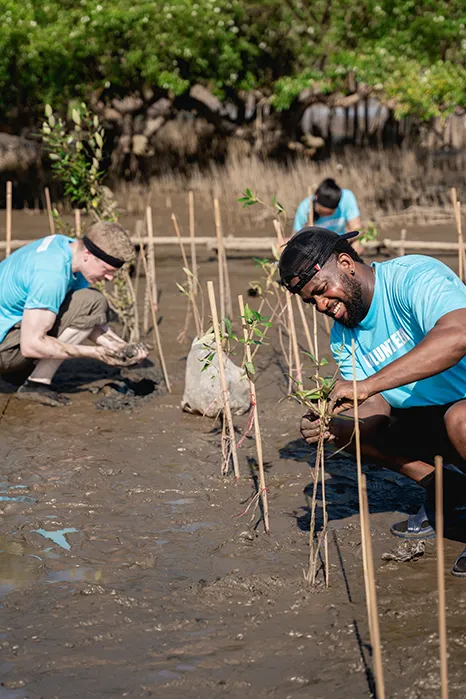
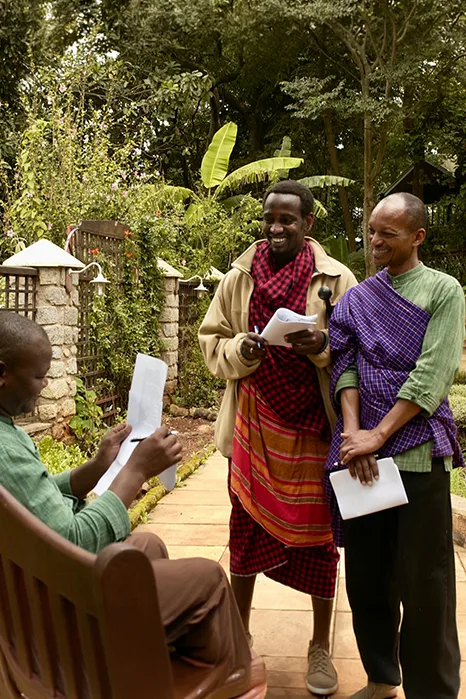
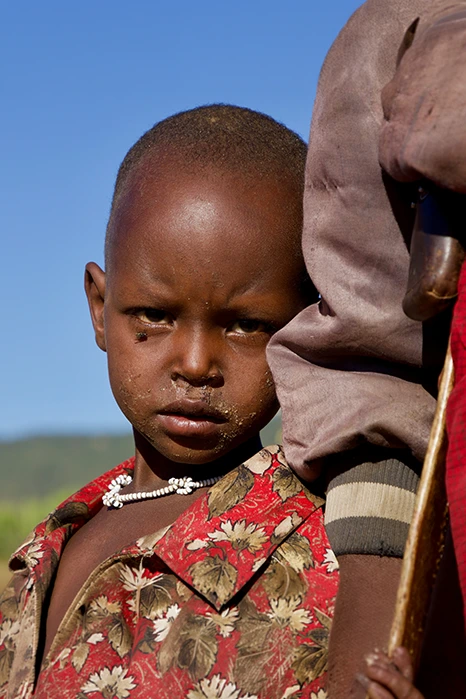
Lorem ipsum dolor sit amet. Qui eius minus est internos facere eum maxime veniam. Aut rerum sequi eos optio nemo sit dignissimos vitae est quasi doloribus.
Types Of Volunteering Opportunities In Tanzania
Tanzania offers a wide range of volunteer programs across different sectors. Each type of program contributes to a specific area of national development.
Teaching and Education Volunteering
Education is one of the most popular volunteer fields in Tanzania. Many schools, especially in rural areas, face challenges such as limited teaching staff, large class sizes, and lack of resources.
Volunteers in education programs may:
- Assist local teachers in classrooms
- Teach English, mathematics, or science
- Support early childhood education
- Conduct extracurricular activities
- Help improve school learning materials
Teaching volunteers do not always require formal teaching qualifications, although enthusiasm, patience, and communication skills are essential.
The impact of education volunteering is significant, as English proficiency and education access are key to future employment opportunities for Tanzanian youth.
Healthcare and Medical Volunteering
Healthcare volunteering is another important area in Tanzania. Volunteers may support hospitals, clinics, and rural health centers.
Activities may include:
- Assisting nurses and doctors
- Supporting patient care administration
- Helping with health awareness campaigns
- Participating in maternal health education
- Assisting in vaccination programs
Medical volunteers with professional qualifications may participate in more advanced clinical tasks, while non-medical volunteers often assist in support roles.
Healthcare volunteering provides valuable support in underserved areas where medical staff are limited.
Orphanage and Childcare Volunteering
Orphanage volunteering focuses on supporting vulnerable children who may have lost one or both parents or come from disadvantaged backgrounds.
Volunteers typically:
- Spend time playing with children
- Assist with meals and daily routines
- Support educational activities
- Provide emotional care and companionship
This type of volunteering is emotionally rewarding but also requires sensitivity and responsibility, as consistency and ethical engagement are very important.
Wildlife Conservation Volunteering
Tanzania is home to some of the most iconic wildlife ecosystems in the world. Conservation volunteering focuses on protecting these natural environments.
Volunteers may work in or near:
- Serengeti ecosystem
- Ngorongoro Conservation Area
- Tarangire National Park
- Coastal and marine environments
Activities include:
- Wildlife monitoring and data collection
- Anti-poaching awareness support
- Habitat restoration
- Research assistance
- Community conservation education
This type of volunteering is ideal for nature lovers, biology students, and environmental enthusiasts.
Community Development Volunteering
Community development programs focus on improving living conditions and infrastructure in rural areas.
Volunteers may assist with:
- Construction projects (schools, water systems)
- Women’s empowerment initiatives
- Microfinance and entrepreneurship training
- Sanitation and hygiene programs
- Agricultural development
These programs aim to support long-term sustainability and economic independence for local communities.
Environmental and Climate Action Volunteering
Environmental programs address issues such as deforestation, climate change, and sustainable resource use.
Volunteers may:
- Participate in tree planting campaigns
- Support recycling initiatives
- Educate communities about sustainability
- Assist in environmental research projects
These initiatives are increasingly important as Tanzania balances development with environmental conservation.
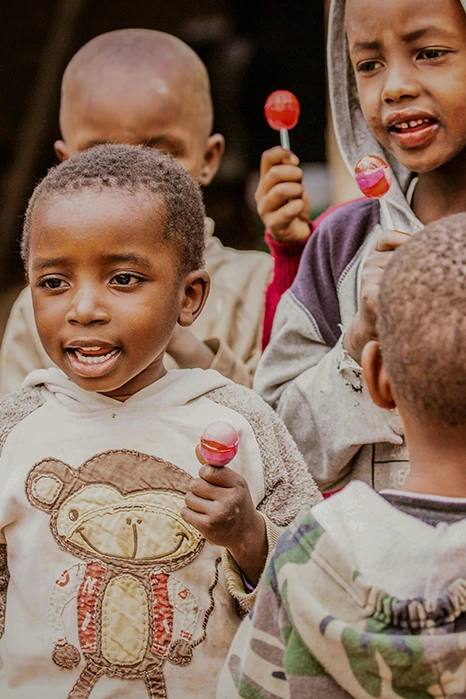
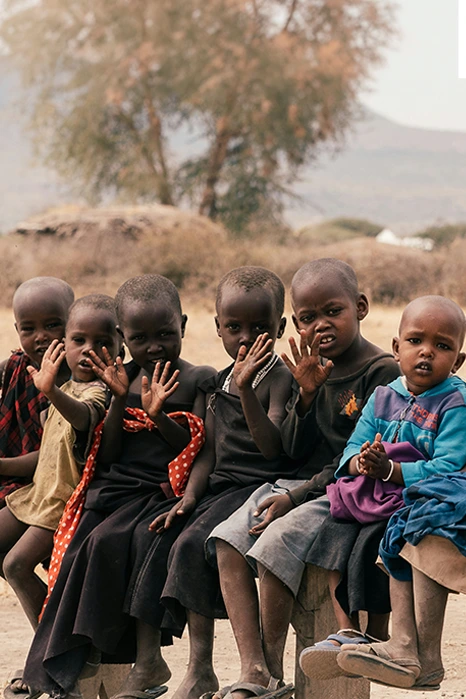
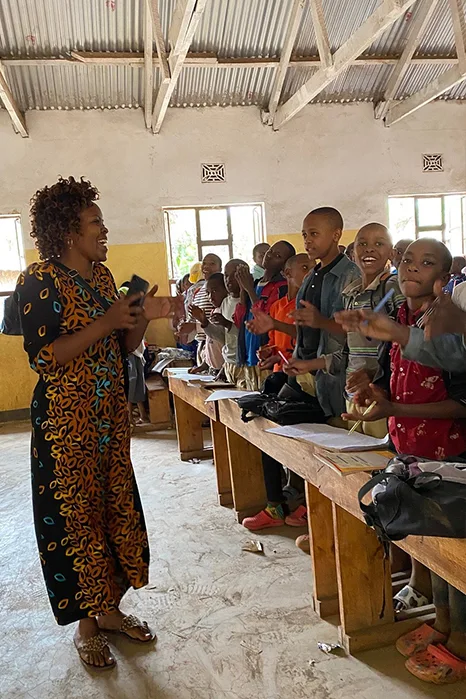
Lorem ipsum dolor sit amet. Qui eius minus est internos facere eum maxime veniam. Aut rerum sequi eos optio nemo sit dignissimos vitae est quasi doloribus.
Daily Life Of Volunteers In Tanzania
Daily life as a volunteer in Tanzania is a unique blend of structured contribution, cultural immersion, and personal exploration. While each program varies depending on the focus such as education, community development, healthcare, or conservation the overall rhythm of volunteer life follows a balanced and meaningful routine. Volunteers experience a lifestyle that is both purposeful and flexible, allowing time for impactful work as well as discovery of Tanzania’s rich culture and natural beauty.
Below is a detailed breakdown of what a typical volunteer experience looks like on a daily and weekly basis.
Morning Routine – Starting the Day in Tanzania
The day for most volunteers in Tanzania begins early, typically between 6:30 AM and 8:00 AM, reflecting the natural rhythm of local communities where mornings are active and productive.
Breakfast and Preparation
Breakfast and Preparation
- Fresh tropical fruits such as bananas, mangoes, and pineapple
- Tea or coffee (often locally grown in regions like Kilimanjaro)
- Bread, eggs, pancakes, or simple local dishes
- Light snacks depending on the program setting
This is also a time for volunteers to mentally prepare for the day, review schedules, and socialize with fellow participants.
Morning Briefings
Before heading to project sites, volunteers often attend a short briefing with local coordinators or program staff. These briefings may include:
- Daily task assignments
- Safety guidelines and updates
- Cultural reminders and etiquette advice
- Transportation arrangements
- Project goals and expected outcomes
This ensures that all volunteers are well-prepared, aligned with the community needs, and fully aware of their responsibilities.
Travel to Project Sites
Depending on the location, volunteers may travel:
- On foot (for nearby projects)
- By shared van or safari-style vehicle
- By public transport or motorbike taxis (in some areas)
Travel time can range from 10 minutes to over an hour, especially for rural placements.
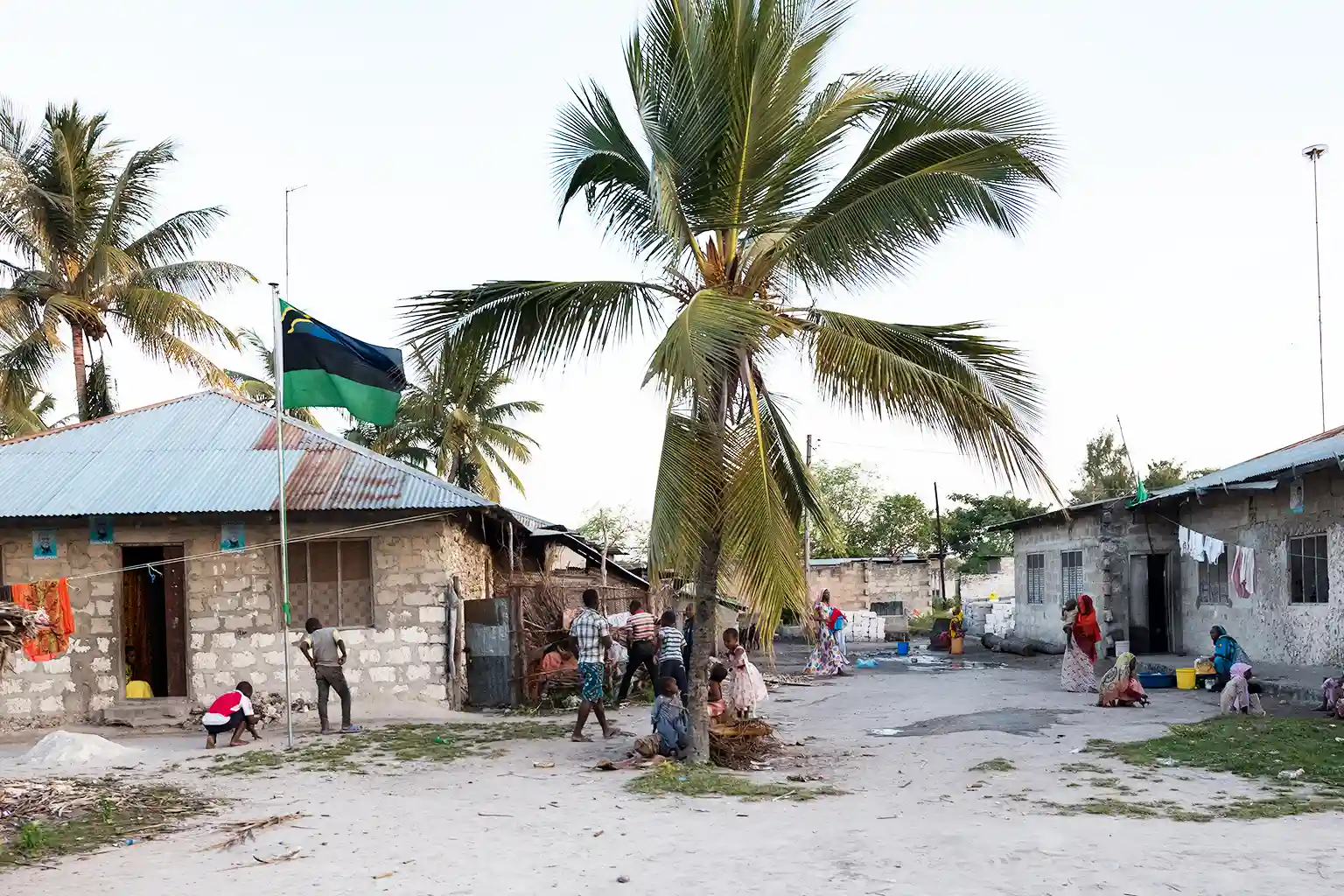
During travel, volunteers often experience daily Tanzanian life firsthand—passing through villages, farms, schools, and local markets.
Lorem Ipsum is simply dummy text of the printing and typesetting industry. Lorem Ipsum has been the industry's standard dummy text ever since the 1500s, when an unknown printer
Work Hours – Meaningful and Hands-On Engagement
Volunteer work in Tanzania is generally structured but not overly rigid. Most activities run for approximately 4 to 6 hours per day, allowing a healthy balance between contribution and rest.
Nature of Work
Volunteer tasks are typically practical, interactive, and community-focused. Depending on the placement, activities may include:
Education Projects
- Assisting teachers in classroom instruction
- Supporting English language learning
- Helping with mathematics or reading exercises
- Organizing games and educational activities
- Supporting early childhood development
Healthcare Projects
- Assisting in patient registration and basic care support
- Health education campaigns (hygiene, nutrition, disease prevention)
- Supporting clinic administration
- Community health outreach programs
Community Development Projects
- Supporting construction or renovation of schools and community buildings
- Participating in clean water and sanitation initiatives
- Assisting women’s empowerment workshops
- Supporting agricultural or gardening projects
Conservation Projects
- Environmental education in schools
- Tree planting activities
- Wildlife and habitat monitoring support
- Community awareness campaigns on conservation
Work Environment
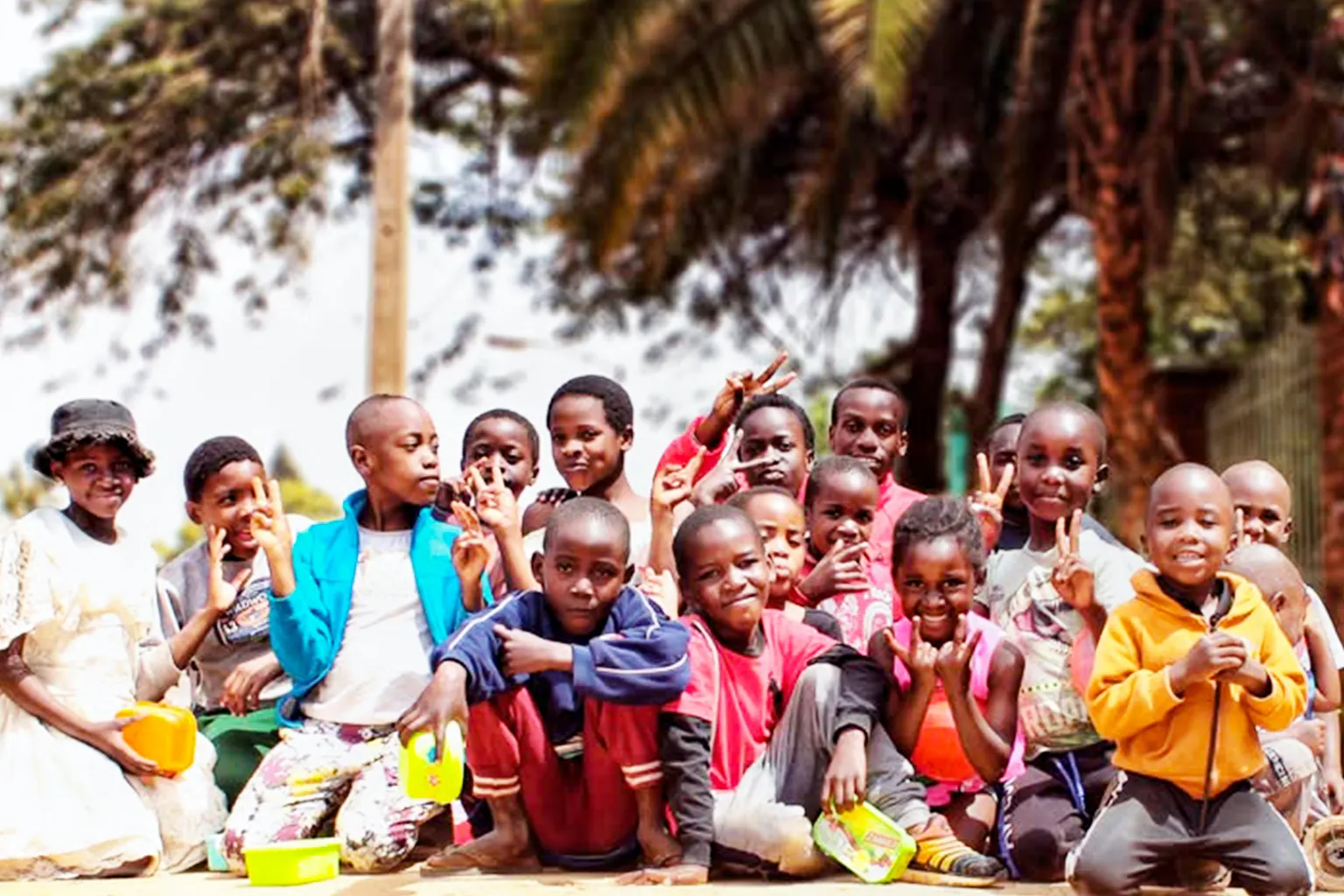
Work environments are usually informal but highly engaging. Volunteers work closely with local staff and community members, creating strong interpersonal connections and cultural exchange opportunities.
Lorem Ipsum is simply dummy text of the printing and typesetting industry. Lorem Ipsum has been the industry's standard dummy text ever since the 1500s, when an unknown printer
Afternoon and Free Time – Exploration and Cultural Experience
After completing morning and midday activities, volunteers usually enjoy a relaxed and flexible afternoon period.
Rest and Recovery
Due to warm weather and active mornings, many volunteers use afternoons to:
- Rest at accommodation
- Hydrate and recover energy
- Journal or reflect on the day’s experience
Cultural Exploration
Afternoons are also a great opportunity to explore Tanzanian culture more deeply. Volunteers often:
- Visit local markets in Arusha or Moshi
- Explore small shops and artisan crafts
- Interact with local residents in nearby communities
- Learn traditional cooking or cultural practices
Swahili Language Learning
Many volunteers take time to learn basic Swahili phrases such as:
- “Jambo” (Hello)
- “Asante” (Thank you)
- “Karibu” (Welcome)
- “Habari?” (How are you?)
Learning the local language enhances communication and deepens cultural connection.
Social Interaction
Evenings and afternoons often include time with other volunteers:
- Sharing meals together
- Group discussions and reflections
- Cultural exchange activities
- Planning weekend trips or safaris
This creates a strong sense of community among international volunteers.
Lorem Ipsum is simply dummy text of the printing and typesetting industry. Lorem Ipsum has been the industry's standard dummy text ever since the 1500s, when an unknown printer
Weekends – Adventure, Safari, and Travel Exploration
Weekends in Tanzania are one of the most exciting aspects of volunteering life. Since most programs operate Monday to Friday, weekends are typically free for personal travel and exploration.
Volunteers often use this time to experience Tanzania’s world-famous attractions.
Safari Adventures
One of the most popular weekend activities is a wildlife safari.
Serengeti National Park
- Witness the Great Migration (seasonal)
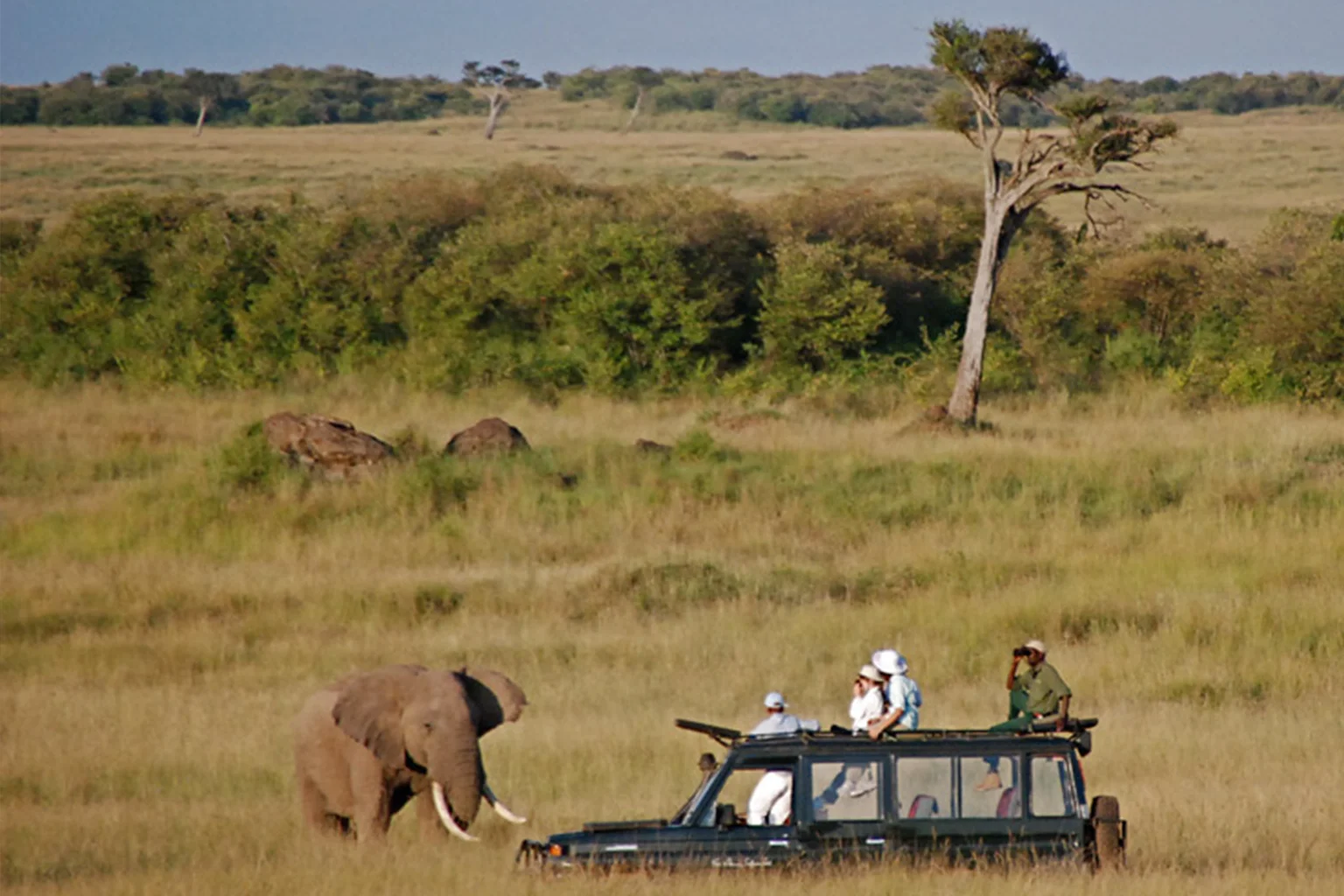
- See lions, cheetahs, elephants, giraffes, and zebras
- Experience sunrise and sunset game drives
- Stay in tented camps or lodges
Ngorongoro Crater
- UNESCO World Heritage Site
- One of the highest wildlife densities in Africa
- Opportunity to see the Big Five in one location
Tarangire National Park
- Famous for large elephant herds
- Iconic baobab trees
- Less crowded, peaceful safari experience
Mountain Hiking Adventures
For active and adventurous volunteers, Tanzania offers world-class trekking:
Mount Kilimanjaro
- Highest mountain in Africa (5,895m)
- Multi-day trekking experience
- Diverse ecological zones from rainforest to arctic summit
Mount Meru
- Less crowded alternative to Kilimanjaro
- Stunning views of Arusha National Park
- Ideal for shorter hikes (3–4 days)
Zanzibar Beach Escape
Many volunteers choose to unwind on the coast:
- White sandy beaches and turquoise waters
- Snorkeling and diving experiences
- Historical Stone Town exploration
- Relaxation after volunteer work
Nature and Cultural Excursions
Other weekend options include:
- Waterfall hikes (Materuni, Marangu)
- Coffee plantation tours
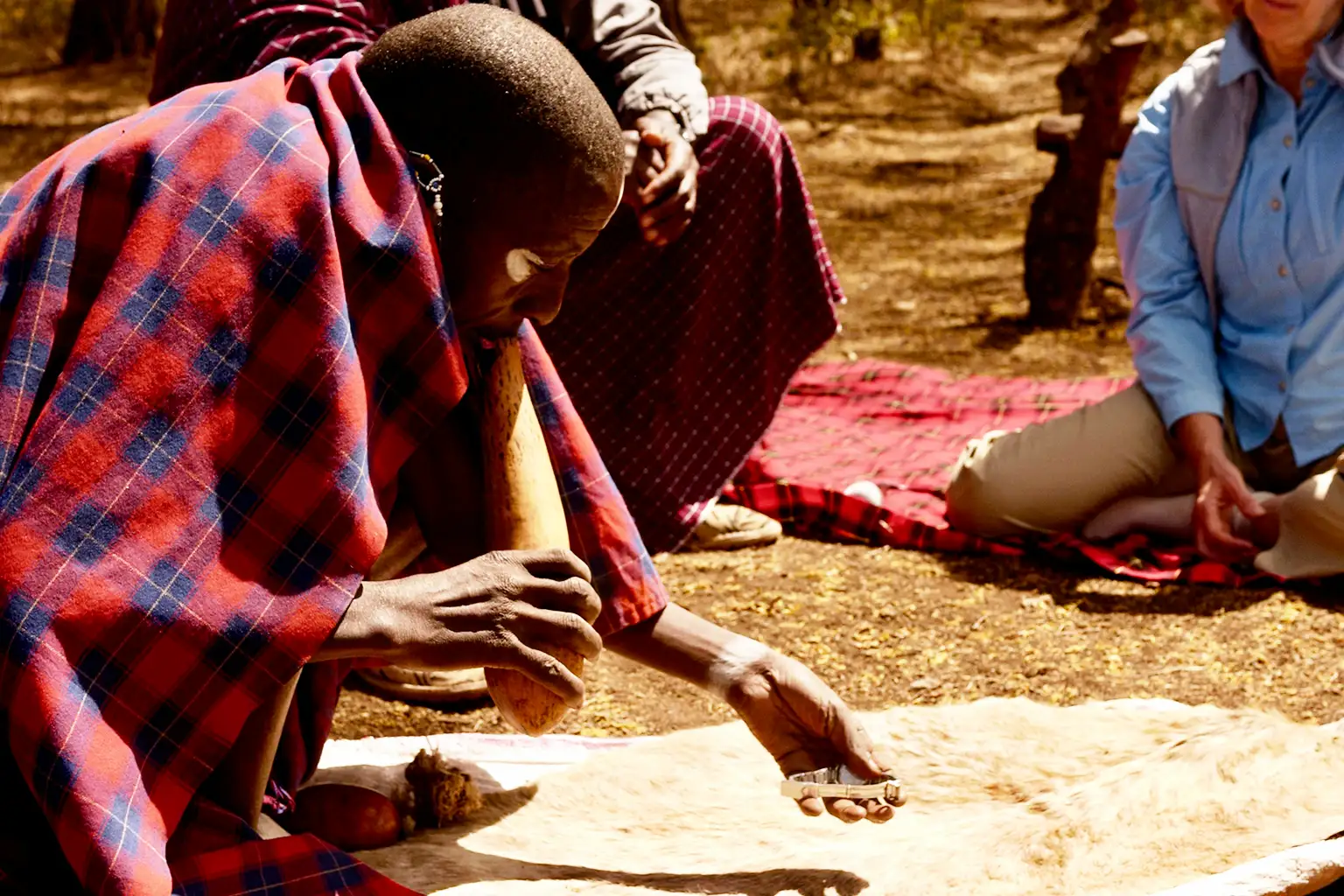
- Maasai village cultural visits
- Lake Manyara and local wildlife tours
Lorem Ipsum is simply dummy text of the printing and typesetting industry. Lorem Ipsum has been the industry's standard dummy text ever since the 1500s, when an unknown printer
Accommodation And Living Conditions For Volunteers In Tanzania
Accommodation is a central part of the volunteer experience in Tanzania, shaping not only comfort levels but also cultural immersion, social interaction, and overall satisfaction. While standards vary depending on the type of program, location, and budget, most volunteer accommodations are designed to be safe, practical, and culturally engaging rather than luxurious.
Volunteers should expect a balance between comfort and authenticity, with options ranging from shared volunteer houses to local family homestays and more basic rural setups.
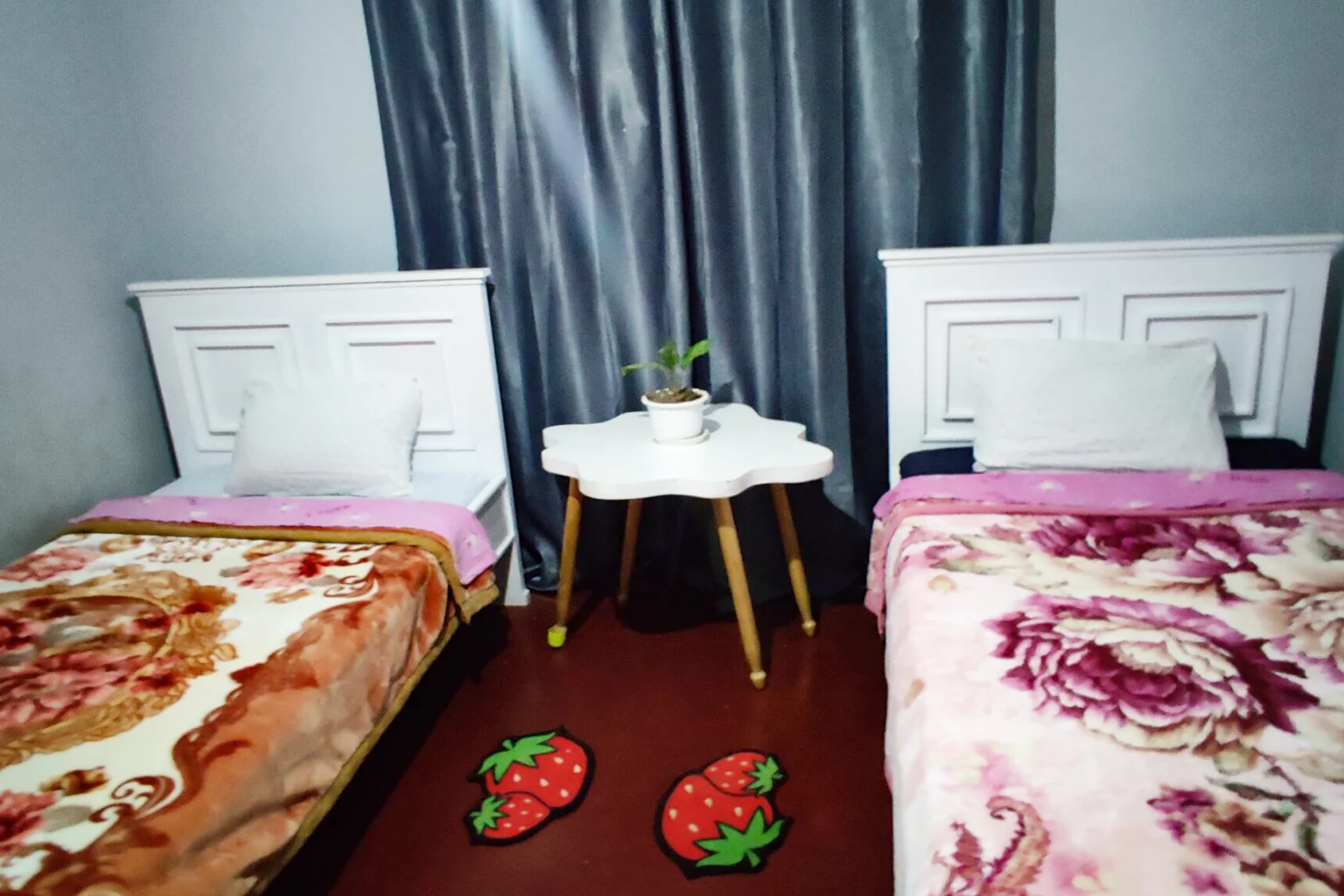
Lorem Ipsum is simply dummy text of the printing and typesetting industry. Lorem Ipsum has been the industry's standard dummy text ever since the 1500s, when an unknown printer
Volunteer Houses (Most Common Option)
Volunteer houses are the most widely used form of accommodation, especially in urban and semi-urban areas such as Arusha and Moshi. These are shared living spaces specifically organized for international volunteers.
Structure and Setup
Volunteer houses typically offer:
- Shared bedrooms (usually 2–6 people per room depending on capacity)
- Single rooms available at an additional cost (in some programs)
- Communal bathrooms with basic amenities (showers and toilets)
- Dining area or common room for meals and social interaction
- Outdoor spaces such as gardens or courtyards in some locations
The setup encourages a social environment where volunteers from different countries can interact, share experiences, and build friendships.
Facilities and Amenities
While not luxurious, volunteer houses are generally comfortable and functional.
Typical facilities include:
- Beds with mosquito nets
- Basic furniture (wardrobe or storage space)
- Electricity (though occasional outages may occur)
- Wi-Fi access, though often limited or slower compared to Western standards
- Charging points for phones and cameras
- Clean drinking water (filtered or bottled)
Laundry may be:
- Done manually on-site
- Provided at an extra cost
- Or arranged through local services
Meals and Catering
Most volunteer houses provide 2–3 meals per day, often prepared by local staff.
Meals may include:
- Rice, vegetables, beans, and local stews
- Chapati (local flatbread)
- Fresh fruits
- Occasionally Western-style meals (pasta, eggs, pancakes)
Dietary requirements (vegetarian, vegan, etc.) are often accommodated with prior notice.
Social Environment
One of the biggest advantages of volunteer houses is the strong sense of community:
- Shared meals create bonding opportunities
- Evening discussions and group activities are common
- Volunteers often plan weekend trips together (safaris, hiking, etc.)
This environment is ideal for first-time travelers or solo volunteers.
Host Family Accommodation (Homestay Experience)
For volunteers seeking a deeper cultural connection, some programs offer the option to stay with local Tanzanian families.
Cultural Immersion
Living with a host family provides:
- Daily exposure to Tanzanian customs and traditions
- Authentic insight into local lifestyles
- Opportunities to learn Swahili language in a natural setting
- Participation in family routines and social life
This is one of the most immersive ways to experience Tanzania beyond a typical visitor perspective.
Living Arrangements
Host family accommodation typically includes:
- A private or shared room within the family home
- Access to shared bathroom facilities
- Simple but comfortable furnishings
- Basic household amenities
Standards vary depending on the family and location, but hosts are carefully selected by organizations to ensure safety and hospitality.
Meals and Daily Life
Volunteers are usually provided with home-cooked meals, which may include:
- Ugali (maize-based staple food)
- Rice and beans
- Vegetables and meat dishes
- Local tea and snacks
Meal times are an important part of daily interaction, offering opportunities to engage with the family and learn about Tanzanian culture.
Benefits of Homestay
- Strong cultural exchange experience
- Personalized attention and care
- Greater understanding of daily Tanzanian life
- Opportunity to build lasting relationships
Considerations
- Less privacy compared to volunteer houses
- Cultural differences in lifestyle and routines
- Simpler living conditions
However, for many volunteers, this becomes the most rewarding part of their experience.
Rural Accommodation (Authentic Village Experience)
Volunteers placed in rural or remote areas experience a more basic and traditional style of living.
Living Conditions
Rural accommodations are typically simpler and may include:
- Basic housing structures (brick or mud houses)
- Shared or outdoor bathroom facilities
- Limited furniture and amenities
- Minimal or no internet access
This type of accommodation reflects real village life in Tanzania.
Utilities and Infrastructure
Volunteers should be prepared for:
- Limited or no electricity (solar power may be used)
- Irregular running water (water may be fetched manually)
- Use of pit latrines in some areas
- Basic lighting (torches or solar lamps recommended)
Daily Lifestyle
Living in rural areas often involves:
- Early morning routines aligned with village life
- Close interaction with local communities
- Participation in daily activities such as farming or water collection
- Greater exposure to traditional practices
Advantages of Rural Placement
- Authentic cultural immersion
- Unique and meaningful life experience
- Strong connection with local communities
- Opportunity to contribute where support is most needed
Challenges to Expect
- Reduced comfort compared to urban accommodation
- Limited access to modern facilities
- Adjustment period required for lifestyle differences
However, many volunteers find this experience deeply rewarding and transformative.
Requirements For Volunteering In Tanzania
Volunteering in Tanzania is designed to be accessible to a wide range of international participants while still maintaining safety, structure, and program quality. Whether you are joining education, childcare, community development, environmental conservation, or medical support programs, there are several important requirements that ensure volunteers are well-prepared, legally compliant, and able to contribute meaningfully.
Below is a comprehensive breakdown of the key requirements for volunteering in Tanzania.
Minimum Age Requirement
Most volunteer programs in Tanzania have a minimum age requirement to ensure maturity and safety in community-based environments.
- General volunteering programs: Minimum age is typically 16–18 years and above
- Volunteers under 18 years old: Usually required to be accompanied by a parent, guardian, or group leader
- University / gap-year volunteers: Most commonly aged 18–35 years
- Professional volunteers (medical, teaching, technical fields): Usually 21+ depending on responsibility level
Some organizations may accept younger participants under structured youth or school programs, but these are carefully supervised and regulated.
Valid Passport Requirements
A valid passport is mandatory for all international volunteers entering Tanzania.
Key passport conditions include:
- Must be valid for at least 6 months beyond the date of entry
- Must have sufficient blank pages (at least 2–3 pages recommended)
- Must be issued by a recognized national authority
- Damaged or expired passports will result in entry denial at immigration
It is strongly recommended to check passport validity well before travel to avoid last-minute complications.
Visa Requirements (Tourist or Volunteer Visa)
All international volunteers must obtain a legal entry visa to Tanzania.
Common visa options include:
Tourist Visa (Most Common for Volunteers)
- Suitable for short-term volunteer placements
- Typically valid for 30–90 days depending on issuance
- Can often be obtained on arrival or via online application (eVisa system)
Volunteer / Special Pass (Program-Dependent)
- Required for certain long-term or structured volunteer programs
- Sometimes arranged through host organizations or NGOs
- May involve additional documentation or approval from immigration authorities
Important Notes:
- Immigration regulations may change, so applicants must confirm requirements before travel
- Overstaying a visa can result in penalties or travel restrictions
Basic English Communication Skills
English is widely used in volunteer coordination, especially with international participants and program supervisors.
Volunteers are expected to have:
- Basic conversational English ability
- Ability to understand instructions and safety guidelines
- Capacity to communicate with local staff and project coordinators
- Willingness to learn simple Swahili phrases for daily interaction
While fluency is not always required, communication is essential for effective participation in community and group-based activities.
Open-Minded Attitude and Cultural Adaptability
One of the most important requirements for volunteering in Tanzania is the right mindset.
Volunteers should demonstrate:
- Respect for local traditions, customs, and cultural practices
- Willingness to adapt to different living conditions
- Flexibility in daily schedules and program activities
- Patience when working in environments that may be less structured than Western systems
- Positive attitude toward teamwork and community engagement
Tanzania is culturally rich and diverse, and successful volunteering depends heavily on mutual respect and understanding.
Physical and Mental Readiness
Although not always formally stated, volunteers should be prepared for:
- Moderate physical activity (walking, teaching, construction, farming, etc.)
- Hot tropical climate conditions in some regions
- Rural environments with limited infrastructure in certain placements
- Long travel times between locations in some programs
Mental readiness is equally important, especially for volunteers working in childcare, healthcare support, or vulnerable community settings.
Health and Vaccination Requirements
While requirements may vary depending on country of origin, it is generally recommended that volunteers:
- Are vaccinated against Yellow Fever (mandatory if arriving from risk countries)
- Consider vaccines for Hepatitis A & B, Typhoid, Tetanus
- Carry basic medical insurance covering international travel
- Bring personal medication if needed (with prescriptions where applicable)
Malaria prevention is also strongly advised in many regions of Tanzania.
Financial Readiness (Program Fees & Living Costs)
Most structured volunteer programs in Tanzania include associated costs that support accommodation, meals, supervision, and project operations.
Volunteers should be prepared for:
- Program contribution fees (varies by duration and type of placement)
- Accommodation and meals (often included in organized programs)
- Local transportation and personal expenses
- Weekend travel or safari add-ons (optional but common)
While volunteering is not a profit-based activity, it contributes to sustaining local community projects and operational support.
Travel Insurance (Strongly Recommended)
Although not always mandatory, comprehensive travel insurance is highly recommended.
A good policy should cover:
- Medical emergencies and hospitalization
- Trip cancellation or delays
- Lost luggage or personal belongings
- Emergency evacuation (important for remote areas)
This ensures peace of mind throughout the volunteer experience.
Program-Specific Qualifications (Specialized Volunteering)
Certain volunteer programs require additional qualifications or experience.
Medical Volunteering
May require:
- Medical or nursing background (students or professionals)
- Proof of qualification or enrollment
- Clinical experience (for advanced placements)
Teaching Volunteering
Preferred:
- Basic teaching experience or education background
- English proficiency
- Patience and communication skills with children
Wildlife / Conservation Volunteering
Preferred:
- Interest in ecology, biology, or environmental science
- Physical fitness for fieldwork
- Willingness to work in remote environments
Safety And Ethical Volunteering In Tanzania
Safety and ethics are two of the most important pillars of a successful volunteering experience in Tanzania. While the country is generally considered safe for international volunteers, responsible preparation, awareness, and working with reputable organizations are essential to ensure both personal security and meaningful community impact.
A well-structured volunteer program should not only protect participants but also ensure that local communities benefit in a respectful, sustainable, and culturally appropriate way.
Safety in Volunteering in Tanzania
Tanzania is widely regarded as a stable and welcoming destination for international volunteers. Millions of visitors travel safely each year for tourism, volunteering, and research activities. However, like any travel destination, safety depends on responsible behavior, awareness, and adherence to local guidance.
General Safety Environment
- Tanzania is considered politically stable and tourist-friendly
- Volunteer areas such as Arusha, Moshi, and Zanzibar are commonly used to host international visitors
- Local communities are generally friendly, respectful, and welcoming
- Most safety concerns are minor and preventable through awareness and preparation
While serious incidents are rare, volunteers are expected to remain alert and follow structured safety protocols.
Following Local Guidance and Instructions
One of the most important safety rules is to always follow guidance provided by:
- Local coordinators
- Project supervisors
- Community leaders
- Registered volunteer organizations
These individuals understand local conditions, cultural expectations, and environmental risks.
Key safety benefits of following guidance include:
- Avoiding unsafe neighborhoods or routes
- Understanding community expectations
- Preventing misunderstandings with locals
- Ensuring safe transport and working conditions
Ignoring local advice increases risk and can lead to avoidable challenges.
Respecting Cultural Norms and Behavior
Cultural awareness is a key component of safety in Tanzania.
Volunteers should:
- Dress modestly, especially in rural areas and religious communities
- Greet local people respectfully
- Avoid inappropriate or overly revealing clothing in villages and schools
- Show patience in communication and interactions
- Respect elders and community authority structures
Cultural misunderstandings are often the root cause of discomfort or tension. Respectful behavior ensures smooth integration into the community.
Working with Registered and Verified Organizations
Safety significantly depends on choosing a legitimate volunteer organization.
A reputable organization should:
- Be officially registered in Tanzania
- Provide clear program structure and supervision
- Offer verified accommodation and transport arrangements
- Have transparent communication channels
- Provide emergency contact support
Working with unverified or informal programs may lead to:
- Poor accommodation conditions
- Lack of supervision
- Safety risks during travel or placement
- Ethical concerns about project legitimacy
Best practice: always confirm registration and reviews before joining any program.
Safe Transportation Practices
Transport safety is a key consideration for volunteers.
Recommended safety practices include:
- Avoid traveling alone at night
- Use trusted transport arranged by the program
- Follow assigned pickup and drop-off schedules
- Avoid unofficial taxis or unknown drivers
- Keep emergency contact numbers accessible
Most volunteer programs provide structured transport between accommodation and project sites, which greatly enhances safety.
Personal Security and Valuables
Volunteers should take basic precautions to protect personal belongings:
- Keep passports, cash, and valuables secured in locked storage
- Carry only essential items when traveling daily
- Avoid displaying expensive items such as jewelry or electronics openly
- Use money belts or secure backpacks in public places
While Tanzania is generally safe, petty theft can occur in busy urban areas if basic precautions are ignored.
Health and Environmental Safety
Volunteers may encounter different environmental conditions compared to their home countries.
Important considerations:
- Hot and humid climate in some regions
- Dusty or rural environments in certain project areas
- Occasional long travel times between locations
- Need for hydration and sun protection
Health safety practices include:
- Drinking bottled or treated water
- Using insect repellent (especially for malaria prevention)
- Wearing sunscreen and protective clothing
- Having travel health insurance
Ethical Volunteering in Tanzania
Ethical volunteering is equally important as physical safety. It ensures that volunteer programs create real, positive, and sustainable impact rather than short-term or superficial benefits.
Ethical volunteering focuses on community empowerment, respect, and sustainability.
Community-Driven Projects
Ethical volunteer programs are designed based on local community needs, not external assumptions.
This means:
- Projects are identified by local leaders or organizations
- Activities address real challenges such as education, healthcare, or conservation
- Volunteers support existing systems rather than replacing them
- Local communities remain active decision-makers
The goal is empowerment, not dependency.
Transparency in Program Funding
A key ethical principle is financial transparency.
Reputable programs clearly explain:
- How volunteer fees are used
- Percentage allocated to accommodation, meals, and logistics
- Funding that goes directly into community projects
- Administrative and operational costs
Transparent financial structures ensure trust and accountability.
Sustainable Long-Term Impact
Ethical volunteering prioritizes long-term benefits over short-term activity.
Sustainability includes:
- Supporting education systems that continue after volunteers leave
- Contributing to infrastructure or resources that remain locally useful
- Avoiding projects that rely entirely on foreign volunteers
- Building local capacity and skills development
Sustainable volunteering ensures communities are stronger after the program ends.
Respect for Local Culture and Dignity
One of the most important ethical responsibilities is respecting the dignity of local people.
Volunteers should:
- Avoid portraying communities as “charity cases”
- Treat all individuals with equal respect
- Ask permission before taking photos
- Avoid culturally insensitive behavior or comparisons
- Engage with humility and openness
Communities are not “projects”—they are partners in development.
Avoiding Harmful or Unnecessary Intervention
Ethical volunteering avoids situations where volunteers:
- Replace local workers unnecessarily
- Interfere with professional systems without qualification
- Create dependency on external support
- Disrupt existing community structures
Instead, the focus should be on supporting and strengthening local capacity.
Responsible Child and Community Engagement
In programs involving children or vulnerable groups:
- Background checks may be required
- Volunteers must follow strict safeguarding rules
- Physical and emotional boundaries must be respected
- Teaching or childcare roles must be supervised
This ensures the safety and well-being of the community.
Cultural Exchange vs. Cultural Imposition
Ethical volunteering is based on mutual cultural exchange, not imposing external values.
Volunteers should:
- Learn from local traditions and practices
- Share knowledge respectfully without superiority
- Adapt to local systems rather than trying to change them immediately
- Recognize the value of local wisdom and experience
This creates meaningful two-way learning experiences.
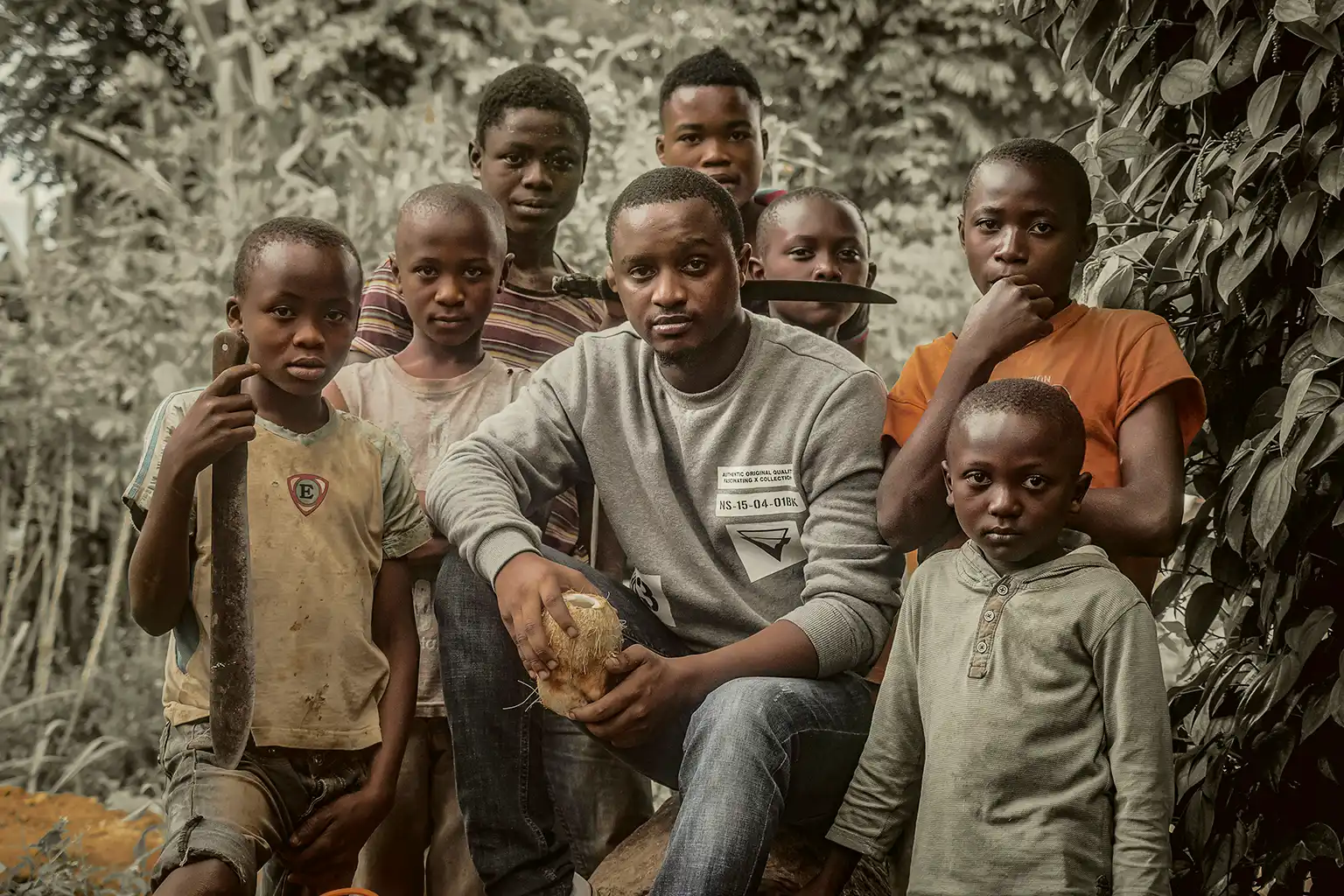
Our programs in Tanzania include volunteer work in the area of orphanage assistance, teaching, health care, Christian Religion, Media and Journalism, Law, sports, community development and others. Volunteers can participate in most of the programs anytime all year round.
Peter Charles
Best Time To Volunteer In Tanzania
Volunteering in Tanzania is available throughout the year, thanks to the country’s stable climate and year-round accessibility to most project locations. However, certain seasons offer more favorable conditions depending on the type of volunteer work, travel routes, and personal experience preferences.
Understanding Tanzania’s seasonal patterns helps volunteers plan better, maximize comfort, and combine volunteering with travel experiences such as safaris, cultural tours, and beach visits.
Lorem Ipsum is simply dummy text of the printing and typesetting industry. Lorem Ipsum has been the industry's standard dummy text ever since the 1500s, when an unknown printer
June to October (Peak Dry Season)
The period from June to October is widely considered the best time for volunteering in Tanzania.
Why this period is ideal:
Excellent Weather Conditions
- Clear skies and minimal rainfall
- Cooler temperatures, especially in the mornings and evenings
- Comfortable working conditions for outdoor activities
Easy Transportation and Accessibility
- Roads are in their best condition
- Rural and remote project sites are easier to reach
- Reduced risk of delays due to weather
Ideal for Outdoor Volunteering Activities
This season is especially suitable for:
- Construction and infrastructure projects
- Wildlife conservation and field research
- Teaching and community outreach programs
- Agricultural and environmental activities
Best Safari and Travel Opportunities
One of the biggest advantages is combining volunteering with travel:
- Excellent wildlife viewing in Serengeti National Park
- Great Migration river crossings (July–October)
- Easier access to Ngorongoro Crater and Tarangire National Park
December to February (Warm and Active Season)
The period from December to February is another excellent time for volunteering in Tanzania.
Warm and Pleasant Climate
- Warmer temperatures compared to mid-year months
- Generally dry or lightly humid conditions
- Comfortable for both indoor and outdoor volunteering
Active Community Life
- Schools and community programs are fully active
- Good participation in education and childcare projects
- Strong engagement in local cultural activities
Great for Mixed Volunteer + Travel Experience
This season is ideal for volunteers who want balance:
- Volunteering in the morning
- Weekend safaris or Kilimanjaro excursions
- Beach relaxation in Zanzibar after placements
Wildlife and Nature Experience
- Calving season in parts of the Serengeti (excellent wildlife viewing)
- Green landscapes with abundant birdlife
- Less crowded parks compared to peak tourist months
March to May (Long Rains Period)
The period from March to May is known as the long rainy season in Tanzania.
What to Expect
- Frequent and sometimes heavy rainfall
- Muddy or slippery rural roads
- Occasional transport delays in remote areas
- Lush, green landscapes across the country
Impact on Volunteering Activities
Some challenges may include:
- Limited access to remote project sites
- Outdoor construction or farming projects may slow down
- Travel between regions may take longer
However, volunteering still continues in many areas, especially urban and semi-urban locations.
Advantages of Volunteering During Rainy Season
Despite challenges, this season offers unique benefits:Despite challenges, this season offers unique benefits:
- Fewer tourists and quieter environments
- Lower program and travel costs
- Beautiful green scenery ideal for photography
- Stronger focus on indoor community work (teaching, childcare, healthcare support)
November (Transitional Month) - Short Rainy Season
November is a transitional month between dry and wet seasons.
Characteristics:
- Light to moderate rainfall in some regions
- Unpredictable weather patterns
- Mixed accessibility depending on location
Volunteer Experience:
- Still suitable for most programs
- Some outdoor activities may be adjusted
- Good balance between affordability and accessibility

- Kilimanjaro
- Private
- Luxury
- Camp
6 Days Shira Route
Starts from: On Request
View Tour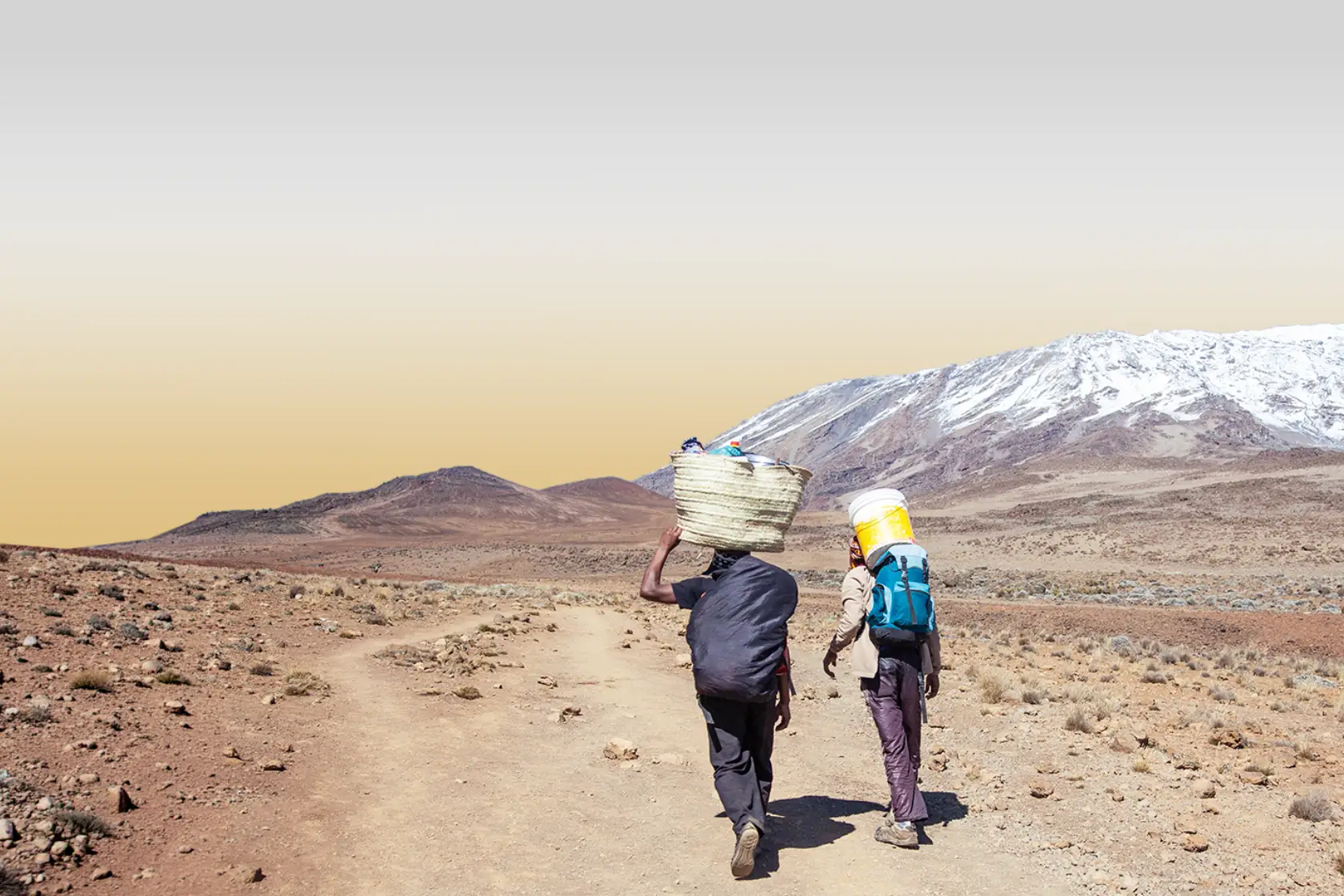
- Kilimanjaro
- Private
- Luxury
- Camp
6 Days Rongai Route
Starts from: On Request
View Tour
- Kilimanjaro
- Private
- Luxury
- Hut
5 Days Marangu Route
Starts from: On Request
View Tour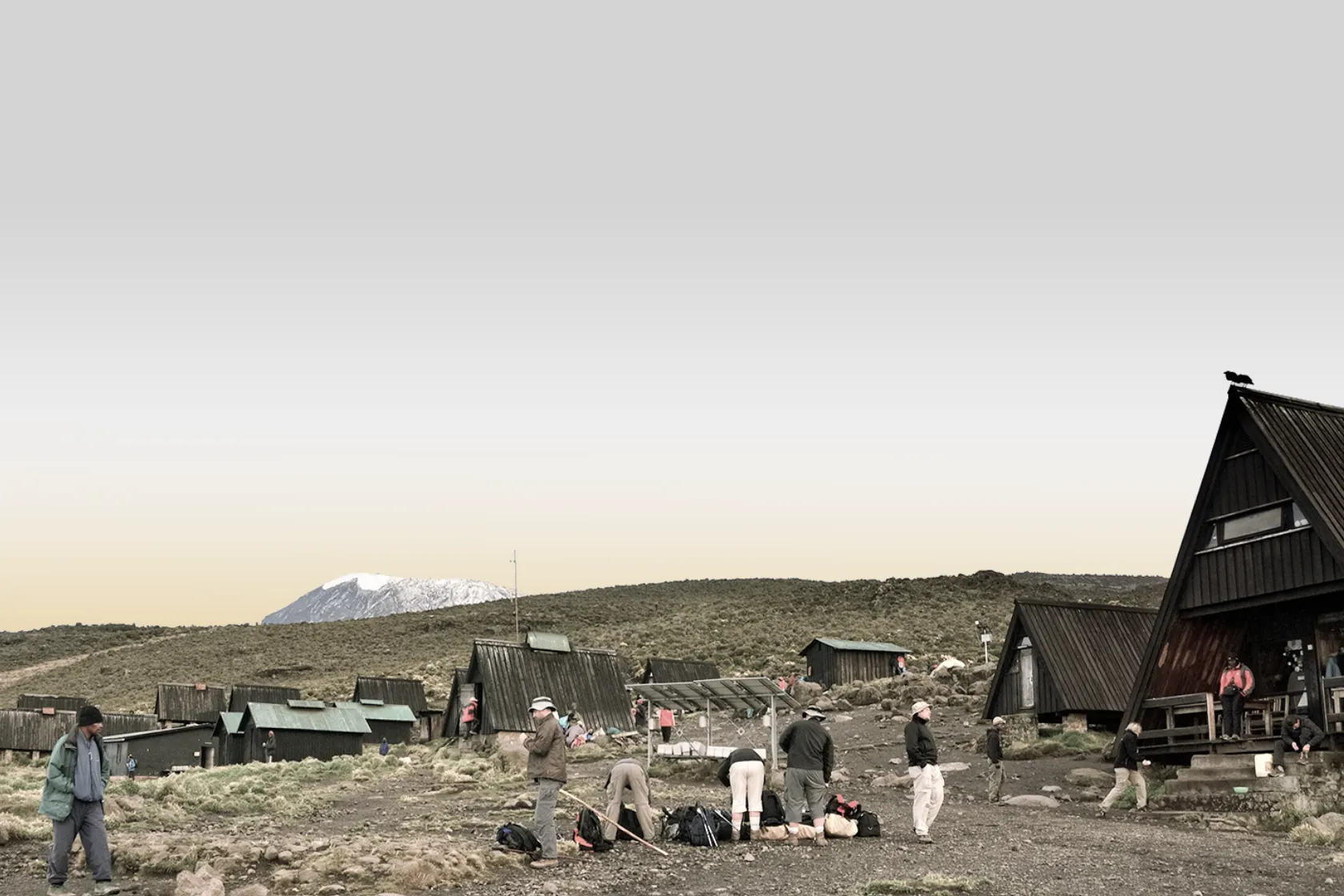
- Kilimanjaro
- Private
- Luxury
- Hut
6 Days Marangu Route
Starts from: On Request
View TourVolunteer + Safari Combined Itineraries In Tanzania
Meaningful Impact Meets Once-in-a-Lifetime Wildlife Adventure
Tanzania offers one of the most unique travel experiences in Africa by combining volunteering opportunities in local communities with world-class wildlife safaris. This powerful combination allows travelers to contribute positively to local development while also exploring iconic destinations such as the Serengeti National Park, Ngorongoro Crater, Tarangire National Park, and Lake Manyara National Park or Climbing Kilimanjaro.
At BestDay Safaris, we specialize in creating seamless Volunteer + Safari packages that blend purpose-driven travel with unforgettable adventure. These programs are ideal for students, gap-year travelers, families, professionals, and long-stay visitors seeking both impact and exploration.
Popular combinations include:
- Volunteering + safari
- Volunteering + Mount Kilimanjaro climb
- Volunteering + Safari + Kilimanjaro Climb
- Volunteering + Safari + Zanzibar beach holiday
- Volunteering + Zanzibar beach holiday
- Volunteering + Safari + Kilimanjaro Climb + Zanzibar beach holiday
Why Combine Volunteering with a Safari in Tanzania?
Combining volunteering and safari travel creates a balanced and deeply enriching experience.
Meaningful Contribution
You actively support local schools, community projects, healthcare initiatives, or conservation programs.
Authentic Cultural Immersion
You live and interact with Tanzanian communities, learning Swahili, traditions, and daily lifestyles.
Rewarding Wildlife Experience
After volunteering, you explore some of the world’s most famous wildlife ecosystems.
Perfect Balance
This combination blends purpose + adventure + relaxation in one journey.
Cost-Effective Travel
Combining both experiences reduces total travel costs compared to booking separately.
Who This Program Is Perfect For
- Gap year travelers
- University students
- Volunteers seeking adventure add-ons
- Families with educational travel goals
- NGO and impact travelers
- Long-term tourists in Tanzania
- Digital nomads & remote workers
Best Volunteer + Safari Combined Itineraries
Below are sample designed itineraries ranging from 7 to 21 days, tailored for different travel styles.
Option 1: 7-Day Volunteer + Safari Experience (Short Impact + Safari Blend)
Best for: First-time visitors, short holidays, students
Day 1: Arrival in Tanzania (Arusha)
- Airport pickup (Kilimanjaro International Airport)
- Transfer to volunteer accommodation in Arusha
- Welcome briefing and orientation
Day 2–4: Volunteer Program (Community or Education Project)
- Teaching assistance in local schools
- Community engagement activities
- Cultural exchange with local families
- Swahili introduction lessons
Day 5: Transition to Safari
- Transfer to safari lodge or camp
- Safari briefing with professional guide
- Preparation for game drives
Day 6: Tarangire National Park Safari
- Full-day game drive
- Elephants, lions, giraffes, zebras
- Picnic lunch inside the park
Day 7: Ngorongoro Crater Safari & Departure
- Early morning descent into crater
- Big Five wildlife viewing experience
- Return to Arusha / airport transfer
Highlights
- Balanced volunteering + safari experience
- Ideal for short stays
- Affordable entry-level package
Option 2: 10-Day Volunteer + Classic Safari Circuit
Best for: Balanced cultural + wildlife immersion
Day 1: Arrival in Arusha
- Airport pickup
- Orientation session
Day 2–5: Volunteer Program
- Teaching / childcare / community support
- Local cultural immersion
- Weekend village visit
Day 6: Tarangire National Park
- Elephant herds and baobab landscapes
- Afternoon game drive
Day 7: Lake Manyara National Park
- Tree-climbing lions
- Flamingos and birdlife
Day 8–9: Serengeti National Park
- Full migration ecosystem experience
- Big cats (lions, cheetahs, leopards)
- Sunrise and sunset game drives
Day 10: Ngorongoro Crater & Departure
- Crater floor safari
- Return transfer to Arusha / airport
Highlights
- Includes Serengeti (top global safari destination)
- Strong cultural + wildlife balance
- Ideal for photography lovers
Option 3: 14-Day Volunteer + Premium Safari Experience
Best for: Deep immersion + longer stays
Day 1–6: Volunteer Program in Arusha
- School teaching assistance
- Community infrastructure support
- Cultural exchange and workshops
- Weekend Maasai village visit
Day 7: Tarangire National Park
- First safari experience
- Elephant migration viewing
Day 8: Lake Manyara National Park
- Rift Valley exploration
- Birdwatching and forest wildlife
Day 9–11: Serengeti National Park (3 Days)
- Big Five safari experience
- Migration tracking (seasonal)
- Luxury or mid-range tented camps
Day 12: Full Day Safari in Serengeti
- Predator tracking
- Sunrise & sunset game drives
Day 13: Ngorongoro Crater
- One of Africa’s natural wonders
- High density wildlife viewing
Day 14: Cultural Experience & Departure
- Local market tour
- Transfer to airport
Highlights
- Deep cultural engagement
- Extended Serengeti experience
- Perfect for photography and research travelers
Option 4: 21-Day Volunteer + Expedition Safari Package
Best for: Long-term travelers, gap year students, NGOs
Phase 1: Volunteer Work (7–10 Days)
- Education programs
- Healthcare support
- Women empowerment initiatives
- Environmental conservation work
Phase 2: Northern Safari Circuit (10–12 Days)
Serengeti National Park (4 Days)
- Migration tracking
- Big cat encounters
- Remote wilderness camps
Ngorongoro Crater (2 Days)
- Crater floor safari
- Cultural visits nearby Maasai communities
Tarangire National Park (2 Days)
- Elephant herds
- Baobab landscapes
Lake Manyara (1 Day)
- Forest & lake ecosystems
- Flamingo viewing
Phase 3: Cultural & Relaxation (1–2 Days)
- Maasai village visit
- Local cooking experience
- Arusha city tour
Highlights
- Most immersive Tanzania experience
- Strong conservation exposure
- Ideal for research, NGOs, and long stays
Accommodation Options (Volunteer + Safari Packages)
During Volunteering:
- Volunteer houses in Arusha
- Shared rooms with volunteers
- Host family accommodation (optional)
During Safari:
- Budget camping safaris
- Mid-range tented camps (private bathroom)
- Luxury lodges and fly-in options
What Is Included in All Packages
- Airport transfers (Kilimanjaro Airport)
- Accommodation during volunteering
- Meals during volunteer period
- Safari 4x4 Land Cruiser with pop-up roof
- Professional driver-guide
- Park entry fees (depending on package)
- Bottled drinking water
- Cultural orientation
A Volunteer + Safari combination in Tanzania is more than a holiday it is a life-changing journey of purpose and discovery. You begin by giving your time and skills to local communities, and you end by witnessing some of the most extraordinary wildlife on Earth.
It is the perfect balance of:
- Human connection
- Cultural immersion
- Wildlife adventure
- Personal transformation
At BestDay Safaris, we design each journey to ensure your time in Tanzania is not only memorable but meaningful.
Join a volunteer safari program and travel with purpose across Tanzania.
Support people, wildlife, communities.
Frequently Asked Questions (FAQs) About Volunteering in Tanzania
Below are the most common questions about volunteering in Tanzania designed to give you deeper insight, practical clarity, and confidence when planning your experience.
No, most volunteer programs are designed to be accessible to beginners. Roles in teaching support, childcare, and community outreach usually provide on-site guidance and do not require formal qualifications.
However, specialized placements such as medical volunteering, wildlife conservation, or technical training programs may require:
- Relevant academic background
- Professional certification
- Previous field experience
The key requirement is a willingness to learn, contribute, and adapt.
The standard minimum age is 16–18 years, depending on the organization.
- Volunteers under 18 may need parental consent
- Some programs require adult supervision for minors
- Most independent volunteer placements are ideal for participants aged 18+
There is generally no strict upper age limit, making Tanzania suitable for gap-year travelers, professionals, and retirees alike.
Yes, all volunteers must obtain a valid visa to enter Tanzania.
- Tourist Visa: Common for short-term volunteering (up to 90 days)
- Volunteer/Work Permit: Required for longer or formal placements
Some organizations assist with documentation, but it is important to confirm requirements before travel.
Yes, Tanzania is widely regarded as a safe and stable destination for volunteers.
Safety depends on:
- Working with reputable organizations
- Following local advice and program guidelines
- Avoiding unnecessary risks such as traveling alone at night
Popular volunteer hubs like Arusha and Moshi are well-established and accustomed to hosting international visitors.
Tanzania offers a wide variety of volunteer opportunities, including:
- Education: Teaching English, assisting in schools
- Childcare: Supporting orphanages and daycare centers
- Healthcare: Assisting clinics and health outreach programs
- Community Development: Construction, women’s empowerment, sanitation
- Conservation: Environmental protection and wildlife awareness
Each program focuses on practical, hands-on involvement.
Volunteers typically work 4–8 hours per day, Monday to Friday.
- Morning: Main project activities
- Afternoon: Free time or optional engagement
- Evenings: Relaxation or social activities
This schedule allows a healthy balance between contribution and personal time.
Accommodation depends on the program location and type.
Options include:
- Volunteer houses: Shared, social environment
- Host families: Cultural immersion with local households
- Rural housing: Basic but authentic village experience
All accommodations prioritize safety, cleanliness, and accessibility to project sites.
Most programs include 2–3 meals per day, typically local cuisine such as:
- Rice, beans, vegetables
- Ugali (traditional staple food)
- Fresh fruits and tea
Meals are nutritious but simple, reflecting local eating habits.
No, English is widely used in volunteer coordination.
However, learning basic Swahili phrases such as:
- Jambo (Hello)
- Asante (Thank you)
greatly enhances communication and cultural connection.
Essential items include:
- Lightweight, modest clothing
- Comfortable walking shoes
- Sunscreen and insect repellent
- Personal medication and first-aid kit
- Copies of travel documents
Packing appropriately ensures comfort and preparedness for local conditions.
The best times are:
- June to October: Dry season, ideal for travel and outdoor work
- December to February: Warm and pleasant conditions
These periods offer the best combination of weather, accessibility, and travel opportunities.
Yes, this is one of the biggest advantages of volunteering in Tanzania.
Popular destinations include:
- Serengeti National Park
- Ngorongoro Crater
- Mount Kilimanjaro
- Zanzibar
Many volunteers plan weekend trips or post-program safaris.
Programs are flexible and range from:
- Short-term: 1–2 weeks
- Medium-term: 1–3 months
- Long-term: 3+ months
Longer stays often provide deeper impact and cultural immersion.
Yes, travel insurance is strongly recommended.
It should cover:
- Medical emergencies
- Accidents and evacuation
- Trip cancellations
This is especially important when traveling to rural or remote areas.
Yes, the programs will have the below expenses that will be charged
- Accommodation
- Meals
- Project support
- Administration
Internet access is available in most urban volunteer houses but sometimes may be:
- Slow or unstable
- Limited in rural areas
Many volunteers rely on local SIM cards for better connectivity.
Yes, rural placements are common and offer:
- Greater community impact
- Authentic cultural experiences
- Simpler living conditions
They require flexibility and adaptability.
Recommended vaccinations include:
- Yellow Fever (mandatory in some cases)
- Hepatitis A & B
- Typhoid
- Tetanus
Consult a travel doctor before departure.
Volunteering offers a wide range of personal and social benefits:
- Deep cultural immersion
- Personal growth and new perspectives
- Meaningful contribution to local communities
- Opportunity to explore iconic destinations
It is a unique experience that combines purpose, travel, and adventure.
Plan a Mountain Climbing Trip
We offer a range of mountain climbing experiences. You can also chat with our climbing specialist for a customized trekking itinerary in Tanzania.
Recommended by



Guestbook Moments
Real Stories from Safari Guests
A good safari often lives on through the words guests bring back. Here, Bestday Safaris travelers share notes on the people, pace, small comforts, wildlife moments, and honest care that became part of their journey. Their reviews help future travelers see beyond the itinerary and understand how each safari feels on the ground.
Excellent

4.9 out of 5
753 Reviews
Lorena T

We had an amazing experience with BestDays Safaris. Our driver Muro was very knowledgeable, took us away from crowds to spot animals and was an excellent guide. The camping accommodation that BestDay Safaris
Mar 2026
Alejandra Q
We just finished an incredible safari as our honeymoon on a private safari tour for us two with Best Day Safaris in Tanzania and the whole experience exceeded our expectations.During the trip we explored Tarangire...
Mar 2026

Gabriel R
Our safari in Tanzania was honestly better than we ever imagined, easily the best trip we’ve ever taken. We visited Tarangire National Park, the incredible Serengeti National Park, and the breathtaking and the breathtaking...
Mar 2026

Francesca C
Beautiful experience, absolutely to try! If you love nature and animals you can not miss this incredible journey with Best Day Safari! My father and I visited in 4 days the Tarangire park, the Serengeti (with...
Dec 2025

Michaela P
We planned our 5-day safari about 1 month before with Xenia. Communication with Xenia was straightforward, very friendly, very reliable and she gave us enough freedom and time to make decisions. The safari has...
Oct 2025
Chad
We had the most amazing safari experience with BestDay safari’s. From start to finish they were exceptional, Xenia planned the perfect 10 day safari and our guide Joseph was extremely kind, knowledgable and...
Jan 2026
Start planning your safari. Get matched with a local adventure specialist.
 David
David
 Jackson Mollel
 Stephen
Faraj
Abel
Stephen
Faraj
Abel