Tipping In Tanzania
For people working in Tanzania's service industry, including guides, trackers, and hotel staff, tips make up a major part of their income. But it is advisable to find a fine balance between tipping too little and tipping too much. Sometimes you might think tipping too much could cause problems, and tipping too little can be seen as rude. Therefore, it is important to strike the right balance. We encourage our travelers to appreciate good service while making them aware of tipping's impact.
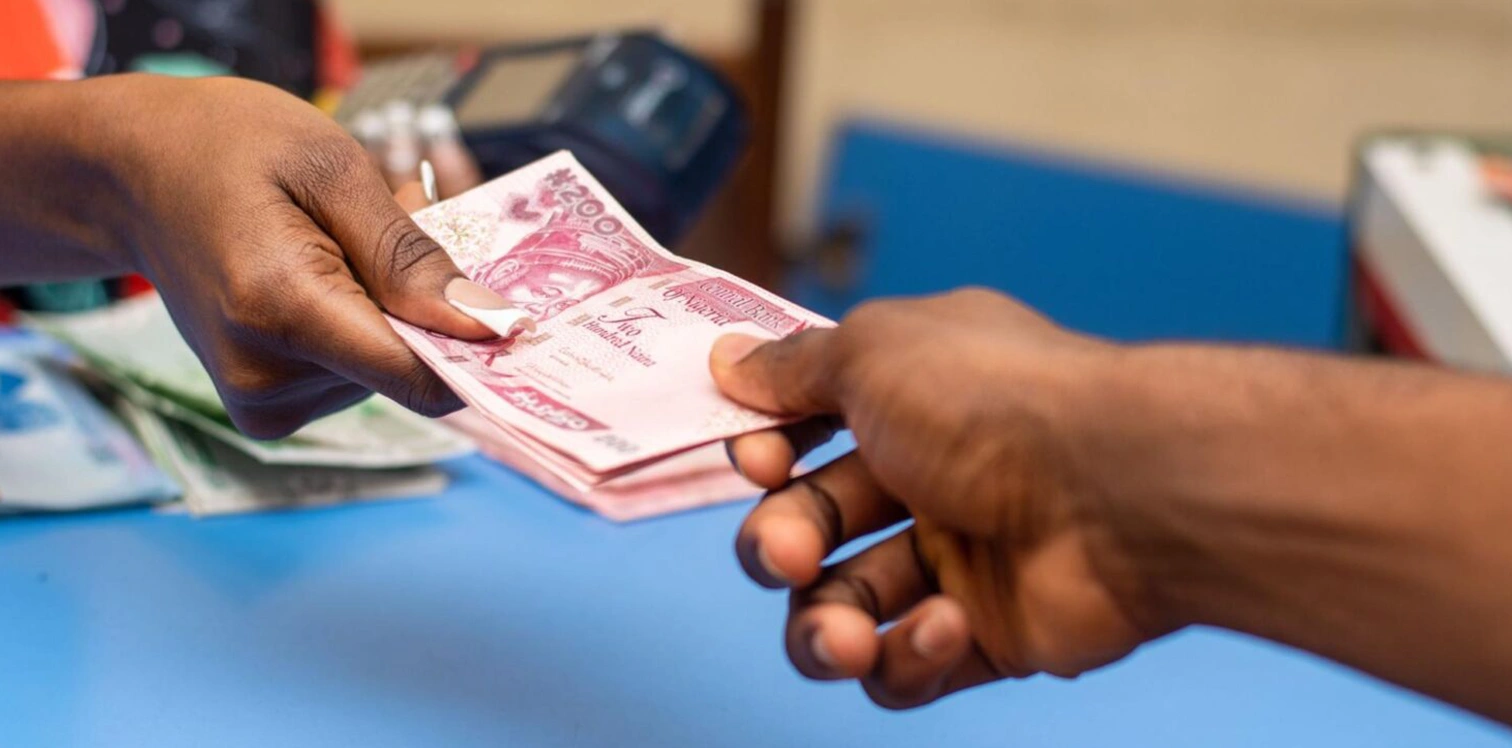
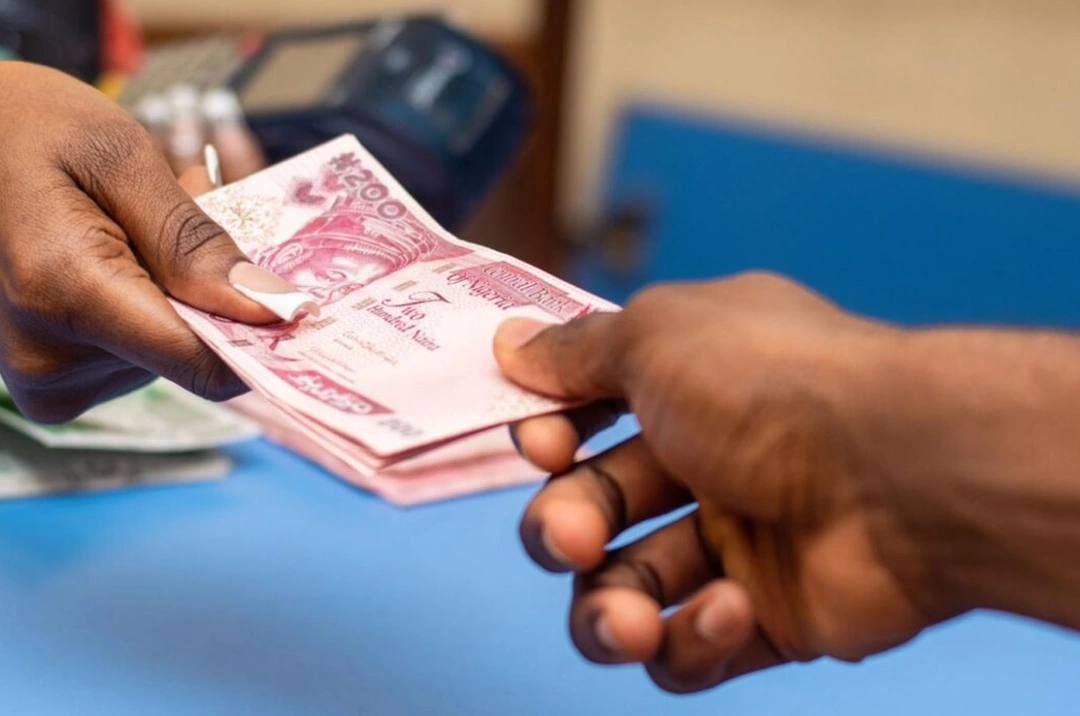
This image reflects tipping in Tanzania through a simple payment moment, where cash changes hands directly, suggesting appreciation, service culture, and the practical side of rewarding helpful support.
How does Tipping Work Here in Tanzania?
Tipping in Tanzania is an integral part of the local way of life. But for tourists visiting the country for the first time, it might feel a little tricky. So, we advise our guests to be a little mindful when tipping. Understand that tipping is entirely optional. We only recommend tipping if you are satisfied with the service you have received.
Whilst on safari or on a climb, you will come across numerous instances when you want to tip your guide or staff for their services. But you are unaware of the tipping customs in the country, which is making you a little hesitant. So, to address the numerous concerns around tipping, we are writing this guide to help you understand how to approach this tricky topic once you arrive in Tanzania for safaris, climbs, or both.
Who Should You Tip?
Below is a list of people who would appreciate a tip during your safari.
Guides and trackers
They play a crucial role in your overall experience by spotting wildlife, sharing knowledge, and keeping you safe.
General lodge or camp staff
Chefs, housekeeping, gardeners, and maintenance teams all contribute to your comfort and should be included in your tipping.
City Transfer Drivers
Drivers who pick you up or drop you off in towns or at airports.
Kilimanjaro Climbing Crew
Your summit team includes porters, cooks, guides, and assistant guides who support you throughout the climb.
Camp managers
Generally, you don’t need to tip managers, unless they have gone out of their way to provide exceptional personal service, much like you would not usually tip the owner of a restaurant.
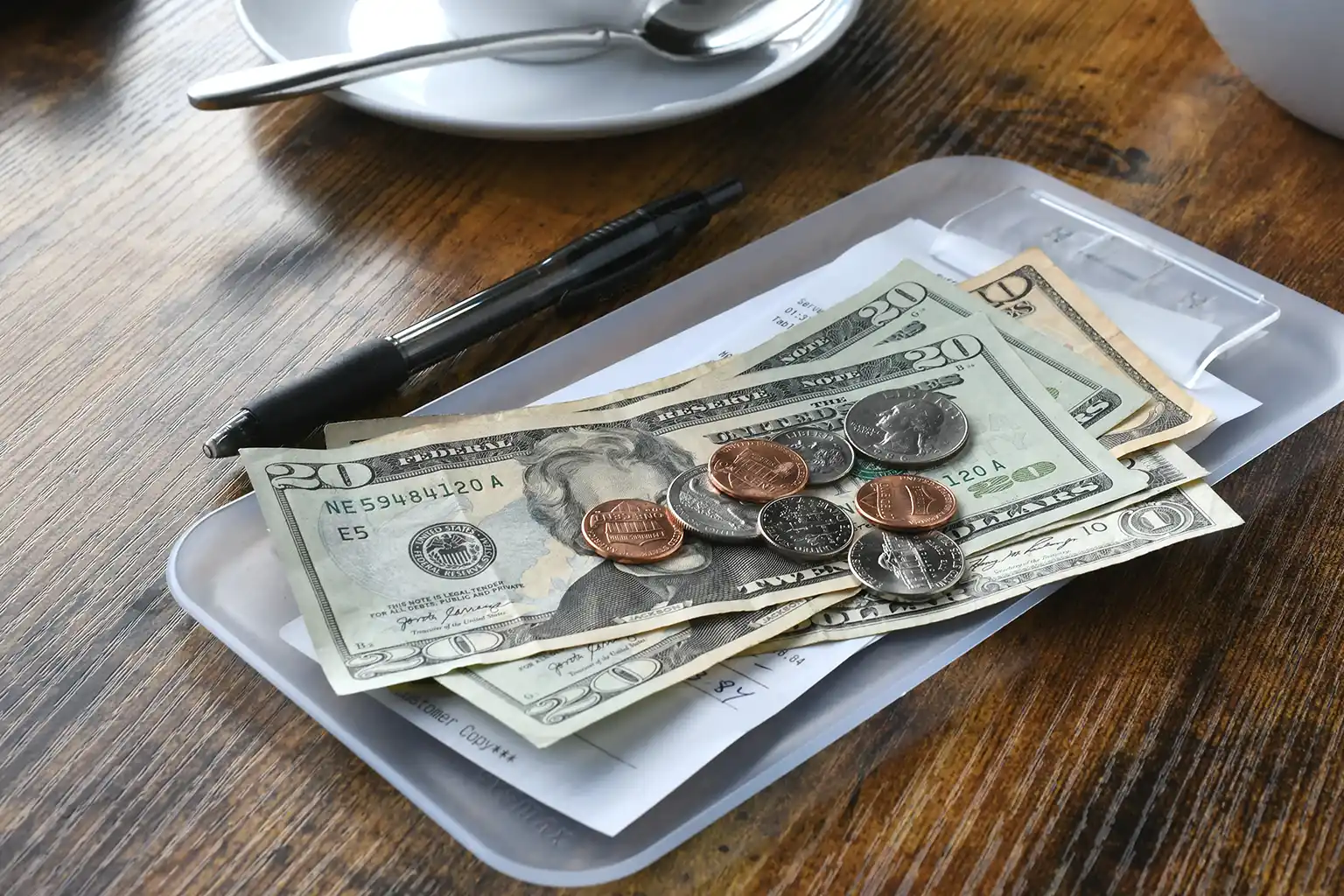
A restaurant bill tray holding notes and coins illustrates the everyday practice of tipping, linking service payments to gratitude, travel etiquette, and small gestures that matter during a trip to Tanzania.
Suggested Tipping Amounts
On your Tanzania Safari, you will always have a professional safari guide, and sometimes a tracker, accompanying you in your safari vehicle. Here is what we recommend budgeting:
On Safari
Safari Guide
around $20 per person per day (or $50 per day for a family group)
Tracker (if present)
$5–$10 per person per day
Camp or Lodge General Staff
suggested $20 total per day for all staff, usually placed in a communal staff gratuity box
City Transfers
$3–$5 per transfer
Some lodges will have a staff gratuity box at reception, where tips are pooled and fairly shared among the team working behind the scenes.
On Mountain climbs
Chief Guide
25–30 US$ per day
Each Assistant Guide
USD 20–25 per day
Chef | Cook
USD 20–25 per day
Each Porter
10 US$ per day

A hand passing cash to another during drink service captures tipping as a direct, personal gesture, reflecting appreciation, hospitality, and the informal way gratuities are often given.
Staff Numbers by Group Size
How many staff join the climb depends on how many trekkers are in the group. A bigger group needs more support on the mountain, so the number of guides, cooks, and porters goes up, too.
1 trekker
1 Guide, 1 Cook, 3 to 5 Porters
2 trekkers
2 Guides, 1 Cook, 6 to 7 Porters
3 trekkers
2 Guides, 1 Cook, 9 Porters
4 trekkers
2 Guides, 1 Cook, 12 Porters
5 trekkers
3 Guides, 1 Cook, 15 Porters
6 trekkers
3 Guides, 2 Cooks, 18 Porters
7 trekkers
3 Guides, 2 Cooks, 21 Porters
8 trekkers
4 Guides, 2 Cooks, 24 Porters
9 trekkers
4 Guides, 2 Cooks, 27 Porters
10 trekkers
4 Guides, 2 Cooks, 30 Porters

A note placed into a tip box suggests a shared tipping system, where contributions are collected in one place and later distributed among staff as part of service recognition.
When and How to Tip
Tipping in Tanzania is pretty simple once you know when it is usually done. Whether you are on safari or climbing Mount Kilimanjaro, the usual approach is to tip at the end of the service. That is really the main thing. It shows appreciation, keeps things respectful, and avoids the awkward feeling of having to tip people bit by bit while the trip is still going on.
For Lodges and Safari
At lodges and camps, the normal thing is to tip once at the end of your stay. Not after every drive, not after every meal, not after every small interaction. Just once, before you leave. It keeps things easier for everyone.
- Cash is still the easiest option. Tanzanian shillings or US dollars are both commonly used. Card tipping is less common and can make sharing harder for staff.
- Some guests like to use small envelopes and add a short thank-you note. It is not something you must do, but it is a nice gesture.
- Most lodges and camps have a general tip box. It is worth checking with the camp manager, or reading any notes left in your room, to see how tips are collected and shared.
For Kilimanjaro Climbs
On Kilimanjaro, tipping is usually done as a group at the end of the climb. Often there is a short gathering with the mountain crew on the final day. That is when tips are handed over.
- Tips are usually given on the last day, ideally with all climbers there.
- You can hand them over directly, or ask the head guide to help distribute them fairly.
- Separate envelopes for porters, cooks, assistant guides, and the chief guide are appreciated.
- It helps to carry cash in smaller notes, preferably US dollars or Tanzanian shillings.

This image reflects everyday tipping in restaurants or cafés, where small cash tips may be given after service as a polite way to thank staff for attentiveness and hospitality.
Learn how to tip fairly and travel through Tanzania with confidence.
Speak to our experts
Final Advice on Tipping
If you are not sure what is appropriate, ask. Really! The camp manager can tell you what is normal for their staff and how tips are usually handled there. For Kilimanjaro climbs, it also helps to confirm the final crew size during your pre-climb briefing, because that gives you a clearer idea of how to plan tipping.
At the end of the day, tipping should reflect the service you received. It is based on merit, effort, and your own satisfaction with the trip.
Tipping on Tanzania Safaris and Kilimanjaro climbs is one way to support the people who make the journey work. Guides, porters, cooks, camp staff, lodge staff, all of them put in real effort. A fair tip shows that you noticed.
And if you need help with tipping, Tanzania Safari Packing Lists, Kilimanjaro preparation, or any other part of your trip, Best Day Safaris is always happy to guide you. Ask us anytime.
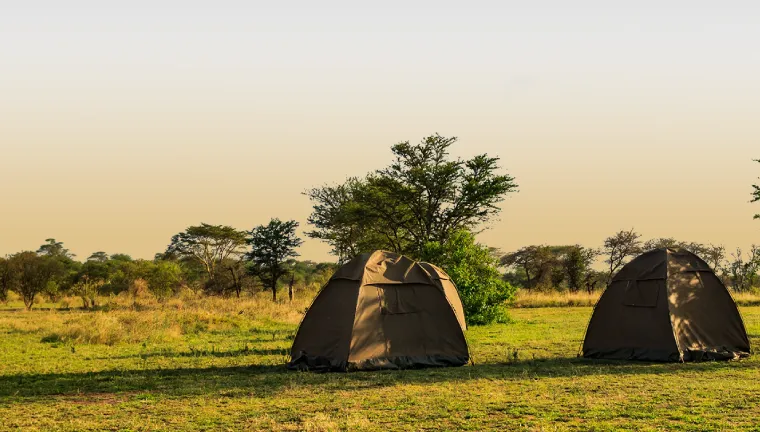
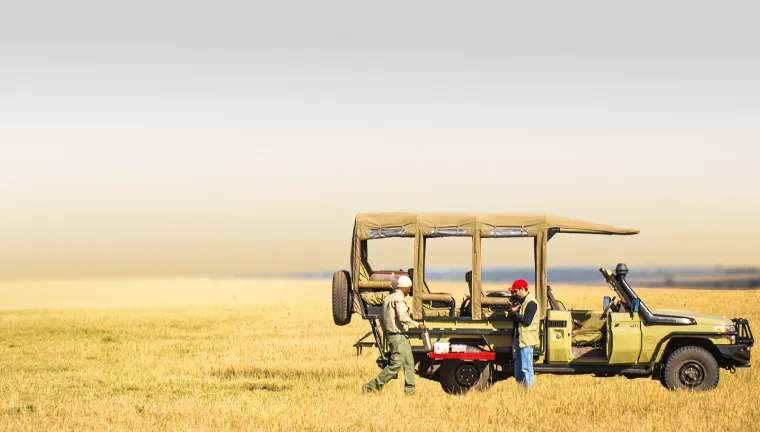
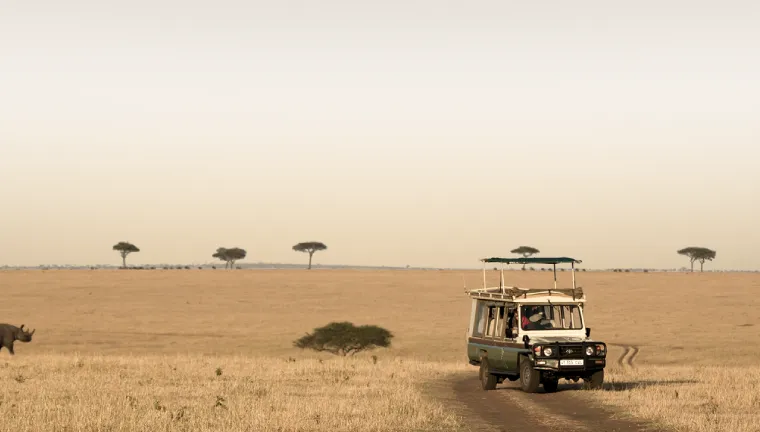
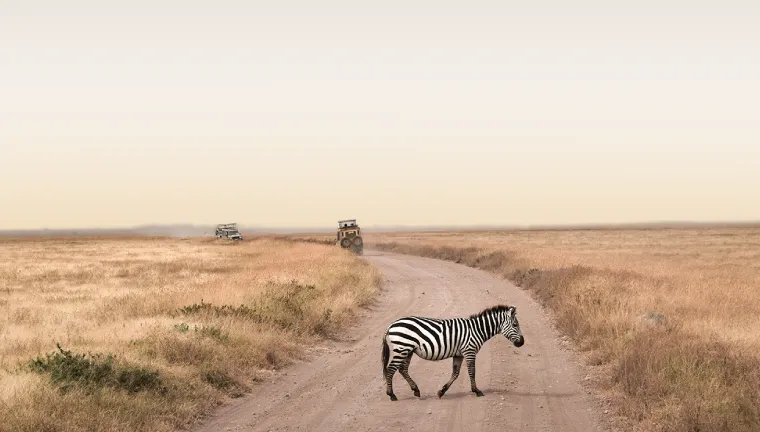
Tipping in Tanzania should feel respectful, simple, and fair. A small gesture can mean a lot to guides, drivers, and staff who work hard every day.
Peter Charles
Frequently Asked Questions
Most people will prefer to accept tips in the local currency, the Tanzanian Shilling. But you can also tip in international currencies like USDs and Euros. Avoid tipping in cards, as you don’t know where this amount will go.
If unsure about the amount to tip in a particular situation during Safaris in Tanzania or Climbing expeditions, you can go with 5% to 10% of the total cost.
No, that’s not the scenario. Everyone understands tipping is not mandatory. It’s a personal choice whether any traveler wants to tip.
In such situations, you can speak directly to the boss and help him understand the situation that you want to acknowledge a particular person for his great service. Otherwise, you can try and tip the staff directly when alone. But it's better to avoid this, as it could jeopardize their job. So, the first choice is better.
In the following situations, it’s best to avoid tipping in Tanzania:
- When you are dissatisfied with the service you have received.
- You know the tip is not reaching the concerned person directly.
- If you have already given the tipping amount with the bill.
Honestly, it depends on the situation. You can tip however you like. However, in some accommodations, the tips are preferably placed in a general tip box. Then, the money can be shared among the staff. For Kilimanjaro climbs, tips are generally distributed based on a role.
Related Safari Experiences

Plan a Trip to Tanzania
We offer different tour types. You can also chat with a local travel specialist if you want a customized tour to Tanzania.


Recommended by


Tanzania Travel Essentials
Your Trusted Guide for Every Safari Detail
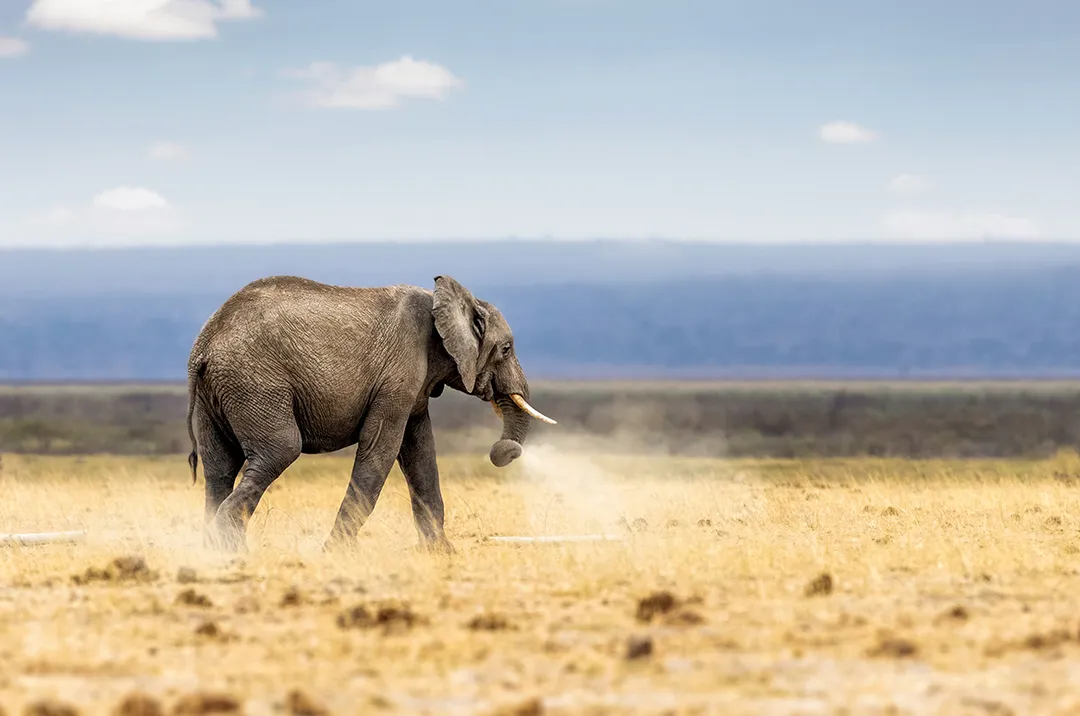
Our travel guide is made to save you time. It points you to the best time, cost, safety aspects, and activities, while sharing tips only locals know. Your dream Tanzania trip starts with the right information, and we’ve put it all together for you, so planning feels clearer, easier, and far less overwhelming from the very beginning.
Guestbook Moments
Real Stories from Safari Guests
A good safari often lives on through the words guests bring back. Here, Bestday Safaris travelers share notes on the people, pace, small comforts, wildlife moments, and honest care that became part of their journey. Their reviews help future travelers see beyond the itinerary and understand how each safari feels on the ground.
Excellent

4.9 out of 5
753 Reviews
Lorena T

We had an amazing experience with BestDays Safaris. Our driver Muro was very knowledgeable, took us away from crowds to spot animals and was an excellent guide. The camping accommodation that BestDay Safaris
Mar 2026
Alejandra Q
We just finished an incredible safari as our honeymoon on a private safari tour for us two with Best Day Safaris in Tanzania and the whole experience exceeded our expectations.During the trip we explored Tarangire...
Mar 2026

Gabriel R
Our safari in Tanzania was honestly better than we ever imagined, easily the best trip we’ve ever taken. We visited Tarangire National Park, the incredible Serengeti National Park, and the breathtaking and the breathtaking...
Mar 2026

Francesca C
Beautiful experience, absolutely to try! If you love nature and animals you can not miss this incredible journey with Best Day Safari! My father and I visited in 4 days the Tarangire park, the Serengeti (with...
Dec 2025

Michaela P
We planned our 5-day safari about 1 month before with Xenia. Communication with Xenia was straightforward, very friendly, very reliable and she gave us enough freedom and time to make decisions. The safari has...
Oct 2025

Chad
We had the most amazing safari experience with BestDay safari’s. From start to finish they were exceptional, Xenia planned the perfect 10 day safari and our guide Joseph was extremely kind, knowledgable and...
Jan 2026
Start planning your safari. Get matched with a local adventure specialist.
David
Jackson Mollel
 Stephen
 Faraj
Faraj
 Abel
Abel