Best Time to Visit Tanzania
The Best Time to visit Tanzania for most safaris is late June to October. It’s the long dry season, so roads are easier, grass is shorter, and animals stay closer to rivers and waterholes. The day feels warm, providing an optimal environment for game drives. Early mornings and nights can feel cool, especially in the north and highlands. This period coincides with the Great Wildebeest Migration, making it a great time to travel to Tanzania.
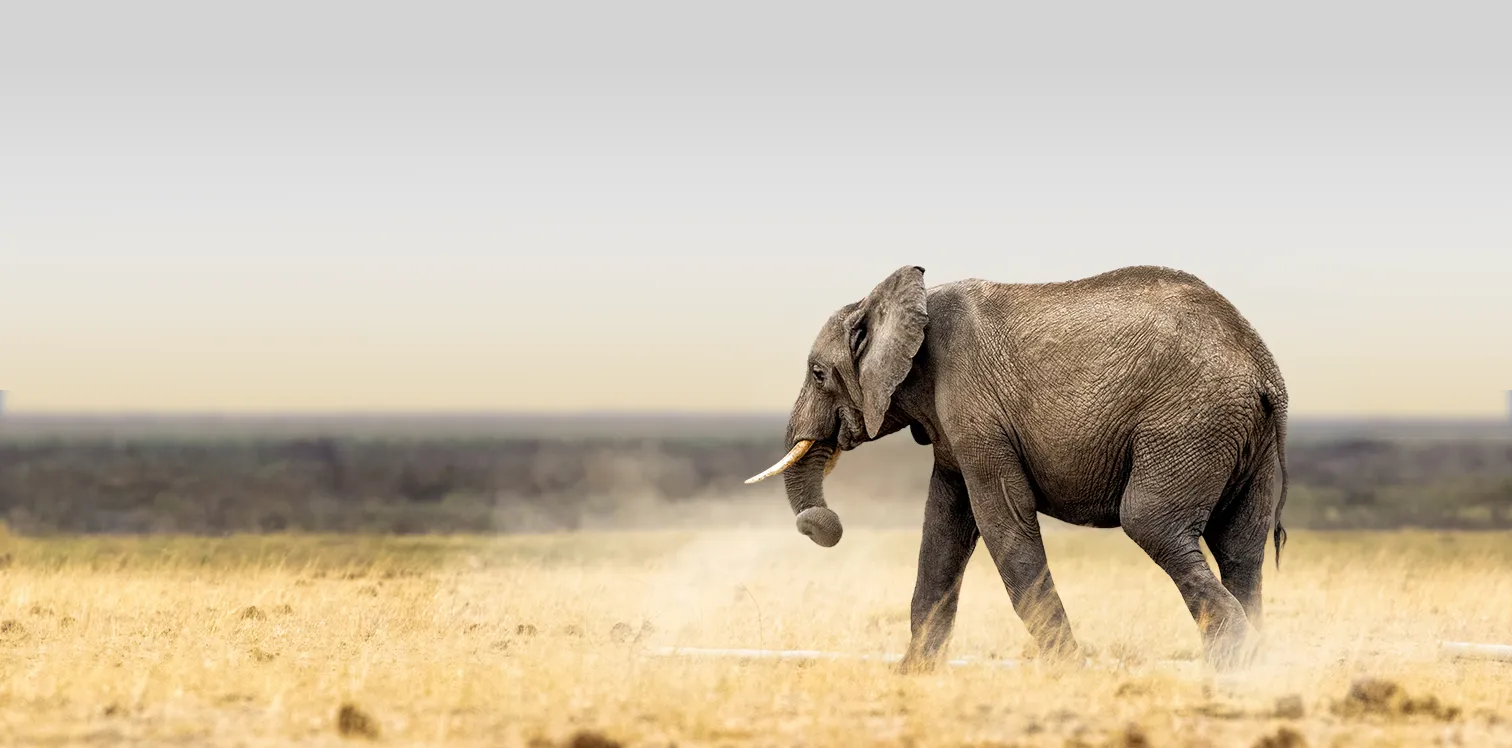
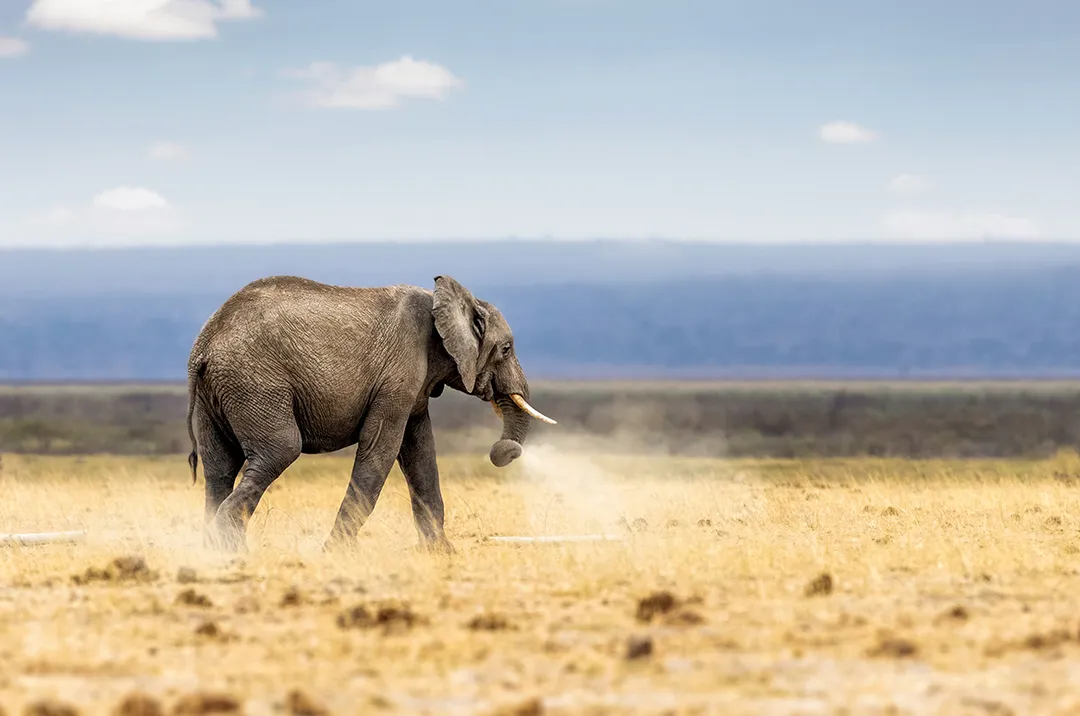
A lone elephant walks across a dry golden plain, raising light dust behind it. The soft sky and distant horizon create a calm, open scene that feels quiet, wild, and timeless.
When is the best time to visit Tanzania
While travel experts often name late June to October is the best time to visit Tanzania. But there are other times of the year that hold high significance. This makes Tanzania a year-round destination, and there is no bad time to go. Every season has something good and something less ideal. Some months bring drier roads and easier wildlife viewing. Others bring greener scenery, fewer vehicles, and lower rates. All in all, the time you want to visit Tanzania ultimately depends on what you want to see and how you want to travel.
On this page, you’ll learn how Tanzania’s seasons work, what each part of the year is good for, and how rain or dry air can change safari driving, views, and wildlife movement. You’ll also know the Best Month for Safari In Tanzania based on what you want most: migration, calving, fewer crowds, or better prices.
At Bestday Safaris, we plan Tanzania Safaris the way real travel happens: park by park, road by road, and day by day. We help you pick the right time, then match it to the right Tanzania Destinations so your safari feels smooth and easy to enjoy.
- 1.When to Go on a Tanzania Safari
- 2.Tanzania Seasons at a Glance
- 3.Low, Mid, and High Season in Tanzania
- 4.Month-by-Month Guide for Travelling to Tanzania on Safaris
- 5.When to See the Wildebeest Migration in the Serengeti
- 6.Turn Your Travel Dates into a Great Safari Plan
- 7.Frequently Asked Questions
When to Go on a Tanzania Safari
If you’re asking When is the Best Time to go to Tanzania for classic safari days, start with late June to October.
Why that window works for many people:
- Animals gather near water, so sightings are easier
- Grass is low, so you spot movement faster
- Roads stay firmer in most parks
- Days are warm, and nights cool down nicely
This is also why many first-time guests call it the Best Season to Visit Tanzania.
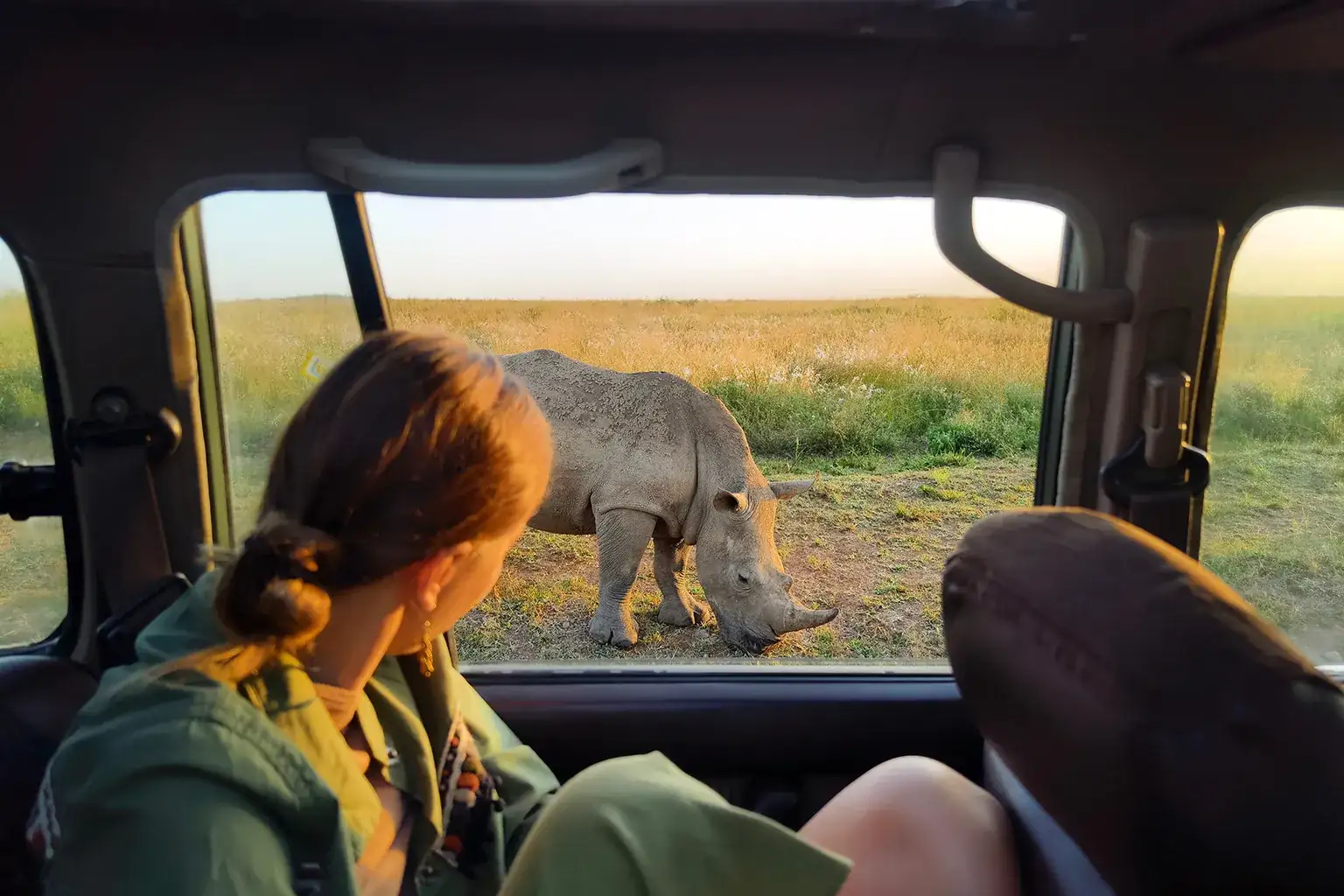
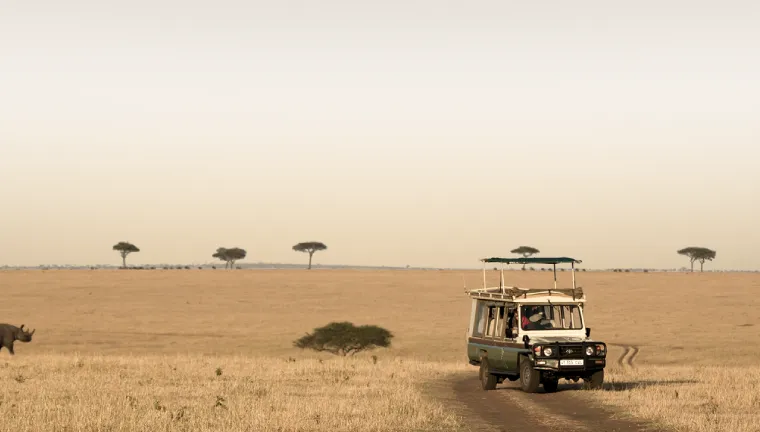
From inside a safari vehicle, a traveler watches a rhinoceros grazing just outside the window. Warm evening light, open grassland, and the close encounter create a quiet, thrilling wildlife moment.
Tanzania Seasons at a Glance
Most places on the map come with the usual four-season story: summer, winter, spring, autumn. Tanzania doesn’t really play that game. It sits close to the equator, with the Indian Ocean nearby, so the weather leans tropical to subtropical. Heat is part of the background most of the year. What changes is the moisture. You notice it in the air, in the dust, in how green the hills look after a storm.
So in Tanzania, it’s simpler to think in two main seasons:
- Dry season
- Wet season
But even that’s not one clean block. Locals and guides often split each one into “long” and “short” periods because they feel the weather shifts.
Dry season
- Long dry: June to October
- Short dry: January to March
Wet season
- Long wet: April and May
- Short wet: November to December
And honestly, this way of looking at it just makes Tanzania Safari Planning easier. You’re not trying to force Tanzania into a four-season box; it’s more about knowing when the land is dusty and clear, and when the rain turns everything greener and a little unpredictable.
June to October (long dry season)
If you want the “easy” safari season, it’s hard to beat June to October. The long dry months pull animals closer to water, and the grass stays lower, so you’re not peering through a green curtain all day. Mornings can feel cool on the skin, then the heat settles in by late morning. And yes, this is also when the Great Migration turns the Serengeti into a sea of movement.
Highlights
- Short grass makes it easier to spot animals across wide areas
- Animals gather around rivers and waterholes during dry months
- Northern regions are better for migration and river crossings
- Roads stay dry and easier to drive across most areas
- Clear skies help during long game drives
Highlights
- Wildebeest move south across the Serengeti ecosystem
- February calving brings thousands of newborns, day after day
- Big cats and other predators follow the herds closely
- A strong time for sightings with fewer weather interruptions
January to March (short dry season)
January to March has its own pull. It’s still dry, but the mood changes. The wildebeest shift south, and by February, calving season kicks in. You’ll see tiny calves wobbling beside their mothers, and you can almost feel the predators paying attention—quiet, watchful, patient.
April and May (long rains)
Then there’s April and May, the wettest stretch. It can test your patience a bit. You might have a bright, dry morning, and then, out of nowhere, a heavy burst of rain in the late afternoon or early morning. It can affect road conditions and timing. But the upside is real too: fewer safari vehicles, fresher air, and skies that look painted.
Highlights
- Often dry stretches between short, heavy downpours
- Rain can affect some drives, especially on softer roads
- Fewer vehicles in the parks, more space, more quiet
- Green landscapes and dramatic skies that make photos feel richer
Highlights
- Short, scattered showers, often not lasting all day
- Greener scenery starts returning across many regions
- Fewer vehicles than peak season in some parks
- Wildlife viewing is still strong, with more comfortable temperatures
November to December (short wet season)
Anything else to keep in mind, besides the dry and wet seasons? Yes! Because weather isn’t the only thing that changes. The feel of Tanzania changes, too. One month, a park can feel open and quiet, and another month it can feel like everyone had the same idea as you.
That’s why Tourism In Tanzania is usually talked about in three simple travel seasons: high, mid, and low. They follow the dry and wet months pretty closely, but the real difference is about crowds, prices, and availability.
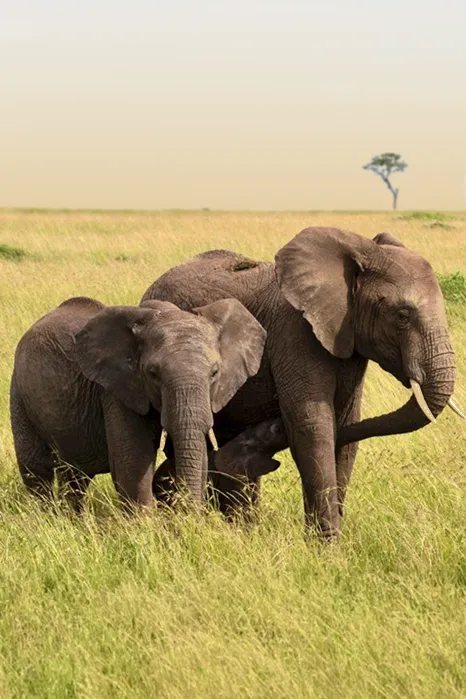
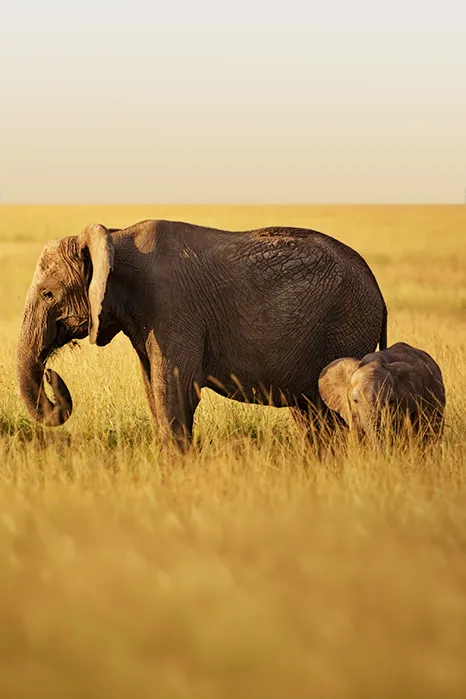
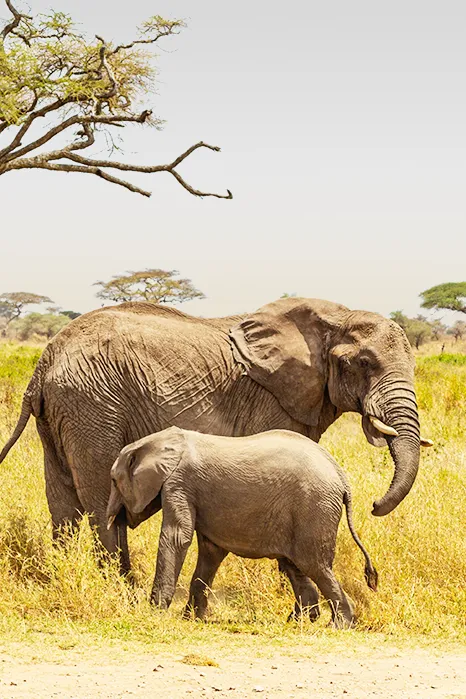
Three scenes show elephant mothers with their calves walking through sunlit grasslands. The images capture closeness, protection, and calm movement across the savannah in warm, soft natural light.
Low, Mid, and High Season in Tanzania
The travel seasons aren’t just about the Weather In Tanzania. They’re also about how busy the Tanzania National Parks feel, how easy it is to grab the lodge you want, and what your wallet will notice first.
The dry and wet months still matter, of course. But for most travellers, it comes down to three practical “tourism seasons”: high, mid, and low; mostly based on crowds and demand.
High Season: January, February, June to October, and December
This is when Tanzania feels most “in demand.” Days are generally clear, the roads are easier, and wildlife viewing is strong because animals gather around water, and visibility is better. If the Great Migration is high on your list, this season often lines up with the kind of safari moments people dream about. The trade-off? You won’t be alone out there.
Pros
- Ideal weather for Tanzania Safaris and beach time
- Strong wildlife viewing, with excellent visibility
- Most Tanzania Safari tours, lodges, and activities run at full availability
Cons
- Busiest parks and popular areas can feel crowded
- Highest hotel and tour rates
- Well-known, smaller lodges can sell out early
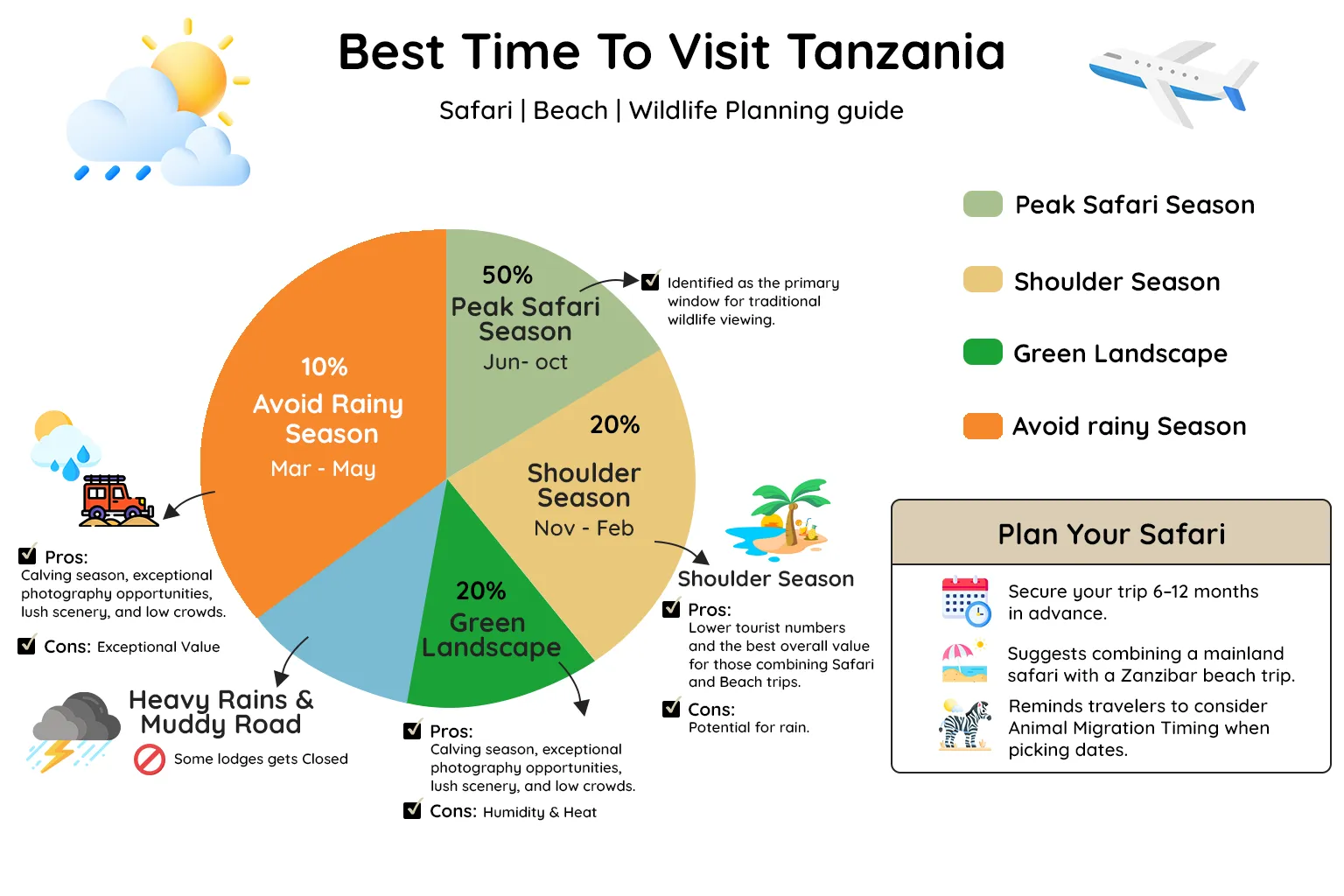
Infographic showing best time to visit Tanzania with a pie chart highlighting peak safari season, shoulder season, green landscape, and rainy months, plus travel tips, pros, cons, and planning advice.
Mid-Season: March, November to mid -December
Mid-season sits in that sweet middle space. You can still have very good safari days, but the number of vehicles drops, and prices often calm down a bit. Weather can be a little mixed—some days feel perfect, others bring a quick shower or heavier clouds. But if you like a quieter feel without going “full rainy season,” this is usually a smart pick.
Pros
- More moderate hotel rates than high season
- Fewer tourists, so the parks feel less busy
Cons
- Weather can shift day to day
- Some camps or activities may run with limited availability
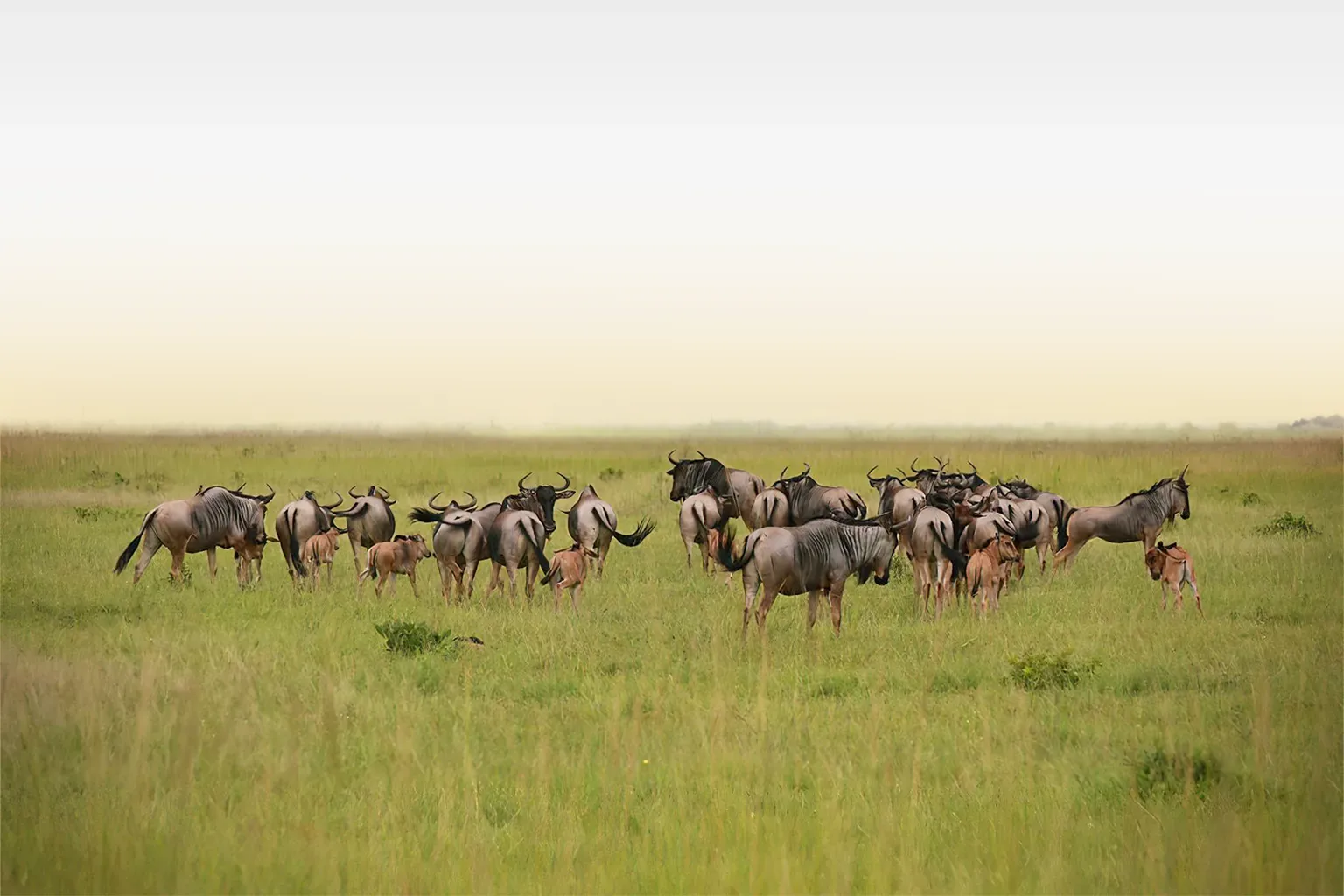
A herd of wildebeest stands across open green grassland, with several calves beside them. The quiet landscape and soft horizon give the scene a peaceful, natural feeling of movement.
Low Season: April and May
This is the rainiest time, and Tanzania looks different. It’s greener, softer, and quieter. Some days can stay dry for hours, then the rain hits hard and fast. A few camps close during this period, and driving times can stretch if roads get muddy. But if you don’t mind adjusting plans and you love the idea of having big landscapes with fewer people around, the low season can feel surprisingly special.
Pros
- Lowest rates for lodges and tours
- Least crowded parks and viewpoints
Cons
- Heavier rainfall can affect travel timing and some routes
- Some lodges and camps may close temporarily
No season is “wrong.” It’s really about what you want most: prime weather and peak wildlife, balance and breathing space, or quiet parks and better value.
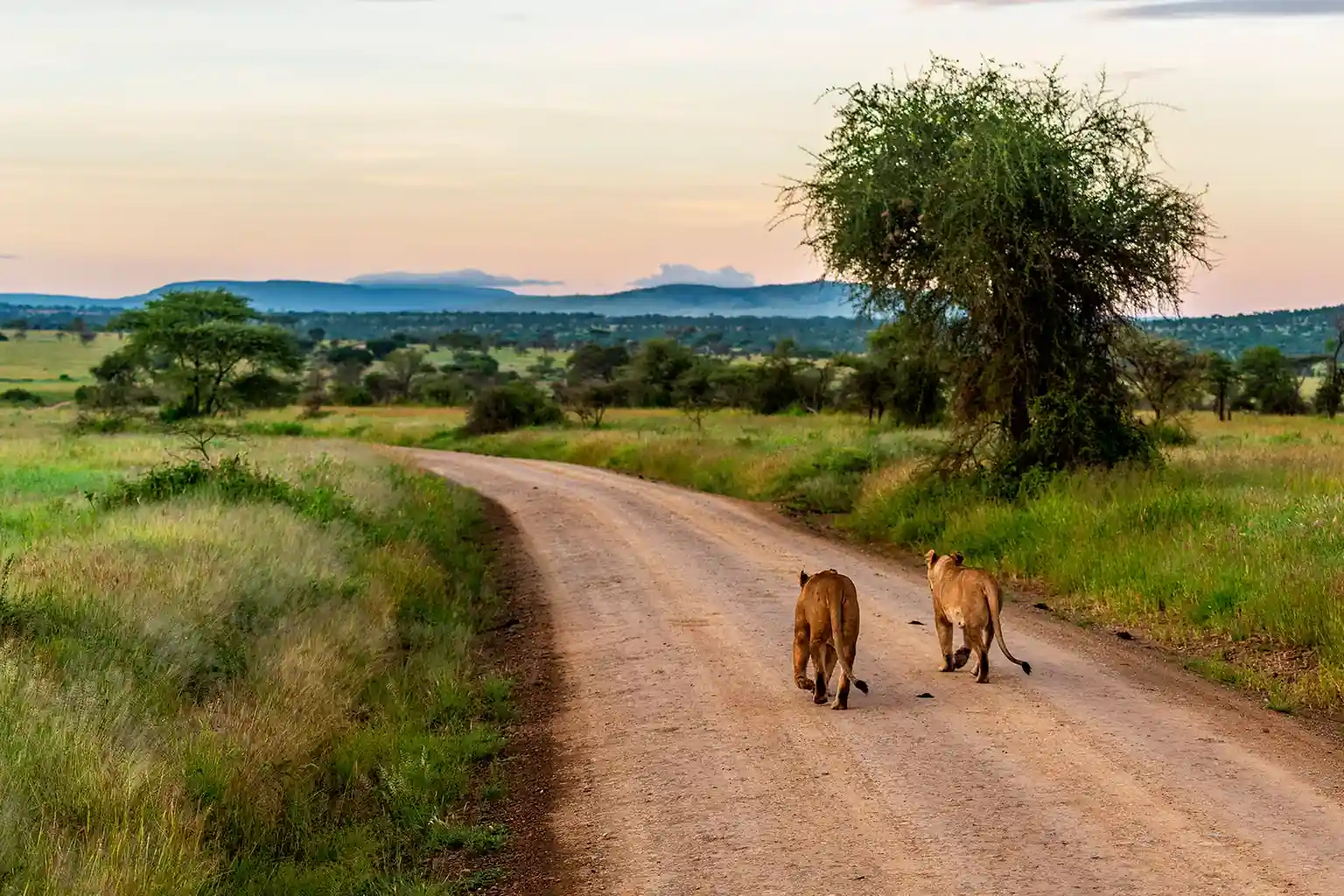
Two lions walk along a winding dirt road through open grassland. Framed by soft evening light, scattered trees, and distant hills, the scene feels calm, wild, and beautifully untamed.
Month-by-Month Guide for Travelling to Tanzania on Safaris
Travelling to Tanzania from January to February
January and February are hot, and most days stay dry. If you like warm air and busy parks, this is a popular pick. It’s also a good time for the southern Serengeti area as calving season begins around this window.
What to expect
- Warm days, bright skies, and cooler nights in many safari areas
- Great wildlife viewing in key parks
- A busier travel feel (rates and rooms can rise)
Good for
- Best time for Tanzania safari if you want heat and strong sightings
- A mix of safari and coast time, if you like warmer weather
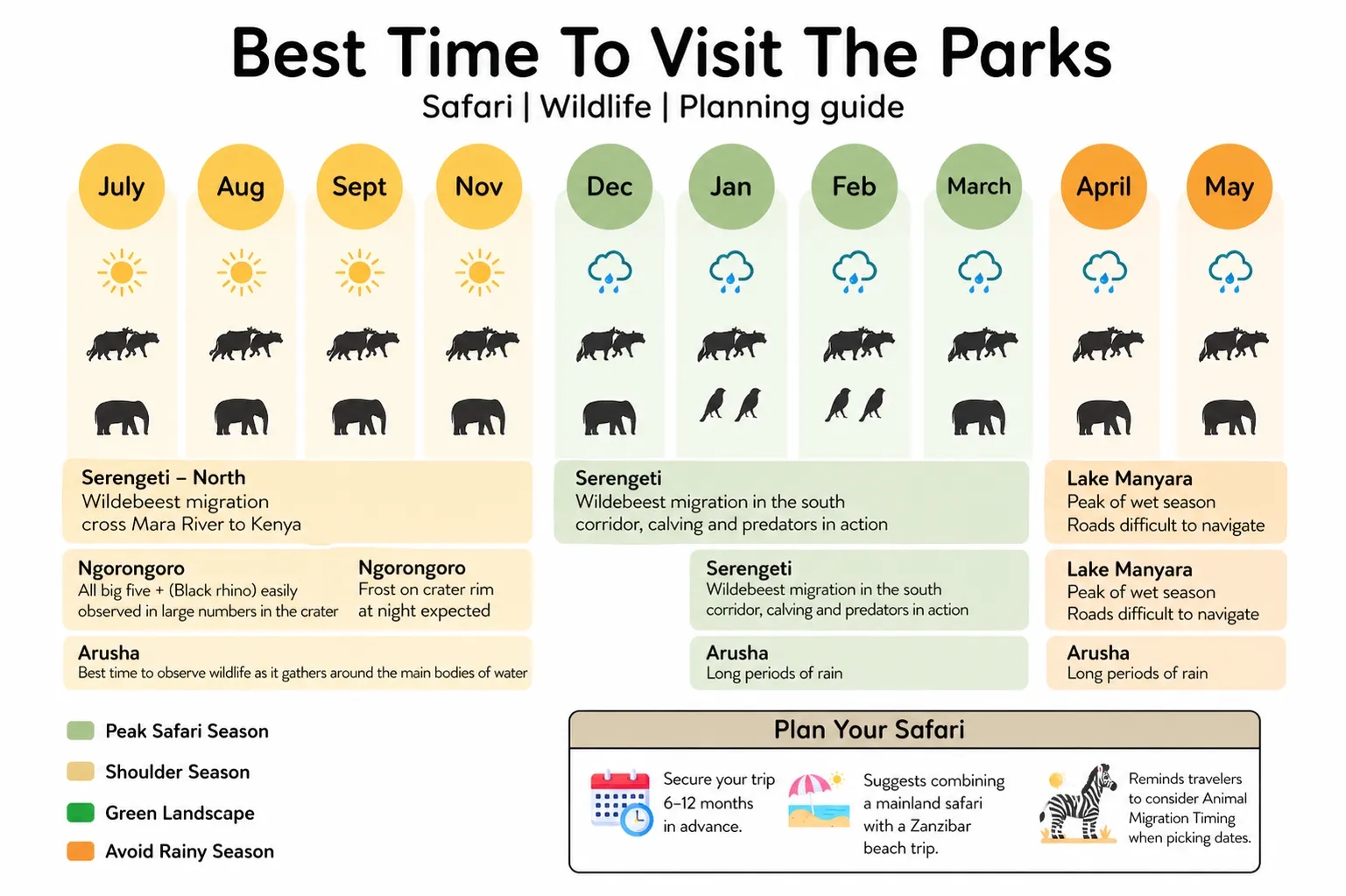
Month-by-month Tanzania safari guide showing best time to visit Serengeti, Ngorongoro, Arusha, and Lake Manyara with migration and seasonal highlights.
Travelling to Tanzania from March to May
March can still feel okay early on, then the long rains build. Tanzania in May is often very wet at the start, then starts drying toward the end. Some remote roads can get slow. A few camps close. But parks can feel quiet, and the landscapes turn a deep green.
What to expect
- Short heavy showers, often later in the day or at night
- Fewer vehicles, more space at sightings
- Better value in many lodges
Good for
- Travelers who want quieter parks and better prices
- People who don’t mind plans shifting a bit
Visiting Tanzania from June to August
This is the classic safari window. June is the start of the long dry season. Tanzania in July and Tanzania in August are peak months: dry air, good visibility, and strong wildlife viewing. If you’re asking, “When is the best time to travel to Tanzania?” this is often the answer people mean.
What to expect
- Cool mornings, sunny afternoons, very little rain
- Animals gather near water, so sightings are easier
- High demand for rooms and guides
Good for
- The Best Time To See Animals In Tanzania in many parks
- Travelers who want stable weather and long game-drive days
The best time for a Tanzania safari depends on what you want to see. Dry months help with wildlife viewing, but green months bring fewer crowds, better prices, and different moments.
Peter Charles
Travelling to Tanzania during September and October
September stays dry and comfortable, and crowds often begin to thin. Tanzania in October is still strong for safaris, with warmer days and the first signs of change in the sky later in the month.
What to expect
- Dry conditions continue, with lower humidity
- Great wildlife viewing, often with fewer vehicles than July/August
- Late October can hint at incoming rains
Good for
- People who want a quieter feel but still want dry-season viewing
- Those looking for a “middle” choice between peak crowds and wet months
When to See the Wildebeest Migration in the Serengeti
If your main goal is the herds, you’re really asking about the Best Time To Visit Tanzania for Migration. These timings are a helpful guide, not a promise. The herds move in a wide, looping path, and river crossings are never exact.
| Migration event | Jan | Feb | Mar | Apr | May | June | July | Aug | Sept | Oct | Nov | Dec |
|---|---|---|---|---|---|---|---|---|---|---|---|---|
| Calving / birthing season | ✔ | ✔ | ✔ | - | - | - | - | - | - | - | - | - |
| Intense big cat action | ✔ | ✔ | ✔ | - | - | - | - | - | - | - | - | - |
| Rutting (mating battles) | ✔ | ✔ | ✔ | - | - | - | - | - | - | - | - | - |
| Grumeti River crossings | - | - | - | - | ✔ | ✔ | ✔ | - | - | - | - | - |
| Mara River crossings | - | - | - | - | - | - | ✔ | ✔ | ✔ | - | - | - |
Good to know
- Crossings can’t be predicted day by day. Some days nothing happens. Other days, it’s chaos.
- If migration is your top priority, use a plan built around Serengeti Safari timing, not just “summer vs winter.”
For deeper insights and itinerary details, you can refer to our Migration Safari in Tanzania packages.
Also, we have curated a detailed list of items that you would ever need on a safari. To know more about this, refer to our Tanzania Safari Packing List page. Be it long game drives or migration safaris, if you carry this list of items with you, your safari will be safe, sound, and secure.
Need help choosing the best time to visit Tanzania this year?
Contact our travel team.
Turn Your Travel Dates into a Great Safari Plan
Tanzania works in every season. Only the experience you gain can be a little different.
Dry months usually mean clearer viewing, easier roads, and long days out in the parks. Wet months bring fresh green scenery, fewer vehicles, and often better value. The skies can be dramatic too, and the air feels cleaner after rain. The best time to visit Tanzania comes down to what you want most. Migration moments, Big Five sightings, quiet drives, or a lighter budget.
If you’d like a hand-picking dates and parks, Best Day Safaris can plan a trip that fits how you like to travel. Slow and relaxed, focused on wildlife, or mixed with culture and downtime. We will also guide you through the practical stuff, like Tanzania weather, visas, travel insurance, and what to pack, so planning feels simple from the start.
Frequently Asked Questions
If this is your first Tanzania Safari, the easiest window is late June to October. Most days are dry and clear. Roads are simpler. Animals come closer to rivers and waterholes, so you spend less time searching and more time watching. Mornings can feel chilly when you step out. Give it an hour, and the sun softens everything. For many people, this is the Best Time To Visit Tanzania because it feels calm and predictable.
There isn’t one magic month. Nature does what it wants. But July and August are usually strong because the grass is lower and animals stay near water. You often spot things faster. January and February can be great too. It’s warmer, the parks can feel busy, but the wildlife action can still be excellent.
No. It’s just different. Tanzania in May can be rainy, and yes, some tracks get muddy. You might need patience. But the parks are quieter, prices are often lower, and the land turns bright green. The air feels fresh after a shower. If you like fewer cars around you, May can actually feel like a small secret.
If you’re dreaming about river crossings, July to September is the usual bet. If you want calving and lots of predator action, look at January to March in the southern Serengeti areas. That’s why people talk about the Best Time To Visit Tanzania for the Great Migration in two parts. And just being honest, it’s not a schedule. Some days you wait. Some days everything happens at once.
Earlier than you think. The small camps with the best locations don’t have many rooms, and they fill up fast in peak months. If your dates are fixed, lock it in months ahead. That’s usually the Best Time To Book Tanzania Safari, especially for Serengeti stays people really want.
Related Safari Experiences

Plan a Trip to Tanzania
We offer different tour types. You can also chat with a local travel specialist if you want a customized tour to Tanzania.


Recommended by



Tanzania Travel Essentials
Your Trusted Guide for Every Safari Detail
Our travel guide is made to save you time. It points you to the best time, cost, safety aspects, and activities, while sharing tips only locals know. Your dream Tanzania trip starts with the right information, and we’ve put it all together for you, so planning feels clearer, easier, and far less overwhelming from the very beginning.
Guestbook Moments
Real Stories from Safari Guests
A good safari often lives on through the words guests bring back. Here, Bestday Safaris travelers share notes on the people, pace, small comforts, wildlife moments, and honest care that became part of their journey. Their reviews help future travelers see beyond the itinerary and understand how each safari feels on the ground.
Excellent

4.9 out of 5
753 Reviews
Lorena T

We had an amazing experience with BestDays Safaris. Our driver Muro was very knowledgeable, took us away from crowds to spot animals and was an excellent guide. The camping accommodation that BestDay Safaris
Mar 2026
Alejandra Q
We just finished an incredible safari as our honeymoon on a private safari tour for us two with Best Day Safaris in Tanzania and the whole experience exceeded our expectations.During the trip we explored Tarangire...
Mar 2026
Gabriel R
Our safari in Tanzania was honestly better than we ever imagined, easily the best trip we’ve ever taken. We visited Tarangire National Park, the incredible Serengeti National Park, and the breathtaking and the breathtaking...
Mar 2026

Francesca C
Beautiful experience, absolutely to try! If you love nature and animals you can not miss this incredible journey with Best Day Safari! My father and I visited in 4 days the Tarangire park, the Serengeti (with...
Dec 2025

Michaela P
We planned our 5-day safari about 1 month before with Xenia. Communication with Xenia was straightforward, very friendly, very reliable and she gave us enough freedom and time to make decisions. The safari has...
Oct 2025

Chad
We had the most amazing safari experience with BestDay safari’s. From start to finish they were exceptional, Xenia planned the perfect 10 day safari and our guide Joseph was extremely kind, knowledgable and...
Jan 2026
Start planning your safari. Get matched with a local adventure specialist.
David
Jackson Mollel
 Stephen
 Faraj
Faraj
 Abel
Abel