Car Hire In Arusha For Our Safari Vehicles
Arusha is the starting point for many of Tanzania’s best wildlife journeys, which makes it one of the most practical places to arrange a reliable safari vehicle. Car hire in Arusha is built around real travel conditions, with 4x4 vehicles made for rough roads, national parks, and remote landscapes. It is a smart choice for travelers, guides, photographers, and crews who need safe, comfortable, and safari-ready transport for every kind of adventure.
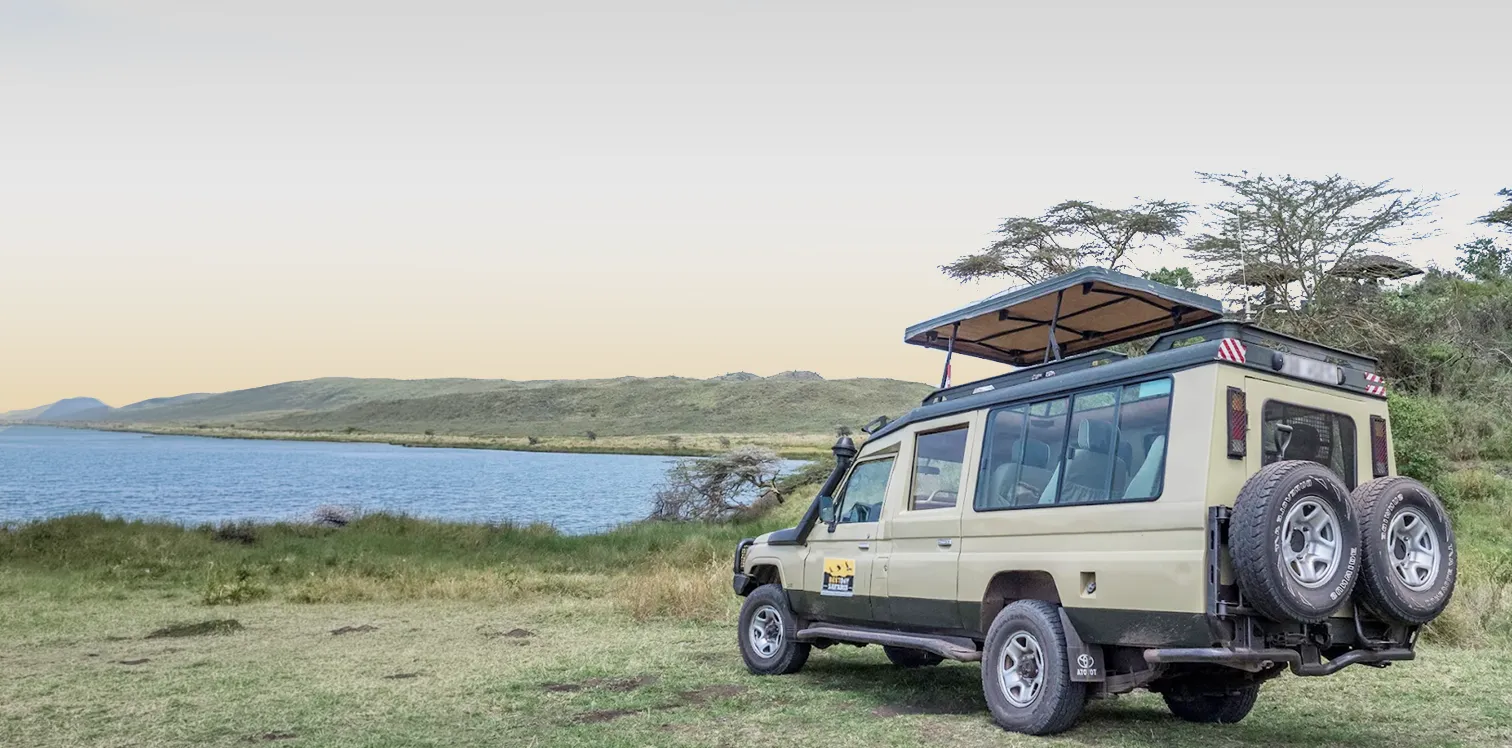
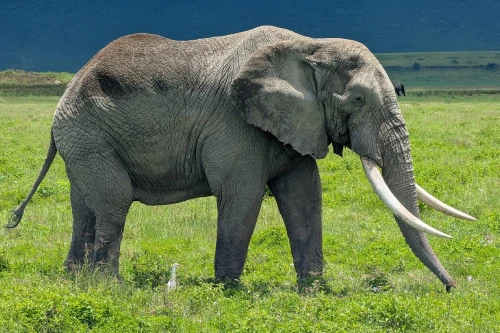
A lone elephant walks across a dry golden plain, raising light dust behind it. The soft sky and distant horizon create a calm, open scene that feels quiet, wild, and timeless.
A Complete Professional Guide On Car Hire In Arusha
Arusha is widely recognized as the safari capital of Tanzania and East Africa, serving as the main gateway to some of the world's most famous wildlife destinations, including the Serengeti National Park, Ngorongoro Crater, Tarangire National Park, and Lake Manyara National Park.
Because of its strategic location, Arusha has developed a highly specialized car-hire industry focused not only on standard transportation but also on professional safari vehicle rental services designed for wilderness travel.
Unlike typical urban car rentals, car hire in Arusha is centered on 4x4 safari-ready vehicles, designed to operate in rugged terrain, remote national parks, and off-road environments where standard vehicles cannot function.
- 1.The Role of Arusha as a Safari Hub Safari
- 2.Types of Safari Vehicles Available for Hire in Arusha
- 3. Why 4x4 Safari Vehicles Are Essential in Arusha
- 4.Core Features of our Safari Vehicles in Arusha
- 5.Self-Drive vs Chauffeur-Driven Safari Hire
- 6.How Safari Car Hire Works in Arusha
- 7.Key Advantages of Hiring Safari Vehicles in Arusha
- 8.Fuel And Parking Logistics For A Safari Car Hire In Arusha
- 9.Fuel Logistics In Safari Operations
- 10.Park Logistics In Safari Operations
- 11.Frequently Asked Questions
For travelers, tour operators, researchers, photographers, and film crews, car hire in Arusha is not just about mobility; it is about accessing Africa’s wilderness safely, efficiently, and comfortably.
Lorem Ipsum is simply dummy text of the printing and typesetting industry. Lorem Ipsum has been the industry's standard dummy text ever since the 1500s, when an unknown printer
The Role of Arusha as a Safari Hub
Arusha plays a unique role in Tanzania’s tourism ecosystem. It is:
- The main starting point for northern circuit safaris
- Home to numerous safari operators and vehicle fleets
- Close to Kilimanjaro International Airport (JRO)
- A logistics hub for fuel, supplies, guides, and park permits
Most safari journeys begin in Arusha because it offers immediate access to multiple national parks within a few hours’ drive.
This has shaped the car hire industry into a highly specialized sector focused on safari-ready 4x4 vehicles rather than standard city cars.
Types of Safari Vehicles Available for Hire in Arusha
Our Car hire is a wide range of vehicles, but safari vehicles dominate the market.
4x4 Toyota Land Cruisers (Standard Safari Vehicles – Entry Level Safari Setup)
The standard 4x4 Toyota Land Cruiser is the most basic safari configuration commonly used in budget and entry-level safari operations across Tanzania.
While it is still a capable off-road vehicle, it is typically less modified and offers a more basic level of comfort than extended or premium safari Land Cruisers.
Key Characteristics:
- Standard factory-based seating configuration with minimal modifications
- Basic safari suspension (less upgraded shock absorption)
- Smaller interior space with limited legroom
- Standard roof conversion (smaller or manual pop-up roof system)
- Limited luggage space inside the cabin
- Fewer comfort enhancements for long-distance travel
Comfort Level During Safari:
Although functional, standard Land Cruisers are generally:
- Less comfortable on long safari drives
- More affected by rough terrain vibrations
- Limited in seating ergonomics for multi-day safaris
- Not ideal for extended journeys such as Serengeti circuits
These vehicles are mainly suitable for:
- Short safaris
- Budget-focused travel
- Basic transport between parks rather than premium game viewing experiences
While they still perform well in wilderness conditions, they are considered entry-level safari vehicles with minimal comfort enhancements.
Safari Extended Land Cruisers (Enhanced Comfort Group Safari Vehicles)
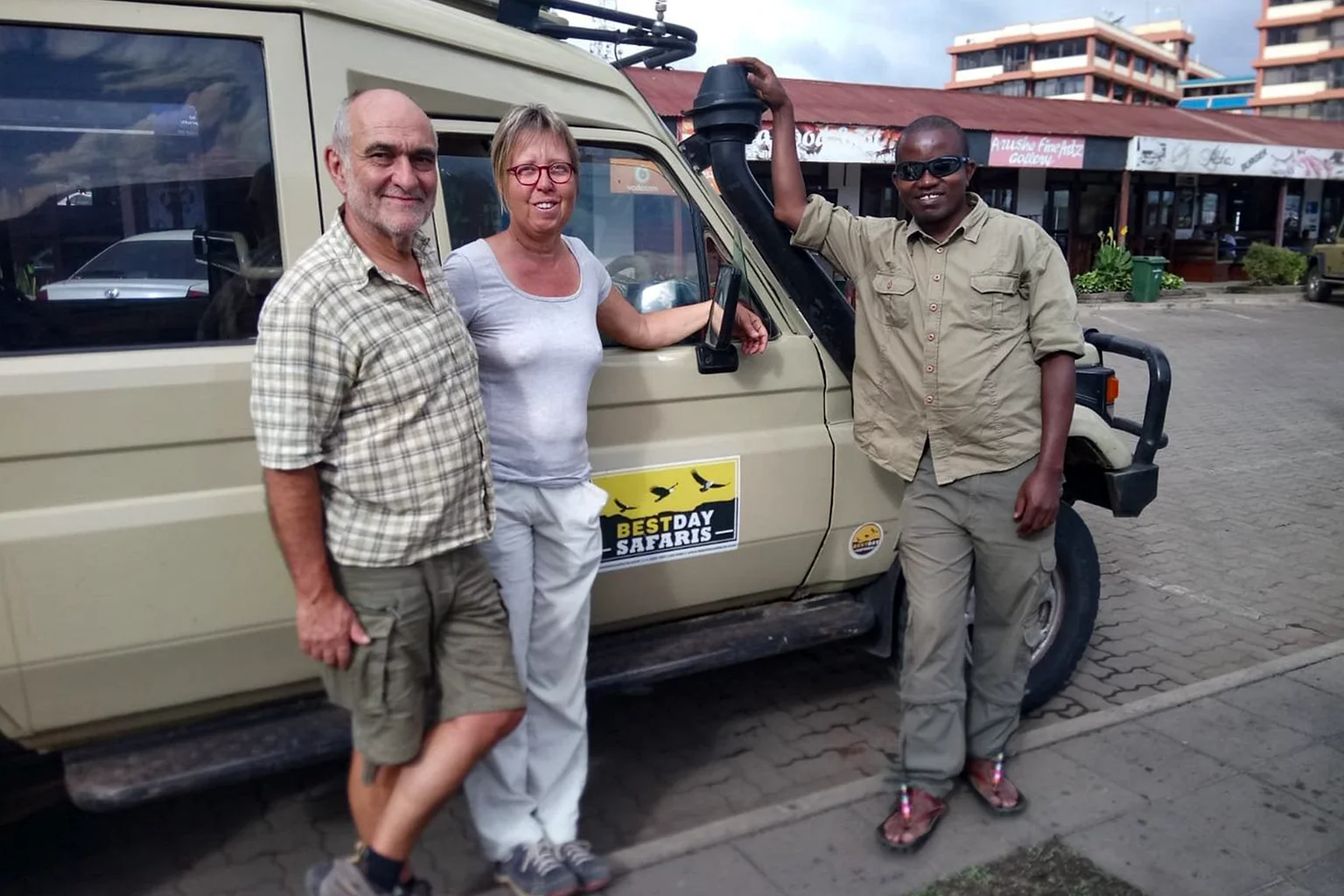
The extended safari Land Cruiser is a significantly upgraded and modified version of the standard model, specifically designed to improve comfort, space, and overall safari experience, especially for multi-day journeys and group travel.
These vehicles are the preferred choice for professional safari operators like BestDay Safaris, especially for routes covering the Serengeti National Park and Ngorongoro Crater.
Key Enhancements and Features:
- Extended chassis or modified body structure for extra space
- Wider seating arrangement with improved legroom
- Dedicated luggage compartment for group storage
- Fully upgraded safari suspension system for smoother rides
- Large panoramic windows for better wildlife visibility
- Strong pop-up roof system designed for group viewing
- Improved airflow and interior ventilation
Comfort and Experience Level:
Compared to standard Land Cruisers, extended safari vehicles offer:
- Significantly improved comfort on long game drives
- Reduced fatigue during full-day safaris
- Better seating posture and space for photography
- Enhanced stability on rough terrain
- A more enjoyable experience for families and groups
Best Use Cases:
- Multi-day safari itineraries
- Group safaris (4–6+ passengers)
- Long-distance circuits (Arusha → Serengeti → Ngorongoro)
- Travelers prioritizing comfort and space
Toyota Land Cruiser Prado (Comfort SUV Option)
The Prado is often used for:
- Luxury transfers
- Small private safaris
- Business and VIP travel
While comfortable, it is less suitable for deep off-road safari use compared to standard Land Cruisers.
Safari Vans (Less Common in Northern Circuit)
Some companies still offer safari vans, but they are:
- Less durable on rough terrain
- Limited in visibility
- Less preferred for Serengeti and Ngorongoro routes
Most professional operators now prefer 4x4 Land Cruisers.
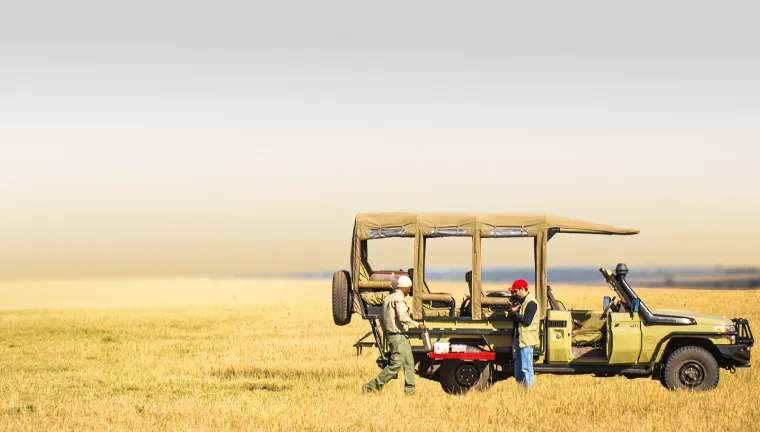
Open Safari Vehicles (Special Use)
Open vehicles are used in:
- Private conservancies
- Photographic safaris
- Controlled wildlife areas
They provide:
- Unobstructed wildlife viewing
- Immersive safari experience
- High photography value
However, they are less common in Tanzania’s national parks compared to closed vehicles.
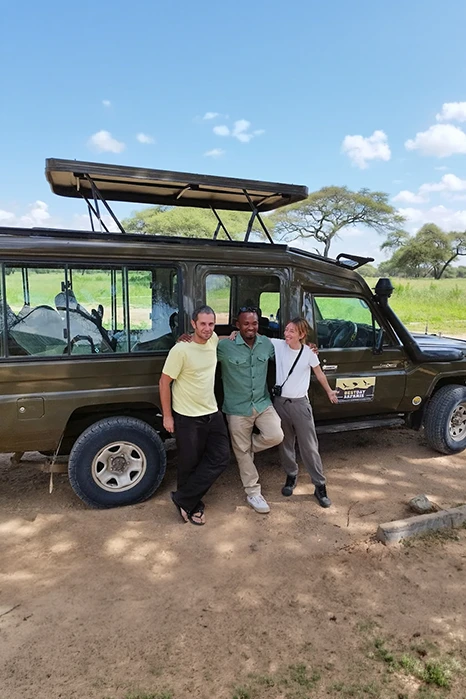
Lorem ipsum dolor sit amet. Qui eius minus est internos facere eum maxime veniam. Aut rerum sequi eos optio nemo sit dignissimos vitae est quasi doloribus.
Why 4x4 Safari Vehicles Are Essential in Arusha
Safari travel in Tanzania is not comparable to urban or highway driving.
The terrain includes:
- Gravel and dust roads
- Mud during rainy seasons
- River crossings
- Rocky landscapes
- Long distances between parks
Because of this, only true 4x4 safari vehicles can ensure:
- Safety
- Reliability
- Comfort
- Accessibility to remote wildlife areas
Without properly designed safari vehicles, access to many wildlife regions would be impossible.
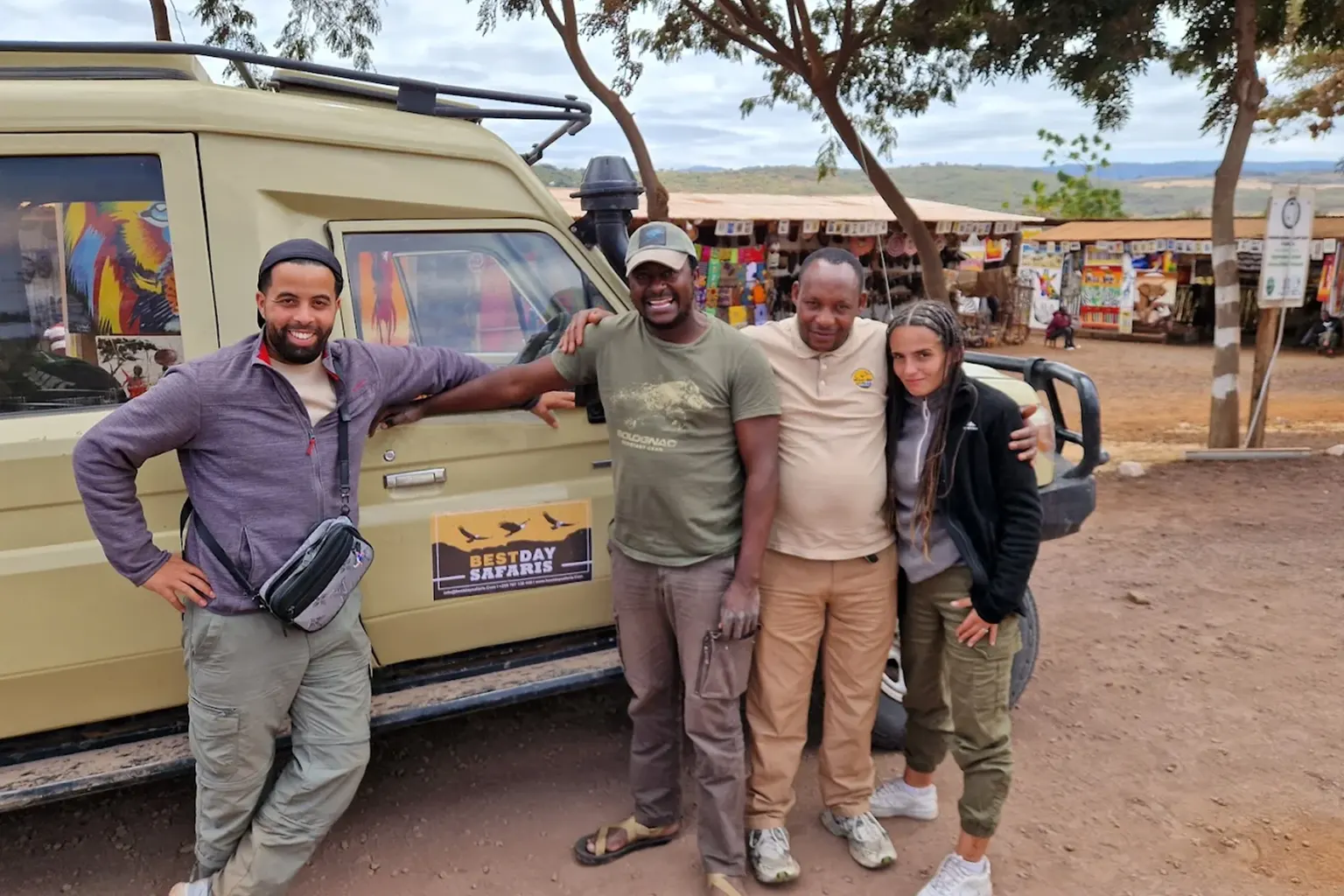
Lorem Ipsum is simply dummy text of the printing and typesetting industry. Lorem Ipsum has been the industry's standard dummy text ever since the 1500s, when an unknown printer
Core Features of our Safari Vehicles in Arusha
A professional safari vehicle is not a standard rental car. It is a specialized wildlife viewing machine.
Pop-Up Roof System
Allows guests to stand and view wildlife safely from an elevated position.
Guaranteed Window Seats
Vehicles are configured to ensure every guest has direct viewing access.
Reinforced Suspension
Ensures smooth travel over rough terrain.
Communication Radios
Used by guides to locate wildlife and coordinate with other vehicles.
Cooler Boxes / Fridges
Keep drinking water cold during long game drives.
Charging Ports
Allow guests to charge phones and cameras.
Safety Equipment
Includes:
- First aid kits
- Fire extinguishers
- Seat belts
- Emergency tools
Self-Drive vs Chauffeur-Driven Safari Hire
Car hire in Arusha generally falls into two categories:
Self-Drive Safari Hire
This option is suitable for experienced travelers.
Advantages:
- Full independence
- Flexible itinerary
- Private experience
Challenges:
- Requires navigation skills
- Park regulations knowledge
- Wildlife driving experience
Chauffeur-Driven Safari Hire (Most Recommended)
This is the most common and recommended option.
It includes:
- Professional driver-guide
- Wildlife expertise
- Park navigation
- Vehicle handling
Benefits:
- Better wildlife sightings
- Stress-free travel
- Safety assurance
- Cultural and ecological interpretation
How Safari Car Hire Works in Arusha
The process typically includes:
Step 1: Inquiry and Booking
Clients request:
- Vehicle type
- Number of passengers
- Safari itinerary
- Duration
Step 2: Vehicle Allocation
A suitable 4x4 safari vehicle is assigned.
Step 3: Driver-Guide Assignment
If requested, an experienced safari guide is allocated.
Step 4: Pre-Safari Preparation
Includes:
- Vehicle inspection
- Fuel preparation
- Equipment check
- Route planning
Step 5: Safari Execution
Vehicle operates across parks such as Serengeti and Ngorongoro.
A good safari vehicle changes the whole journey. In Arusha, the right car hire gives you comfort, safety, and the freedom to travel deeper into Tanzania’s wild places.
Peter Charles
Lorem Ipsum is simply dummy text of the printing and typesetting industry. Lorem Ipsum has been the industry's standard dummy text ever since the 1500s, when an unknown printer
Key Advantages of Hiring Safari Vehicles in Arusha
- Direct access to northern circuit parks
- Professionally equipped 4x4 vehicles
- Experienced safari driver-guides
- Flexible travel arrangements
- Reliable logistics support
- High safety standards
Fuel And Parking Logistics For A Safari Car Hire In Arusha
Fuel management and park logistics are two of the most critical operational elements in safari car hire services in Arusha. Unlike standard urban car rental, safari operations involve remote travel across vast wilderness areas, long distances between parks, and strict national park regulations. Proper planning ensures that every safari vehicle runs smoothly, safely, and without interruption.
Fuel Logistics In Safari Operations
Fuel Requirements for Safari Vehicles
Safari vehicles, especially 4x4 Toyota Land Cruisers, consume significantly more fuel than standard vehicles due to:
- Off-road driving conditions
- Heavy safari modifications (roof tents, pop-up roofs, equipment)
- Long-distance travel between parks
- Rough terrain in national parks
On average, a safari vehicle may travel:
- 200–500 km per day during peak safari itineraries
- Even more during multi-park circuits (Arusha → Tarangire → Serengeti → Ngorongoro)
Fuel Types Used
Most safari vehicles in Arusha run on:
- Diesel fuel (primary option) – preferred for torque, durability, and long-distance efficiency
- Occasionally petrol vehicles exist, but they are rare for safari use
Diesel is favored because it:
- Performs better on rough terrain
- Offers higher fuel efficiency under load
- Is widely available across Tanzania
Fuel Planning Before Safari Departure
Before any safari begins, BestDay Safaris Team carry out detailed fuel planning:
Key steps include:
- Full tank refueling in Arusha
- Calculating total route distance
- Estimating consumption per park segment
- Adding safety fuel buffer (10–20%)
Example:
A 5-day northern circuit safari may require:
- Arusha → Tarangire → Serengeti → Ngorongoro → Arusha
- Total distance: 800–1,200 km depending on route
- Multiple fuel stops planned strategically
Fuel Availability in National Parks
Fuel availability inside national parks is extremely limited or non-existent.
Key locations:
- Arusha City (main refueling hub)
- Karatu (near Ngorongoro gate) – limited fuel stations
- Small supply points near park entrances (unreliable)
Inside parks such as the Serengeti National Park, there are:
- Only one public fuel stations
- In most remote regions no fuel stations
Therefore, vehicles must always enter parks with sufficient fuel.
Fuel Management Strategy During Safari
Pre-Entry Full Tank Rule
Vehicles must enter major parks (Serengeti, Ngorongoro) with:
- Full tank
- Reserve jerry cans (in some cases)
Consumption Monitoring
Driver-guides continuously monitor:
- Fuel gauge levels
- Distance traveled
- Terrain difficulty
Emergency Fuel Reserves
Some operators carry:
- 20–40 liters emergency fuel reserve
- Stored in approved safety containers
Refueling Windows
Refueling is done:
- Before entering parks
- After exiting parks
- During overnight stops in towns like Karatu or Arusha
Find the right safari vehicle for your tour and travel plans.
Reliable cars for every route.
Park Logistics In Safari Operations
Park logistics refer to all operational requirements needed to enter, move through, and exit Tanzania’s national parks efficiently and legally.
Park Entry Permits and Regulations
Every safari vehicle must comply with strict park regulations.
Required documents:
- Park entry permits (per person, per day)
- Vehicle entry permits
- Conservation fees
- Crater service fees (Ngorongoro-specific)
For example:
- Ngorongoro Crater requires a special crater descent fee per vehicle
- Serengeti National Park requires daily park fees per guest
Park Gate Logistics
Each national park has designated entry and exit gates.
Common northern circuit gates:
- Tarangire Gate (Main entrance)
- Naabi Hill Gate (Serengeti entrance)
- Ndabaka Gate (western Serengeti access)
- Lodoare Gate (Ngorongoro access)
Entry process includes:
- Document verification
- Payment confirmation
- Vehicle inspection
- Guest registration
Delays can occur during peak season, so timing is carefully planned.
Road Conditions Inside National Parks
Park roads vary significantly:
Dry Season Roads
- Dusty but passable
- Faster travel times
- High visibility for wildlife
Rainy Season Roads
- Muddy and slippery
- Some routes become inaccessible
- Requires high 4x4 capability
This is why strong safari vehicles are essential.
Frequently Asked Questions
Car hire in Arusha mainly includes 4x4 Toyota Land Cruisers, safari SUVs (Prado), safari vans, and occasionally luxury vehicles. The most popular option for safaris is the 4x4 Land Cruiser with a pop-up roof, designed specifically for game drives in national parks such as the Serengeti National Park and Ngorongoro Crater.
Both options are available. However, chauffeur-driven safari vehicles with a professional driver-guide are strongly recommended, especially for first-time visitors. Driver-guides provide navigation, wildlife tracking, and ensure compliance with park regulations.
Yes. All safari vehicles are specially modified 4x4 Land Cruisers designed for rough terrain, gravel roads, and off-road conditions inside national parks and conservation areas.
Most safari vehicles in Arusha carry a maximum of 6 passengers, ensuring comfort, space, and guaranteed window seating for all guests.
Yes. Safari vehicles are designed so that every passenger has a window seat, providing clear and uninterrupted wildlife viewing throughout the journey.
Fuel arrangements vary by operator. In most safari packages, fuel is either:
- Included for guided safaris, or
- Paid separately for self-drive rentals
Tanzania Tour Operators usually ensure that tanks are full before entering remote parks.
Yes. Safari vehicles are commonly used across the northern circuit, including Tarangire, Lake Manyara, Ngorongoro, and Serengeti National Park, depending on your itinerary and rental agreement.
Yes. Vehicles are equipped with:
- Seat belts
- First aid kits
- Fire extinguishers
- Communication radios
Safety is a top priority in all of our safari operations.
Most safari car hire packages include:
- 4x4 safari vehicle
- Professional driver-guide (if applicable)
- Unlimited mileage within itinerary
- Park navigation support
- Basic equipment (cooler box, charging ports)
Car hire in Arusha is a flexible safari-based service, meaning prices are not fixed and depend on vehicle type, service level, season, duration, route, fuel inclusion, and whether a driver-guide is provided. Since most rentals are designed for safari travel, pricing is based on specialized 4x4 Land Cruisers used for national park expeditions, such as in the Serengeti National Park. Tarangire, Lake Manyara and Ngorongoro Crater.
Average Car Hire Costs in Arusha (Per Day)
- Budget SUV (e.g. RAV4/Prado) (2–4 pax): USD 100 – 200/day
- Standard 4x4 Safari Land Cruiser(2–4 pax): USD 220 – 350/day
- Extended Safari Land Cruiser (6–7 pax): USD 250 – 400/day
- Luxury Safari Land Cruiser (V8/VX): USD 300 – 500+/day
Plan a Trip to Tanzania
We offer different tour types. You can also chat with a local travel specialist if you want a customized tour to Tanzania.


Recommended by


Guestbook Moments
Real Stories from Safari Guests
A good safari often lives on through the words guests bring back. Here, Bestday Safaris travelers share notes on the people, pace, small comforts, wildlife moments, and honest care that became part of their journey. Their reviews help future travelers see beyond the itinerary and understand how each safari feels on the ground.
Excellent

4.9 out of 5
753 Reviews
Lorena T

We had an amazing experience with BestDays Safaris. Our driver Muro was very knowledgeable, took us away from crowds to spot animals and was an excellent guide. The camping accommodation that BestDay Safaris
Mar 2026

Alejandra Q
We just finished an incredible safari as our honeymoon on a private safari tour for us two with Best Day Safaris in Tanzania and the whole experience exceeded our expectations.During the trip we explored Tarangire...
Mar 2026
Gabriel R
Our safari in Tanzania was honestly better than we ever imagined, easily the best trip we’ve ever taken. We visited Tarangire National Park, the incredible Serengeti National Park, and the breathtaking and the breathtaking...
Mar 2026

Francesca C
Beautiful experience, absolutely to try! If you love nature and animals you can not miss this incredible journey with Best Day Safari! My father and I visited in 4 days the Tarangire park, the Serengeti (with...
Dec 2025

Michaela P
We planned our 5-day safari about 1 month before with Xenia. Communication with Xenia was straightforward, very friendly, very reliable and she gave us enough freedom and time to make decisions. The safari has...
Oct 2025

Chad
We had the most amazing safari experience with BestDay safari’s. From start to finish they were exceptional, Xenia planned the perfect 10 day safari and our guide Joseph was extremely kind, knowledgable and...
Jan 2026
Start planning your safari. Get matched with a local adventure specialist.
David
Jackson Mollel
 Stephen
 Faraj
Faraj
 Abel
Abel