
Nyerere National Park

Nyerere National Park

About Nyerere

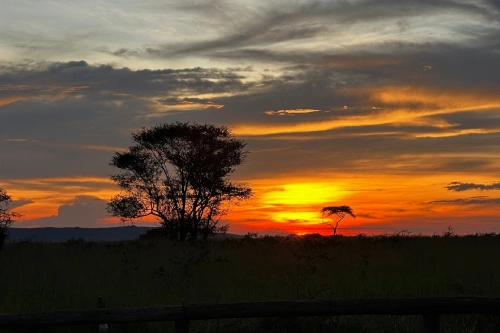
Nyerere National Park is the largest national park and was previously known as the Selous Game Reserve. It was established in 2019, which makes it relatively new compared to its counterparts. The park was named in honor of the Late Mwalimu Julius Kambarage Nyerere. It covers over 30,000 square kilometers and is located in southern Tanzania.

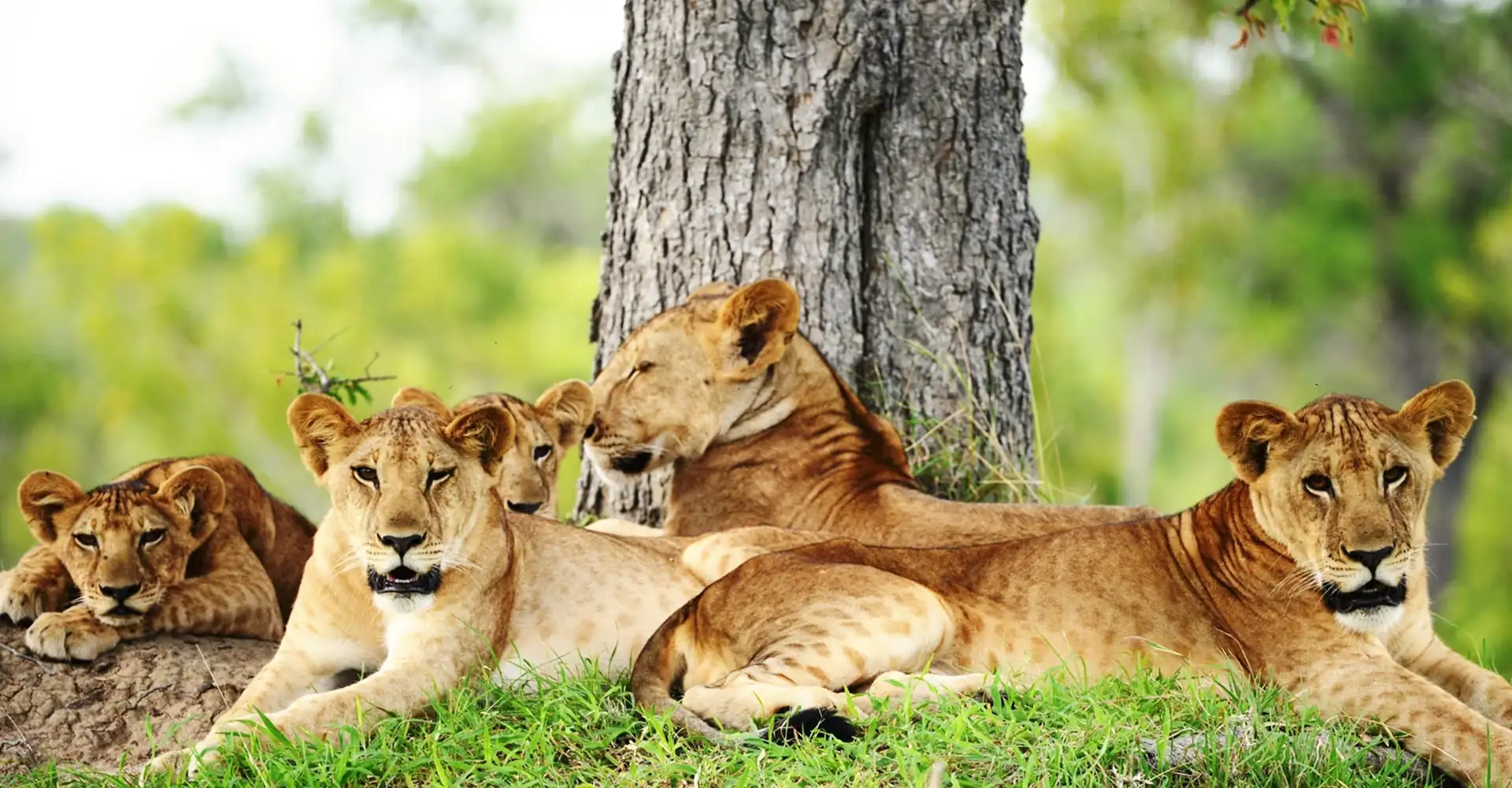
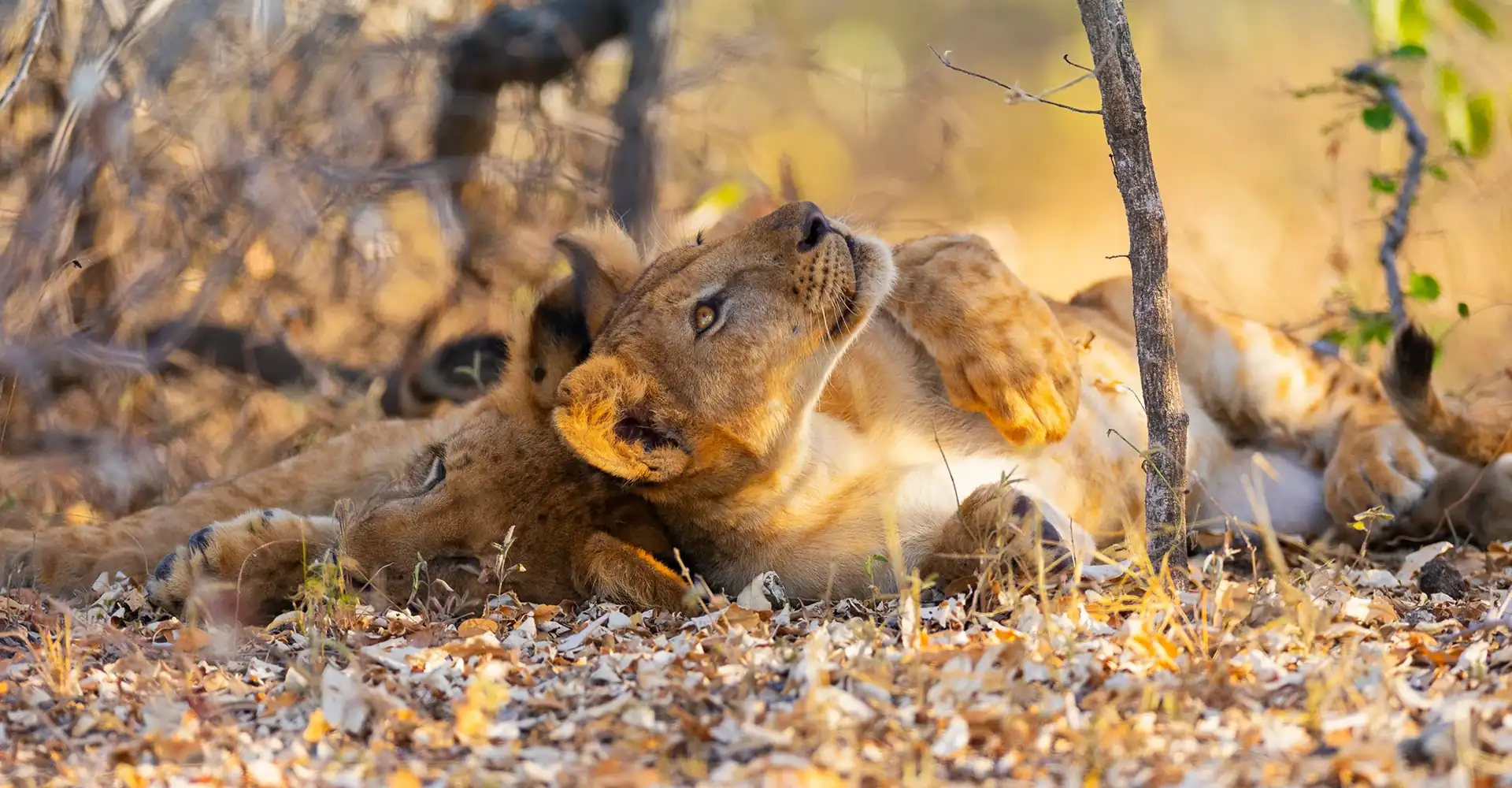
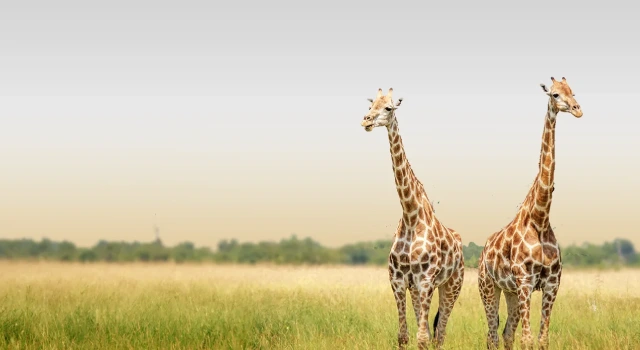
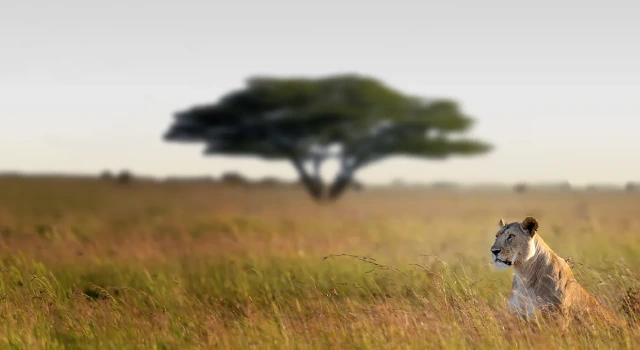
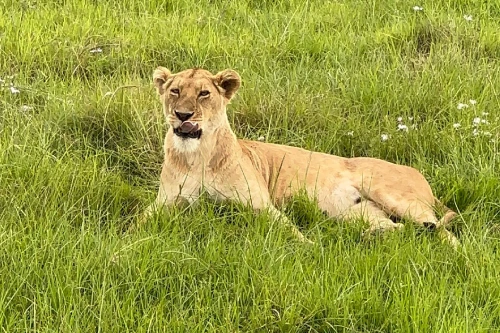
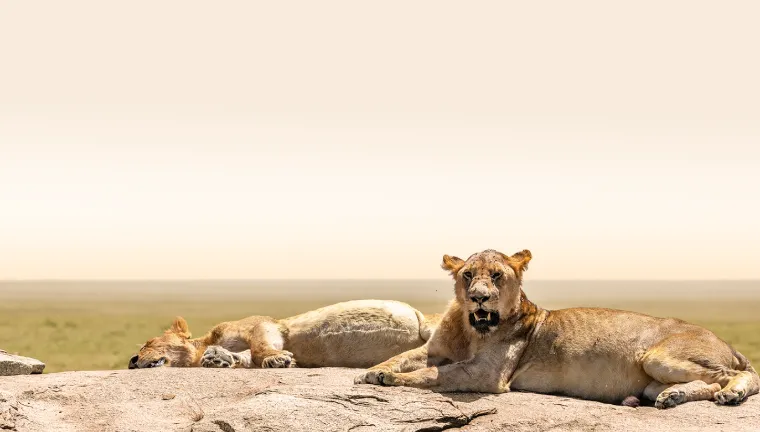
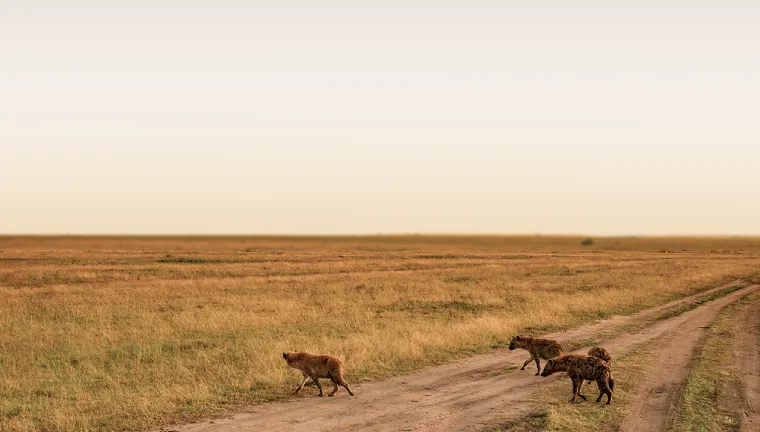
The main wildlife-viewing circuit follows a string of five connected lakes fed by the Rufiji River. The river teems with hippo and crocodile and flows into the Indian Ocean. The birdlife is fantastic. Lion, buffalo, wild dog, and elephant sightings are widespread. One of the park's attractions is the opportunity to encounter wild dogs. This, accompanied by its pristine and undisturbed ecological and biological processes, has earned Nyerere a reputation as one of Africa’s last remaining wildernesses.

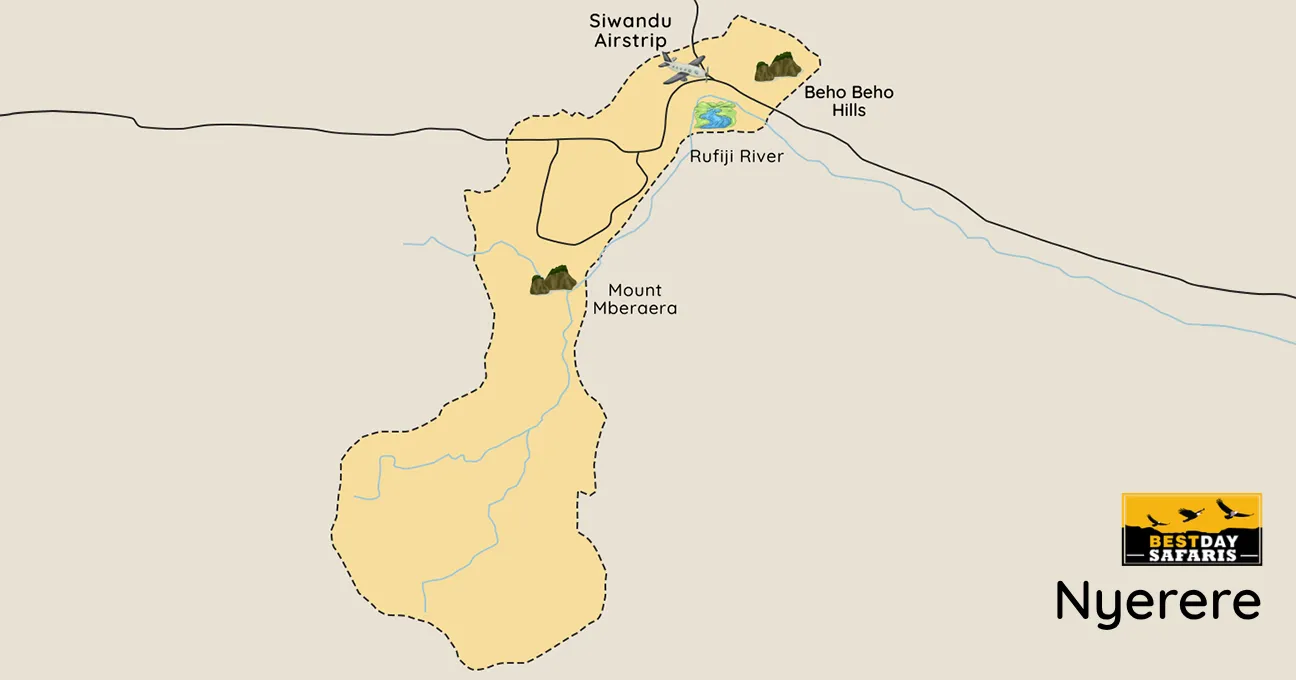
Rufiji River

The Rufiji River supports wildlife and shapes movement across the park landscape

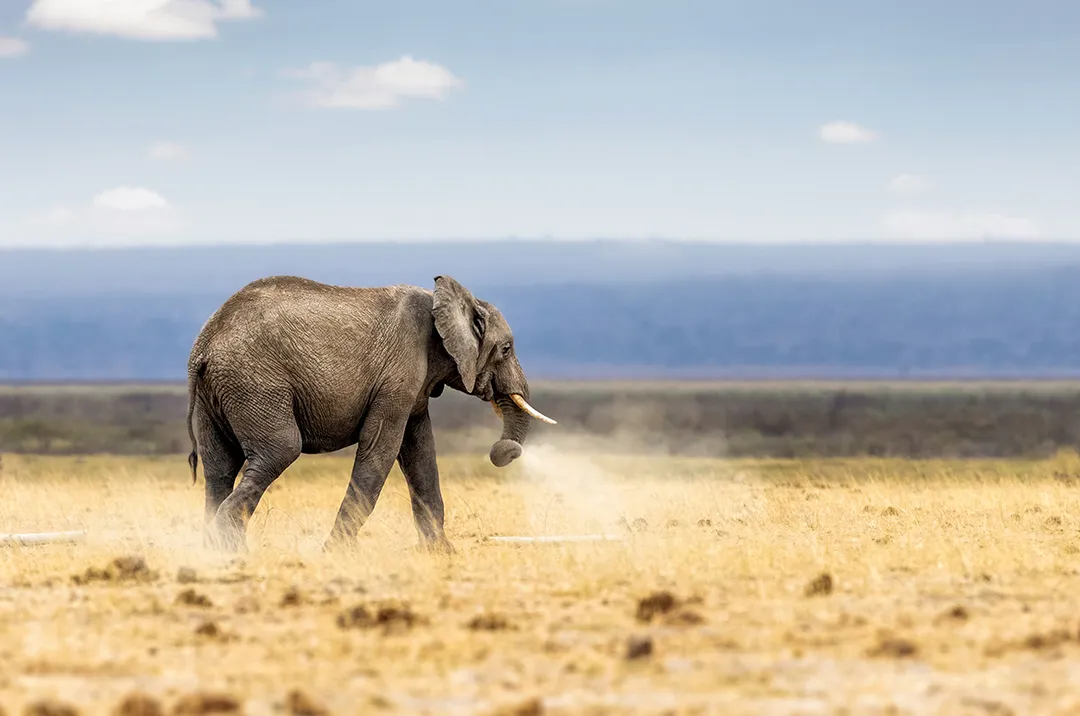
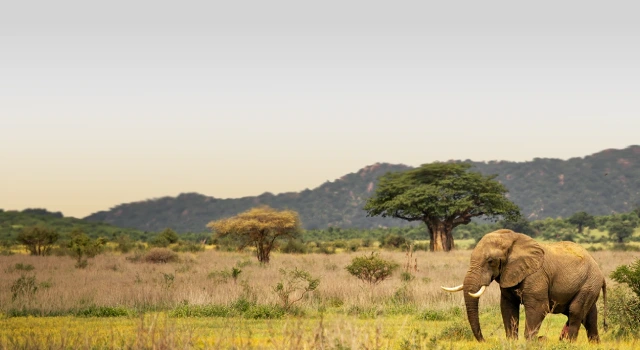
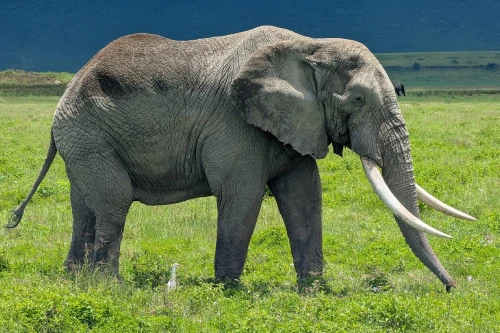
Elephant Numbers

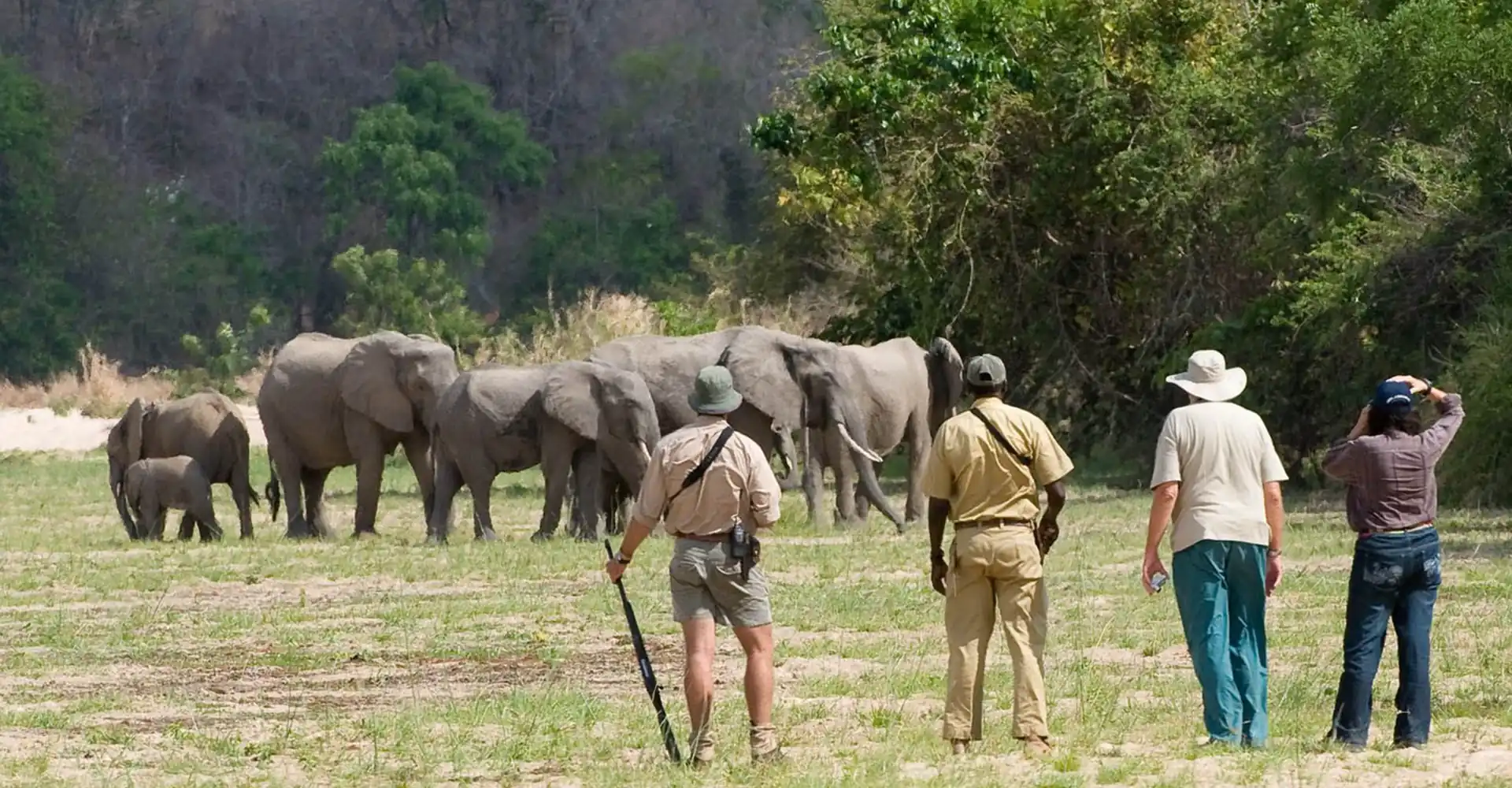
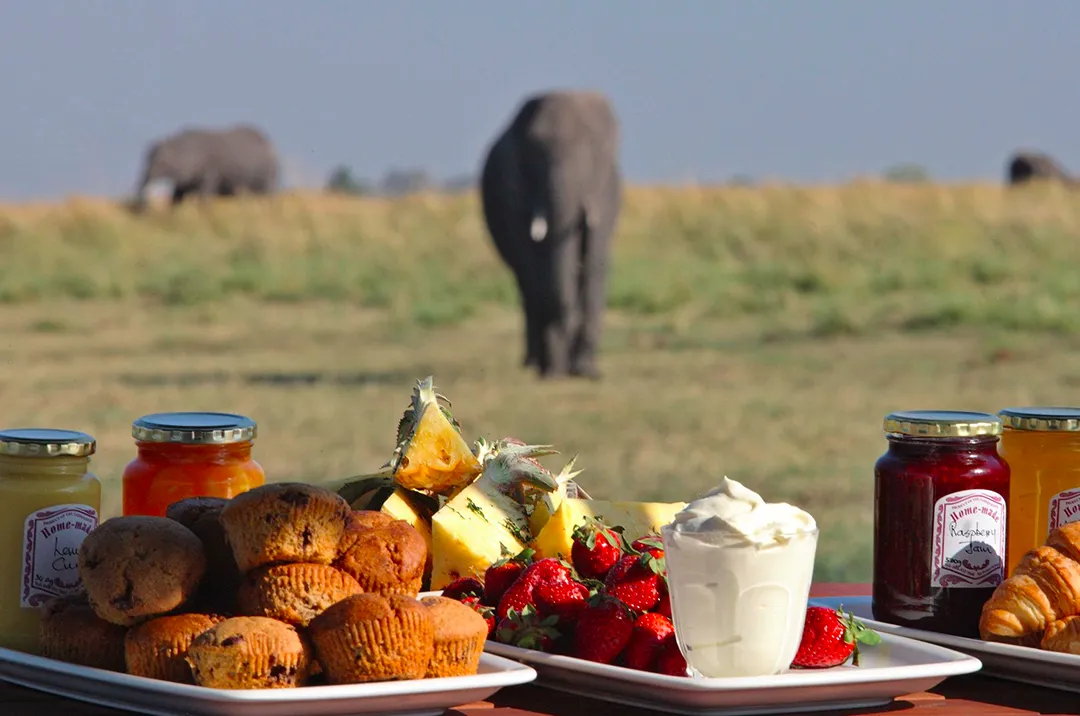
Large elephant populations move through the park, especially near water sources

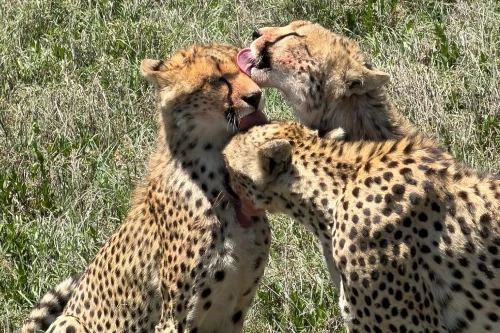
Wild Dog

One of the best places to see endangered African wild dogs clearly

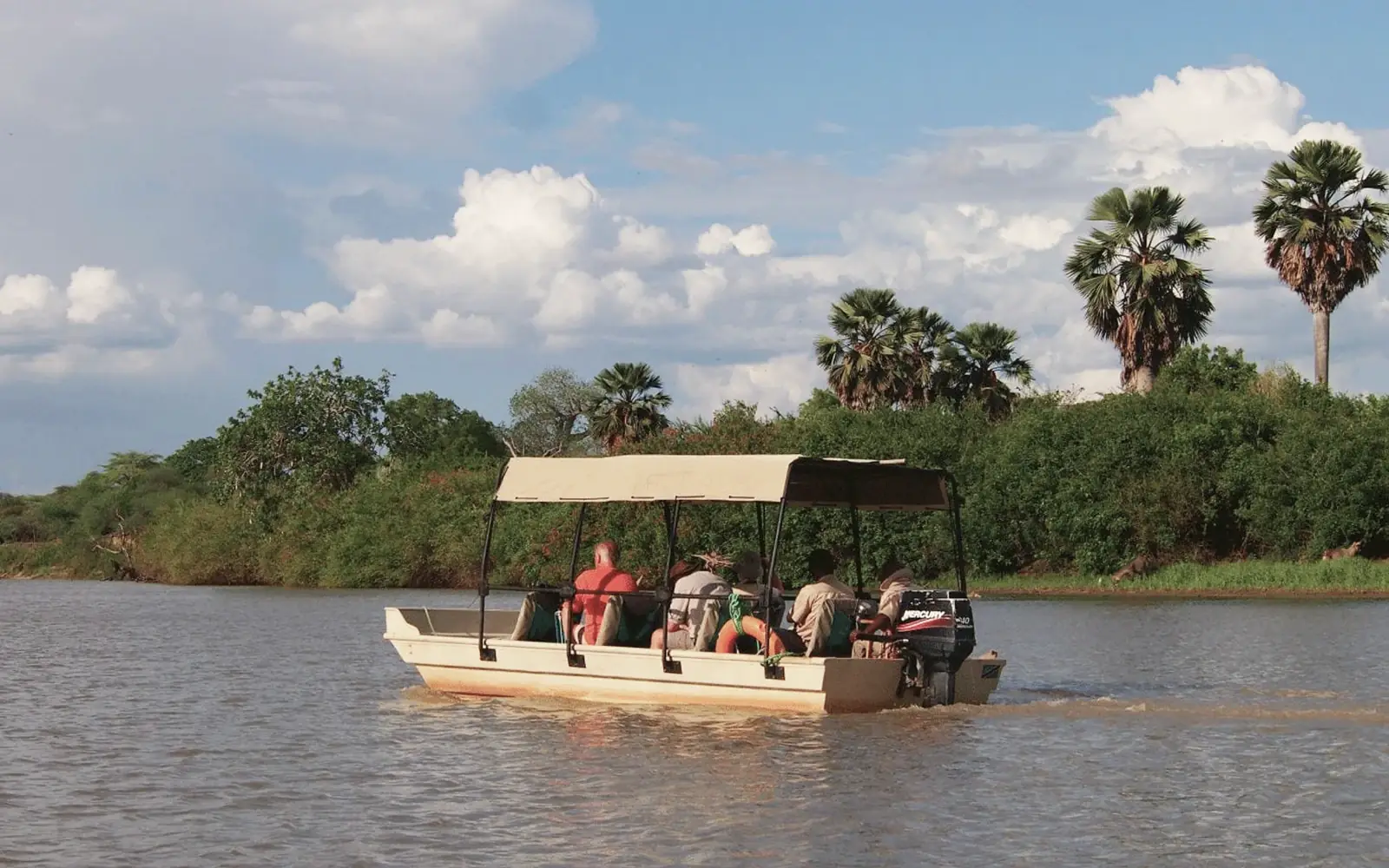
Boat Safari

Boat trips offer a different way to watch animals along riverbanks

Nyerere National Park Map

Plan Your Safari

Pick the right time, route, and camp based on how you want to travel.

Reach out if you want help putting together a Tanzania safari that actually works for your plan.

Best Time Guide

When to Visit Nyerere National Park

For the best wildlife viewing experience, visit Nyerere from June to October during the dry season.

Month Jan Feb Mar Apr May Jun Jul Aug Sep Oct Nov Dec
Max Temp (°C) 32 32 32 31 30 29 29 29 31 32 33 32
Min Temp (°C) 23 23 22 22 20 18 17 17 19 20 22 23
Rainfall (mm) 143 139 219 311 123 23 15 12 33 38 110 131

Best time to visit Nyerere National Park

The Best Time of the year to visit Nyerere National Park is the dry season, from June to October. This is the time when animals assemble around water resources. This makes it easier to watch wildlife without any obstruction. If you talk about the weather in Tanzania, it's at its best during this season. The temperature is usually between 27°C (80°F) and 30°C (86°F). You can go and visit every area of the park in the dry season. As Nyerere is in southern Tanzania, here the rains start earlier than in the northern part. You can anticipate rain around mid-December. Also, during the long rains from March to May, there is a high probability that lodges will be closed. This hints that good planning is important for a successful Tanzania Safari.

Dry Season

From June to October, it's the long dry season in Nyerere. Temperatures are pleasant, and the regular waterholes are drying up. The accessible lakes and rivers are busy as wildlife arrives to quench their thirst. This makes it a remarkable game-watching experience. January to February is the short dry season. The landscape is lush and green, and it is a wonderful time for photography.

Highlights

  • Animals gather near water sources, improving wildlife visibility across main areas
  • Game drives become more productive with concentrated animal movements
  • Road conditions remain stable, allowing access across larger park sections
  • Elephant and buffalo sightings become more frequent near riverbanks
  • Boat safaris provide clearer views along shrinking water channels

Highlights

  • Birdlife increases with migratory species arriving during wetter months
  • Green vegetation changes the overall look of the landscape significantly
  • Wildlife spreads out as water becomes available across the park
  • Some camps close due to heavy rains and access limitations
  • Scenery feels richer, though sightings require more time and patience

Wet Season

The rainy season in Nyerere National Park spans from November to May, with a short dry period from Jan to Feb. The rains disperse wildlife and block access. This means most accommodations are closed during these times. There are daily afternoon showers that give much-needed relief to the region. The landscape and wildlife are refreshed, and water levels are restored.

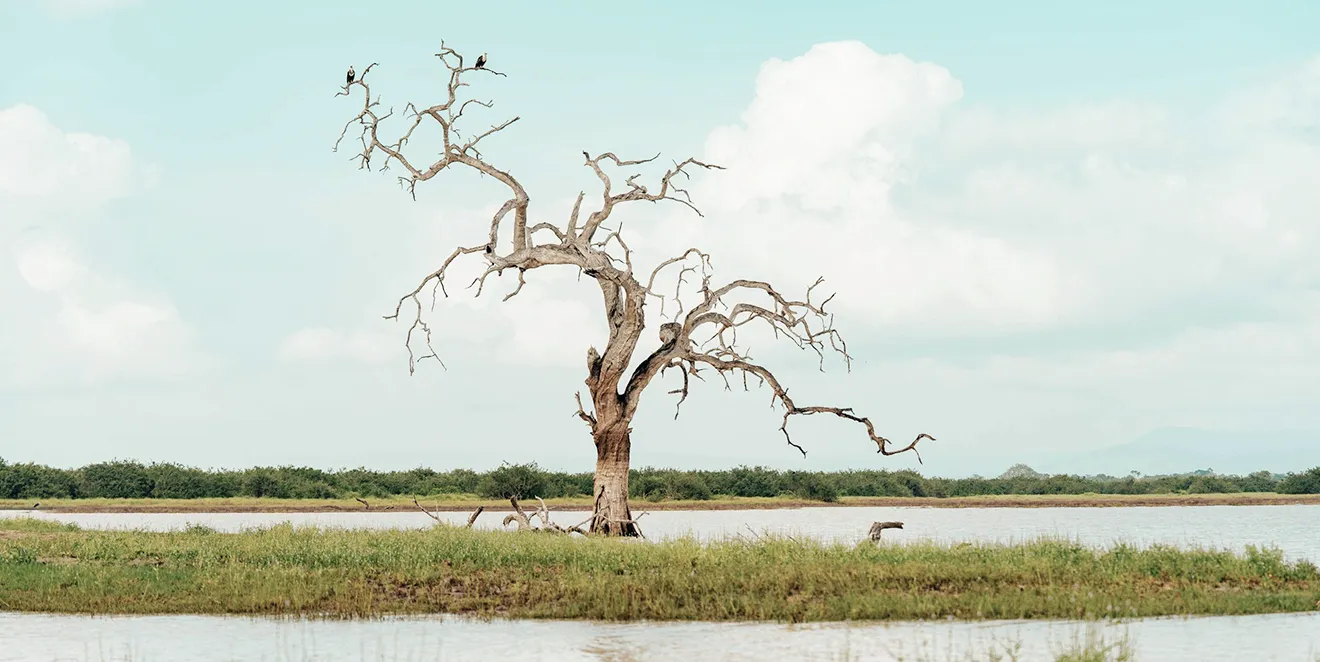
Traveling in Tanzania is one of the best decisions you can make because it offers a wide range of experiences. You see wildlife, move through very different landscapes, come closer to local culture, and experience things that do not all feel the same. And that is really what stays with people for years to come.

Peter
CEO, Bestday Safaris
Planning a trip to Tanzania
Nyerere Attractions

Stay updated with our safari travel ideas

Get exclusive safari updates straight to your inbox!

Things To Do

Explore Nyerere Activities

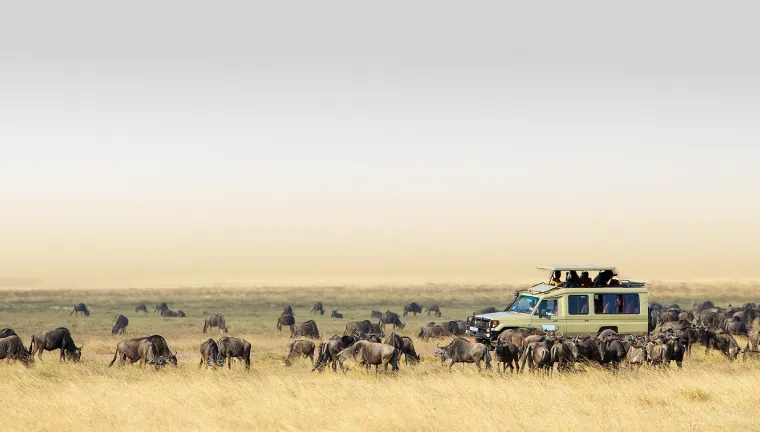
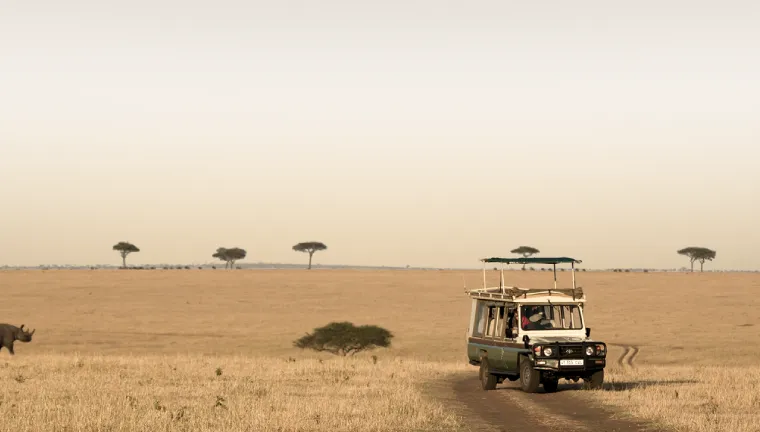
To enjoy the beauty of Nyerere National Park, visitors can engage in a range of activities. Popular things to do include game drives, bird watching, walking safaris, and boat safaris. The flow of the Rufiji River creates many waterways, providing an excellent atmosphere for boating safaris. Tourists can take part in the following activities by booking our Tanzania Safari Packages.

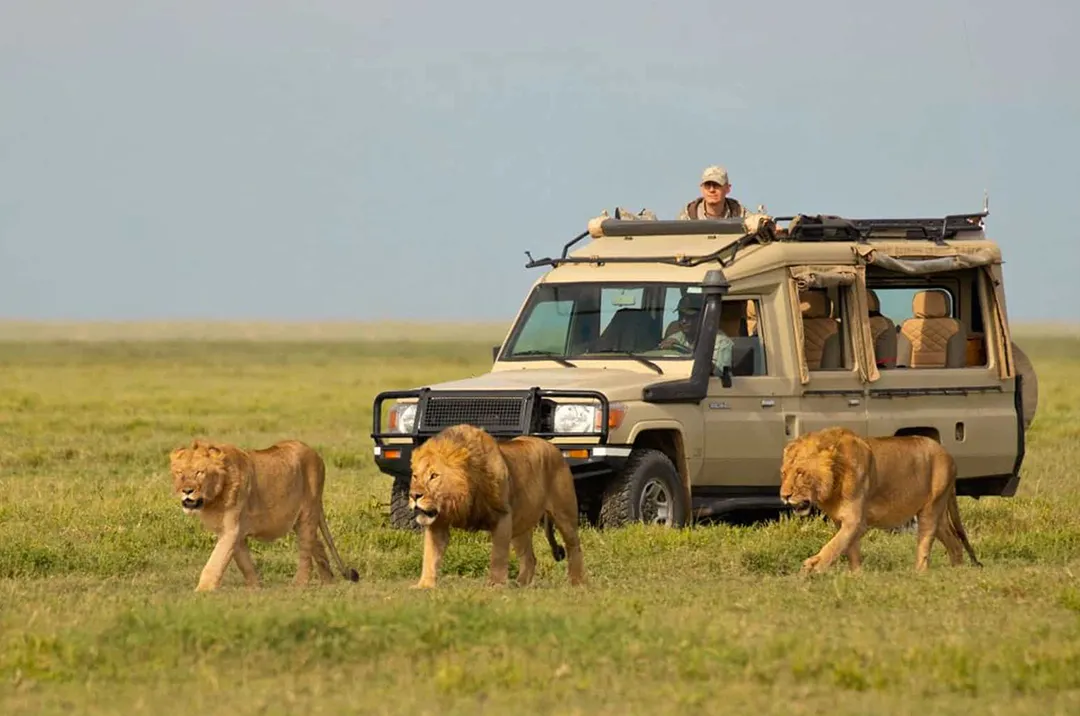
Game Drives

Game Drives

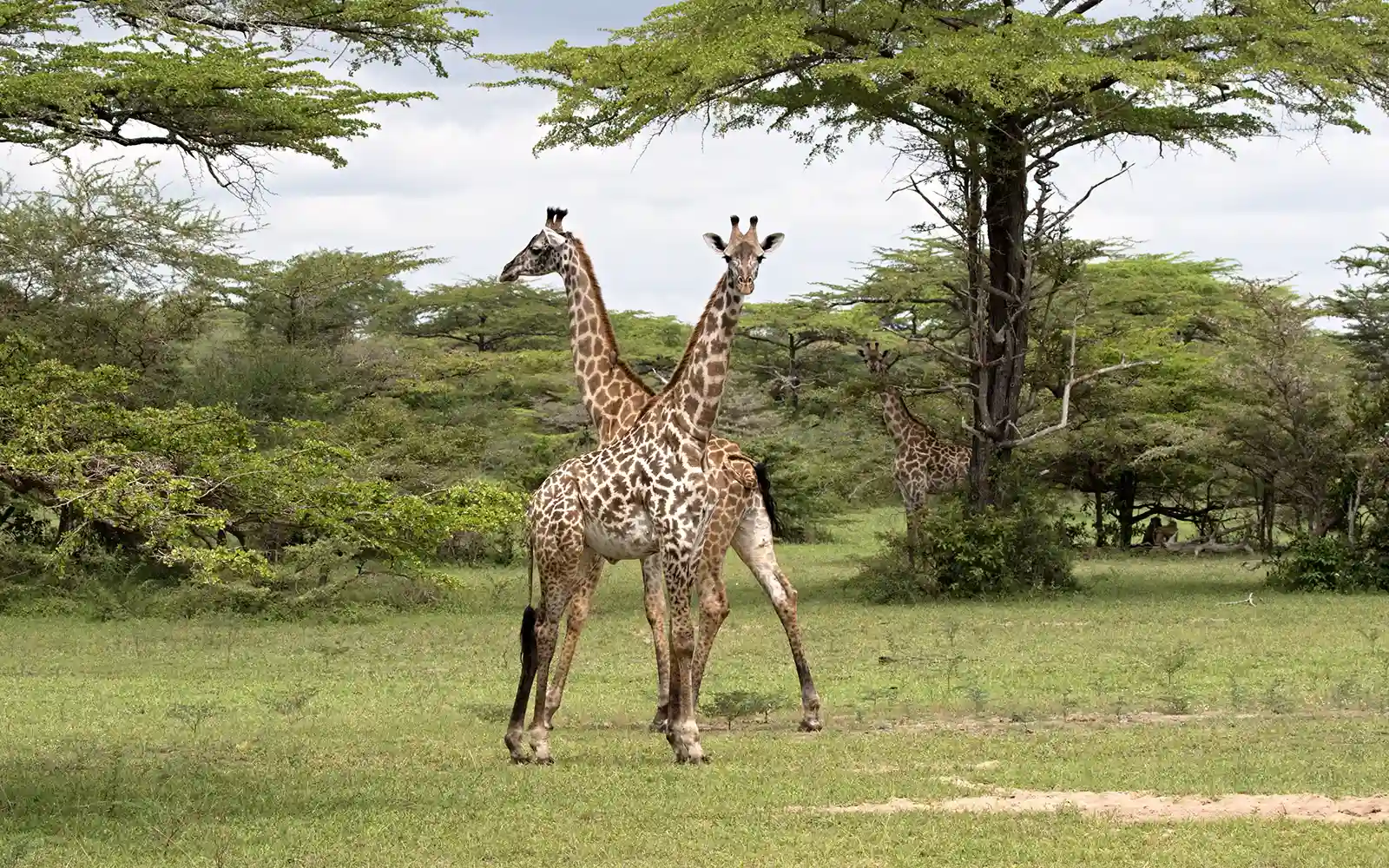
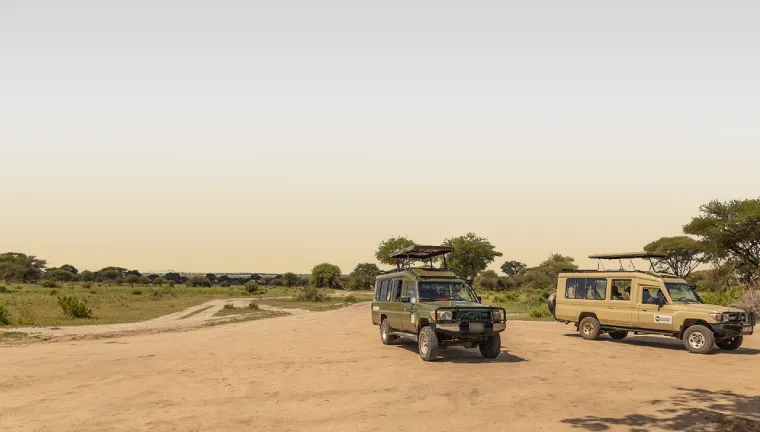
Drive through open areas and river zones to spot wildlife across habitats

Boat Safari

Boat Safari

Travel along the Rufiji River and watch animals gather near water edges

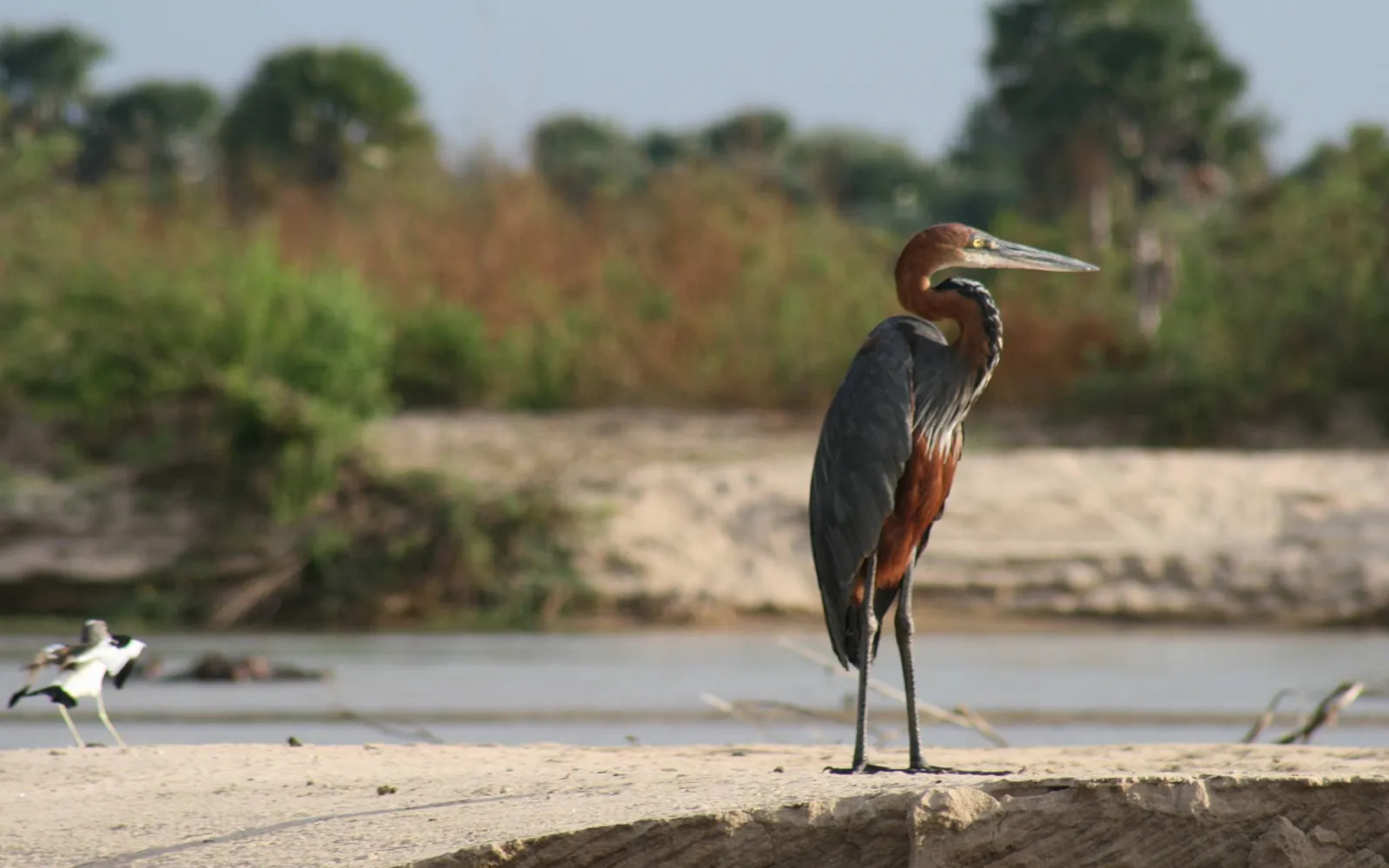
Bird Watching

Bird Watching

Explore habitats with over four hundred bird species across the park

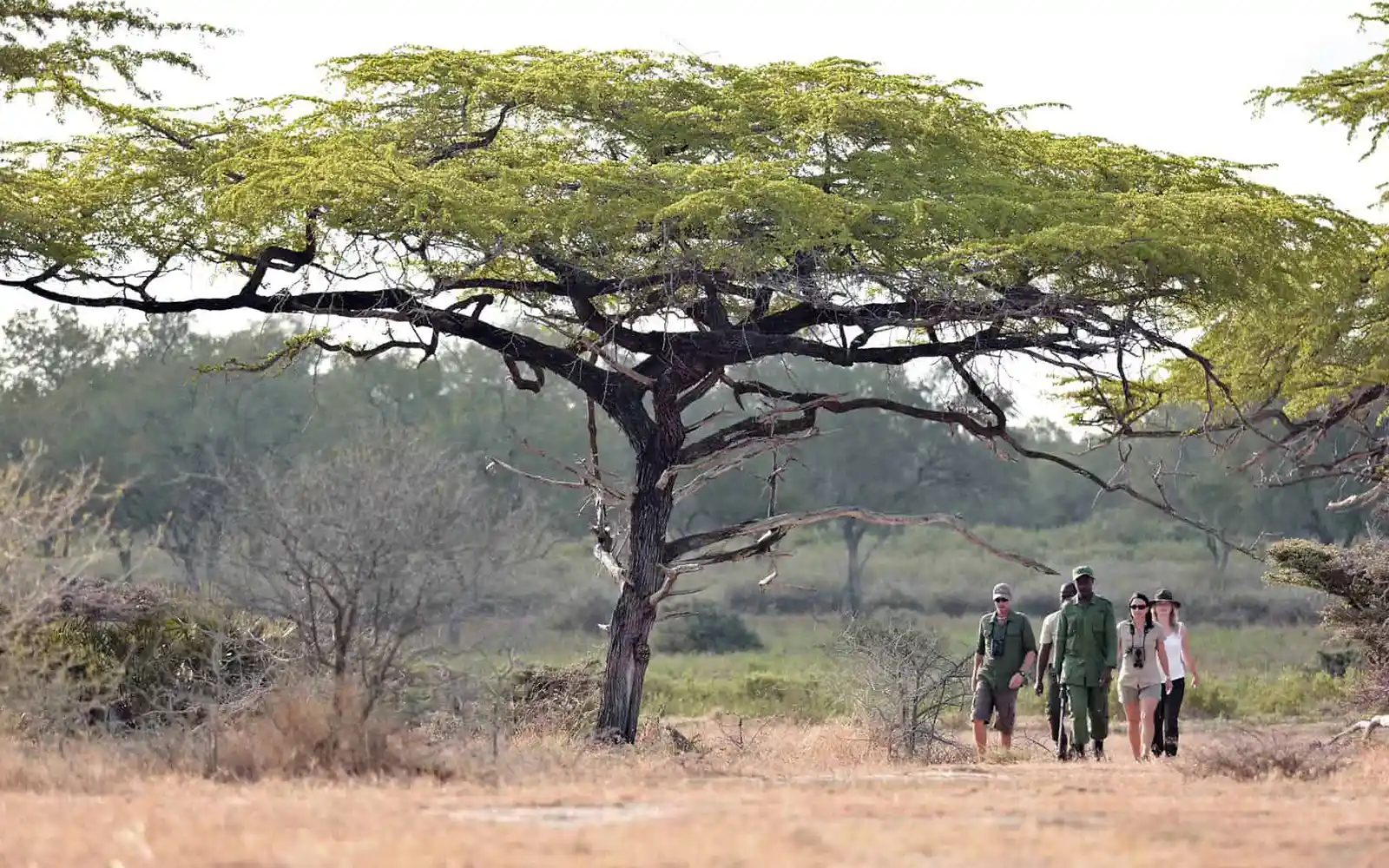
Walking Safari

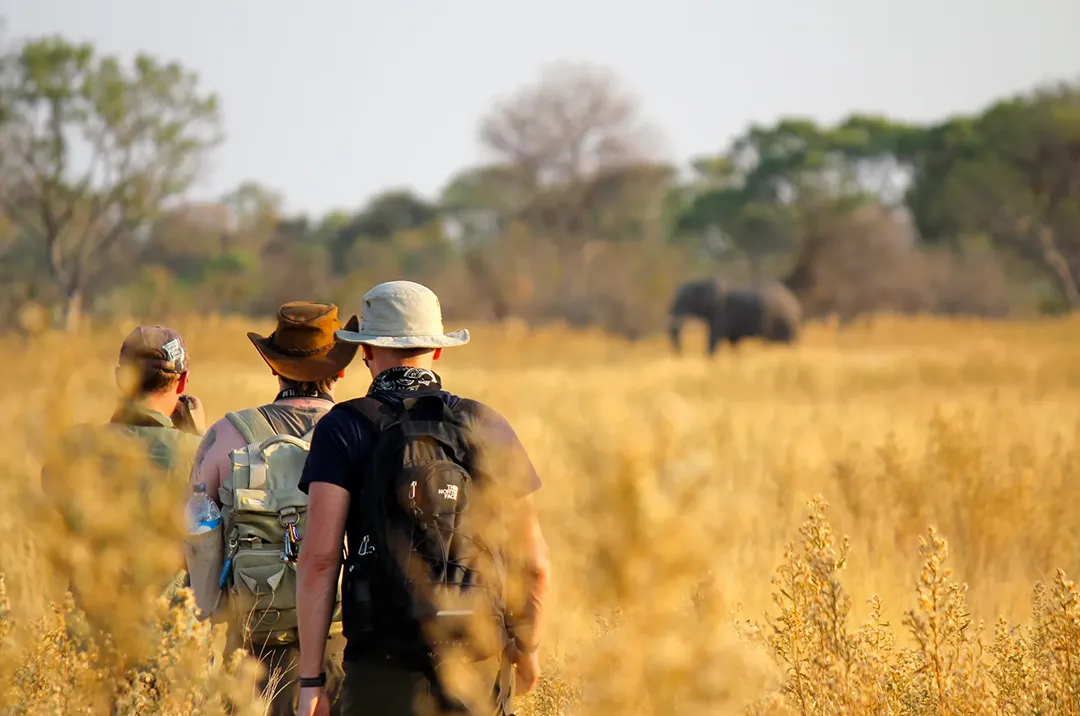
Walking Safari

Walk with a ranger to understand tracks, plants, and animal behaviour closely

Game Drives

Game Drives

Drive through open areas and river zones to spot wildlife across habitats

Bestday Safaris

Boat Safari

Travel along the Rufiji River and watch animals gather near water edges

Tanzania Travel Essentials

Your Trusted Guide for Every Safari Detail

Our travel guide is made to save you time. It points you to the best time, cost, safety aspects, and activities, while sharing tips only locals know. Your dream Tanzania trip starts with the right information, and we’ve put it all together for you, so planning feels clearer, easier, and far less overwhelming from the very beginning.

Nyerere FAQs

Quick travel answers

Nyerere National Park is one of the largest protected areas in Africa, yet it still feels less crowded than many other safari destinations in Tanzania. This section answers common questions about access, wildlife, and travel timing to help you plan your visit with a clearer understanding of what to expect.

Nyerere National Park is in southern Tanzania and forms part of the former Selous ecosystem. It covers over 30,000 square kilometers, making it Tanzania’s largest national park.

Elephants, buffalo, lions, wild dogs, hippos, crocodiles, and various antelope species are commonly seen on Safaris in Tanzania, including Nyerere.

Yes, boat safaris along the Rufiji River are one of the park’s main activities.

Around 440 bird species have been recorded in the park.

It has fewer visitors, more space, and allows activities like boat safaris and walking.

June to November is best for wildlife viewing and easier travel conditions.

Guestbook Moments

Real Stories from Safari Guests

A good safari often lives on through the words guests bring back. Here, Bestday Safaris travelers share notes on the people, pace, small comforts, wildlife moments, and honest care that became part of their journey. Their reviews help future travelers see beyond the itinerary and understand how each safari feels on the ground.
Excellent

Review

4.9 out of 5

753 Reviews

Start planning your safari. Get matched with a local adventure specialist.

David David
Jackson Mollel Jackson Mollel
Stephen Stephen
Faraj Faraj
Abel Abel

Call us, we're available 24/7

+255 767 130 448 Make an Enquiry