Arusha Travel Guide
Arusha gives travelers more to do than many expect at first. Beyond being a gateway to safari, the city has cultural places, busy local markets, coffee experiences, museums, scenic viewpoints, and short excursions that add variety to your stay. It is a good place to slow down, look around, and understand everyday life in northern Tanzania. Spending time here also helps you connect the safari side of Tanzania with its people, rhythm, and local character.
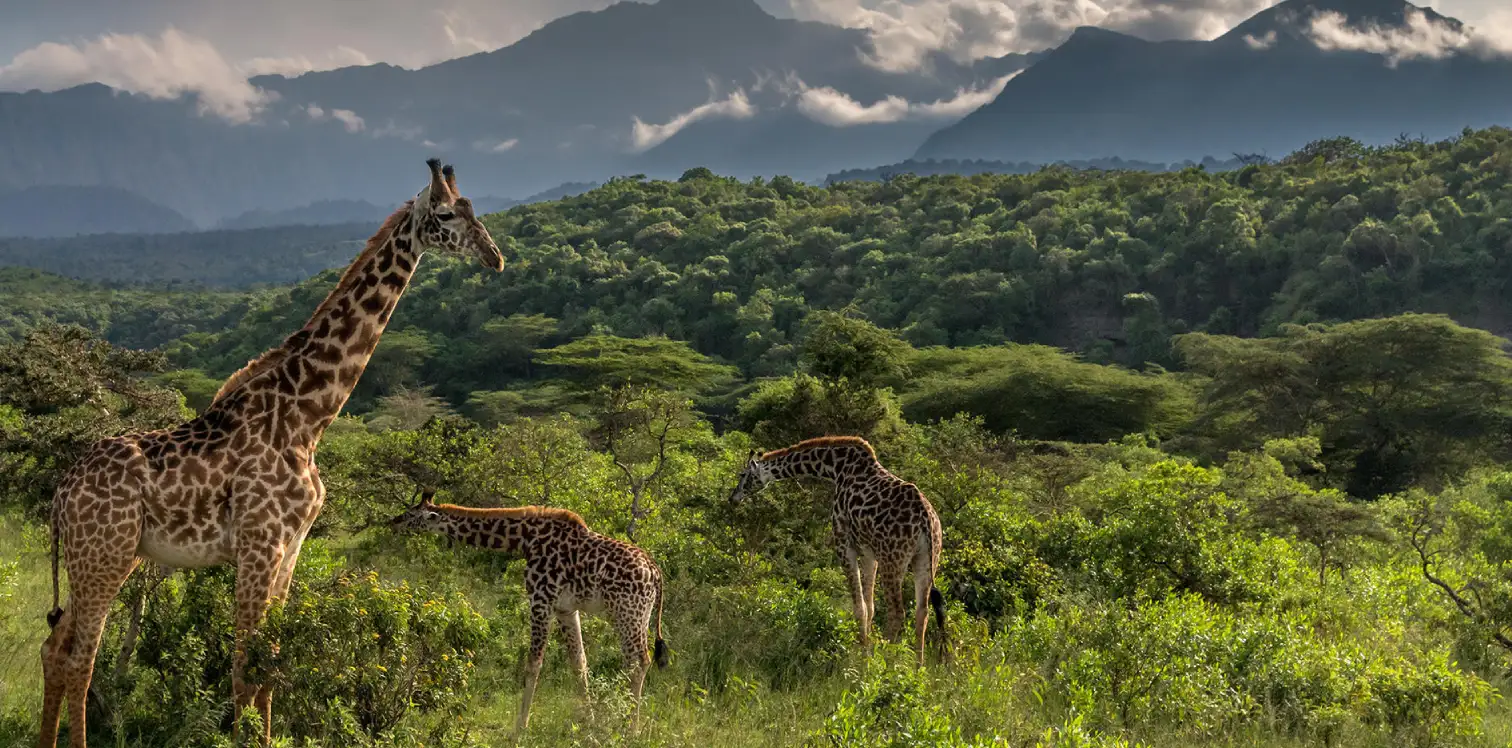
Three giraffes roam through lush green wilderness beneath towering mountains and drifting clouds, creating a breathtaking African safari landscape filled with natural beauty, wildlife, and peaceful scenery at golden daylight.
What Can You Do in Arusha?
Arusha is one of the best places to start a trip in northern Tanzania. This Arusha Travel Guide gives a simple and useful look at the city, helping readers understand what to expect before they arrive. From local transport and safety to food, stays, and daily travel tips, it gives a clear picture of Arusha and the many experiences around it.
Bestday Safaris shares this guide to help travelers enjoy Arusha in a more informed and relaxed way. Our team understands the city well and helps guests plan smooth local experiences, from short town visits to full Arusha Day Tours and longer safari holidays. With the right local support, it becomes easier to enjoy the city, discover new places, and make the most of your time before or after your safari.
- 1. Where is Arusha
- 2. What the City Actually Feels Like
- 3. Top Reasons to Visit Arusha
- 4. Why Arusha Matters for Safaris
- 5. Getting to Arusha
- 6. Getting Around Arusha
- 7. Best Things to Do in Arusha
- 8. Adventure Activities Around Arusha
- 9. Free Things to Do in Arusha
- 10. Best Time to Visit Arusha
- 11. Money Matters
- 12. Connectivity
- 13. Is Arusha Safe
- 14. Health and Practical Safety
- 15. Accommodations in Arusha
- 16.Restaurants In Arusha
- 17. Food Options in Arusha
- 18. Shopping Options in Arusha
- 19. A Note Before You Go
Where is Arusha?
Arusha, located in northern Tanzania near the Kenyan border along the Great Rift Valley, sits on a highland plateau beneath Mount Meru, an extinct volcano and the country's second-highest peak. As one of Tanzania's key cities, it is increasingly serving as the main starting point for travel in East Africa.
Arusha Facts at a Glance
- Located in northern Tanzania
- Close to the Kenyan border
- Along the eastern branch of the Great Rift Valley
- Around 3° south of the Equator and 36° east longitude
- Sitting beneath Mount Meru (extinct volcano, Tanzania’s second-highest mountain)
What that means for travel (real distances people care about):
- From Kilimanjaro International Airport (JRO): about 55 km, roughly 1 to 1.5 hours by road
- From Nairobi (via Namanga border): about 270–300 km, usually 5 to 6 hours by road
- From Dar es Salaam: about 630–650
km
- 10 to 12 hours by road, or
- about a 1-hour domestic flight
A small thing people don’t tell you enough:
Arusha isn’t just a stop before safari. It’s a proper city with its own charm. If you want to fully explore in and around the city, give it an extra day, and the city rewards you with some of the best experiences.
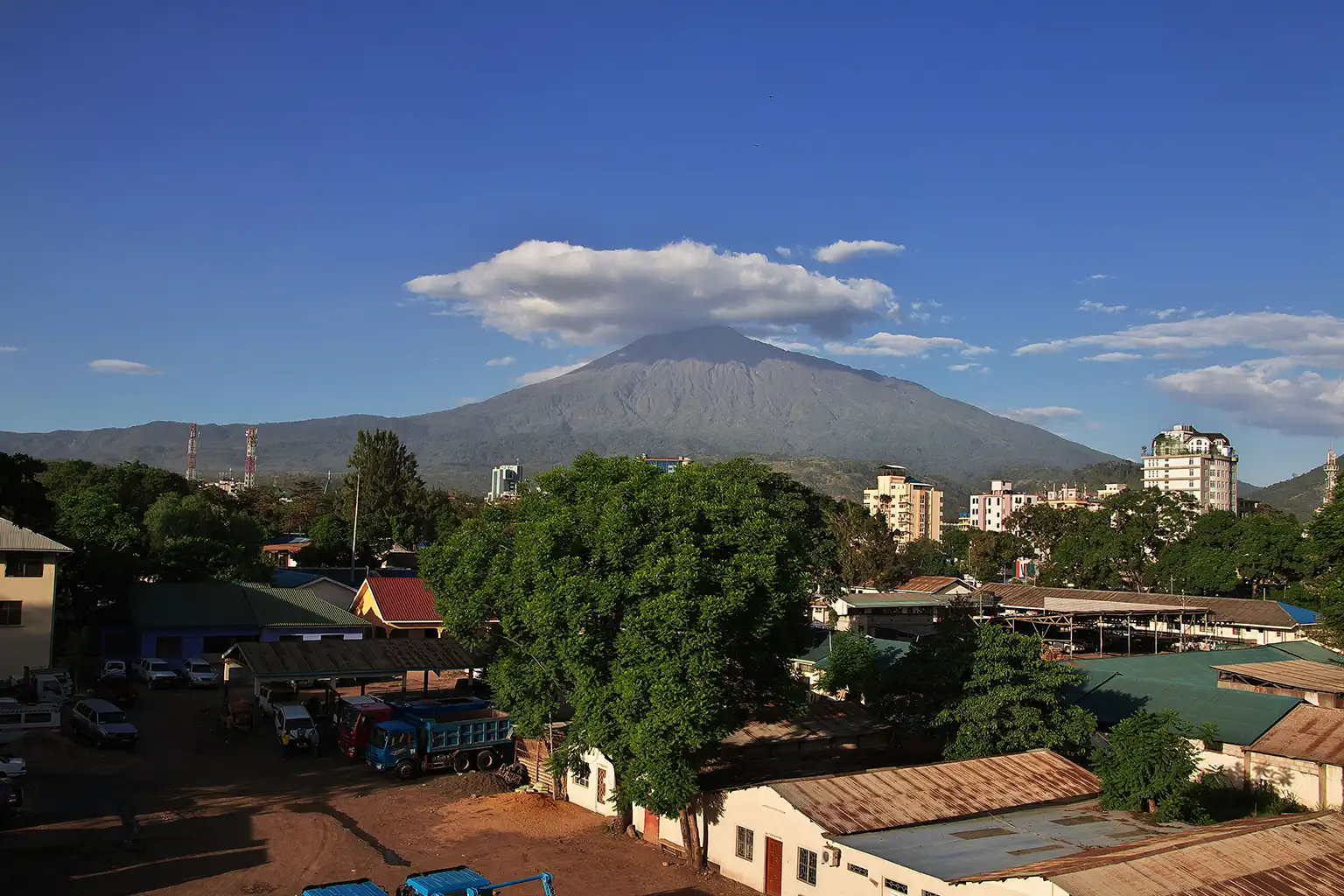
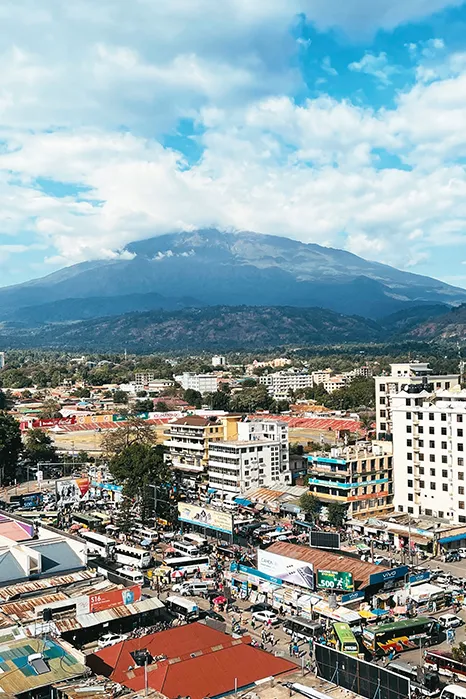
Mount Kilimanjaro rises majestically above a bustling Tanzanian town, surrounded by lush greenery, buildings, and clear blue skies, creating a stunning contrast between urban life and Africa’s iconic mountain landscape.
What the City Actually Feels Like
Arusha feels different from Tanzania’s coastal cities right away. The weather is cooler, mostly because of the higher elevation. Mornings can feel fresh, and the evenings sometimes have a light chill. People who arrive expecting constant heat are often a bit surprised by that.
The area around the city is greener than some travelers expect too. There are coffee farms on the outskirts, patches of farmland, banana trees, and small homes set back from the road. Arusha National Park is close enough that wildlife does not feel like something far off in another part of the country.
Inside the city, things get busier. Traffic can build up fast. Markets are active, public transport is always moving, and motorbikes cut through tight spaces without much hesitation. It can feel crowded, especially during busy hours. Not unsafe, just a lot at once if you are new to it.
Arusha is not a polished city in every corner. Some streets look more developed, with cafés, hotels, banks, and tour offices. Then the next stretch feels older, less finished, a bit rough around the edges. Sidewalks can be uneven. Roads are not always in great shape. That contrast is part of daily life here.
Mount Meru is visible from many parts of the city, and that gives Arusha a strong sense of place. But the city itself feels practical before anything else. It works as a safari hub, yes, though it is also a busy local city where people live, work, trade, commute, and get on with things. That is really what Arusha feels like.
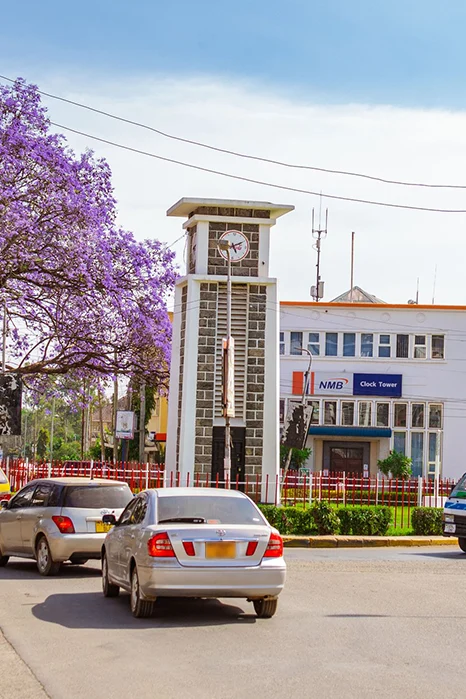
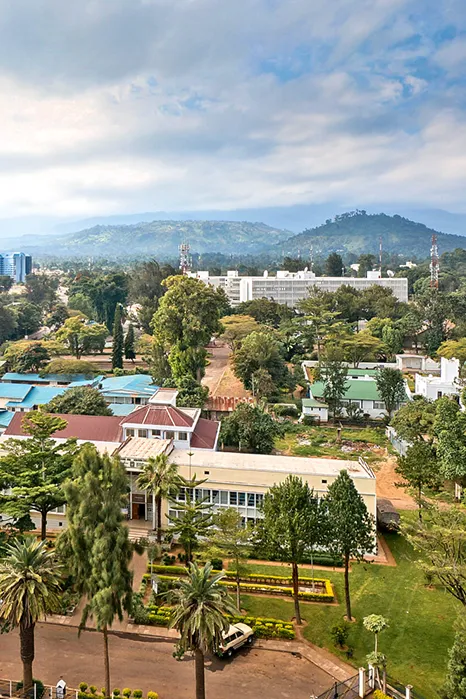
A street view of the Arusha Clock Tower, a central landmark in Arusha, Tanzania, with vehicles passing and jacaranda trees in bloom.
Top Reasons to Visit Arusha
Besides being a working city, Arusha leaves room for culture, good food, and quick escapes into nature. Here are our top reasons why Arusha is a must-add destination to your itinerary:
1- Intriguing Culture
Arusha is genuinely mixed with people from all walks of life living and working here. You are going to witness variety in language, clothing, music, and daily routines on your daily city tours.
2- Architecture and Historical Monuments
Arusha is a great place to learn about Tanzania’s history, politics, and society. A couple of museums do a lot of heavy lifting here, and it is easy to cover all of them in a half-day tour.
3- Breathtaking Landscapes
Mount Meru is Tanzania’s second-highest mountain and provides a stunning backdrop to the city. Other than that, the greener edges of Arusha make the city feel closer to nature than most safari hubs.
4- An Exciting Food Scene
There are many food options on the streets of Arusha. Grab street-style bites and quick snacks when moving through town
5- Quiet Scenery
Arusha has corners that feel calm when the day is hot or busy. Some places are made for slow walking, a long sit, and the kind of reset that’s useful before or after a Tanzania safari.
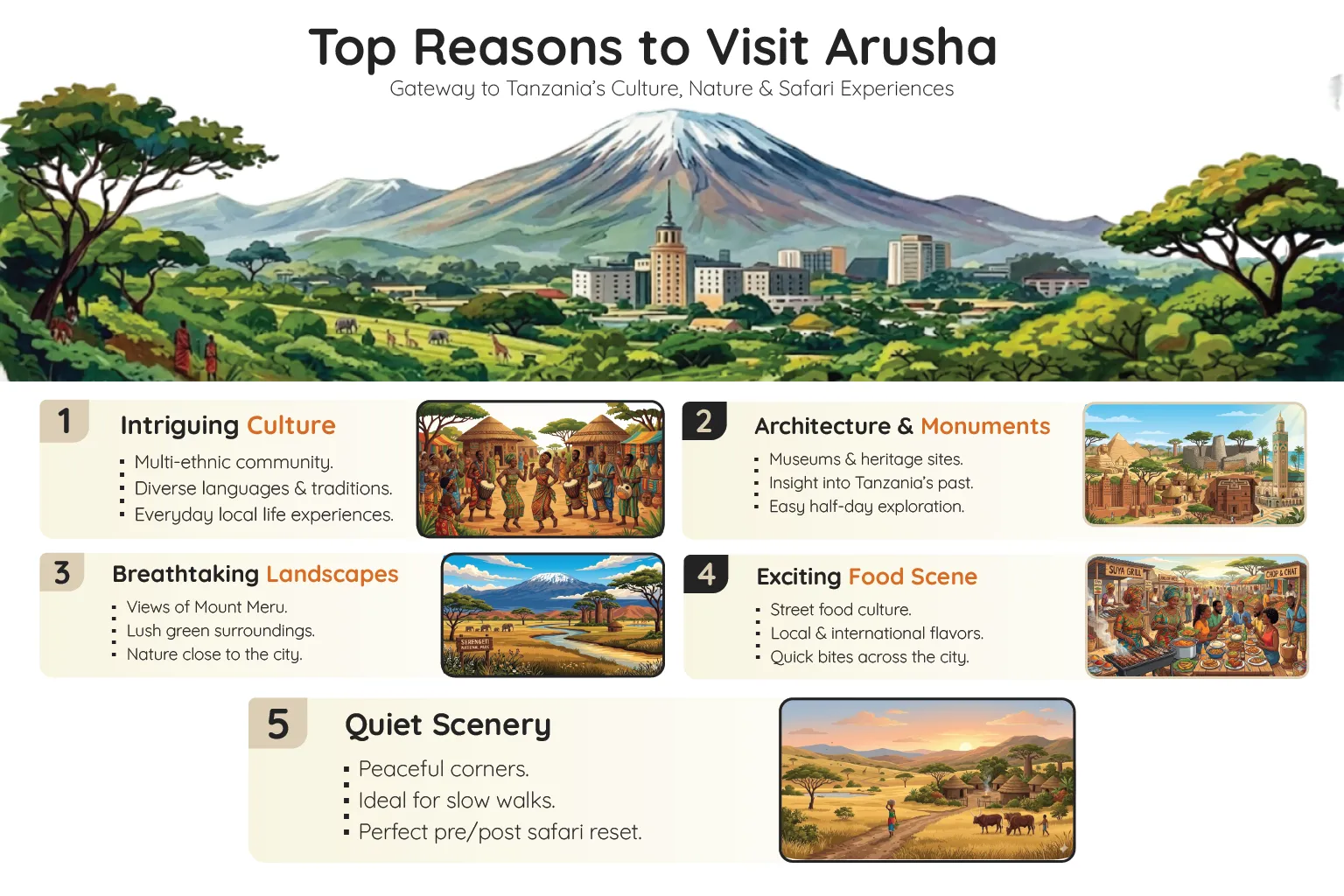
An engaging infographic highlights the top reasons to visit Arusha, showcasing Tanzania’s culture, architecture, landscapes, food scene, and peaceful scenery, with colorful illustrations of Mount Meru, local traditions, and safari experiences.
Arusha is not just a safari starting point. Spending some time here helps travelers understand local life, settle into Tanzania, and begin the journey with a better sense of place.
Peter Charles
Why Arusha Matters for Safaris
Travellers often address Arusha as the “Gateway to the Northern Safari Circuit.” At first, it might sound dramatic, but there is a reason for it.
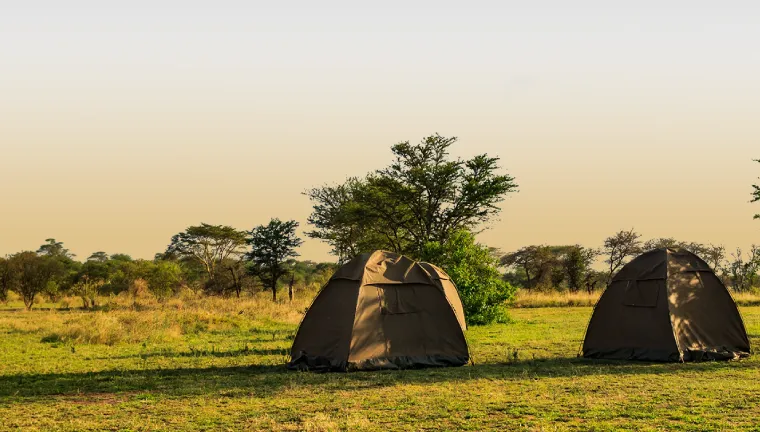
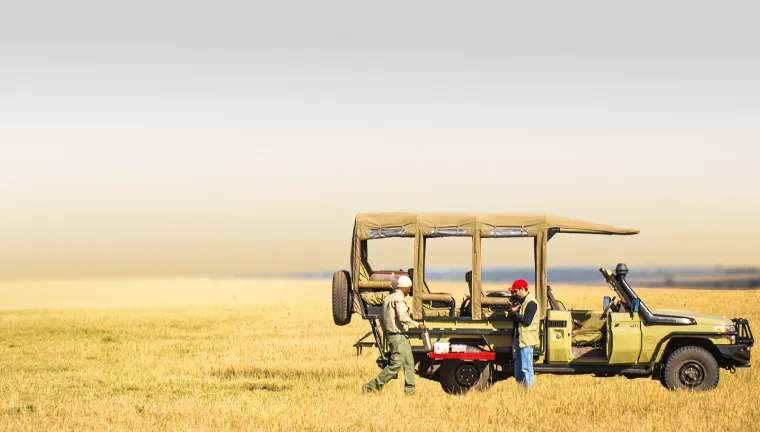
Most Tanzania safari itineraries begin or end here. Most of our guides live here. All our Tanzania Safari vehicles are serviced here. Permits are handled here. Travelers usually spend at least one night in town before heading out.
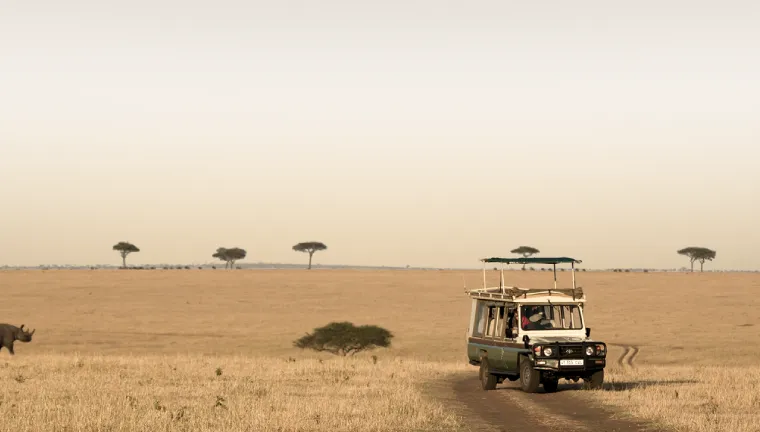
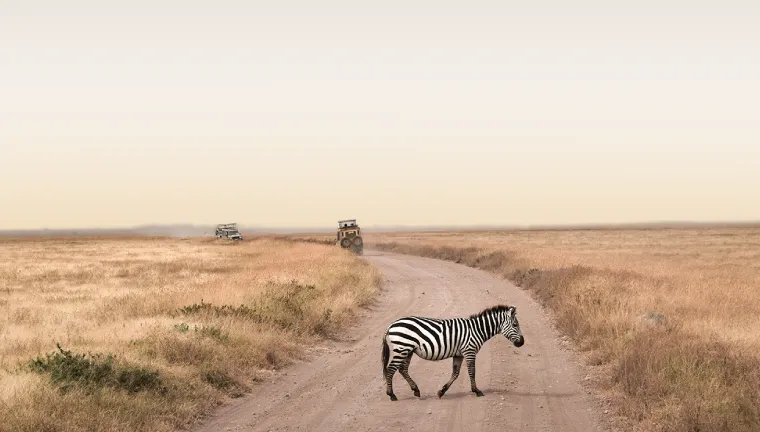
If you look at the map, you’ll see from Arusha, roads stretch outward toward:
- Serengeti National Park to the northwest — by small aircraft or full-day drive
- Ngorongoro Crater to the west — about four hours to reach the rim
- Tarangire National Park to the southwest — around 2.5 to 3 hours away
- Lake Manyara National Park to the west — roughly 2 to 2.5 hours by road
So, Arusha becomes this quiet starting line. You don’t realize it at first. But this is where everything gathers. Where vehicles are loaded. Where guides meet you. Where the journey shifts from “planning” to “happening.”
Getting to Arusha
There are four clear and distinct ways to reach Arusha. Most people fly into the main international airport; some use the domestic airport; others arrive by road from Kenya; others arrive by road from other regions of Tanzania.
By International Flight via Kilimanjaro International Airport (JRO)
Most travellers arrive at Kilimanjaro International Airport (JRO).
- JRO is the primary gateway for Northern Tanzania Safaris to destinations such as Arusha, Serengeti, Ngorongoro, Tarangire, and Manyara.
- The distance from JRO to Arusha is 55 km. You would take around 1-1.5 hours by road to cover this distance.
- Guests can fly directly to JRO or via hubs such as Amsterdam, Doha, Istanbul, Addis Ababa, Nairobi, Zanzibar.
- On arrival, BestDay Safaris can organize a private transfer to the hotel in Arusha. Our representative will be there to meet you. Especially after a long-haul flight, seeing someone waiting with your name feels like a sigh of relief.
Get to know Arusha before your safari begins in northern Tanzania.
Explore Arusha Travel Guide
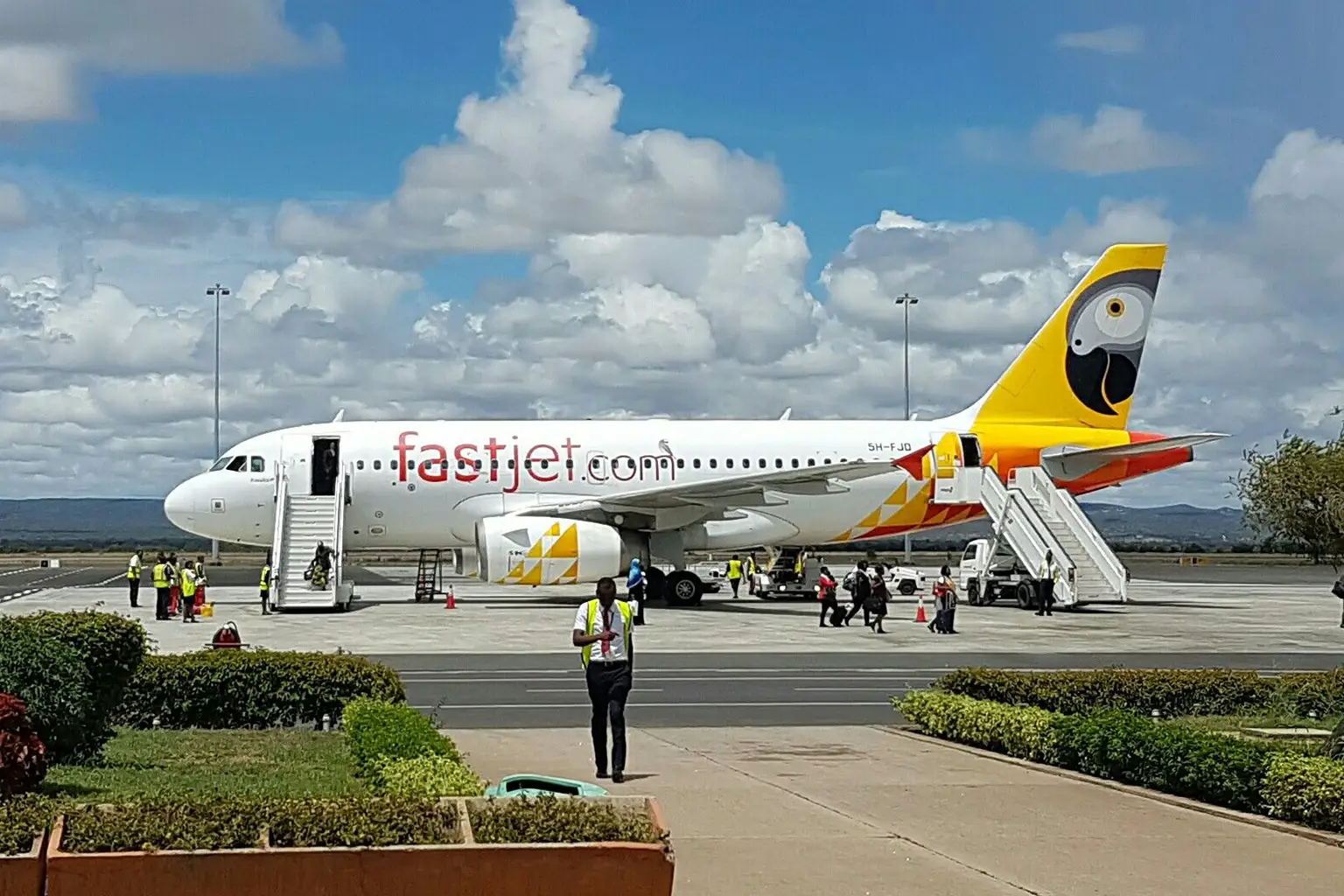
Passenger plane on airport runway in Tanzania with boarding stairs, ground staff, and travelers, representing air travel access to Arusha.
By Domestic Flight via Arusha Airport (ARK)
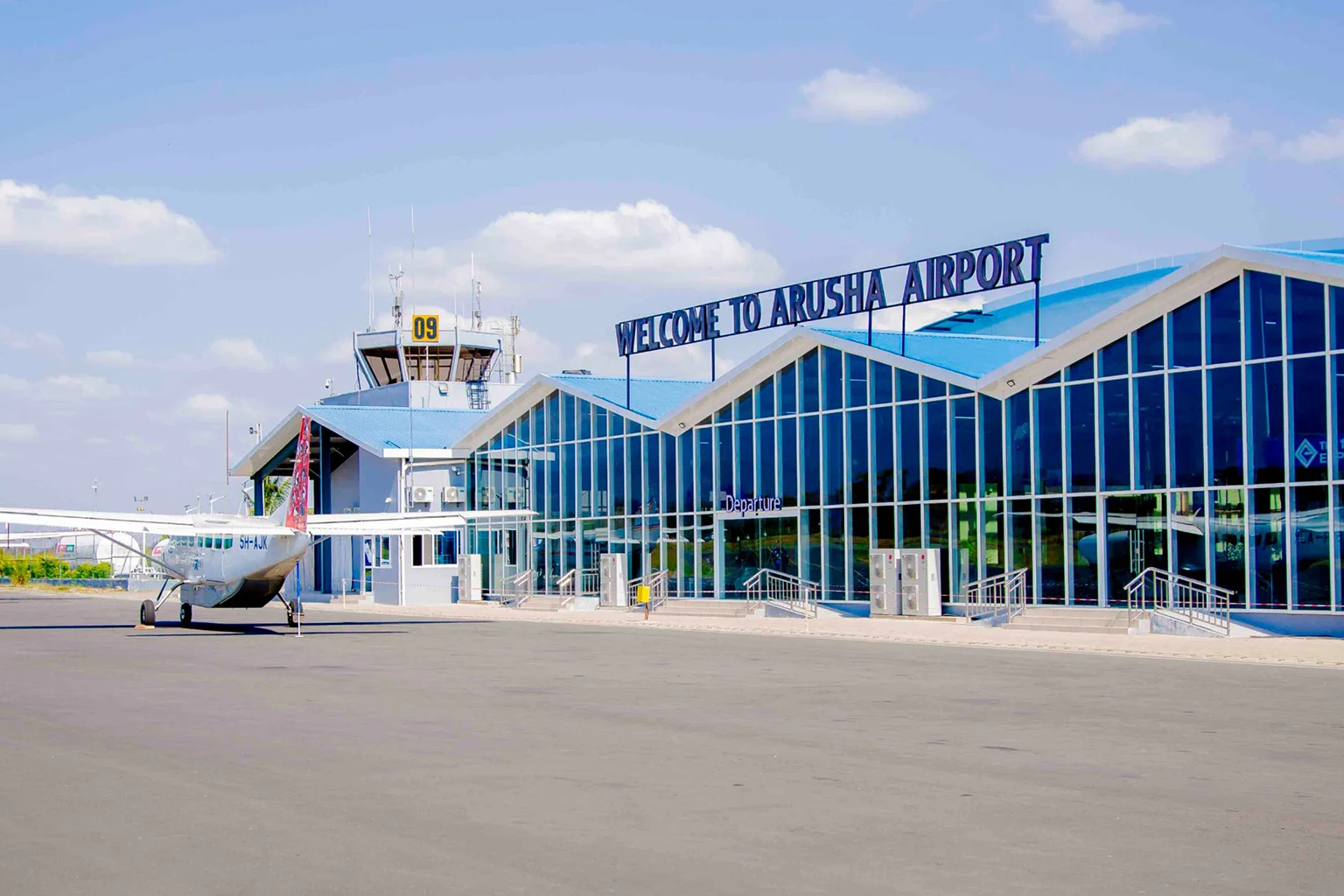
There’s also a smaller domestic airport in the city named Arusha Airport (ARK).
- This airport is about 7 to 10 kilometers from the Arusha city center and takes15 to 30 minutes to reach by road.
- From here, small aircraft fly to bush airstrips in Serengeti, Tarangire, Manyara, and other Tanzania National Parks.
- As it is a small domestic airport, it is mainly used for internal
connections, such as:
- Dar es Salaam → Arusha
- Zanzibar → Arusha
- Kilimanjaro (JRO) → Arusha
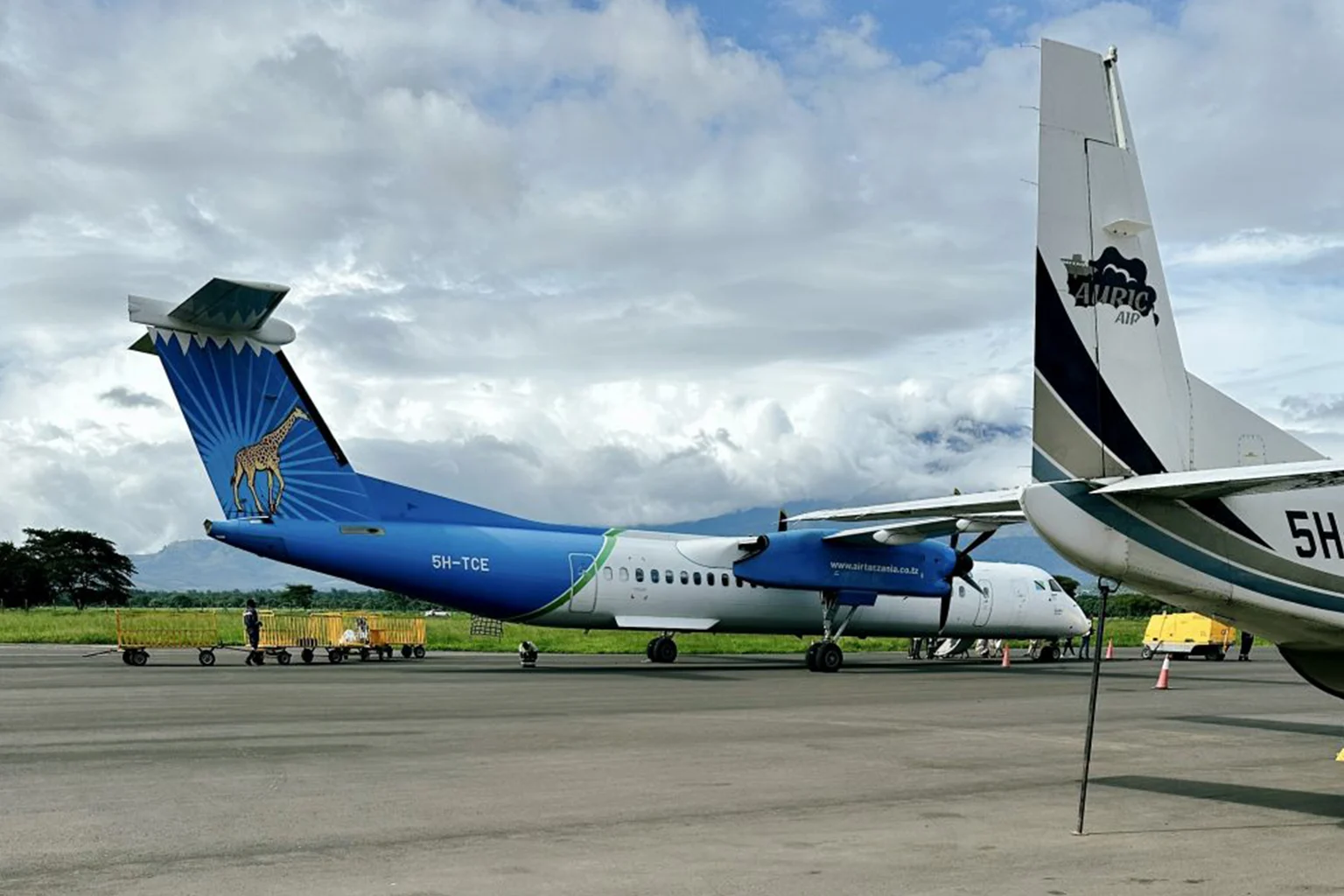
Domestic turboprop aircraft at Arusha Airport (ARK) on the runway, used for regional flights connecting travelers to Serengeti, Ngorongoro, and other northern Tanzania safari destinations.
By Road from Nairobi
Many travellers combine Kenya and Tanzania. The main road route runs from Nairobi through the Namanga border to Arusha. The distance is around 270-300 kilometers. It usually takes five to six hours, depending on how long the border formalities take. The transfer options include:
Daily Shuttle Buses/ Shared Transfer
There are daily shuttle buses between Nairobi and Arusha (and Moshi). Some travellers land at Nairobi’s airport and take the shuttle the same or the next day.
Private transfer
Others prefer a private transfer arranged by their Tanzania Tour Operator. It is more flexible and more comfortable, especially with family or luggage. We at Bestday Safaris can arrange a private vehicle and driver from the Nairobi hotel or airport
At the Namanga border post, visa details matter. Some travelers use an East African visa. Others need separate Kenya and Tanzania visas. It depends on the passport and travel plans. It’s something you check beforehand, not something you want to sort out at the last minute.
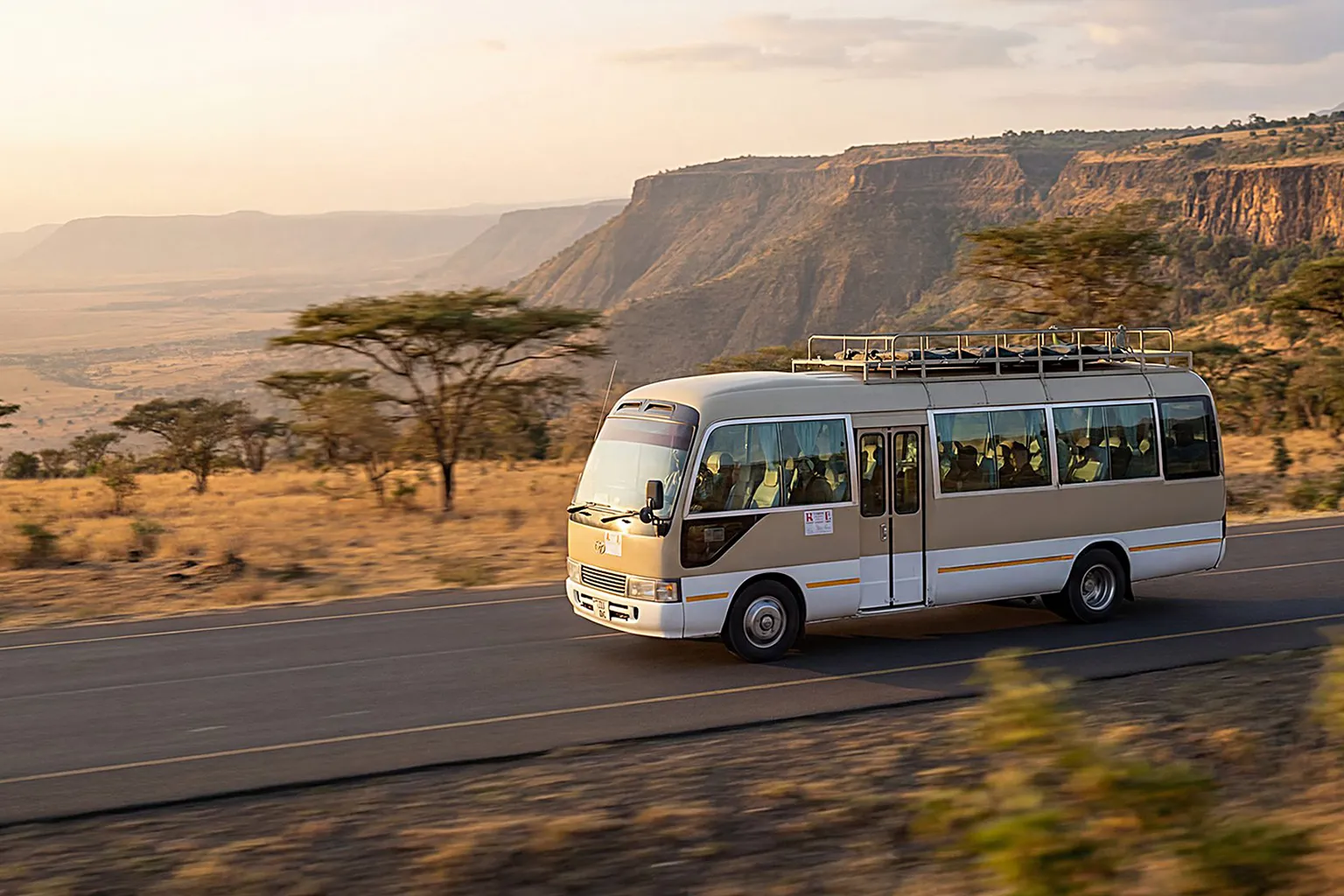
Comfortable road transfer to Arusha through scenic savannah landscapes, passing acacia trees and rolling hills, offering smooth travel, wildlife glimpses, and breathtaking views.
By Road from Other Parts of Tanzania
From Moshi
Moshi is another beautiful town located in the foothills of Kilimanjaro. As Arusha serves as the gateway to safaris, similarly, Moshi is the gateway to Kilimanjaro Climbing Tours.
So, guests who finish climbing Kilimanjaro can continue driving to Arusha to begin their safari. The distance is around 78-80 km, and it takes 1.5-2 hours to reach Arusha by road.
From Dar es Salaam
From Dar es Salaam, it’s a long haul to reach Arusha by bus. The distance is around 630 to 650 kilometres, and buses take 10 to 12 hours. It’s cheaper, yes. But it’s a long day on the road. More common for backpackers than for typical safari travellers.
Getting Around Arusha
Arusha isn’t massive. But it’s active. Hence, moving around takes a bit of thought.
Private transfers (Hotel ↔ Airport / Hotel ↔ Safari start)
Private transfers are the most comfortable and stress-free option for safari travellers, especially after a long flight or before an early departure. The main benefit is simple: it removes guesswork.
Your Safari Tour Operator or hotel arranges the vehicle and driver in advance. Usually, a private 4x4 or comfortable minivan/sedan, depending on group size, is arranged. This vehicle is generally air-conditioned with room for luggage. Often, bottled water is included.
Advantages
- Fixed price known in advance (no negotiation, no overcharging worries)
- Door-to-door service
- Safe and reliable with vetted drivers who know the routes well
- Many drivers speak English; often the same person may also be the safari guide
- Flexible for delays or late arrivals (driver monitors flight arrival times)
Taxis
Taxis work well for dinner plans, shopping, ATMs, pharmacy runs, and small errands. The key is using trusted drivers rather than random street pickups. This is applicable especially if you are travelling at night. The good thing is that most hotels have drivers they work with regularly. But these taxis don’t use meters. So, you agree to the fare before the trip starts. Always carry both small US dollar bills and Tanzanian Shillings. Your hotel staff can help you understand what is reasonable.
For safety purposes:
- Ask the hotel, lodge, or restaurant to call a trusted taxi
- Avoid hailing random cars on the street, especially at night
- Many hotels work with a small group of regular drivers they trust
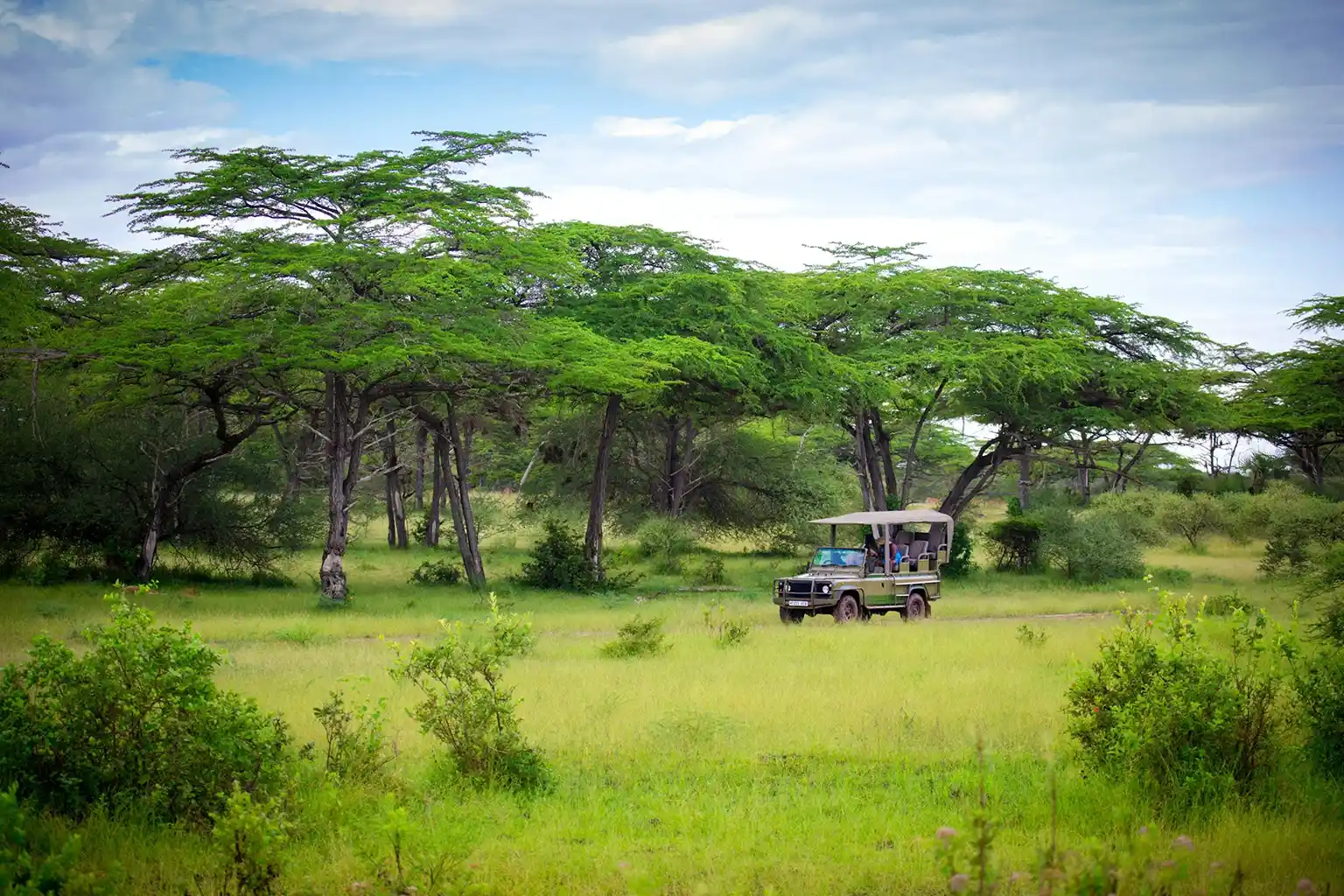
Getting around Arusha is easy with safari vehicles, private transfers, taxis, and local transport. Explore lush landscapes, nearby parks, and vibrant town life while enjoying convenient.
Walking around Arusha
Short walks can be enjoyable if done sensibly. It’s a lively city, and walking helps catch everyday details, but timing and location matter. It’s reasonable to walk around the hotel neighbourhood, nearby restaurants and accommodations (if the area is considered safe). Alternatively, you can choose to walk around central areas with shops, cafes, banks, and small markets.
Safety tips
- Ask the hotel which streets are safe and at what times
- Avoid walking late at night and in quiet or poorly lit streets
- Don’t display valuables (cameras, phones, large jewelry)
- Keep important documents and most cash locked in the hotel safe
- Use a small cross-body bag or money belt, worn discreetly
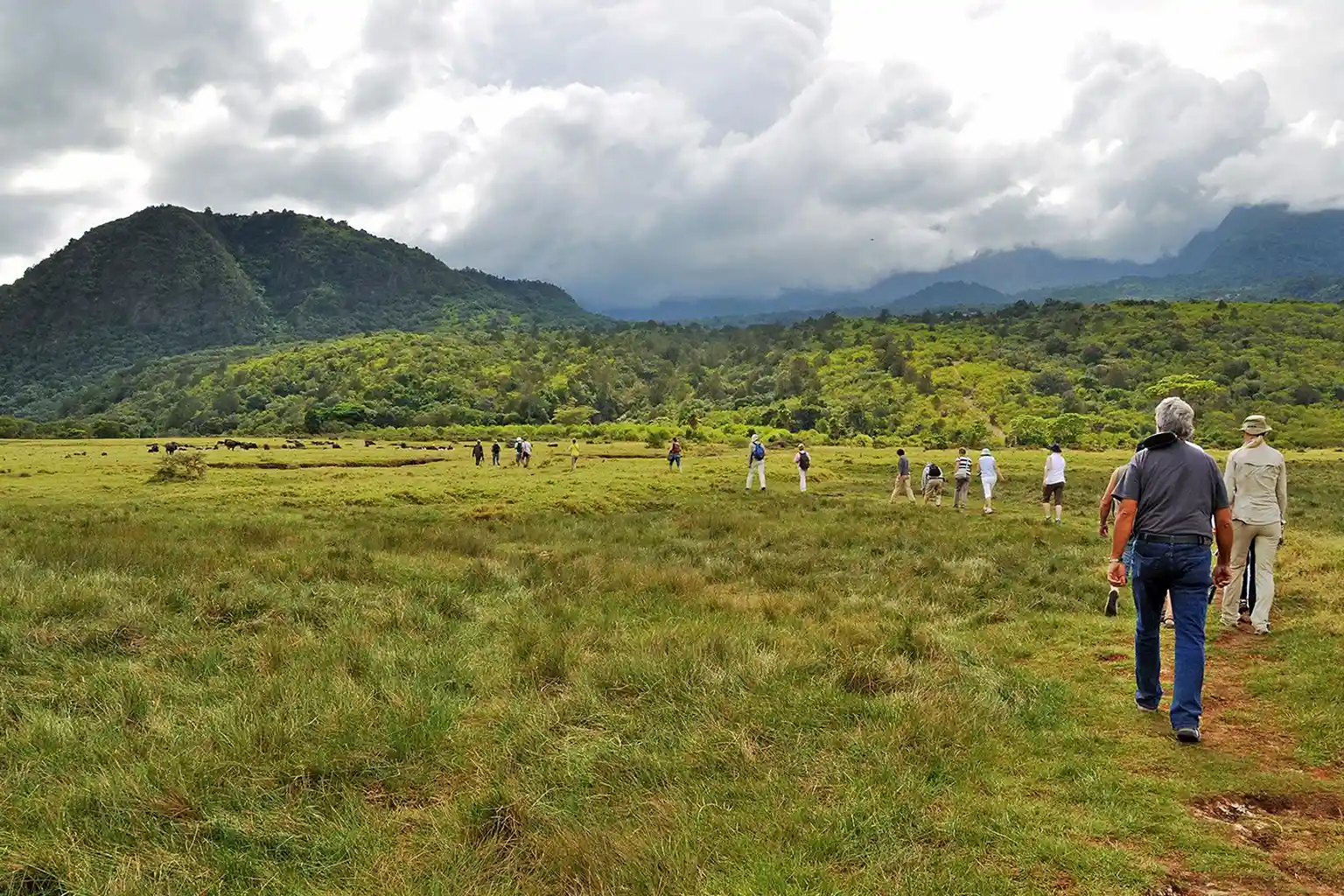
Walking around Arusha offers a refreshing way to explore its natural beauty and local life. Enjoy guided walks through lush landscapes, coffee farms, and nearby reserves.
Dala dalas (Local minibuses)
Dala dalas are shared local minibuses. They’re very inexpensive and run on fixed but informal routes. Often crowded. Limited space for luggage. Stops can feel unpredictable if you don’t speak Swahili.
They’re part of daily life here. But for short-term visitors with luggage or tight schedules, they can feel confused and uncomfortable. Petty theft risk is higher in crowded spaces. So most safari guests skip them.
Why most safari guests should avoid them
- Routes and stops can be confusing without Swahili or local knowledge
- Crowded and uncomfortable, especially around flight or safari timing
- Higher risk of petty theft/pickpocketing in crowded conditions
- Less predictable timing, not ideal with a schedule or flight
Bodaboda (Motorbike taxis) and Bajaji (Tuk-tuks)
Both of these modes of transport are common locally. Motorbike taxis (bodabodas) are everywhere. Fast. Cheap. But riskier. Helmets aren’t always in the best condition. Not ideal if you’re carrying luggage or cameras.
Bajaji are three-wheeled tuk-tuks. Slightly safer than motorbikes because they’re enclosed. Fine for very short trips in less busy areas. Still less comfortable and secure than a car.
If someone chooses to use them, it’s better for the hotel to arrange a trusted driver. Avoid using them at night or in heavy traffic and keep trips short.
Self-drive car rental
It’s possible to rent a car in Arusha, including 4x4s, but it usually creates more stress than freedom for first-time visitors.
In central areas, traffic can feel hectic during rush hours. Your driving style may differ from what you are used to. This can affect your understanding of road signs and lane discipline. Roads may have potholes, speed bumps, pedestrians, and even animals near the roadway. Police checkpoints are common. Parking isn’t always straightforward in busy areas.
It might suit experienced travellers who’ve driven in other African countries. But most safari guests don’t need it. It is because our Tanzania Safari packages already include a professional driver-guide and vehicle. For city trips, taxis or arranged transfers are simpler and far less stressful.
Best Things to Do in Arusha
Arusha can feel like a quick stop on a Tanzania safari plan, but it’s rarely just that once you slow down. You can do a proper nature day, a real mountain hike, a calm swim in clear springs, and still have time to wander markets and history spots without rushing. Here is a list of the most Popular Things to do in Arusha, which everyone should take part in.
Visit Arusha National Park
This park is a nice surprise because it doesn’t feel huge and crowded. It’s smaller than the headline parks like the Serengeti, but that’s part of its charm. You are right on the slopes of Meru, and the scenery changes quickly: forest, open areas, crater views, and lakes that feel almost too calm for a safari day.
- There are varied landscapes and scenery, including forest, grasslands, Ngurdoto Crater, and clear lakes
- Wildlife sightings can include giraffes, zebras, buffalo, and black and white colobus monkeys
- Birdlife is a big deal around the Momella Lakes
- You can do game drives, walking safaris, and canoeing on the lakes. Game drives are for classic safari viewing. Walking Safaris are best for a slower, more detailed look. Canoeing on the lake is one of the best ways to enjoy a calm, reflective experience.
- It is often less crowded than Serengeti or Ngorongoro, which suits travellers who want a quieter safari feel.
Hike Mount Meru
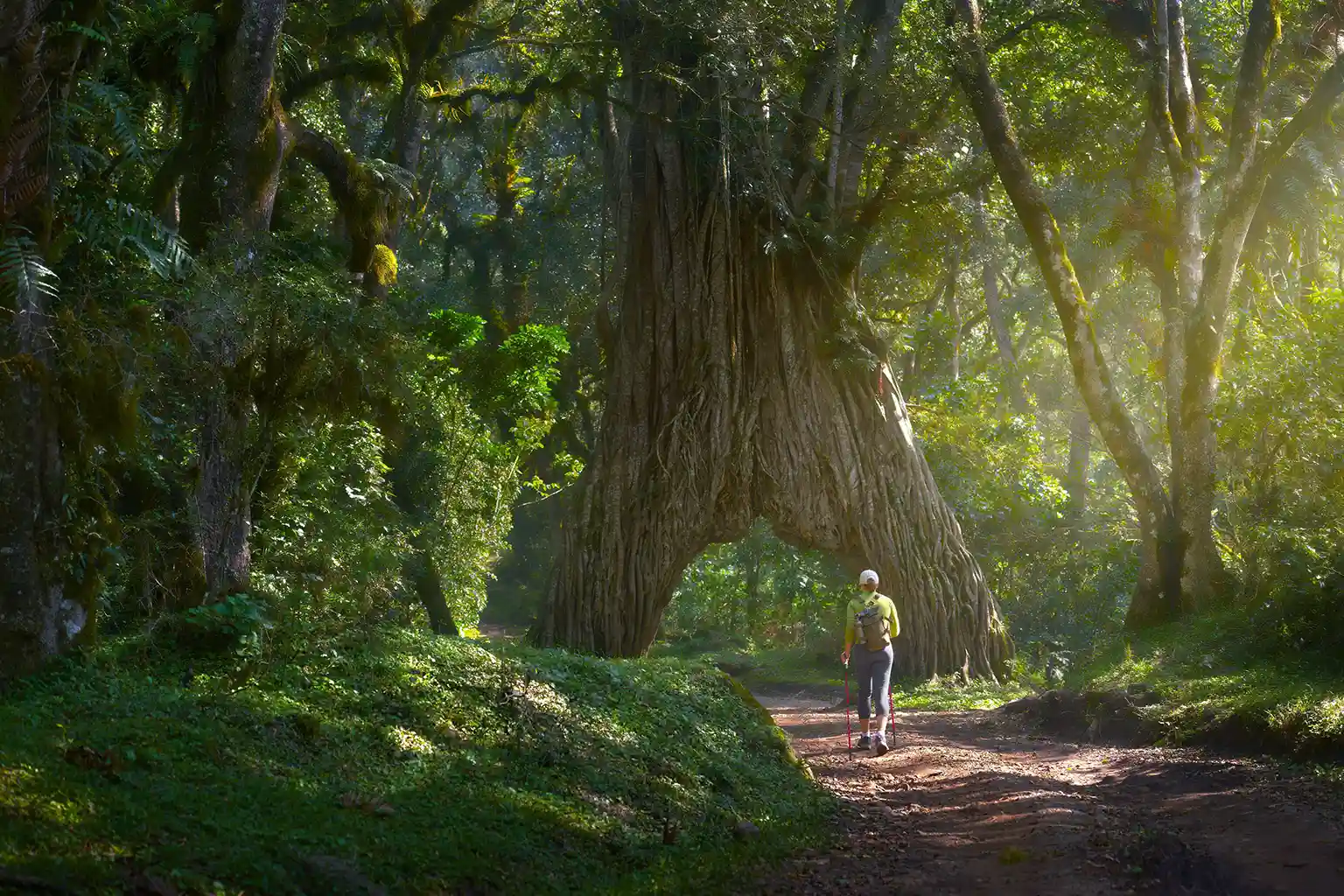
Mount Meru doesn’t try to compete with Kilimanjaro in fame, but it absolutely holds its own. It’s magnificent, it’s beautiful, and it has that mountain quiet that makes you speak a little softer without realizing it.
- Height is 4,566 meters, Tanzania’s second-highest mountain
- Trail moves through forest, bamboo, then alpine moorland
- You may spot monkeys and bushbucks on the way
- Clear days can reveal Mount Kilimanjaro in the distance and a beautiful sunrise
- The sunrise from higher up can be unforgettable
- Often used as a training climb for people preparing for Kilimanjaro
- Less busy than Kilimanjaro, with a more peaceful feel
Relax at Kikuletwa Hot Springs (Chemka)
This place is the reset button after city movement, safari drives, or hiking days. The water is warm and clear, the palms lean in, and it’s the kind of place where you stop checking your phone without forcing yourself to.
- Also known as Chemka hot springs, it is a natural spring with warm, clear water, surrounded by lush vegetation and tall palms
- Swimming is the main draw, with a calm, easy pace
- The drive itself is part of the day, passing farms and small villages
- It stays fairly quiet and not overly commercial
- Works well for families, couples, and solo travellers.
Embrace local culture at the Maasai Market
The Maasai Market feels like pure color and human energy. It’s not a silent shopping space. People talk, laugh, negotiate, and you get to see crafts that still carry real pride in the making.
- Handmade beadwork, jewelry, textiles, and wood carvings
- Run by Maasai artisans, so purchases support local families directly
- Bargaining is normal here, done politely and with respect
- Even browsing teaches you a lot about style, symbols, and craft traditions
Explore the Cultural Heritage Centre
If you like art and history that feels close and tactile, this centre is worth your time. You walk through galleries, and suddenly you start noticing how many cultures and stories meet in this part of East Africa.
- Displays include sculptures, paintings, textiles, and traditional artifacts
- It is a hub for artists and craftsmen from around Tanzania
- Sometimes has cultural performances and workshops
- Your visit supports local artists and cultural preservation work
Explore Lake Duluti and the forest reserve
Duluti is where you go for softer sounds. The forest is thick enough to feel cool, the trails are simple, and the lake sits there quietly, like it’s not trying to impress anyone.
- Indigenous forest around the lake, with well-marked walking trails
- Bird spotting can include hornbills and turacos, plus monkeys in the canopy
- Canoeing is available for a slow lake experience
- A good half-day escape close to Arusha town
Visit Napuru Waterfalls
Napuru feels like the kind of place you hear about from someone local, not from a glossy guidebook. The walk is gentle, the shade is real, and the water spray at the end feels earned.
- Forest trail walk with bird sounds and cool shade
- Waterfall views are great for photos and quiet picnics
- The area is usually not crowded
- Works well for travelers who like small, simple nature outings
Discover Arusha Snake Park
Even if reptiles are not your thing, visiting the Arusha Sanke Park tends to change minds. It’s educational, safe, and surprisingly interesting once you start hearing how these animals fit into local ecosystems. Get ready to see snakes, crocodiles, and tortoises, all native to Tanzania.
- Our Guided Arusha Snake Park Tours explain behavior and ecological importance
- Family-friendly setup for safe close viewing
- Focuses on conservation awareness and reducing fear through education
Explore the Arusha Declaration Monument
This is history sitting right in the middle of daily traffic. People pass it on normal errands, and that is part of what makes it powerful. It represents a significant chapter in Tanzania’s political identity and the ideals the country sought to live by.
- Swahili name: Mnara wa Azimio la Arusha
- Unveiled in 1977 by Chama Cha Mapinduzi for the 10th anniversary of the Arusha Declaration
- Linked to the 1967 Arusha Declaration by Julius Nyerere and the idea of Ujamaa
- Four pillars show values like equality, freedom, dignity, teamwork, and shared ownership
- Ujamaa later faced major economic challenges and was mostly abandoned by 1975
- The monument was vandalized in April 2015 when a copper plaque was stolen
Arusha is a great sampler, honestly. You get a little bit of everything without committing to the full safari marathon straight away.
But once you’ve had that first proper day out, most people start thinking, okay… what else is out there, and how do I string it together without making a mess of the plan?
That’s where our Things to Do in Tanzania page helps. It’s the wider picture. Not just the famous names, but the kind of stops that make the trip feel more complete.
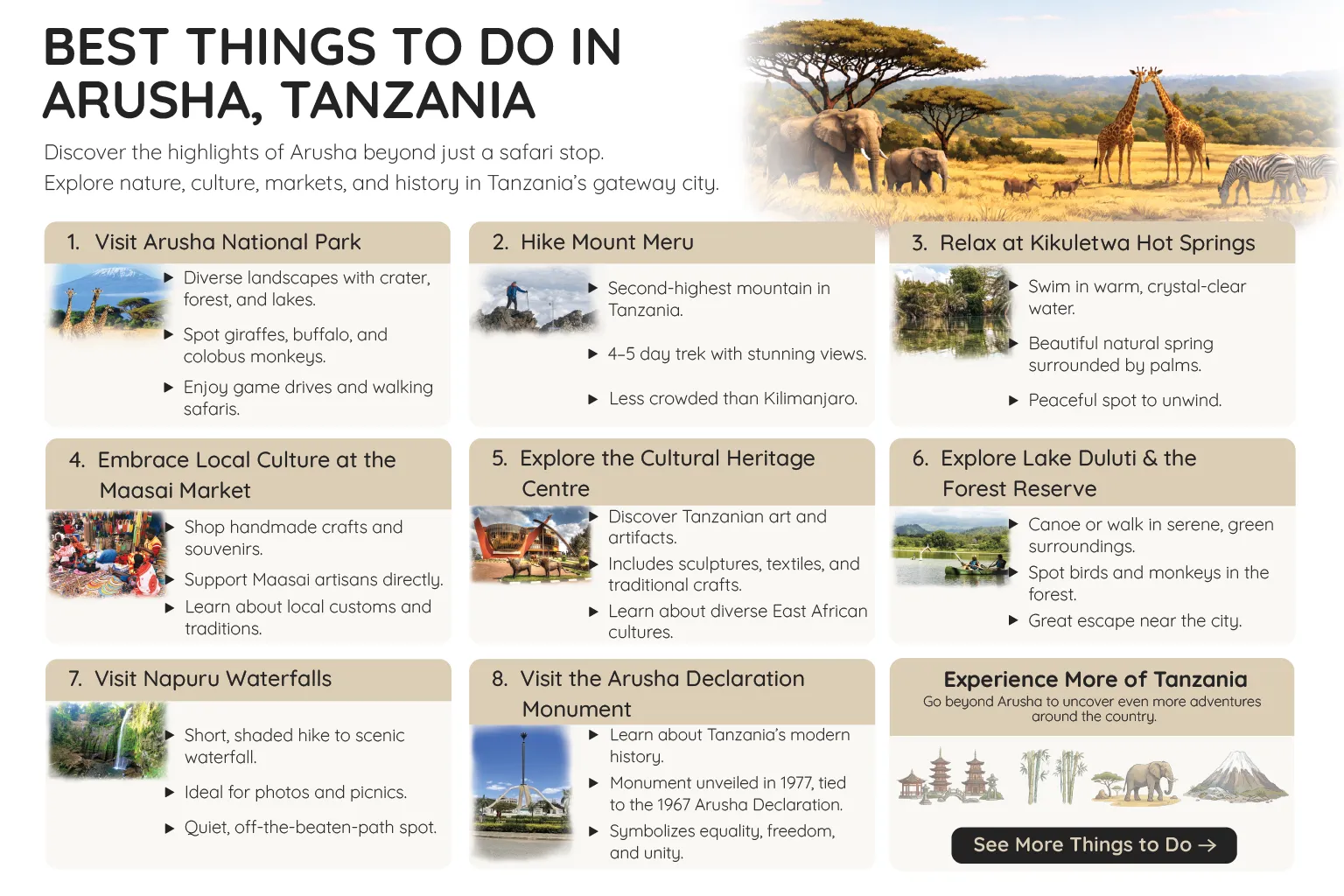
A colorful travel infographic showcases the best things to do in Arusha, Tanzania, including national parks, Mount Meru hikes, Maasai markets, hot springs, waterfalls, cultural sites, and peaceful nature experiences.
Adventure Activities Around Arusha
People say “Arusha is the gateway,” and that’s true. But it makes the city sound like a hallway. It’s more like a Basecamp. You can build a whole week around Arusha if you want, mixing Northern Tanzania safari routes with climbs, coffee, and culture that feels real because it is real.
Wildlife safaris
This is still the big reason many people land here. Arusha connects you to the Northern Safari Circuit and makes it easy to build anything from a quick one-day safari to a long route chasing big landscapes and classic wildlife.
- Common safari routes link to Serengeti National Park, Ngorongoro Crater, Tarangire National Park, and Lake Manyara National Park
- Trips can be one day or multi-day, depending on the itinerary you choose.
- Many travelers aim for the Great Migration or the Big Five in the popular national parks in Tanzania.
- Accommodation styles range from budget camps to luxury tented stays
- Most experiences rely on strong, experienced driver guides and good park logistics (this is where a good operator really matters)
Kilimanjaro climbing
Kilimanjaro is not in Arusha, but Arusha still plays a big role in the lead-up. People sort gear, meet teams, and get their heads in the right space here, then shift to Moshi for the actual climb start.
- Climb logistics often run through Mount Kilimanjaro planning
- Most expeditions begin from Moshi, about an hour from Arusha
- Typical climb length is 5 to 9 days, based on route
- Many travellers use Arusha to meet outfitters and guides, finalize equipment, and prepare for their trip. Staying here overnight makes the trip feel organized rather than rushed.
Coffee tours
Coffee tours around Arusha feel grounded because they are tied to real livelihoods. You see the plant, the processing, the roasting, and the tasting at the end feel more meaningful because you finally understand the work behind it.
- Tanzania is one of Africa’s larger coffee producers
- Several plantations around Arusha offer guided tours covering: beans to processing & roasting, and brewing. Many Arusha Day Tours include tastings
- Good for understanding coffee’s place in Tanzania’s economy and culture
- You can buy fresh Tanzanian coffee to take home
Cultural tours
Arusha is a cultural meeting point, and the best Tanzania Cultural Tours feel like direct and human. Many tours are community-led, so your visit directly supports local projects.
- Arusha brings together communities such as: Maasai, Chaga, and Meru
- Cultural experiences can include: joining the Maasai for cattle herding, making beadwork with Chaga artisans, and farming activities with Meru communities
- Visiting a Maasai village can include seeing their semi-nomadic lifestyle and their iconic red shukas (sheets), used in a practical and cultural way
- Don’t miss the Kilombero Market for daily life, produce, spices, and crafts
- Many cultural tours support community initiatives in areas like schools, healthcare, and local development
- With Mount Meru as a backdrop and historic landmarks nearby, Arusha blends culture, nature, and history in a way that feels easy to access
This is the point where planning can get slightly stressful. Because Arusha makes everything feel possible. Safari. Kilimanjaro prep. Coffee farms. Cultural visits. You can stack it all up in your head, and suddenly your “relaxed trip” starts looking like a tight schedule on a spreadsheet.
So if you’re asking yourself What to Do in Tanzania after Arusha, our guide helps you sort it out in a more realistic way. What fits with your route? What fits with your energy. What’s worth doing now, and what can wait for another trip?
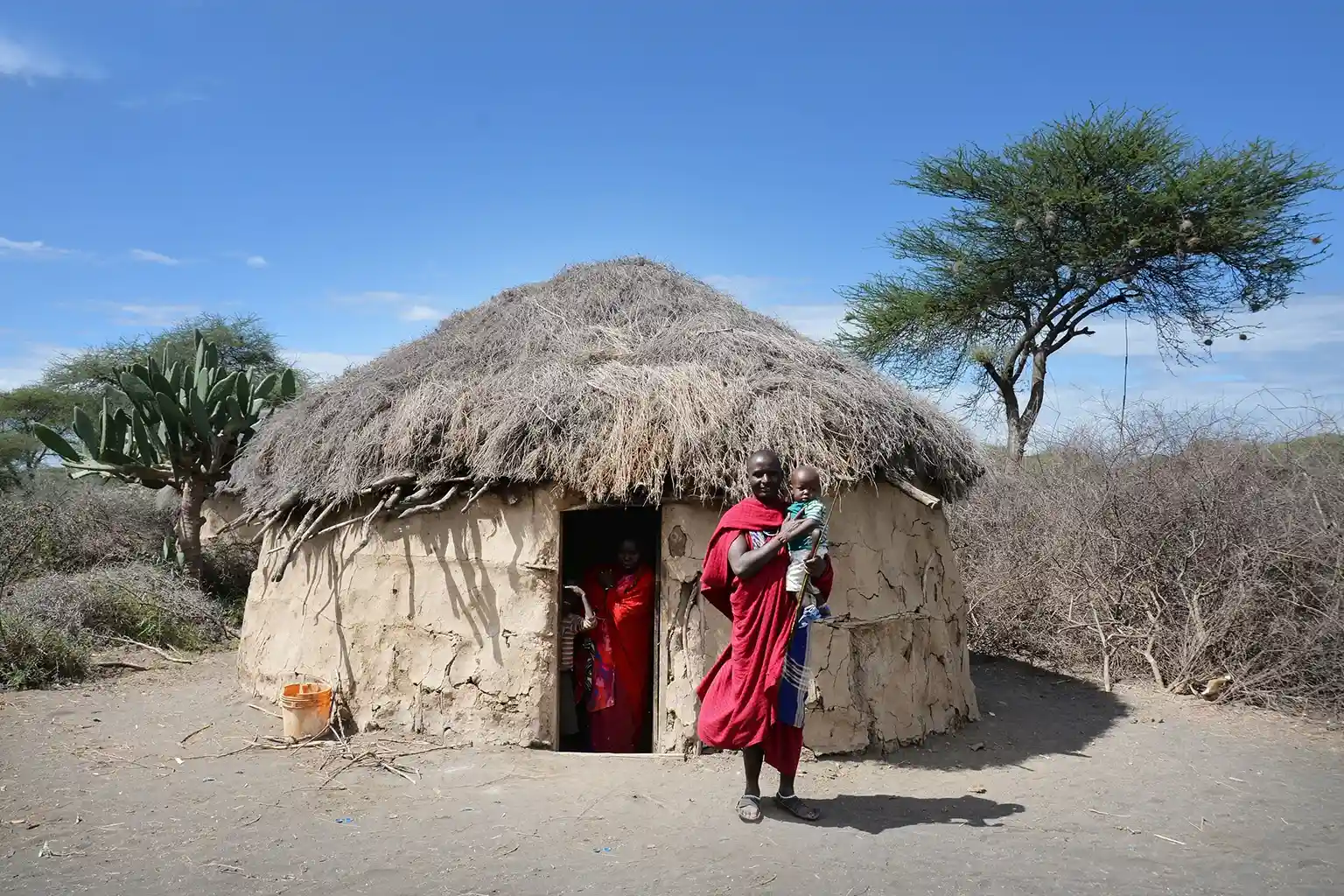
A Maasai family stands outside a traditional mud-and-thatch hut in the African savannah, surrounded by dry bushes and acacia trees under a bright blue sky, showcasing authentic rural culture and lifestyle.
Free Things to Do in Arusha
Arusha is not a city that demands spending money every time you step out. Some of the best moments are simple: walking, watching, listening, and letting the city show you what it is on an ordinary day. Some of the Free Things to Do in Arusha are listed here:
Explore Arusha Central Market (Soko Kuu)
This market is loud in the best way. It’s the city’s everyday heartbeat. You can walk through, just observing, smelling spices, noticing fruit piles, and watching people go about their routines.
- Colorful stalls with produce, spices, fabrics, and household items
- A great place to understand local ingredients and daily rhythm
- Good for photos if done respectfully
- Free unless you choose to buy something small
Visit the Arusha Clock Tower
It’s a simple landmark, but it’s a classic first stop because it sits right in the flow of town. You can stand there for five minutes and get a feel for how Arusha moves.
- Known as the symbolic midpoint between Cairo and Cape Town
- Easy photo stop and a good starting point for walking nearby streets
- Great for people watching and street scenes
- Close to shops, cafes, and central city movement
Browse the Maasai Market without buying
You can spend a long time here just looking. The beadwork, paintings, and carvings make the whole place feel like a living gallery, except people are chatting and bargaining all around you.
- Walk through craft stalls for free and learn by watching
- Good place to see Maasai artistry up close
- Great for photography of displays, with respect to vendors
- Even short visits feel lively and cultural
Take a self-guided city walk
Walking in Arusha is how you notice the small details: street vendors, signage, older buildings, and the blend of modern and historic corners. It’s also how you find your own little moments.
- Walk around areas like Boma Road, India Street, and the Clock Tower zone
- Flexible pace, stop when something catches your eye
- A simple way to see daily life without a schedule
- Good for casual photography and people watching
Visit the Old Boma exterior
Old buildings sometimes feel like quiet witnesses. The Old Boma does. Even if you only see it from outside, it adds a layer of history to your walk through town.
- One of Arusha’s oldest buildings from the German colonial period
- Worth a quick stop for architecture and photos
- Easy to pair with nearby free landmarks
- Helps you understand Arusha’s older story
Themi River walks
The river paths feel like a break from traffic and noise. You get shade, green space, and a slower pace that makes the city feel less intense.
- Shaded walking areas and a calmer atmosphere
- Nice for simple birdwatching and light nature time
- Good for families and travelers who want a quiet hour
- A refreshing pause in the middle of a busy day
Sunset views of Mount Meru
This is one of those free moments people remember. The light changes, Meru turns soft gold, and suddenly everyone slows down a little, even locals.
- Best during golden hour, especially in open viewing areas
- Neighborhoods like Njiro and Sakina can have good vantage points
- Great for photos, but also just for sitting and watching
As you will see, some of the best moments in Arusha cost nothing. You notice that pretty fast. Just walking, watching daily life, letting the city show you small details instead of chasing highlights.
And if you liked that feeling, you’ll probably enjoy the way we’ve put together the Popular things to do in Tanzania, too. It’s not only the big-ticket stuff.
There are plenty of simple, budget-friendly ideas that work perfectly between safari days, travel days, and those slower afternoons when you just want to wander and breathe.
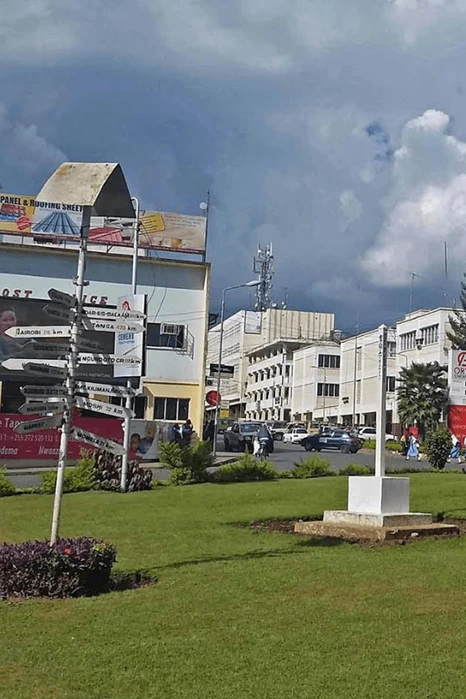
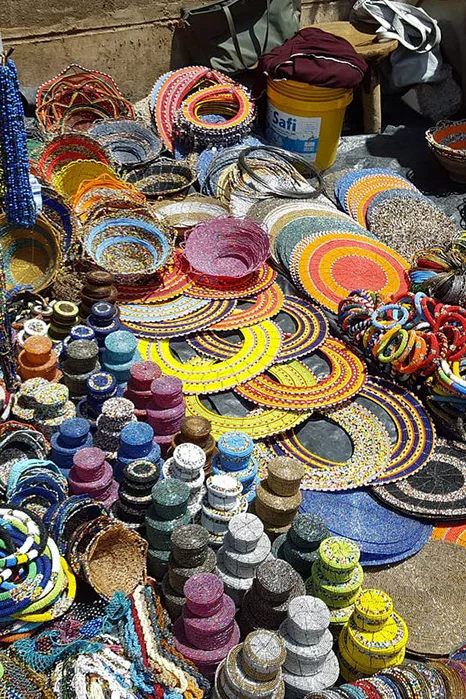
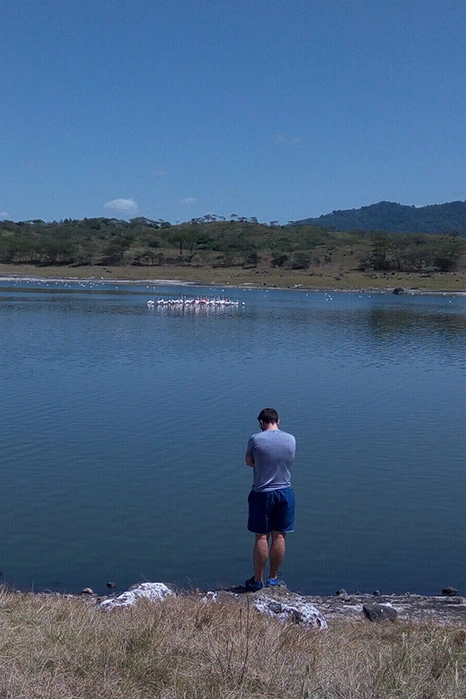
Explore Arusha for free by walking lively streets, browsing colorful Maasai markets, and relaxing by scenic lakes—offering culture, local life, and nature without spending money.
Best Time to Visit Arusha
The best time to visit Arusha is during the dry season, spanning from late June to October. You are going to experience excellent weather with minimal rainfall. That said, Arusha can be visited year-round, as it has a tropical climate. November to February experience short rains and warmth. March to May receive longer rains. Let’s look at the details of what each month looks like on the mountain.June to October: Dry season
This is the classic Northern Circuit window. Arusha feels like it’s in motion all the time. Early morning departures. Safari cars are being loaded. People checking into hotels with that excited, slightly tired look. The days are usually sunny, and the evenings can turn cool enough that you’ll actually want a light jacket, which surprises some travelers.
Wildlife viewing in nearby Tanzania National Parks is often easier too. Less thick vegetation. Animals are sticking closer to water. It’s the season that feels “straightforward,” and honestly, that’s why it’s popular.
- Weather: Sunny days, cooler evenings; daytime often around 20–25°C
- Travel feel: Peak season energy, more vehicles on the roads
- Works well for: Safari-focused trips, outdoor day tours, clear mountain views on many days
November to February: Short rains and warmer months
November and December can bring short showers, but it’s usually not that endless, gloomy rain people fear. It comes quickly, smells like wet soil, and then the skies often open up again. The scenery starts turning greener after the dry months, and everything around the edges looks fresher.
January and February are warmer, and Arusha can feel more relaxed than peak season. You still get good safari days, but the roads often feel a bit less crowded. And if you like birds, this is a nice time to pay attention. You notice more movement in the trees. More sound in the mornings.
- Weather: Short rains early on, then brighter days; warmer stretch can reach around 28°C
- Nature: Greener landscapes and strong light for photography
- Great for: Birding season interest, relaxed pacing around Arusha, Tanzania Safari trips that prefer slightly quieter roads
March to May: Long rains
This is the wettest stretch, and you feel it. Rain can be heavier and more frequent, and the roads can get muddy, slowing everything down. Safari plans can still work, but they need patience and a bit of flexibility. It’s not the season for travelers who want everything to run on a tight schedule.
But the landscape is lush. Proper green. And Arusha gets quieter. Hotels feel calmer. Parks have fewer visitors. If you’re fine with slower movement and you like that fresh, rainy-season look in photos, this time can be surprisingly rewarding. Also, prices are often lower, which matters to many people.
- Weather: Heavier, more consistent rain
- Travel feel: Quieter hotels and parks, fewer crowds
- Good for: Budget-focused planning, photographers who like dramatic greens, travelers who don’t mind slower movement
If your main goal is a smooth, no-surprises Northern Circuit Tanzania safari, June to October is usually the easiest choice. But if you want Arusha to feel less hectic and you like greener surroundings, the short-rain months around November to February can feel like a better balance.
For a broader perspective beyond Arusha, jump to our Best Time to Visit Tanzania page. It gives you an all-round view month by month, so you can match weather and wildlife seasons to your own travel style.
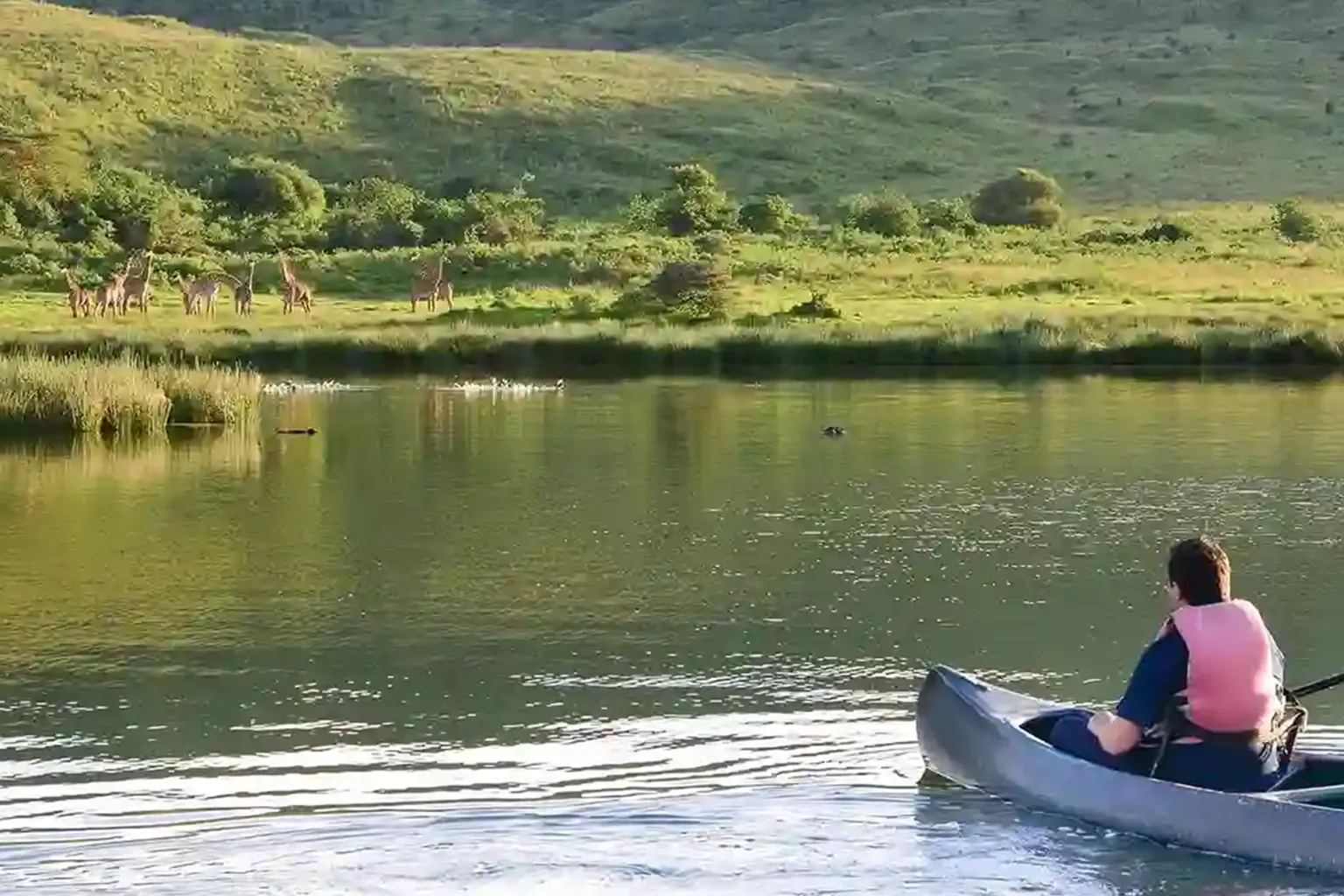
Scenic view of Arusha showing peaceful landscapes, open skies, and natural surroundings—highlighting its role as a gateway to safaris, rich culture, and beautiful highland scenery.
Money Matters
Money in Arusha is mostly easy, until it suddenly isn’t. Like when you’re standing at an ATM, and the screen freezes because the network drops. Or the power goes off for a bit. It's just annoying if you waited until your last note.
So, the simple rule is: don’t run your cash down to zero. Pull out some Tanzanian Shillings earlier than you think. It is best to withdraw when you’re near the city center and keep small notes on hand for day-to-day payments.
- ATMs in the Arusha city center and around major areas (Clock Tower, main roads, malls, and some fuel stations) usually work well for withdrawing Tanzanian Shillings (TZS).
- Most ATMs accept Visa and Mastercard. Other cards may work, but they’re less reliable.
- Daily withdrawal limits are often around TZS 400,000–800,000 (roughly US$150–300), depending on the bank and your own bank limits.
- Power cuts or network issues can affect ATM availability, so don’t wait until you are completely out of cash.
Cash is still the thing you’ll use the most, even if your hotel accepts cards. Markets, small shops, quick snacks, tips… all of that wants cash. And it’s easier if you’re not handing over huge notes and waiting for someone to “find change.”
- You’ll need cash for local markets and small shops, street vendors and snacks, tips (porters, hotel staff, driver guide), and small purchases like water, souvenirs, and local transport.
- Small denominations help a lot (TZS 1,000 / 2,000 / 5,000 / 10,000 notes) for quick purchases.
- Keep some USD in clean, recent notes (preferably issued 2009 or later) for larger payments or emergencies.
Cards work in many mid to high-range hotels, lodges, and some restaurants. But many smaller places are still cash-only. And even when a card works, there’s sometimes a little surprise fee.
- When paying by card, a 3–5% surcharge is sometimes added, so it’s worth asking before you pay.
- You can exchange USD / EUR / GBP in banks and licensed forex bureaus in Arusha.
- Rates at official exchanges are usually better than at hotels or airports.
- Always count your money at the counter and keep the receipt.
And if you are trying to keep the money-related aspects simple, refer to our Tanzania Safari Cost page. It breaks down and gives a full picture of cost drivers like park fees, vehicle type, variety of accommodations, season, and add-ons like flights or Zanzibar days, so you can plan everything around cash, card usage, and payments.

Money matters in Arusha: use Tanzanian shillings for daily expenses, carry cash for markets, use cards in hotels, and exchange money at trusted bureaus—avoid airport rates and bring clean USD notes.
Connectivity
Arusha is not hard to connect to. In town, you’ll message, call, use maps, scroll a bit, whatever you need. Then you go on safari, and it becomes… patchy. Sometimes you have a signal near a lodge or on a main road, and then it drops the moment you drive into quieter areas. That’s normal.
If you don’t want to wrestle with roaming charges, just get a local SIM. It’s quick, it’s cheap, and it saves your mood.
- Getting a local SIM is easy and inexpensive.
- Main providers include Vodacom, Airtel, Tigo, and Halotel.
- You can buy SIM cards at official operator shops and kiosks in town, and also in some supermarkets and malls.
- Registration usually requires your passport, since SIMs must be registered in your name.
Data works well around town, and it’s usually far cheaper than what visitors expect. You can pick daily, weekly, or monthly bundles depending on how long you’re staying. Roaming works too, but it’s the expensive way to do the same thing.
- 4G/3G data is widely available in Arusha and other major towns.
- Data bundles are available as daily, weekly, or monthly packages for data and calls.
- In national parks, coverage ranges from good (around some lodges and main roads) to weak or none in remote areas.
- Make sure your phone is unlocked so it can accept a local SIM.
- International roaming is usually much more expensive than a local data plan.
Wi Fi exists in most hotels and lodges, but it’s not always the kind you’d happily stream on. It’s more “message family, send a couple of emails, check tomorrow’s plan.”
- Most lodges and city hotels have free or paid Wi Fi in public areas, and sometimes in rooms.
- Speeds vary: usually fine for messaging and email, but streaming can be slow or inconsistent outside main towns.
Connectivity in Arusha is generally good, with mobile data widely available, free WiFi hotspots in town, and internet access in hotels and cafés—though speeds can vary, especially in remote areas.
Is Arusha Safe?
Yes, Arusha is generally safe for most travelers. It is a busy safari hub with a steady flow of visitors, so hotels, tour operators, and local services are well used to helping guests who have just arrived and may be tired, unfamiliar with the city, and carrying important documents.
But it’s still a city. That means the main risks are the boring ones: petty theft, pickpocketing, small scams, especially where it’s crowded. Serious or violent crime against tourists is relatively rare, but it’s not a place to switch your brain off completely.
- Arusha is the main gateway to Tanzania’s northern safari circuit (Serengeti, Ngorongoro, Tarangire, Lake Manyara), so it’s very used to hosting tourists.
- Most travelers don’t face serious problems when staying in established hotels and traveling with reputable safari companies.
- The main Tanzania Travel safety concerns are petty theft, pickpocketing, and small scams in crowded places.
The “safe zone” for most visitors is pretty predictable: reputable hotels, organized transfers, and moving around with guidance. That’s why safari travelers usually feel fine here.
- Well-known hotels and lodges typically have 24-hour reception, on-site security guards, gated entrances, and controlled access.
- Many hotels have safes or secure storage for valuables.
- Private transfers arranged by your safari operator are considered very safe: the driver meets you at arrivals, knows the safest routes, and stays with you until you reach your hotel or lodge.
- Once on safaris in Tanzania, you travel with your guide in a dedicated 4x4, which is a very secure way to move around.
- Walking short distances by day in busy central areas or near your hotel is usually fine, especially if your hotel recommends routes.
The places where people slip up are also predictable. Crowds. Night walks. Random “helpful” people offering cheap deals. It’s not that everyone is bad. It’s just that you don’t know who is genuine and who is trying their luck.
- Pickpocketing and bag snatching can happen in crowded areas like markets, bus stations, busy street corners, and small, packed shops.
- Avoid walking after dark, especially in quiet residential streets, unfamiliar areas, or when carrying valuables.
- Don’t accept unlicensed taxis that stop and offer rides.
- Be careful with street “guides” offering cheap safaris, street currency exchange, or help finding shops and services.
If you want the simplest way to handle it, keep your valuables close, don’t flash cash, and arrange services through proper channels.
- Keep phone and wallet in front pockets or a zipped bag worn across your body.
- Avoid swinging bags on one shoulder or carrying backpacks loosely behind you.
- Don’t display large amounts of cash, expensive jewelry, or cameras when not needed.
- For taxis and tours, use your hotel, lodge, or registered offices.
- If approached, politely decline and keep walking.
Safety in Arusha: generally safe by day, but stay alert in crowds, avoid walking at night, use registered taxis, protect valuables, and follow basic travel precautions for a secure and smooth visit.
Health and Practical Safety
Arusha isn’t a place where you need to be anxious about health. But you do need basic habits. It’s more like: don’t drink tap water, don’t get overconfident with street food on day one, and don’t cross roads like you’re back home. That’s it. Simple things. Repeated.
- Tap water in Arusha is not recommended for drinking.
- Drink bottled or filtered water.
- If you have a sensitive stomach, use bottled or filtered water even for brushing your teeth.
- Most hotels, lodges, and safari vehicles supply bottled water.
Just to put things in perspective, these are simple rules that you’ll hear in any Health at Tanzania guide. These are small routines that always save you from having a bad day on your trip.
Food is usually fine when you eat in reputable places. The problems often come from trying something risky when your stomach is still adjusting, or eating salads and ice without thinking.
- Eat at reputable restaurants and hotels, especially for meat, salads, and ice.
- Street food can be tempting but may cause stomach upsets for visitors not used to local conditions.
- Carry basic medication for minor stomach issues, just in case.
And then there’s traffic. Arusha traffic can feel chaotic because everything shares the same space: cars, motorbikes, bicycles, and people walking. If you’re crossing a road, do it slowly, watch both ways, and don’t rush because someone behind you is honking.
- Traffic can be busy and unpredictable, with cars, motorbikes, bicycles, and pedestrians sharing the road.
- When crossing: look carefully in both directions and be patient.
- Avoid stepping into the road suddenly.
- Use official crossings where available.
- If you’re in a group, follow your guide’s lead.
Want to learn more about how to stay safe when moving around Tanzania? You can check out our Tanzania Travel Safety page for more details.
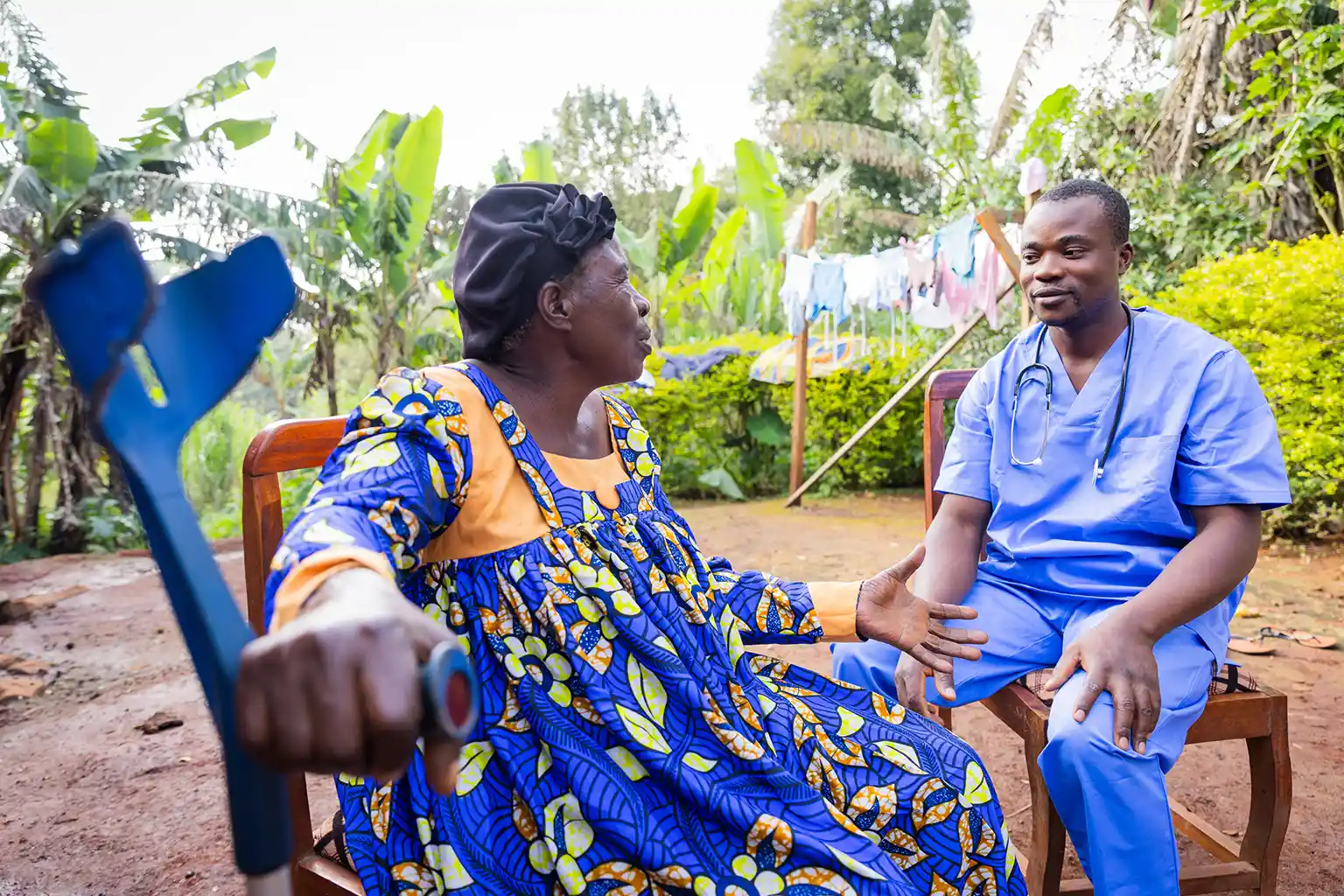
Health and safety in Arusha: stay cautious in crowded areas, avoid walking at night, use trusted transport, drink bottled water, protect against mosquitoes, and keep valuables secure for a safe, healthy trip.
Accommodations in Arusha
Arusha has that quiet advantage you only notice once you’re there. You can stay right in town, where everything is close and practical. Or you can sleep a little outside the center, where mornings come with birds, cool air, and Mount Meru sitting in the background like it’s just keeping an eye on things.
And if Arusha is your first stop before a Tanzania safari, where you sleep matters more than people admit. A good hotel can make your first day feel settled. A bad one can make you start the trip already tired.
Luxury stays
- Arusha Coffee Lodge: Calm, well kept, and set inside a working coffee estate. Spacious rooms and a slower pace that feels like a deep breath.
- Legendary Lodge: An exclusive boutique lodge offering private cottages, lush gardens, and highly personalized service. Known for its elegance and tranquility, it is especially popular with honeymooners and high-end safari clients.
- Gran Meliá Arusha: Modern five star comfort with big views, plus the kind of facilities that actually help after travel, like a pool and spa.
Mid-range stays
- The African Tulip: Boutique style with warm service. It’s an easy base for town errands and early safari departures.
- Four Points by Sheraton Arusha: Central location, classic garden feel, and the kind of steady comfort people quietly appreciate
- Mount Meru Hotel: One of Arusha’s largest and most established hotels, featuring spacious grounds, a golf course, and comprehensive amenities suitable for both leisure and business travelers.
- Kibo Palace Hotel: A well-regarded hotel offering refined rooms, conference facilities, and reliable service—ideal for both corporate and safari guests.
- SG Resort: A comfortable option with modern facilities, suitable for travelers seeking affordability without compromising on basic comfort.
- Arusha Planet Lodge: A popular choice for safari travelers, featuring individual chalet-style rooms set in a garden environment, offering privacy and a relaxed atmosphere.
Budget stays
- Outpost Lodge: Simple and comfortable, usually quieter than many central options, and good for resting before long drives.
- Venus Premier Hotel: Located in the city center, this hotel offers convenient access to shops and transport, making it a practical choice for short stays.
- Green Mountain Hotel: A budget-friendly option with basic amenities and a calm environment, suitable for travelers prioritizing value.
- Tulia Boutique Hotel: A unique option that blends affordability with boutique charm, offering a slightly elevated experience within the budget range.
- Arusha Backpackers: Social and practical for solo travelers and budget-focused trips, with dorms and private rooms.
One small honest tip: If you land late or you’re leaving for safari early, don’t overthink “the perfect hotel.” Pick the place that makes transfers easy and sleep simple. Save the fancy stay for the return night, when you actually have time to enjoy it.
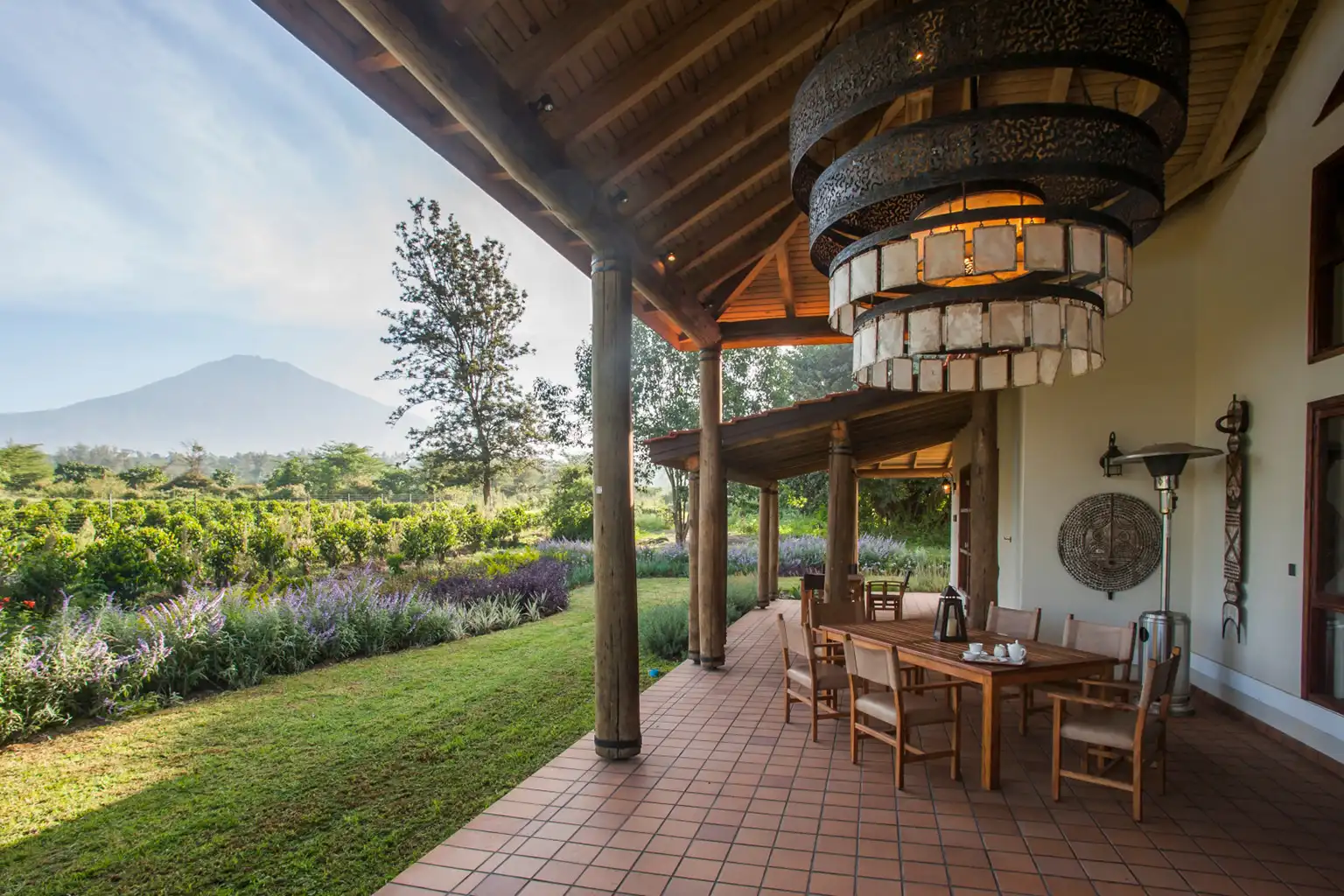
Accommodation in Arusha ranges from budget hostels and mid-range hotels to luxury safari lodges, offering comfort, good amenities, and convenient access to national parks and town attractions.
Restaurants In Arusha
Arusha offers a vibrant and diverse dining scene that beautifully reflects both its rich cultural heritage and its international influence as a key safari gateway in Tanzania. Whether you are seeking an authentic taste of Tanzanian cuisine or prefer familiar global flavors, the city presents a wide array of dining options tailored to every preference, occasion, and budget.
This carefully curated guide organizes Arusha’s restaurants into Local (Tanzanian/African) and International cuisine categories, allowing you to easily navigate your choices based on your culinary interests, desired ambiance, and dining expectations.
From casual, lively local eateries to refined, upscale dining establishments, Arusha ensures a memorable culinary experience whether you are preparing for a safari adventure to Serengeti National Park or Ngorongoro Crater or simply exploring the city itself.
International Cuisine Restaurants
As a major hub for international travelers, Arusha features a wide selection of global dining options, ranging from casual cafés to fine dining establishments. These restaurants offer diverse menus, refined service, and stylish environments suited for both leisure and business dining.
European | Mediterranean | Fusion
The Blue Heron Restaurant
- Set within a tranquil garden environment, known for wood-fired pizzas, fresh salads, and a relaxed brunch atmosphere.
George’s Tavern
- A leading spot for Greek and Mediterranean cuisine with grilled meats, seafood, and vegetarian options.
Le Patio Arusha
- A stylish venue offering a diverse international menu in a modern setting.
The Bay Leaf Restaurant
- A refined place serving a fusion of local and international flavors with a sophisticated feel.
MATTEO Italian Restaurant Arusha
- Known for authentic pasta, wood-fired pizzas, and a romantic ambiance.
Asian Cuisine (Chinese | Indian)
Chinese Whispers
- A popular venue for authentic Chinese cuisine, ideal for group dining and evening outings with a wide menu selection.
Baba’s Kitchen
- Well-known for rich and authentic Indian flavors, offering curries, fresh breads, and traditional dishes in a cozy setting.
Cafés & Casual International Dining
Africafe
- A long-established favorite offering a Western-style menu, including burgers, sandwiches, and quality coffee for casual meals.
Fifi’s Restaurant & Café
- A versatile option combining Tanzanian and international cuisine, suitable for any time of day.
Fig & Olive Café
- A modern café focused on healthy, vegetarian, and vegan-friendly meals with smoothies and specialty coffee.
Amber Bar & Restaurant
- A lively venue known for its food, drinks, and nightlife atmosphere, popular for evening outings.
Premium & Lodge Dining Experiences
For travelers seeking a more refined and elevated culinary experience, Arusha offers a selection of exceptional restaurants set within some of the region’s most prestigious hotels and lodges. These venues combine high-quality cuisine, elegant ambiance, and attentive service, creating a sophisticated dining environment ideal for special occasions, business meetings, or simply indulging in comfort before or after a safari.
Unlike standard restaurants, lodge-based dining experiences often emphasize tranquility, scenic surroundings, and exclusivity, with menus that blend international gastronomy with locally inspired ingredients. Guests can expect beautifully presented dishes, curated wine selections, and a level of service that reflects international hospitality standards.
Featured Premium Dining Venues
Gran Meliá Arusha
- Set in lush gardens with Mount Meru views, offering fine dining with strong international influence in an elegant setting.
Arusha Coffee Lodge
- Located on a coffee plantation, featuring fresh, locally sourced ingredients with a unique farm-to-table experience.
Four Points by Sheraton Arusha
- A central city option providing modern dining with international standards and a diverse menu.
Kibo Palace Hotel
- Known for refined ambiance and a wide selection of international and regional dishes with consistent quality.
Mount Meru Hotel
- Offers upscale dining with scenic views and a tranquil atmosphere, blending international and local cuisine.
Arusha Local Cuisine Restaurants (Tanzanian African)
Arusha’s local dining scene offers an authentic introduction to Tanzanian and Swahili cuisine, deeply rooted in tradition, community, and bold flavors. These restaurants emphasize locally sourced ingredients, time-honored recipes, and a warm, social atmosphere.
Expect signature dishes such as nyama choma (grilled meat), ugali, pilau rice, sukuma wiki, and a variety of rich, slow-cooked stews. Dining at these establishments is not only about the food it is about immersing yourself in the local culture and everyday life of Arusha.
Below are Best Local Food Restaurants
Khan’s BBQ
- A lively open-air spot known for “Chicken on Fire”, naan, and bold Indian-Tanzanian flavors.
Milestone Park
- A local favorite serving ugali, beans, nyama choma, and sukuma wiki in a relaxed setting.
Uzunguni City Park
- Popular for grilled meats and evening gatherings with a lively outdoor atmosphere.
KilliTouch - BakiKwetu Restaurant
- Offers African-style meals prepared with care and tradition in a homely environment.
Maasai Kigelia Africana
- A cultural dining experience featuring traditional Maasai cuisine and heritage.
Flame Tree Restaurant
- Blends African and international cuisine in a relaxed setting with a diverse menu.
Andrew’s
- A lively and affordable spot known for its vibrant atmosphere and wide-ranging menu, ideal for casual dining.
Food Options in Arusha
Eating in Arusha feels like stepping into everyday life and really understanding the city and its people. One minute you’re near a grill watching nyama choma come off in smoky bursts, and the next you’re sitting with a plate of spiced rice that tastes like the coast and inland met halfway.
If you’re doing Tanzania safaris, combining with Arusha National Park Day Tours, this is also where many people try local food for the first time, before lodge menus take over. And honestly, it’s a good place to do it. You can explore a bit, take it slow, and figure out what you actually enjoy.
Local dishes to try
- Nyama Choma: Roast meat with ugali or chips, best when it arrives hot and simple.
- Zanzibar Mix: A street snack that’s tangy, spicy, and a little messy in a good way.
- Chipsi Mayai: Fries cooked into an egg omelet, quick, warm, and very local.
- Pilau: Spiced rice that feels comforting, often served with meat or vegetables.
- Biriyani: Richer, heavier, more layered. The kind of meal that makes you sit back after.
Coffee is a whole thing here, too. Not just “grab and go.” You feel it in the cafes, and in how people actually take their time with a cup.
Coffee spots to know
- Africafe Coffee House for a relaxed coffee stop in town
- Cage Bamboo Restaurant when you want coffee and a longer sit-down meal
So yes, you can keep it simple and eat close to your hotel. But if you have one free evening, go out and try a proper local plate. It changes Arusha from a transit point into a place you actually remember.
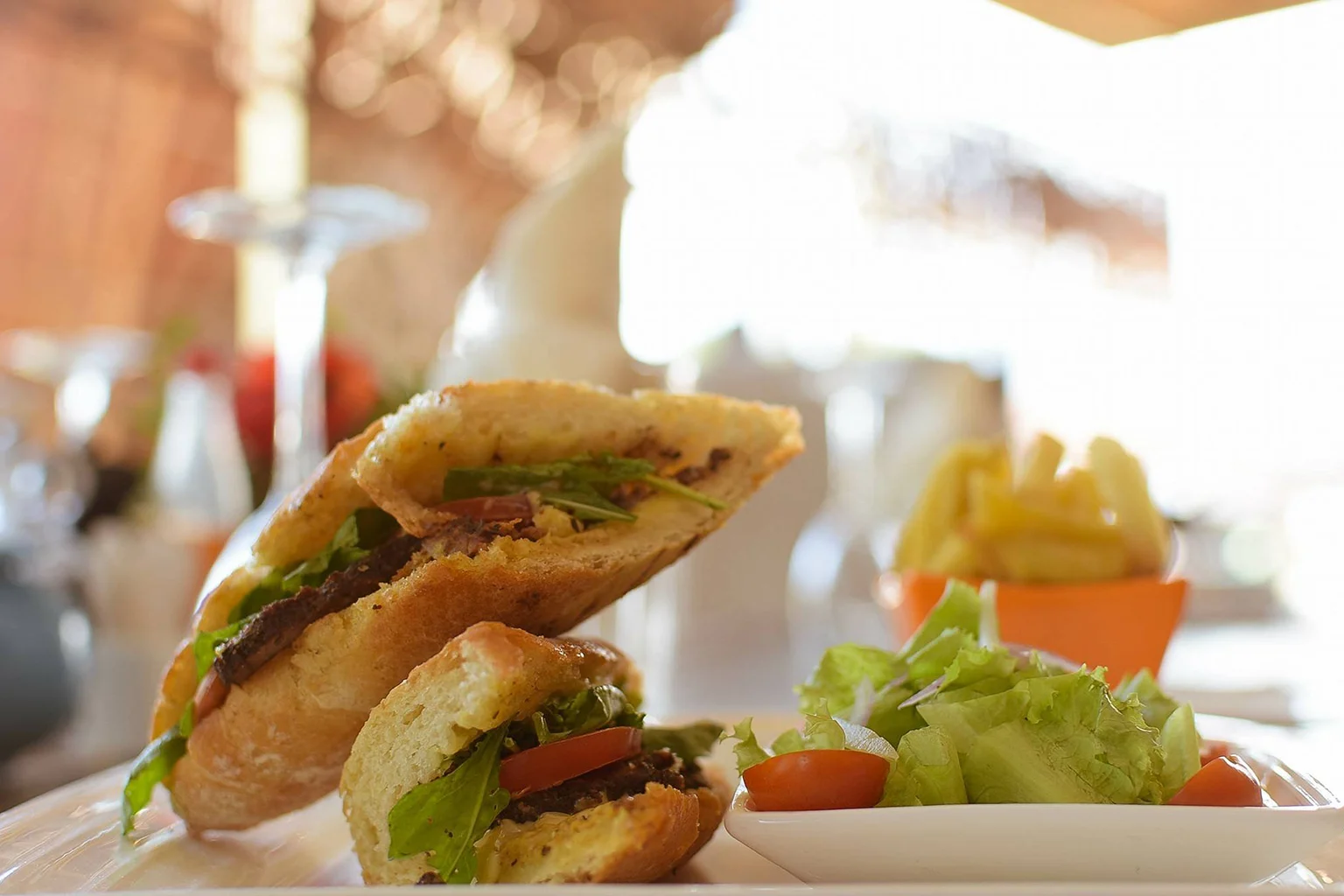
Food options in Arusha are diverse, from local dishes like ugali and nyama choma to street food, cafés, and international cuisine, reflecting a rich blend of African, Indian, and global flavors.
Shopping Options in Arusha
Shopping in Arusha isn’t quiet, and it isn’t meant to be. It’s voices, color, movement, bargaining, laughter, someone calling you over to look at something they’re proud of. Even if you don’t buy a thing, you’ll still walk away understanding the city a little better.
And the best souvenirs usually aren’t the ones that look perfect on a shelf. They’re the ones you can explain later. A bracelet that reminds you of the conversation. A carving you watched someone polish. Those details stick.
Best places to shop
- Maasai Market (Arusha) for beadwork, carvings, textiles, and lively browsing
- Cultural Heritage Centre for higher-end crafts, art pieces, and gifts with a gallery feel
Arusha Central Market (Soko Kuu) for spices, produce, everyday items, and a true local scene
Practical shopping tips
- Carry small cash notes for easy payments
- Bargain politely at craft markets, keep it friendly and light
- Ask before taking close photos of vendors or their work
- If you’re buying gifts, choose items that pack flat and travel well
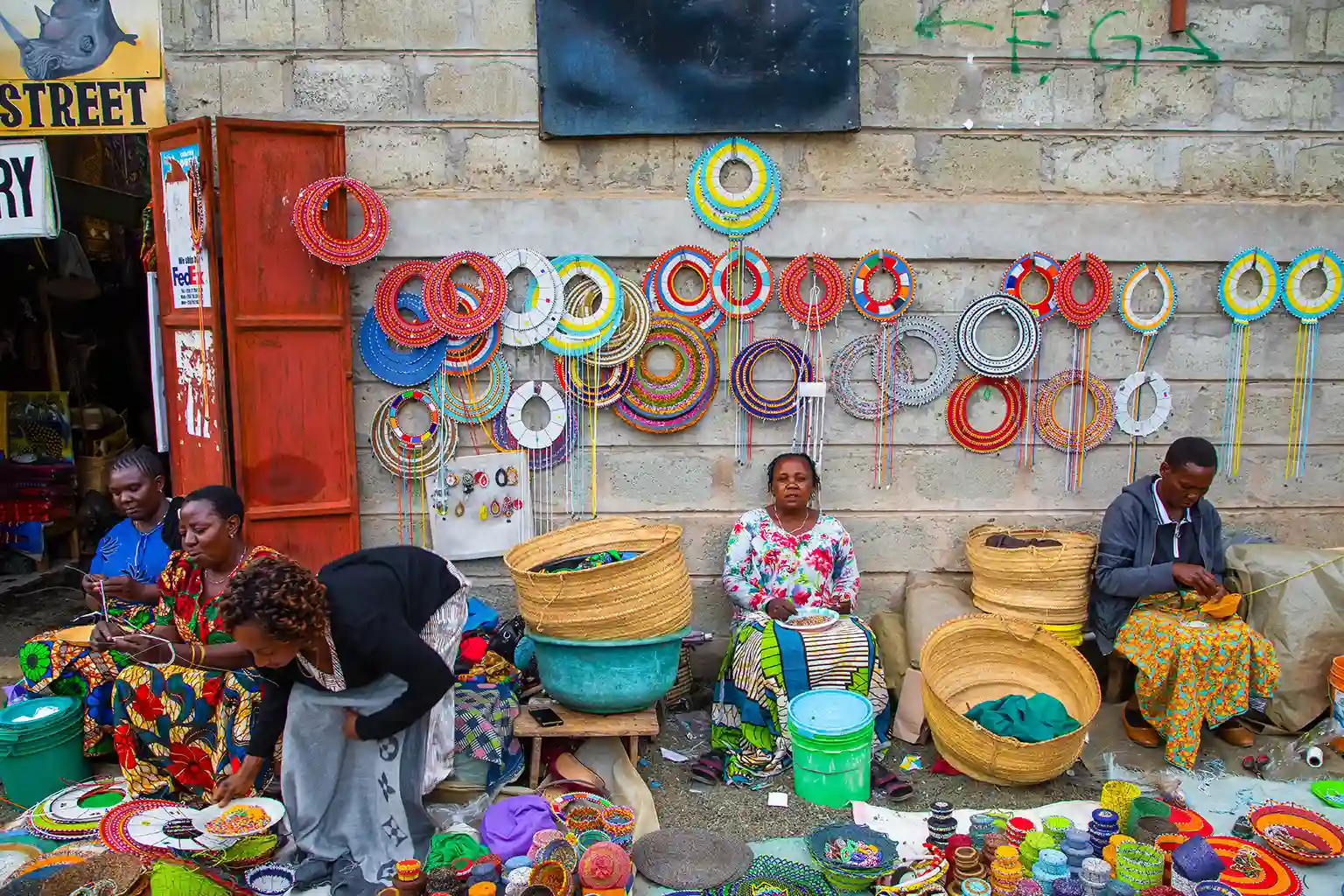
Shopping options in Arusha range from vibrant local markets like Maasai Market for handmade crafts and souvenirs to modern malls and cultural centers offering art, jewelry, and local goods.
A Note Before You Go
Arusha gets introduced as the gateway to Tanzania safaris, and that’s true. It’s where plans stop being ideas and start feeling real. You land, you breathe, you sleep, and suddenly Serengeti and Ngorongoro feel close enough to touch.
But if you give Arusha even a little time, it turns into more than a starting point. The Meru views. The coffee smell in the air. The markets. The food. Those small calm pockets that make you slow down without even trying.
And honestly, that slower start matters. It helps after flights. It softens the rush before long drives. It lets you ease into Tanzania instead of just passing through it.
If you’re still deciding what to do in Tanzania, Arusha is a smart place to begin because it lets you mix easy days with real experiences before the big parks. And if you want Arusha to feel smooth from the first pickup to the first park gate, we at BestDay Safaris can arrange your stay, transfers, and day activities, then connect everything naturally into your Northern Circuit Tanzania safari plan.
Related Safari Experiences

Plan a Trip to Tanzania
We offer different tour types. You can also chat with a local travel specialist if you want a customized tour to Tanzania.


Recommended by


Tanzania Travel Essentials
Your Trusted Guide for Every Safari Detail
Our travel guide is made to save you time. It points you to the best time, cost, safety aspects, and activities, while sharing tips only locals know. Your dream Tanzania trip starts with the right information, and we’ve put it all together for you, so planning feels clearer, easier, and far less overwhelming from the very beginning.

Guestbook Moments
Real Stories from Safari Guests
A good safari often lives on through the words guests bring back. Here, Bestday Safaris travelers share notes on the people, pace, small comforts, wildlife moments, and honest care that became part of their journey. Their reviews help future travelers see beyond the itinerary and understand how each safari feels on the ground.
Excellent

4.9 out of 5
753 Reviews
Lorena T

We had an amazing experience with BestDays Safaris. Our driver Muro was very knowledgeable, took us away from crowds to spot animals and was an excellent guide. The camping accommodation that BestDay Safaris
Mar 2026
Alejandra Q
We just finished an incredible safari as our honeymoon on a private safari tour for us two with Best Day Safaris in Tanzania and the whole experience exceeded our expectations.During the trip we explored Tarangire...
Mar 2026
Gabriel R
Our safari in Tanzania was honestly better than we ever imagined, easily the best trip we’ve ever taken. We visited Tarangire National Park, the incredible Serengeti National Park, and the breathtaking and the breathtaking...
Mar 2026

Francesca C
Beautiful experience, absolutely to try! If you love nature and animals you can not miss this incredible journey with Best Day Safari! My father and I visited in 4 days the Tarangire park, the Serengeti (with...
Dec 2025

Michaela P
We planned our 5-day safari about 1 month before with Xenia. Communication with Xenia was straightforward, very friendly, very reliable and she gave us enough freedom and time to make decisions. The safari has...
Oct 2025


Chad
We had the most amazing safari experience with BestDay safari’s. From start to finish they were exceptional, Xenia planned the perfect 10 day safari and our guide Joseph was extremely kind, knowledgable and...
Jan 2026
Start planning your safari. Get matched with a local adventure specialist.
David
Jackson Mollel
 Stephen
 Faraj
Faraj
 Abel
Abel