Kilimanjaro Rescue
Rescue operations on Mount Kilimanjaro are needed only in rare cases when a climber becomes ill or is seriously injured. The aim of these rescue companies is to make Kilimanjaro the safest climbing destination in Africa by safely evacuating any climber who gets stuck. Search-and-rescue companies can have a chopper on the mountain, based in Moshi. If the helicopter cannot land on the mountain, manual evacuation can be carried out via a stretcher provided by the National Park.
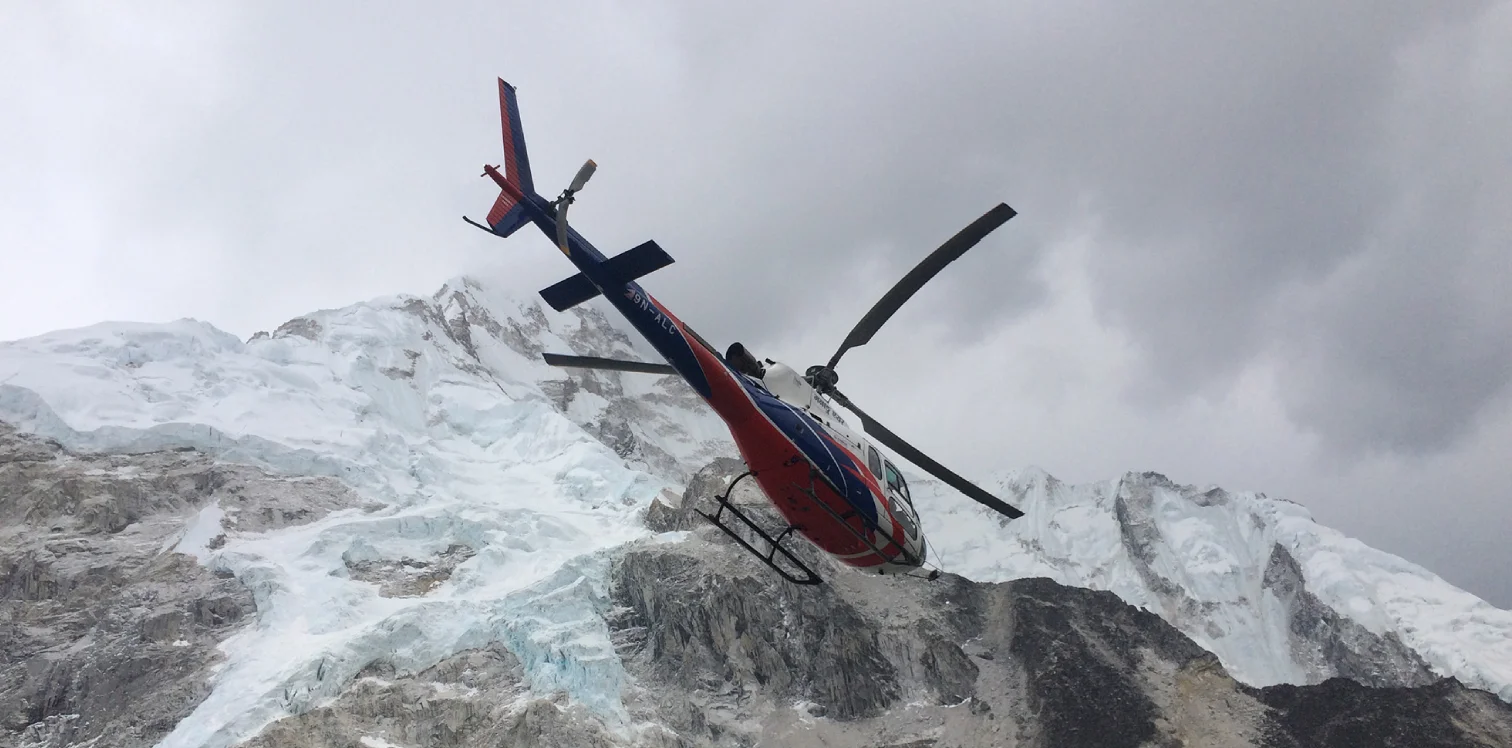
A rescue helicopter flying near snow-covered mountain cliffs on Mount Kilimanjaro, representing emergency evacuation and high-altitude rescue operations during mountain expeditions.
Safety and Rescue on Kilimanjaro
Climbing Kilimanjaro is one of those experiences people talk about for years. You remember the long walks, the cold mornings, the tired legs, the changing views, and that strange mix of discomfort and excitement that follows you up the mountain. It is beautiful, yes. But it also demands respect.
- 1. Our Mountain Guides Stay Ready
- 2. When Helicopter Rescue Is Needed
- 3. Manual Evacuation Still Matters
- 4. Common Rescue Points on the Mountain
- 5. The Role of Porters in Rescue
- 6. Why Travel Insurance Is So Important
- 7. Regular Health Checks During the Trek
- 8. Final Thoughts
- 9. Frequently Asked Questions
Most climbers do not want to think too much about emergencies before a trek. That makes sense. You want to picture the summit, not the worst-case scenario. But the mountain can change things quickly. A person may feel fine in the morning and struggle badly later in the day. Altitude, weather, and exhaustion do not always give much warning. So rescue planning is not something extra. It is part of responsible climbing.
Our Mountain Guides Stay Ready
A guide on Kilimanjaro does much more than show the trail. They watch people closely. They notice the small things before they become bigger ones.
Our guides are trained and equipped to respond when something feels wrong. They carry safety equipment and know how to act early, which matters a lot on a mountain like this.
They usually carry:
- Pulse oximeters to check oxygen levels
- Oxygen for emergency support
- First aid supplies for immediate care
Most of the time, nobody wants these things to be used. Still, it helps to know they are there.
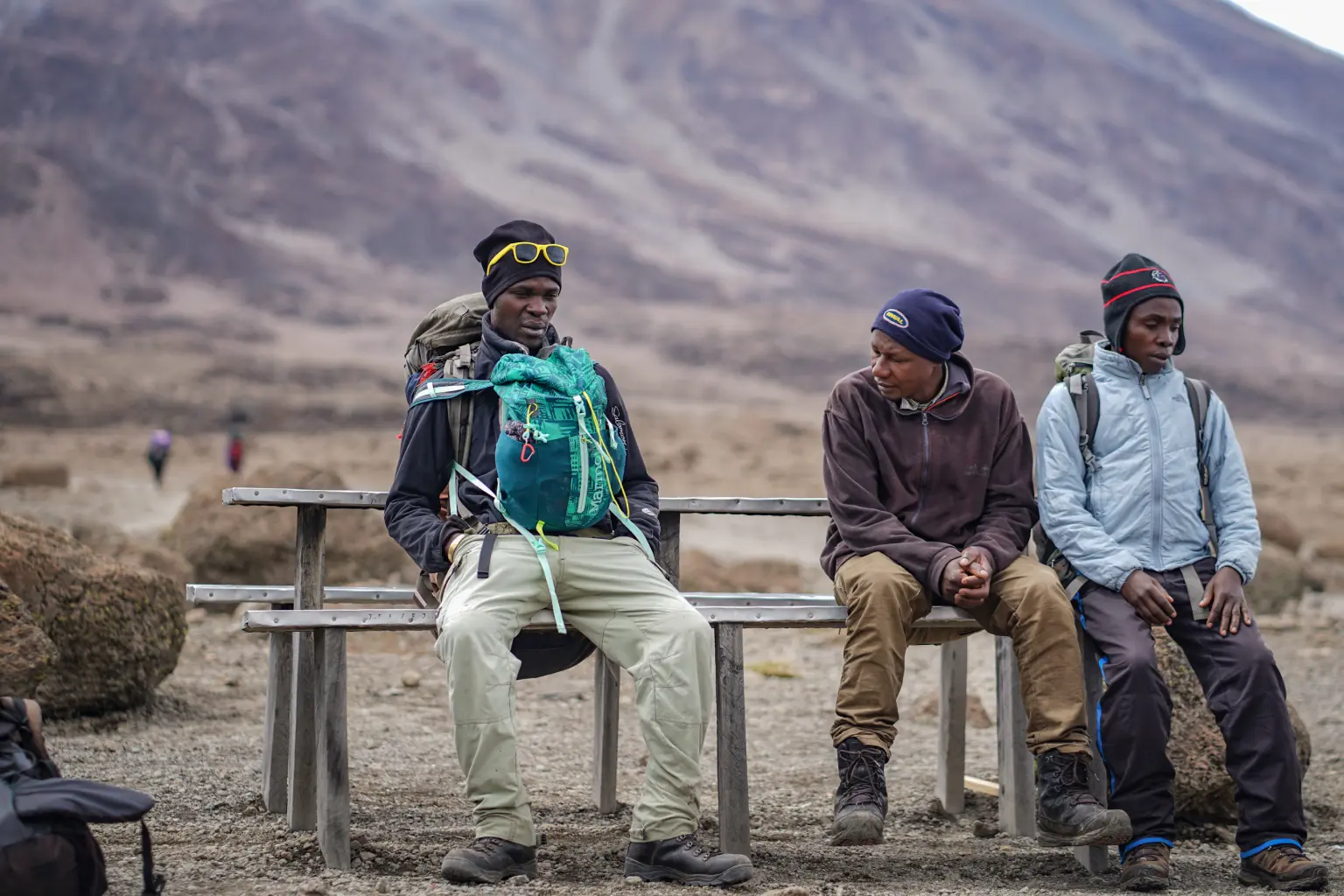
Three Mount Kilimanjaro trekking crew members resting on benches in a rugged alpine landscape, wearing hiking gear during a high-altitude mountain expedition in Tanzania.
When Helicopter Rescue Is Needed
Sometimes the safest way to help a climber is to get them off the mountain quickly. In those moments, a helicopter can make a big difference.
We work with rescue teams based in Moshi that can assist with helicopter evacuation when the conditions allow. It is fast, useful, and sometimes necessary. But mountain weather does not always cooperate. Strong wind, cloud cover, or poor visibility can stop a helicopter from landing safely. That is why a good rescue plan can never depend on only one option.
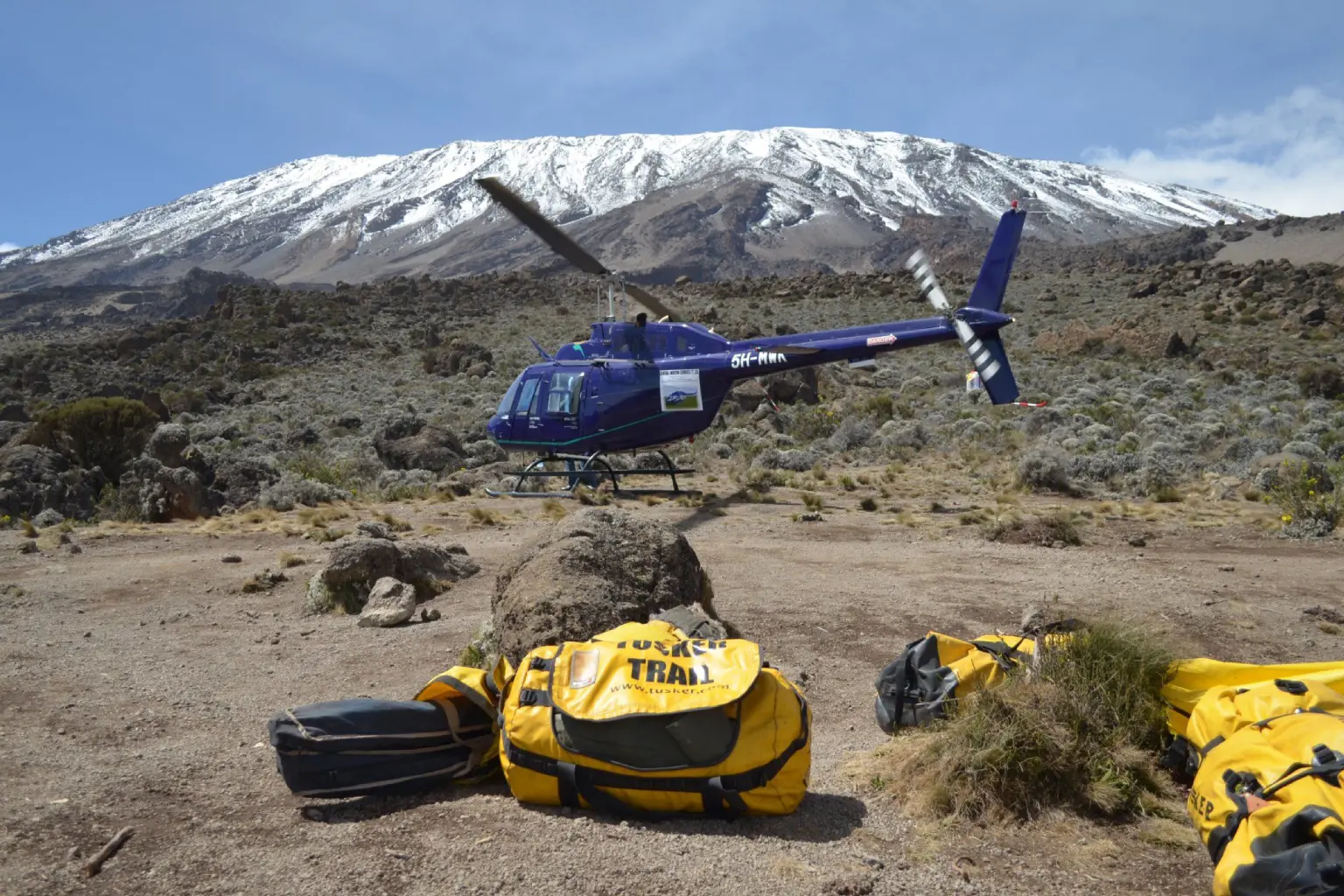
A rescue helicopter stationed on Mount Kilimanjaro with snow-covered peaks in the background, prepared for emergency evacuation and mountain rescue operations in Tanzania.
Kilimanjaro rescue support gives climbers added peace of mind, knowing trained guides, strong safety systems, and emergency evacuation plans are already in place if the mountain becomes difficult.
Peter Charles
Manual Evacuation Still Matters
If air rescue is not possible, the support team does not stop. It changes the approach.
Guides and porters are trained to help move a climber down the mountain manually when needed. This may mean assisting them to a lower camp or helping them reach a place where they can receive more medical attention. It is slower. It is harder. But it is a very real part of mountain safety.
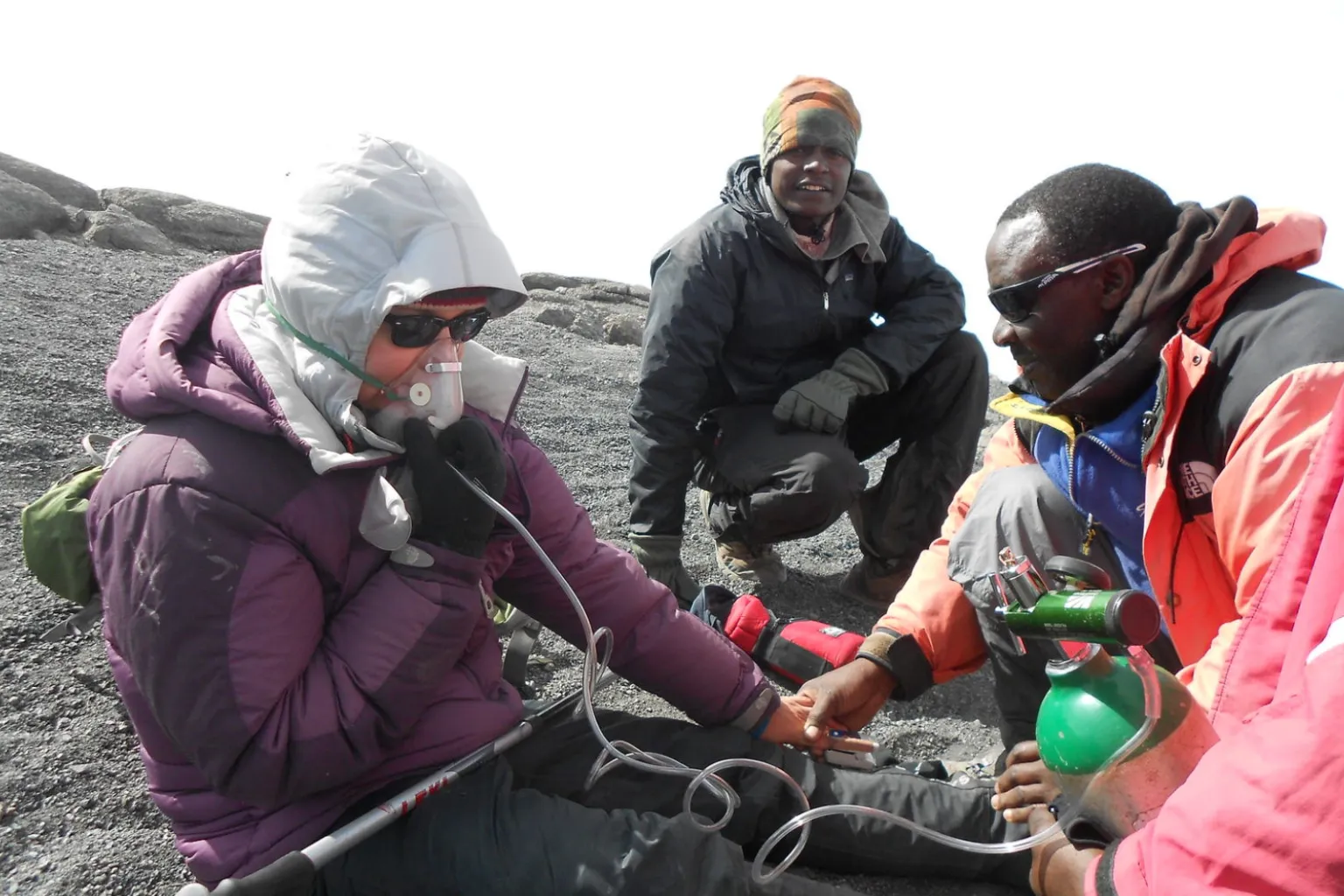
A climber receiving oxygen support from mountain rescue staff on Mount Kilimanjaro, highlighting altitude sickness treatment and emergency medical assistance during a high-altitude trek.
Common Rescue Points on the Mountain
Some areas on Kilimanjaro are more commonly used during rescue operations. These points are known because they are easier to access and can help speed up coordination.
Common rescue locations include:
- Horombo Hut
- Barranco Hut
Still, rescue on the mountain is never exactly the same each time. Weather, time, route, and the climber’s condition all change what happens next.
- Kilimanjaro
- Private
- Luxury
- Camp
6 Days Shira Route
Starts from: On Request
View Tour
- Kilimanjaro
- Private
- Luxury
- Camp
6 Days Rongai Route
Starts from: On Request
View Tour
- Kilimanjaro
- Private
- Luxury
- Hut
5 Days Marangu Route
Starts from: On Request
View Tour
- Kilimanjaro
- Private
- Luxury
- Hut
6 Days Marangu Route
Starts from: On Request
View TourThe Role of Porters in Rescue
People often think of porters only as the ones carrying bags and setting up camp. But that only tells part of the story.
On Kilimanjaro, porters are also a serious part of the support system. They know the mountain well, and in difficult situations, they help guides manage evacuations and get climbers to safer ground. That support can be physical, immediate, and incredibly important.
In an emergency, porters may help by:
- Assisting with descent
- Supporting a stretcher evacuation
- Carrying gear needed during the rescue
- Helping a climber reach a lower, safer point
That is one reason ethical treatment of Kilimanjaro Porters matters so much. They are not in the background. They are part of what keeps the climb safe.
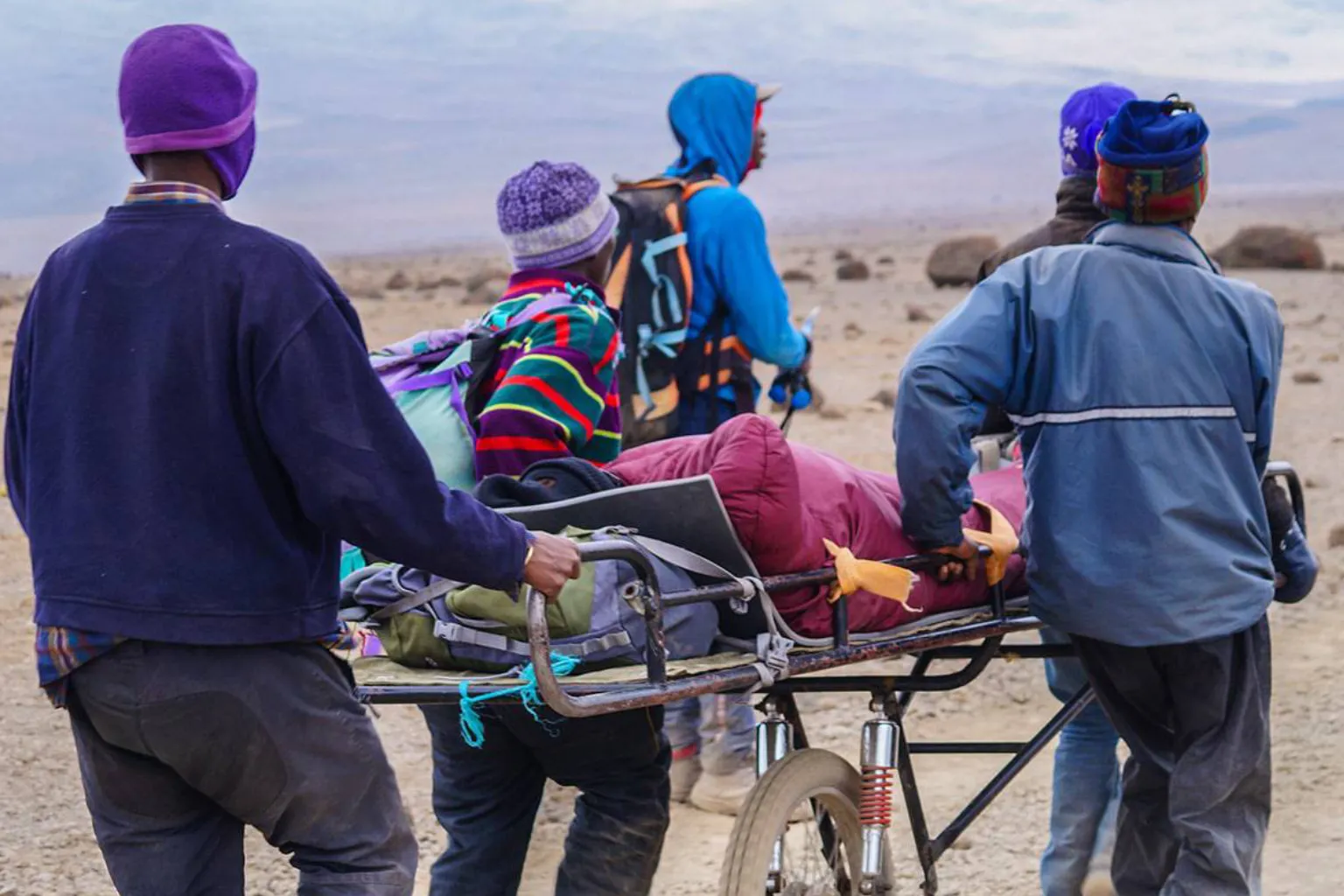
A Mount Kilimanjaro rescue team transporting an injured or sick climber on a mountain stretcher across a high-altitude trail during an emergency evacuation in Tanzania.
Why Travel Insurance Is So Important
Getting travel insurance may not be the most exciting part of planning a Kilimanjaro climb, but it is one of the smartest things to sort out early.
Emergency evacuation can be expensive, especially when it includes a helicopter rescue or medical treatment after the descent. So climbers should have insurance that clearly covers high-altitude trekking and emergency evacuation up to 6,000 meters. Not vague cover. Real cover. The kind you have actually read.
Before your climb, it is worth checking that your Tanzania Travel Insurance policy includes:
- High-altitude trekking
- Emergency evacuation
- Medical treatment
- Trip interruption or delays
When a climb is already demanding enough, this is not the part to leave uncertain.
Regular Health Checks During the Trek
One of the quiet strengths of a well-run Kilimanjaro climb is regular health monitoring. Guides do not wait until someone looks seriously unwell. They check people along the way.
During the trek, guides monitor things like:
- Oxygen saturation
- Heart rate
- General signs of altitude sickness
These checks are important because altitude problems often build gradually. Catching the warning signs early can make all the difference. Extra oxygen is also carried to support climbers if needed.
Final Thoughts
Kilimanjaro is an incredible mountain, but it should never be treated casually. A good climb is not only about reaching the summit. It is also about being properly supported the whole way up.
That support comes from trained guides, prepared porters, regular health checks, evacuation planning, and the kind of calm readiness that only good teams bring. It is not about fear. It is about being sensible before the mountain asks something difficult of you.
And honestly, that changes the whole experience. You walk with more peace of mind when you know the team around you has already thought through the hard parts.
Climb Kilimanjaro knowing your safety support is planned from day one.
Plan Your Safe Climb
Frequently Asked Questions
A helicopter rescue is only needed when a climber becomes extremely ill or is badly injured. The situation is urgent, and the person needs to be evacuated immediately. In such situations, getting the climber down is the safest option.
No, landing a helicopter just anywhere on the mountain is just not possible. This is why, in case of an emergency, the climber/ injured person needs to walk or be carried by a stretcher to the nearest safe landing point.
If weather conditions are too poor for a helicopter to land, it is better to manually evacuate. In this case, the climber is carried down the mountain on a stretcher by a rescue team.
Yes, it is essential to get travel insurance for Tanzania. This is because any medical evacuation, if needed during the Kilimanjaro Climb, is very expensive. Your policy should have an emergency evacuation up to 6000 meters above sea level. It must cover any medical treatment linked to the incident.
Guides conduct daily health checkups, monitor oxygen saturation and heart rate, and watch for signs of Kilimanjaro Altitude Sickness. They also carry emergency oxygen and perform regular safety checks before anything becomes very serious at such high altitudes.
Plan a Mountain Climbing Trip
We offer a range of mountain climbing experiences. You can also chat with our climbing specialist for a customized trekking itinerary in Tanzania.
Recommended by

Kilimanjaro Travel Guide
Your Trusted Guide for Every Climb Detail
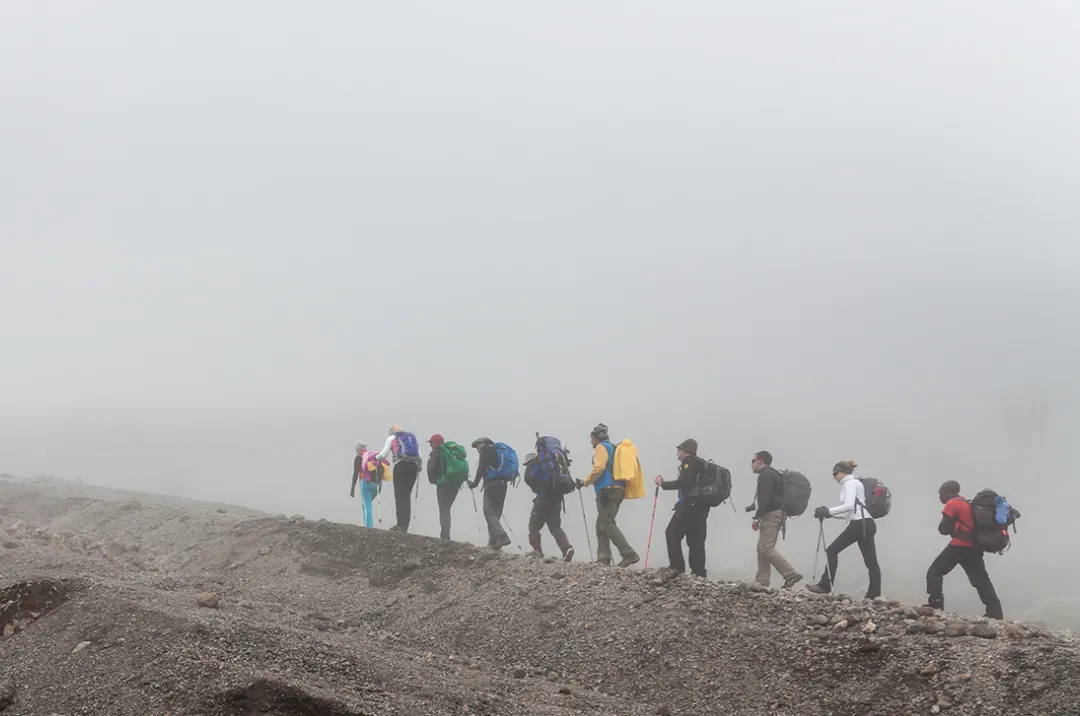
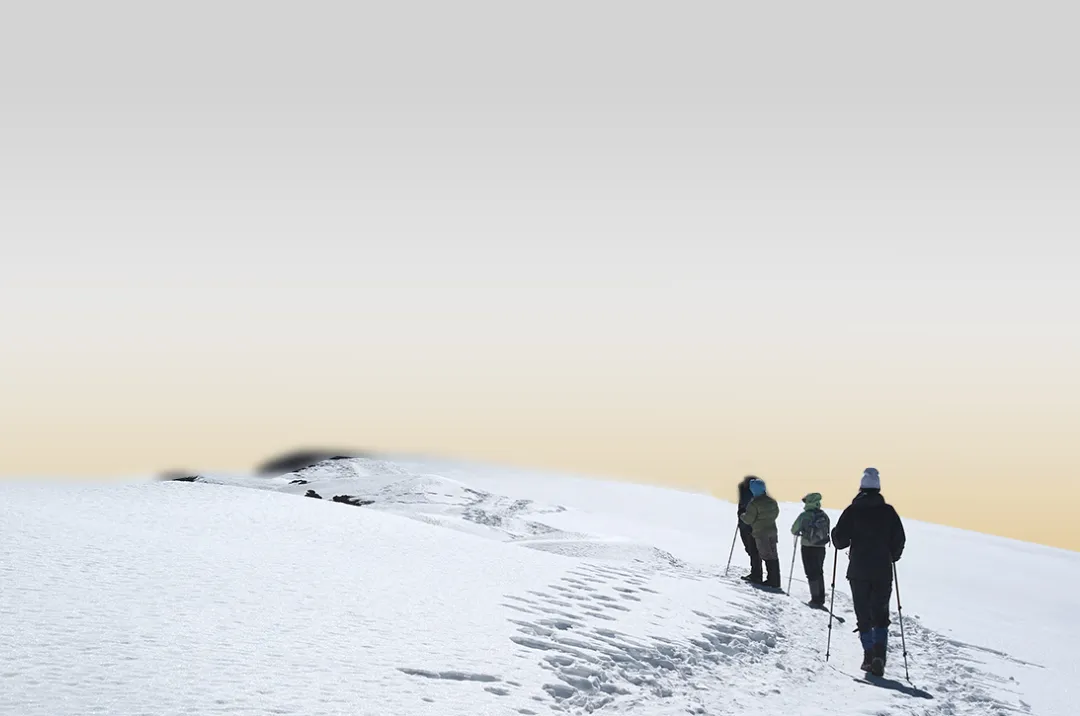
Our Kilimanjaro travel guide is here to make planning easier. It covers the best time to climb, route options, costs, fitness preparation, packing advice, and useful mountain tips that matter once you are really on the trail. Climbing Kilimanjaro feels much more manageable when the right information is in one place, and that is exactly what this guide is meant to give you from the start.
Guestbook Moments
Real Stories from Safari Guests
A good safari often lives on through the words guests bring back. Here, Bestday Safaris travelers share notes on the people, pace, small comforts, wildlife moments, and honest care that became part of their journey. Their reviews help future travelers see beyond the itinerary and understand how each safari feels on the ground.
Excellent

4.9 out of 5
753 Reviews
Annabella R

Climbing Mount Kilimanjaro was one of the most intense and beautiful experiences of my life, and a huge part of that is thanks to our guide, Boni. From day one, Boni set the tone for...
Mar 2026
Александр Е
Finally went to fulfill his long-held dream of climbing Kilimanjaro. The journey exceeded all my expectations. I enjoyed nature, met new people, experienced mountain sickness and overcoming myself again...
Mar 2026
Rustam K
In February 2026, we took the Lemosho route to Kilimanjaro with this wonderful team. Everything was perfectly organized, from the first meeting to the climb. And frankly, I don't want to call these guys just...
Feb 2026
саша в
It was great adventure with Best Day Safari ltd. Our guide Bonnie and his team are the best! Every day we felt support, attention to details, real emotions of gays and attitude. It was easy, because we didn’t think...
Nov 2025
Кирина Т
With the mountain! Were with our daughter (18 years old) on the climb to Kilimanjaro, her first experience. We had a great time. It's very close. The weather in September is great, the first 4 days on a lite walk with...
Sept 2025
Azamat B
I came to Tanzania to climb Kilimanjaro. I was lucky that our guides were: Dixon, Boni, Abdallah. At each stage of the ascent, we were surrounded by attention, we did not need anything. The food was very...
Sept 2023
Start planning your safari. Get matched with a local adventure specialist.
 David
David
 Jackson Mollel
 Stephen
Faraj
Abel
Stephen
Faraj
Abel