Kilimanjaro Foods
We have trained chefs who will serve large and healthy meals to our guests. They will keep you satiated throughout the day. You are going to have hot meals for breakfast and dinner. All the foods are freshly prepared with local ingredients. We maintain a high standard of hygiene for all. Our menus are designed to be nutritionally dense. There is plenty of variety to meet your energy needs during your trek.
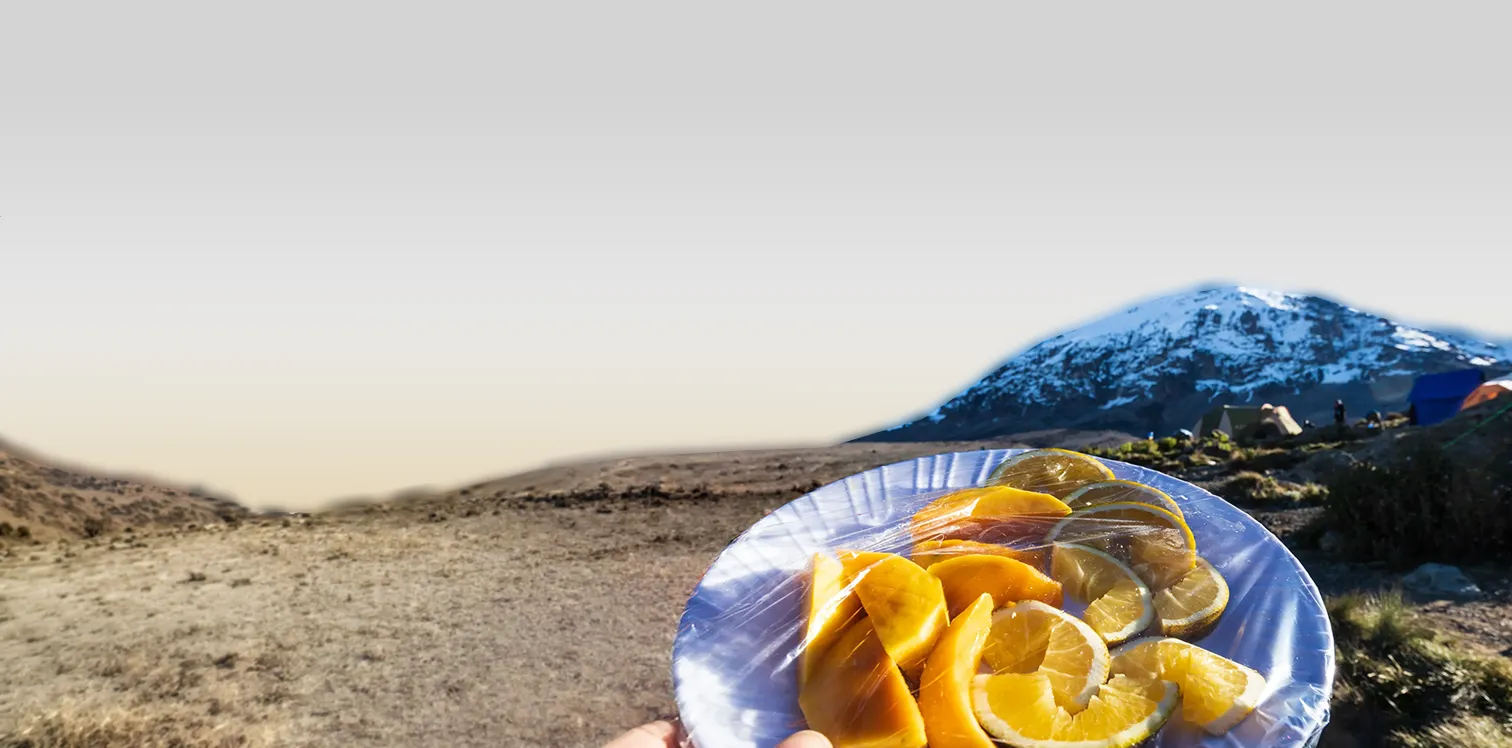
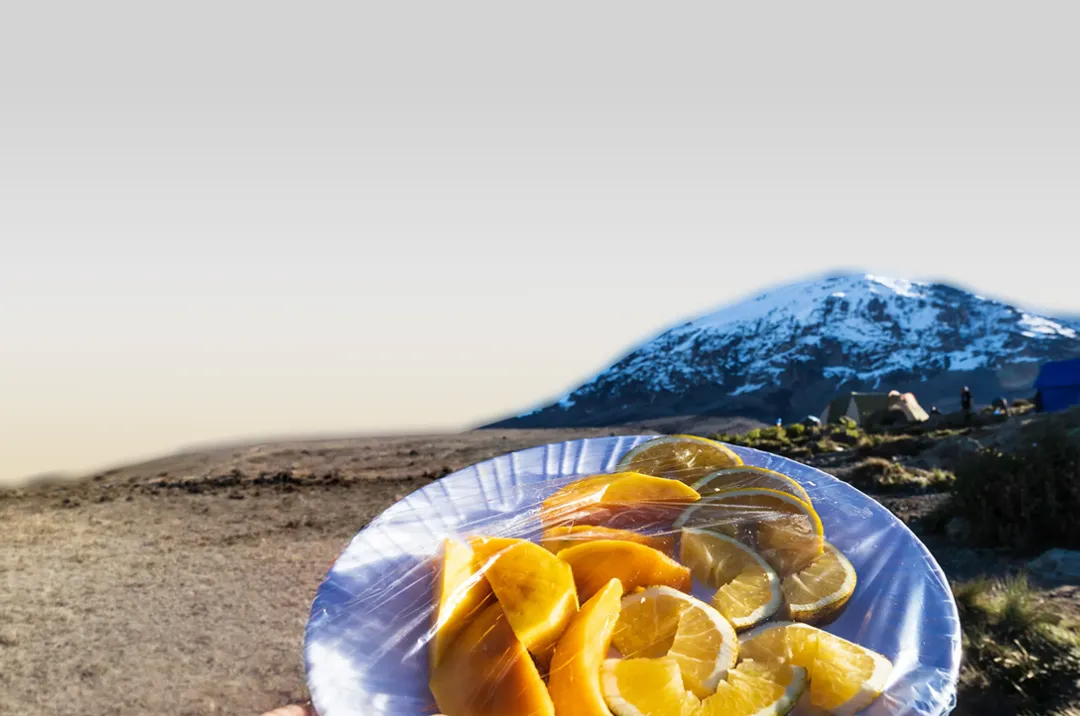
Fresh fruit served on the mountain with Kilimanjaro in view reflects the thoughtful care, energy, support, and small comforts Bestday Safaris brings to every well-organized climbing experience for guests throughout.
What Food Do you eat on Kilimanjaro?
Kilimanjaro Foods are hot, filling, and far better than many climbers expect on the mountain. On a proper climb, you will sit down to a hot breakfast and a hot dinner every single day. You will also carry a packed lunch on the trail, and when you finally get to camp, warm drinks and snacks will be waiting for you.
A qualified chef handles all the cooking, and porters carry everything up the mountain so you can focus on walking. The wholemeal plan is built to keep you going, especially when the altitude starts messing with your hunger. When you climb Kilimanjaro with Bestday Safaris, your team plans meals with real hygiene standards. We treat water properly and keep menus flexible. That’s because we know that eating well and staying hydrated are real parts of summiting.
- 1. What to Expect from Meals on Mount Kilimanjaro
- 2. Sample Kilimanjaro Climbing Menus
- 3. Why Carbs Matter at Altitude.
- 4. What to do if your appetite decreases on Kilimanjaro?
- 5. Food Safety on the Mountain
- 6. Importance of Drinking Water on Kilimanjaro
- 7. How much water should you drink on Kilimanjaro?
- 8. Special Diets Mentions
- 9. The Efforts Behind Every Meal on Kilimanjaro.
- 10. Plan Your Kilimanjaro Climb
- 11. Frequently Asked Questions
What to Expect from Meals on Mount Kilimanjaro
When climbing Kilimanjaro with Bestday Safaris, expect to be served with large, healthy meals that will keep you satiated throughout.
After a long, cold day on the trail, you will be surprised how much a warm plate matters. Firstly, it lifts your spirits. You might think you will live on energy bars and instant noodles, but that is not how it works here. You’ll have a hot meal at breakfast and dinner every day. The food is made to feel comforting.
Most people are surprised by the quality and variety. This is not a "just add water" kind of trip. You get real cooked food that tastes good and fills you up. The cooks know how to make things feel familiar, even when you are miles from a real kitchen.
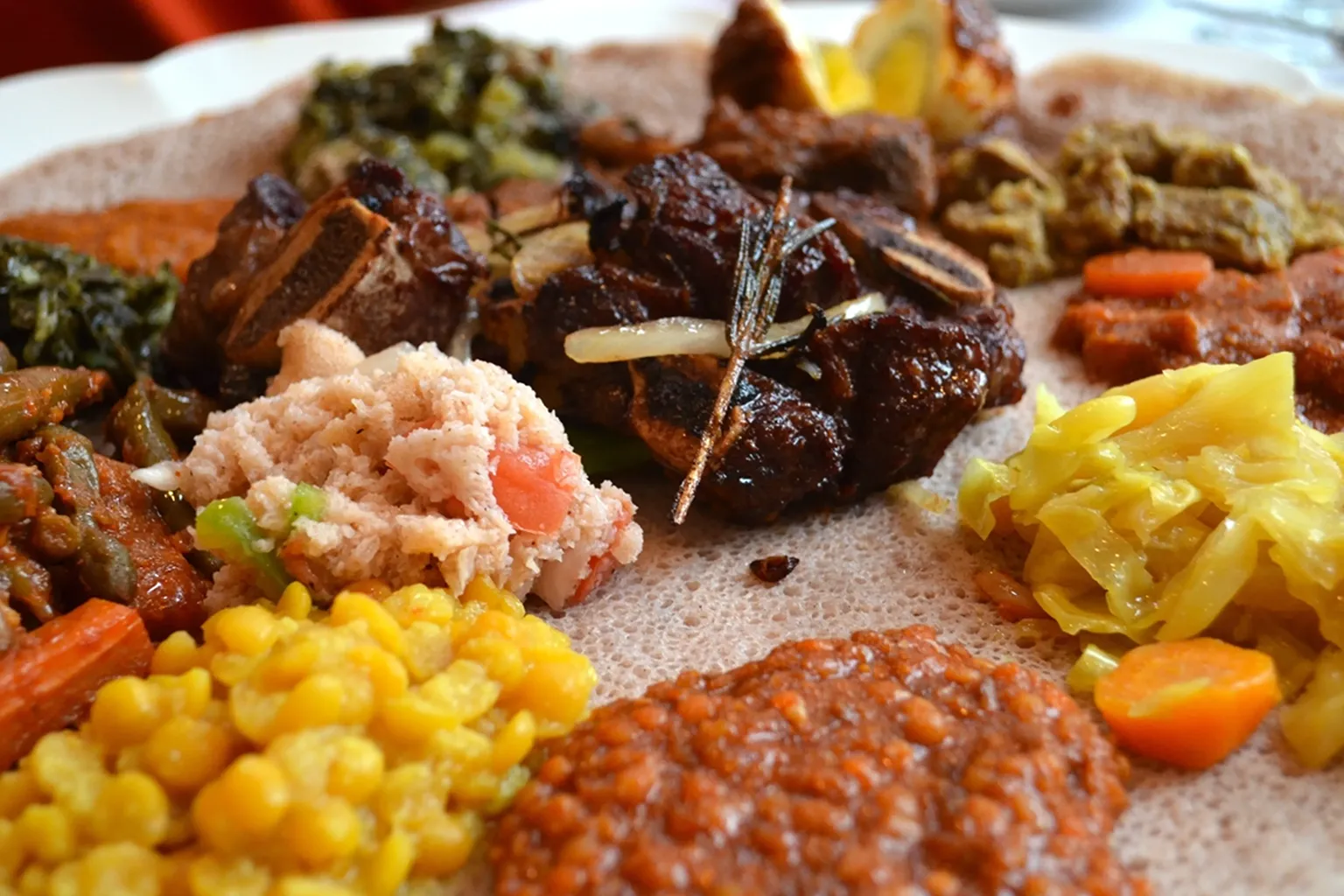
A full plate of injera with meat, lentils, vegetables, and sides shows the variety travelers can expect in local meals, from rich flavors to filling portions and mixed textures.
Sample Kilimanjaro Climbing Menus
Once you learn the daily Climbing Kilimanjaro routine, food becomes one of the easiest parts of your climb. You will never wonder where your next meal on Kilimanjaro comes from. You will be served the food in the dining tent. These are just for dining, with chairs and tables for comfortable eating.
Our Kilimanjaro Food Menu has variety, and each day you will be served with something different. Still, this is what a Kilimanjaro Sample Food Menu looks like:
- Breakfast starts with warm porridge. Then you will find eggs (boiled, scrambled, or as an omelette), sausages or fried plantain, and toast with jam or peanut butter. Hot drinks like tea, coffee, or hot chocolate warm you right up.
- Lunch is packed for the trail. You will carry it in your daypack. It’ll include a boiled egg, some sandwiches, a piece of chicken, fresh fruit, and a small juice box.
- Afternoon snacks happen when you reach camp. This is a nice moment in the dining tent. You get biscuits, salted popcorn, peanuts or cashews, and endless hot drinks.
- Dinner starts with pumpkin, vegetable, or tomato soup. Then comes the main meal: rice, pasta, or potatoes with chicken, beef, or veggie sauce. You also get cooked greens like cabbage or carrots. Fresh fruit wraps it all up.
As you can see, our menu is carbohydrate-dominant. We offer tempting meals with good carbs. The reason behind this is interesting and explained in the next section.
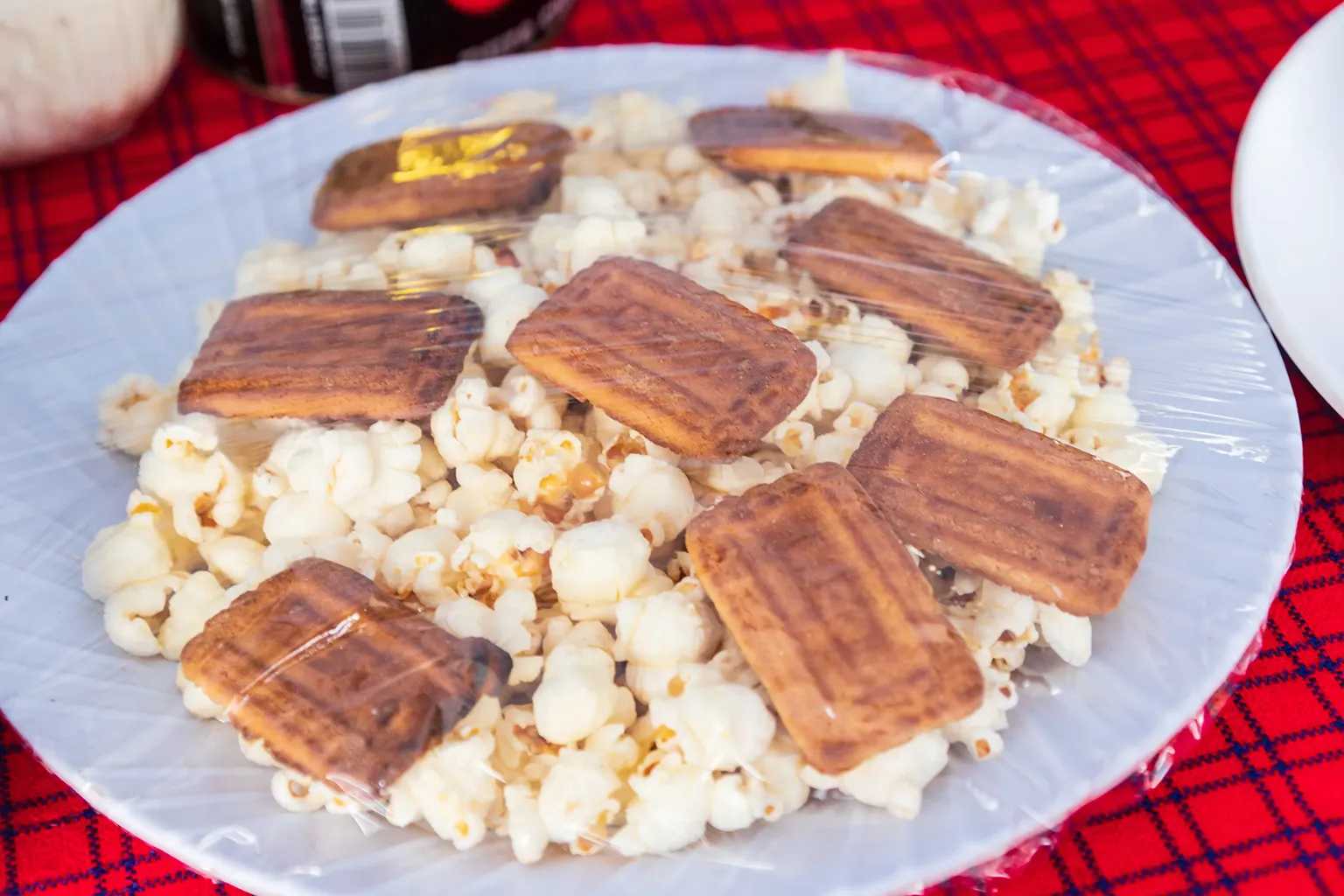
A simple snack plate with popcorn and grilled banana pieces reflects the kind of light energy foods often included in Kilimanjaro climbing menus for quick fuel during rest stops.
Why Carbs Matter at Altitude
Carbohydrates are the body’s primary energy source. It is the most important fuel for optimizing performance at such high altitudes.
When you climb high, your body works much harder than normal. It burns through energy quickly, sometimes over 5,000 calories per day. But altitude can kill your appetite.
This is where Carbs on Kilimanjaro at altitude save the day. Rice, pasta, and porridge are easier to digest when you feel tired and not hungry. They give quick energy without making your stomach work overtime.
Even research from places like the US Army Research Institute of Environmental Medicine shows that a high-carb diet can even help with altitude-related issues.
- It speeds up recovery and replenishes glycogen stored in muscles for the forthcoming activity.
- It improves the symptoms of AMS by increasing ventilation and blood oxygenation.
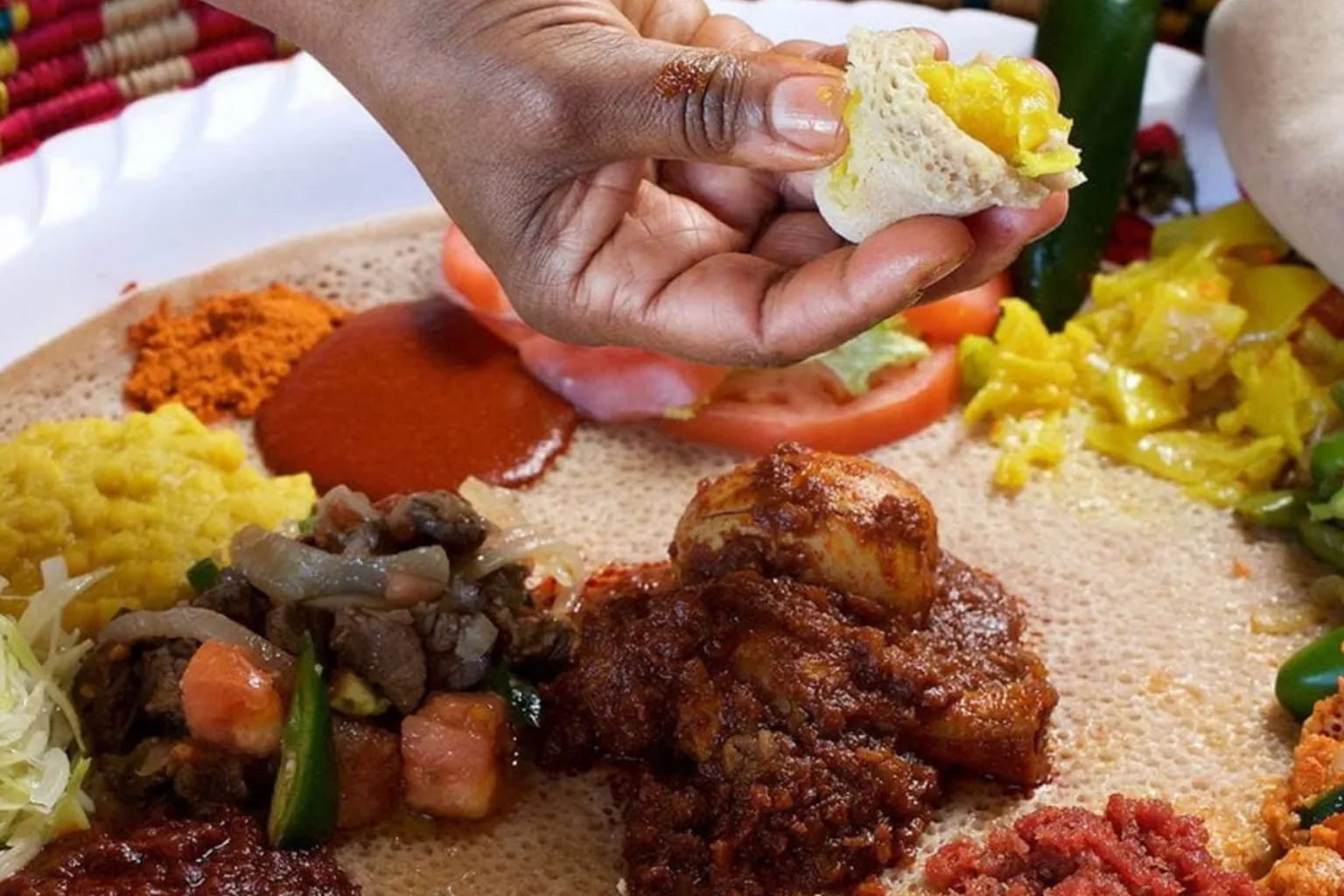
A hand lifting injera from a full meal highlights the role of carbohydrate-rich foods on Kilimanjaro, where steady energy, warmth, and satisfying portions help support long days of trekking.
What to do if your appetite decreases on Kilimanjaro?
On the mountain, some climbers experience a decreased appetite. Some days, you will look at food and feel absolutely nothing. That is completely normal up high. Less oxygen really messes with hunger signals.
In such times, carbohydrate-rich foods are more palatable than other food items rich in high protein or fats. You will be there for hours on the trail, so your body’s energy requirement will be high. Hence, whatever your appetite, you have to eat as you require energy.
- Try smaller bites more often. You do not have to finish everything at once.
- Warm soups go down easily and provide both calories and hydration.
- Never skip meals completely; even half a plate is better than nothing.
- Also, bring a few personal snacks you love, if you are picky or have strong preferences.
Understand that high altitude will change your metabolic processes. Hence, following our guide's instructions and maintaining a proper diet are essential on the mountain.
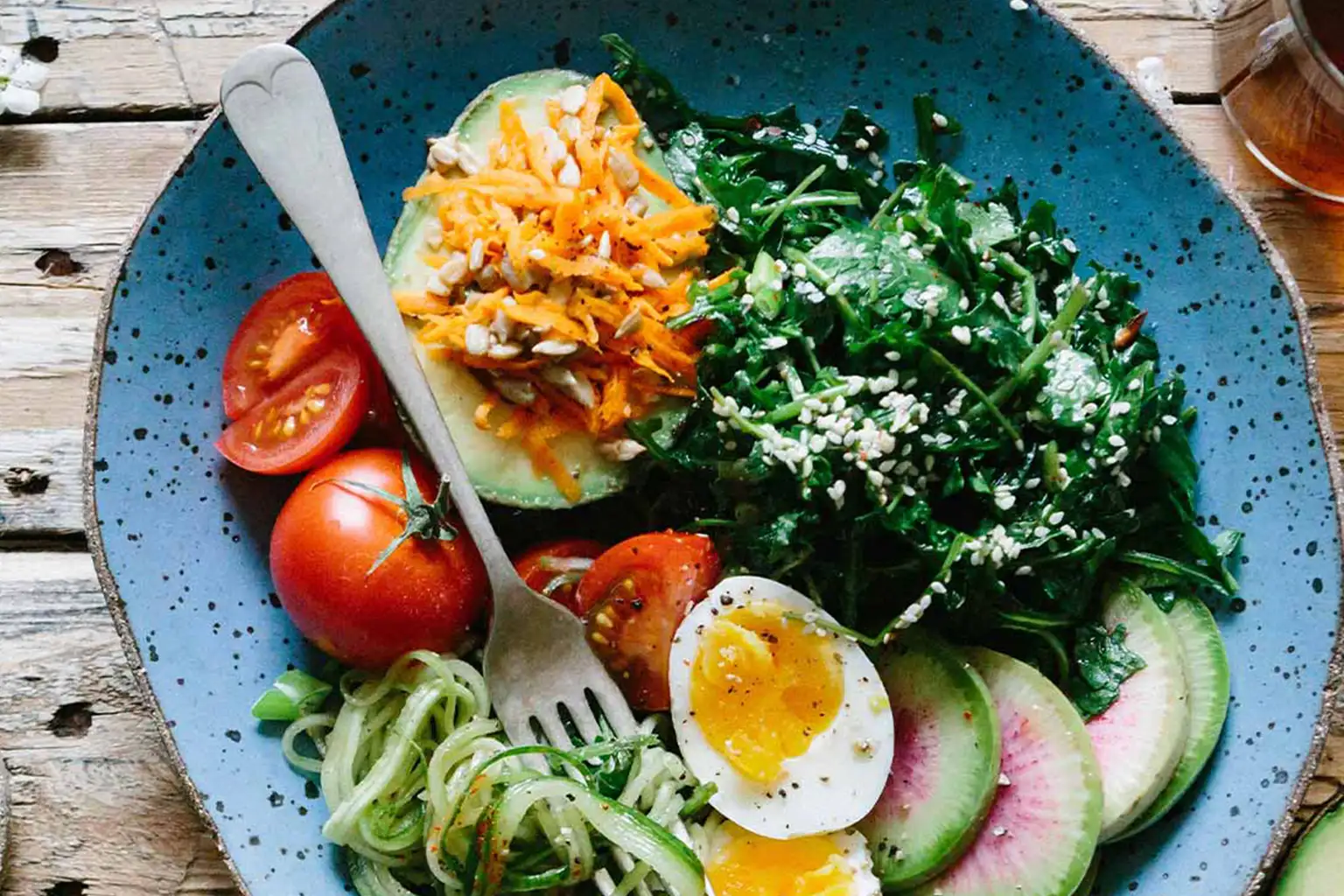
Fresh salad with greens, avocado, egg, tomatoes, and sliced vegetables reflects the lighter meal options often included in Kilimanjaro climbing menus, offering balance, freshness, and easy nourishment on the mountain.
Food Safety on the Mountain
The best Kilimanjaro Food is the food that does not make you sick. We know hygiene matters as much as taste. That is why you will notice a difference in a well-run climb.
- We use strict standards at all the steps, right from buying food to serving it.
- Moreover, our Kilimanjaro Porters carry fresh local ingredients.
- You will not find dehydrated ready meals here.
- Everything cooks fresh at camp.
- Meals happen in a proper dining tent with tables and chairs, keeping everything clean and dry.
- Even the water for washing vegetables gets treated first.
For Bestday Safaris, taking care of our guest travellers is of utmost importance. Therefore, we do everything possible to follow the food safety guidelines.
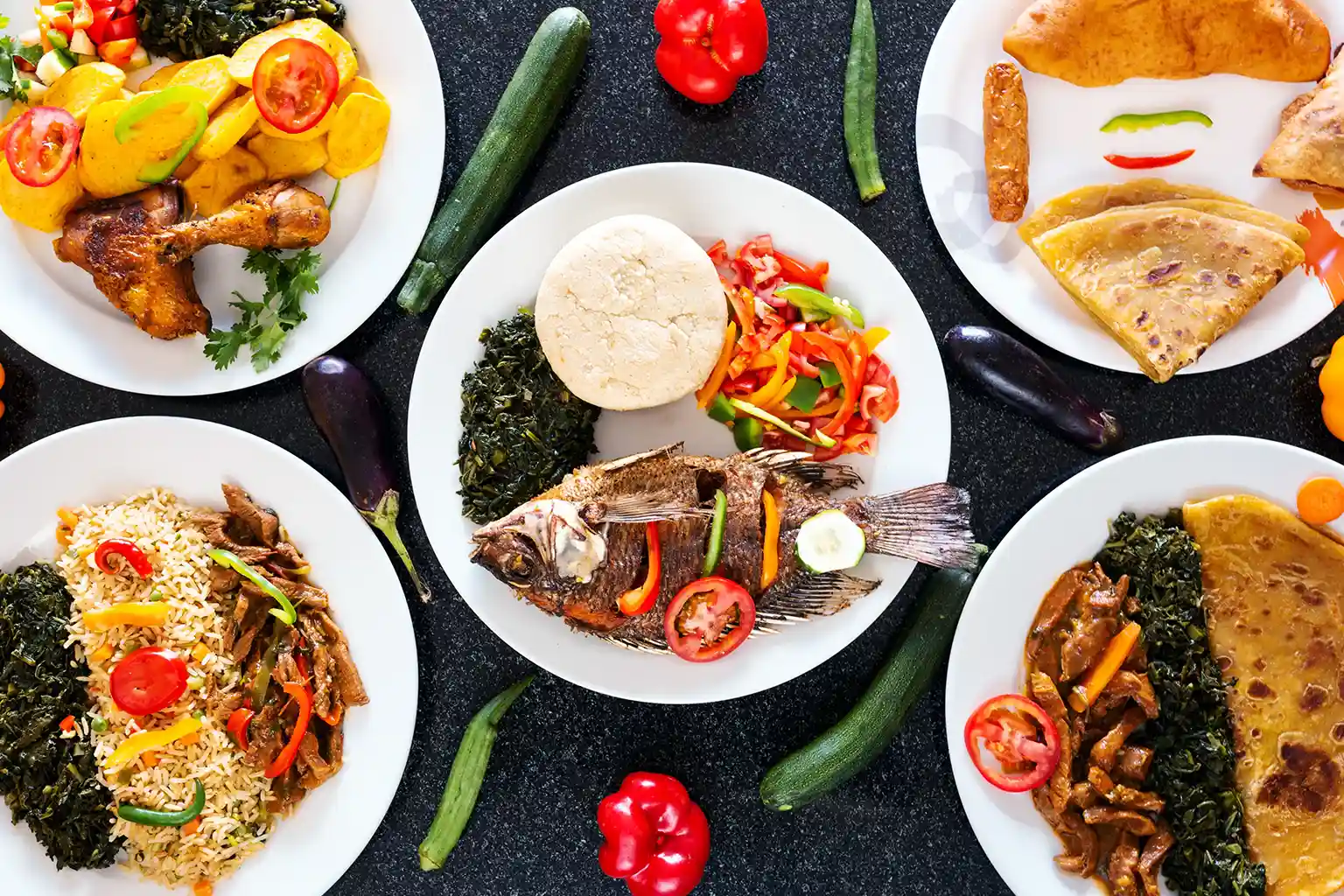
An overhead spread of local dishes features grilled fish, rice, flatbread, greens, chicken, and stews, giving a fuller view of the variety, ingredients, and everyday meal combinations travelers may find.
Importance of Drinking Water on Kilimanjaro
Our mountain crew ensures that all water on the mountain is treated before it is given to clients. We realise that all gastrointestinal problems arise from drinking untreated water. Therefore, we boil water to kill bacteria, filter out sediment, and purify it to make sure it is completely safe
Also, never drink from streams up there; they carry germs that ruin trips. The safe routine is simple: your team gives you treated water at camp each morning and evening to fill your bottles.
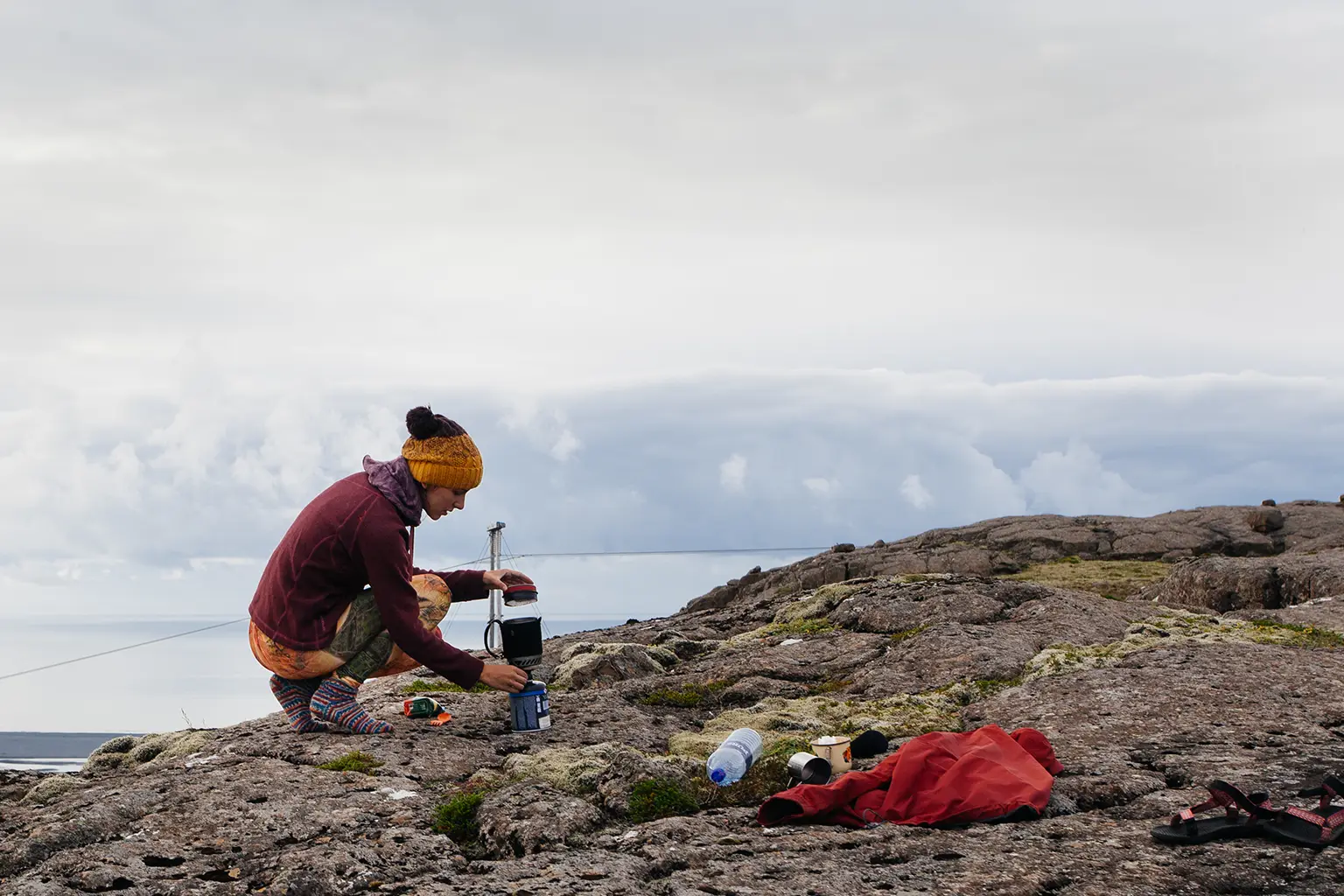
A climber preparing a hot drink on an exposed rocky slope reflects the simple meal breaks and warm refreshments that help maintain energy, comfort, and routine during a Kilimanjaro climb.
How much water should you drink on Kilimanjaro?
You should at least drink 3 to 4 Liters every day. If you wait until you feel thirsty, you will fall behind and be unable to reach the target. So, drink on a schedule instead.
We recommend our travellers bring an electrolyte formula. Adding these powders to your water replaces the salts you lose while sweating. If plain water gets boring, flavor drops help.
Other thing to carry:
A few small items from home can really save your appetite up there. Here is a simple list of items that can be a part of the Kilimanjaro Packing List:
- Electrolyte powders for your water
- Flavor drops if plain water gets dull
- A couple of favorite energy bars or nut butter packs
- Personal tea bags if you are picky
- Any nutrition items you medically need
And if you take Diamox for acclimatization, know that it makes you pee more. That means you lose fluids faster, so drinking enough becomes even more important.
Besides that, our Kilimanjaro Camps will have tea, coffee, hot chocolate, and sometimes fruit squash. Hot drinks become small daily rewards on the trail. Wrapping your hands around a warm cup when you are cold just feels good.
Disclaimer: Do not expect sodas or bottled water when Climbing Kilimanjaro. They’re heavy and create trash. Porters have weight limits, and the park has strict waste rules. So those drinks typically aren't carried. Stick with the hot drinks and treated water instead.
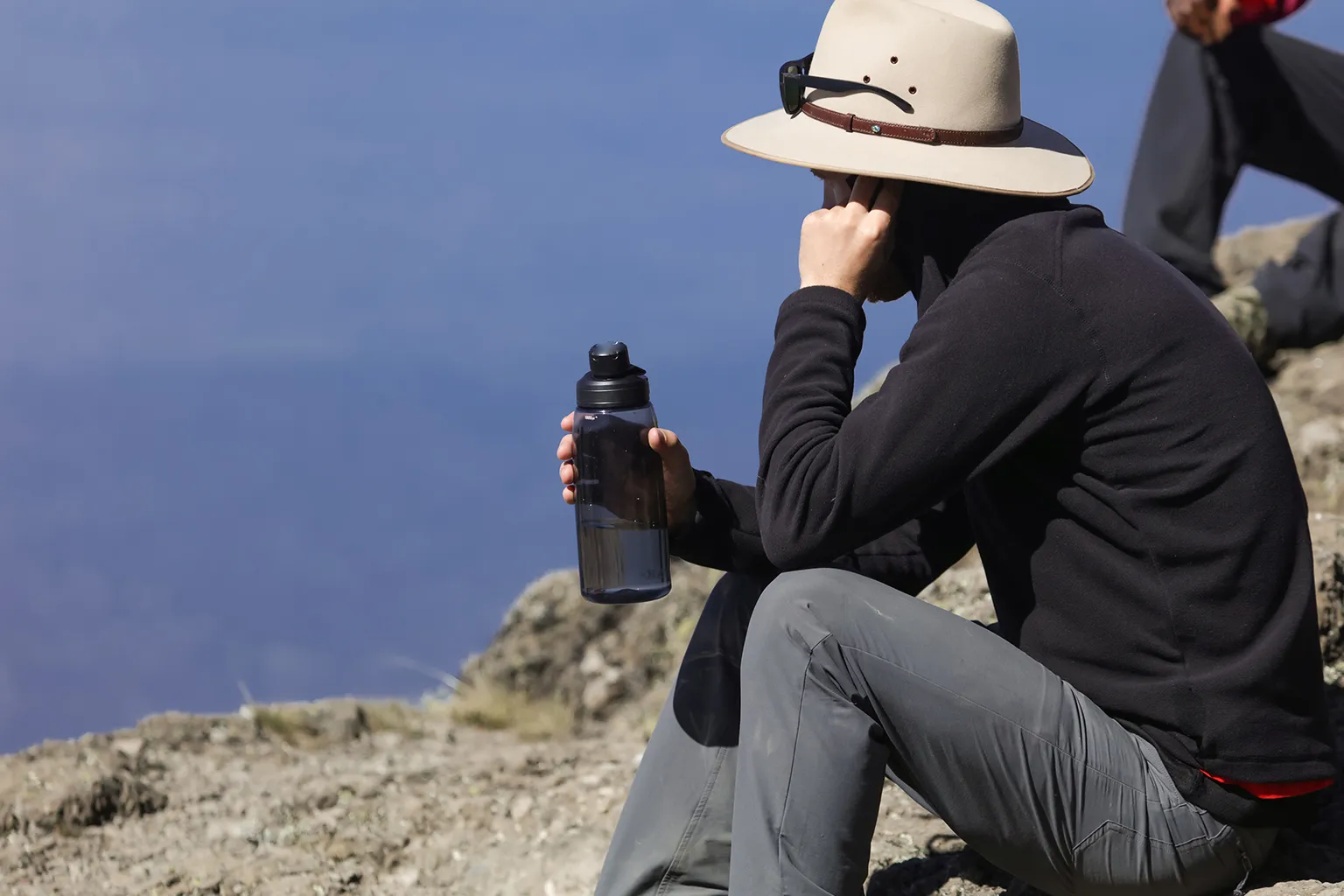
A climber rests with a water bottle on the mountain, showing why steady hydration matters on Kilimanjaro for maintaining energy, supporting recovery, and adjusting better to high-altitude trekking conditions.
Special Diets Mentions
If you’ll need Special diets on Kilimanjaro, speak up well before the climb. Do not wait until day three to mention you are vegan. Bestday Safaris can accommodate restrictions if you let us know in advance.
For very strict diets like gluten-free or serious allergies, bring some backup foods. Specialty items can be hard to find in Tanzania. Having your own bars or snacks gives you peace of mind. Just communicate clearly before your trip so the chef can prepare.
The Serengeti isn’t just a destination—it’s where nature tells its oldest stories, unfolding across endless plains, where every sunrise, wildlife encounter, and quiet moment connects you to the wild.
B.K Kampalo
The Efforts Behind Every Meal on Kilimanjaro
Every hot plate you eat at 4,000 meters starts as a heavy load at the park gate. Porters carry all the food, kitchen gear, and dining tents up with you. They carry everything from fresh vegetables to cooking pots.
Then the chef sets up a mobile kitchen in a tent and cooks from scratch. This hard work is why Kilimanjaro Foods quality surprises experienced hikers. Whether you take the Machame Route or the Lemosho Route, the system works the same. It is a team effort that lets you eat well every day.
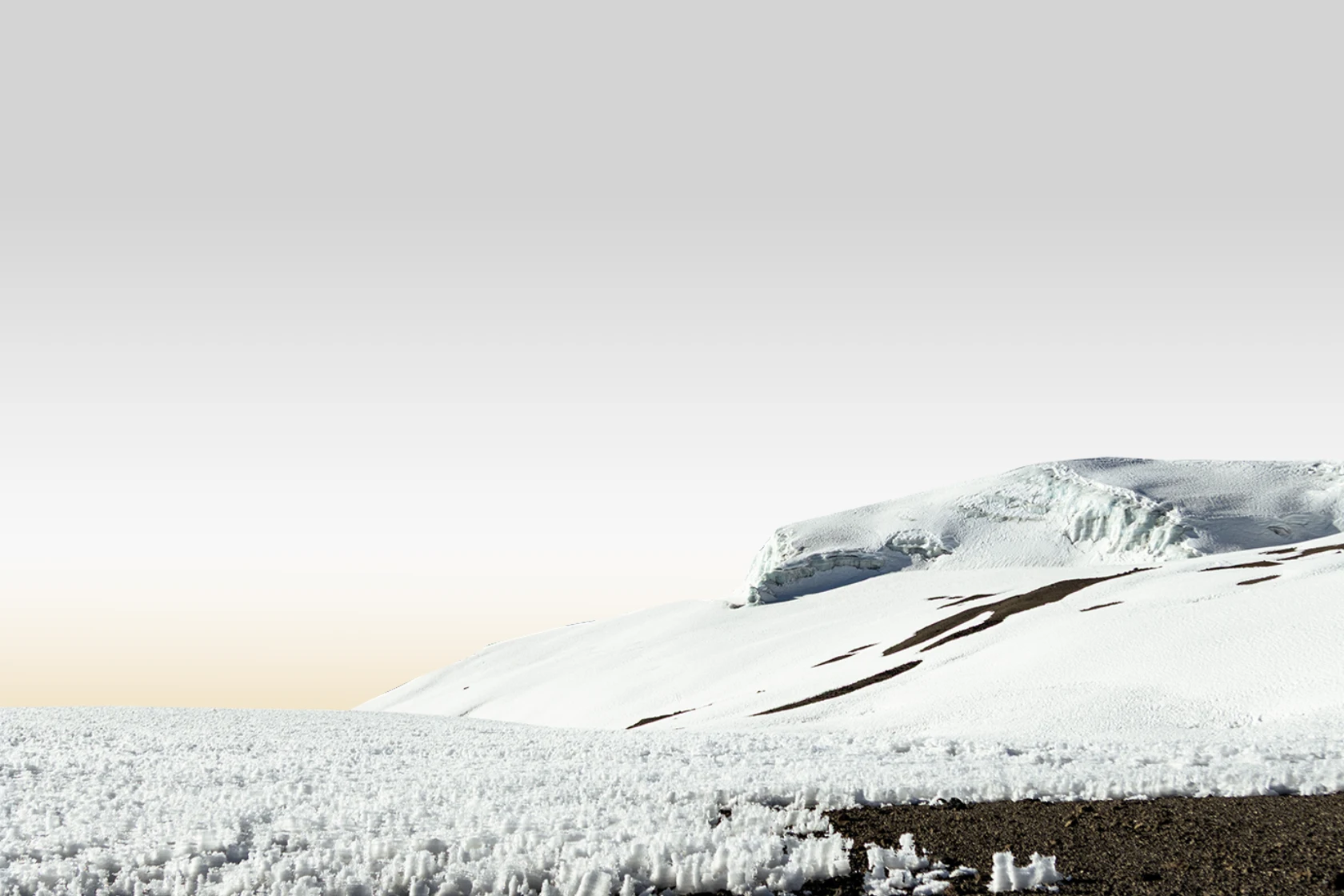
- Kilimanjaro
- Private
- Luxury
- Camp
6 Days Shira Route
Starts from: On Request
View Tour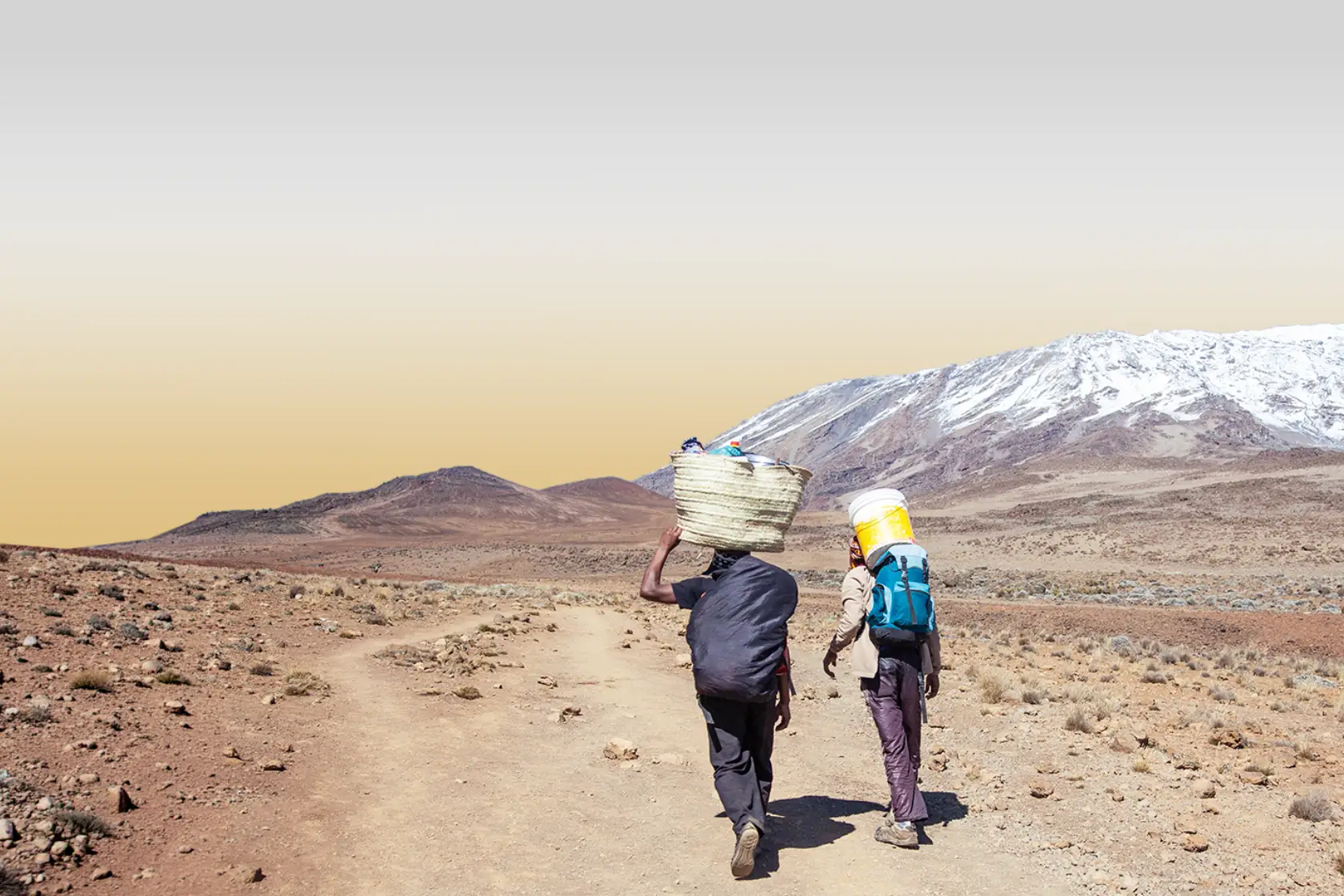
- Kilimanjaro
- Private
- Luxury
- Camp
6 Days Rongai Route
Starts from: On Request
View Tour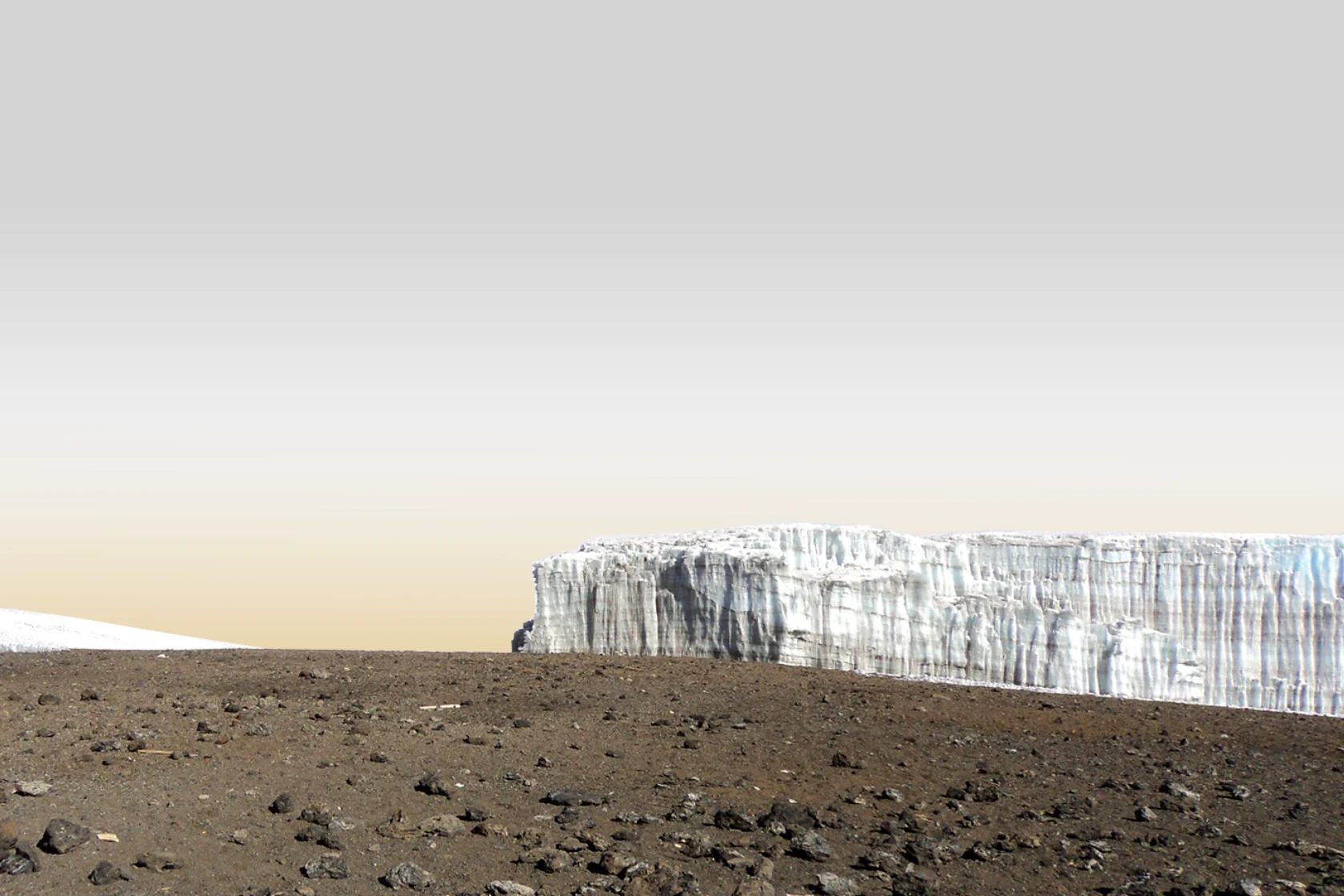
- Kilimanjaro
- Private
- Luxury
- Hut
5 Days Marangu Route
Starts from: On Request
View Tour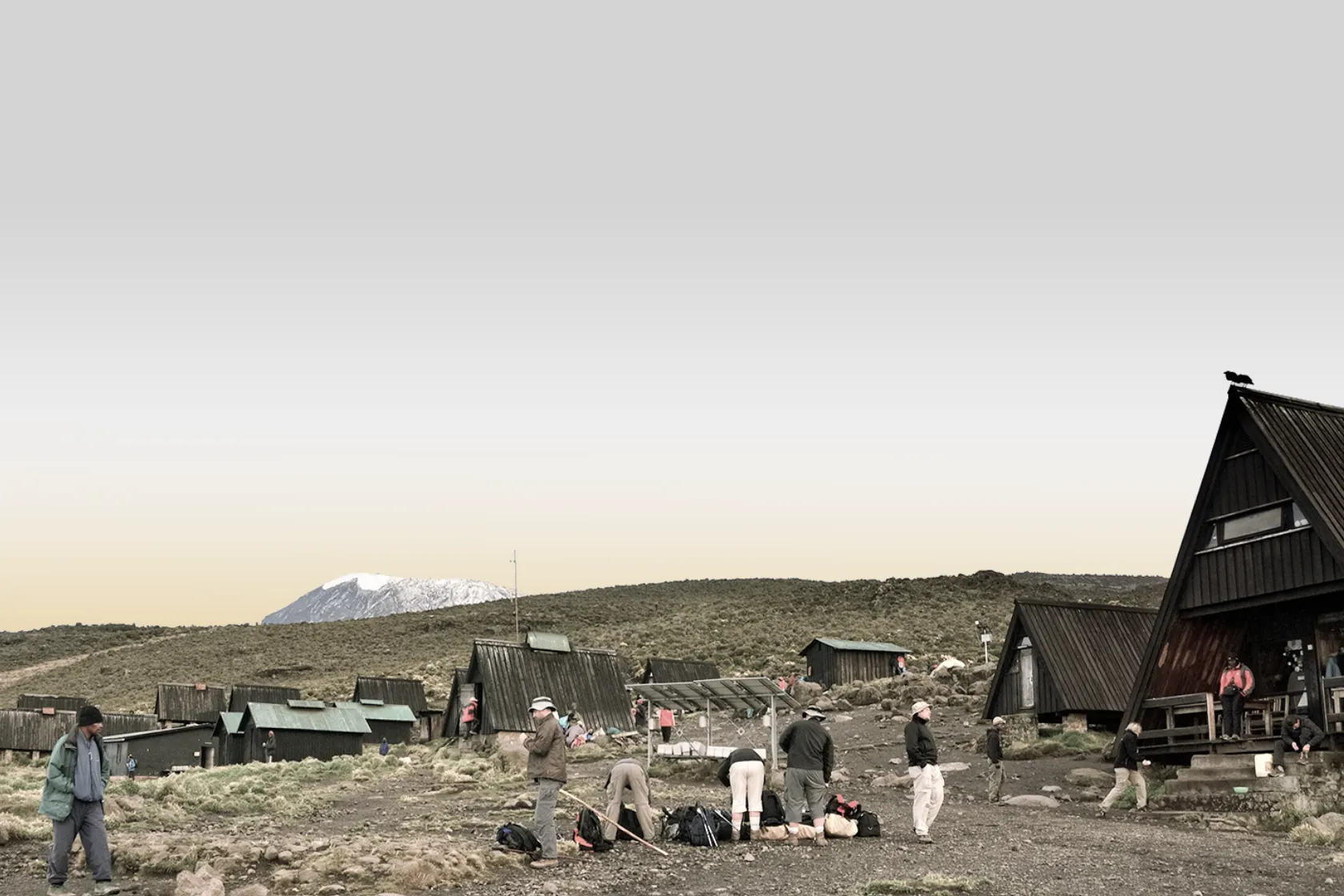
- Kilimanjaro
- Private
- Luxury
- Hut
6 Days Marangu Route
Starts from: On Request
View TourPlan Your Kilimanjaro Climb
Climbing Kilimanjaro is hard enough, but your meals and water should not be. Let a professional crew handle the food, hygiene, and hydration so you can focus on the summit. Plan your Kilimanjaro Climbing Tour with Bestday Safaris and let the team take care of everything while you enjoy the adventure.
Get Your Kilimanjaro Climb Plan
Want to ask us a question or book a private trip?
Don't hesitate to contact us!
Frequently Asked Questions
On a Kilimanjaro Climb with Bestday Safaris, you get hot breakfasts and dinners, packed lunches for the trail, and snacks like popcorn and biscuits at camp.
No, the Kilimanjaro Foods we provide on the mountain are almost always fresh, cooked from scratch by your chef.
Yes, Bestday Safaris can accommodate these diets if you tell them before the climb.
Most climbers should aim to drink 3 to 4 Liters of water a day on Kilimanjaro.
Carbs digest more easily at the high altitude of Kilimanjaro and give the quick energy your body needs to keep climbing.

Plan a Mountain Climbing Trip
We offer a range of mountain climbing experiences. You can also chat with our climbing specialist for a customized trekking itinerary in Tanzania.
Recommended by


Kilimanjaro Travel Guide
Your Trusted Guide for Every Climb Detail
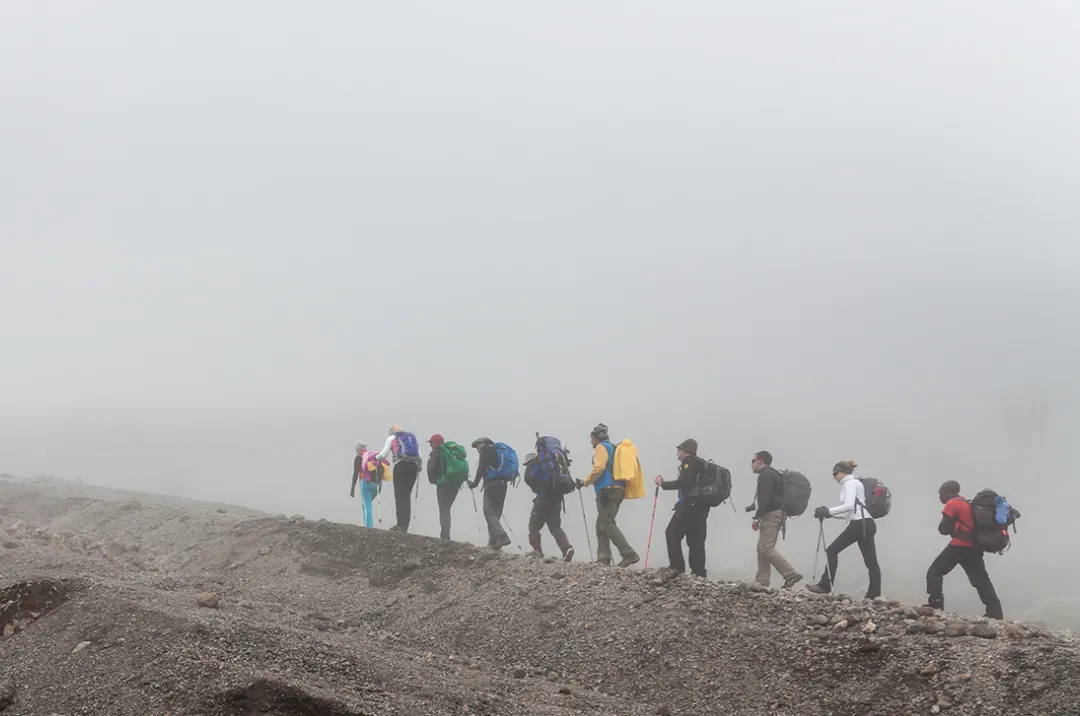
Our Kilimanjaro travel guide is here to make planning easier. It covers the best time to climb, route options, costs, fitness preparation, packing advice, and useful mountain tips that matter once you are really on the trail. Climbing Kilimanjaro feels much more manageable when the right information is in one place, and that is exactly what this guide is meant to give you from the start.
Guestbook Moments
Real Stories from Safari Guests
A good safari often lives on through the words guests bring back. Here, Bestday Safaris travelers share notes on the people, pace, small comforts, wildlife moments, and honest care that became part of their journey. Their reviews help future travelers see beyond the itinerary and understand how each safari feels on the ground.
Excellent

4.9 out of 5
753 Reviews
Lorena T

We had an amazing experience with BestDays Safaris. Our driver Muro was very knowledgeable, took us away from crowds to spot animals and was an excellent guide. The camping accommodation that BestDay Safaris
Mar 2026
Alejandra Q
We just finished an incredible safari as our honeymoon on a private safari tour for us two with Best Day Safaris in Tanzania and the whole experience exceeded our expectations.During the trip we explored Tarangire...
Mar 2026
Gabriel R
Our safari in Tanzania was honestly better than we ever imagined, easily the best trip we’ve ever taken. We visited Tarangire National Park, the incredible Serengeti National Park, and the breathtaking and the breathtaking...
Mar 2026
Francesca C
Beautiful experience, absolutely to try! If you love nature and animals you can not miss this incredible journey with Best Day Safari! My father and I visited in 4 days the Tarangire park, the Serengeti (with...
Dec 2025

Michaela P
We planned our 5-day safari about 1 month before with Xenia. Communication with Xenia was straightforward, very friendly, very reliable and she gave us enough freedom and time to make decisions. The safari has...
Oct 2025
Chad
We had the most amazing safari experience with BestDay safari’s. From start to finish they were exceptional, Xenia planned the perfect 10 day safari and our guide Joseph was extremely kind, knowledgable and...
Jan 2026
Start planning your safari. Get matched with a local adventure specialist.
 David
David
 Jackson Mollel
 Stephen
Faraj
Abel
Stephen
Faraj
Abel