Kilimanjaro Porters
The porters who work on Kilimanjaro are an amazing group of people. The youngest porters on the mountain are aged 18, while the oldest are in their late forties. They work very hard to give the trekkers a comfortable climb. All porters are required to carry no more than 15 kg. You can help and support these wonderful men by choosing to climb with operators that pay them fairly.
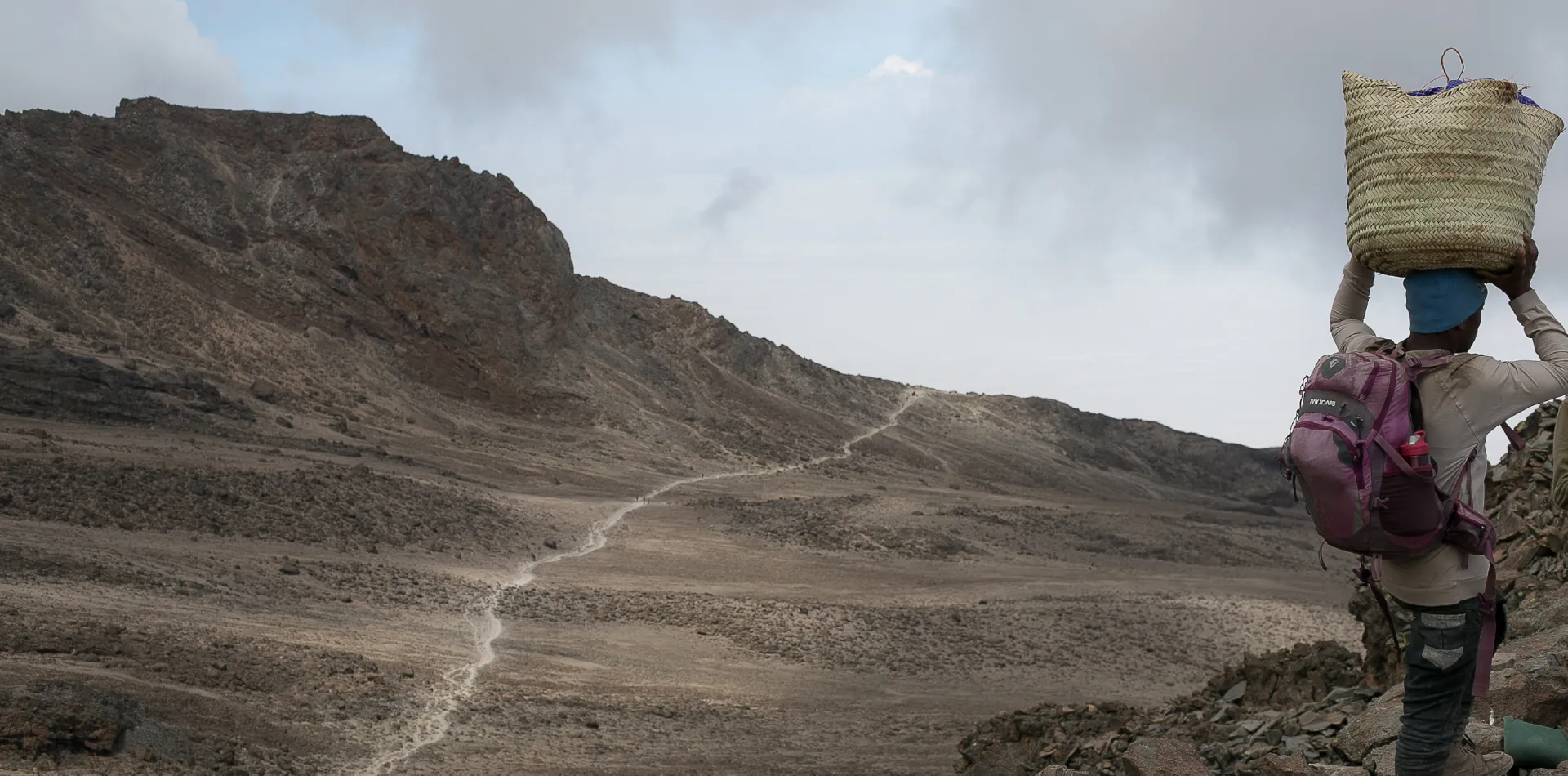
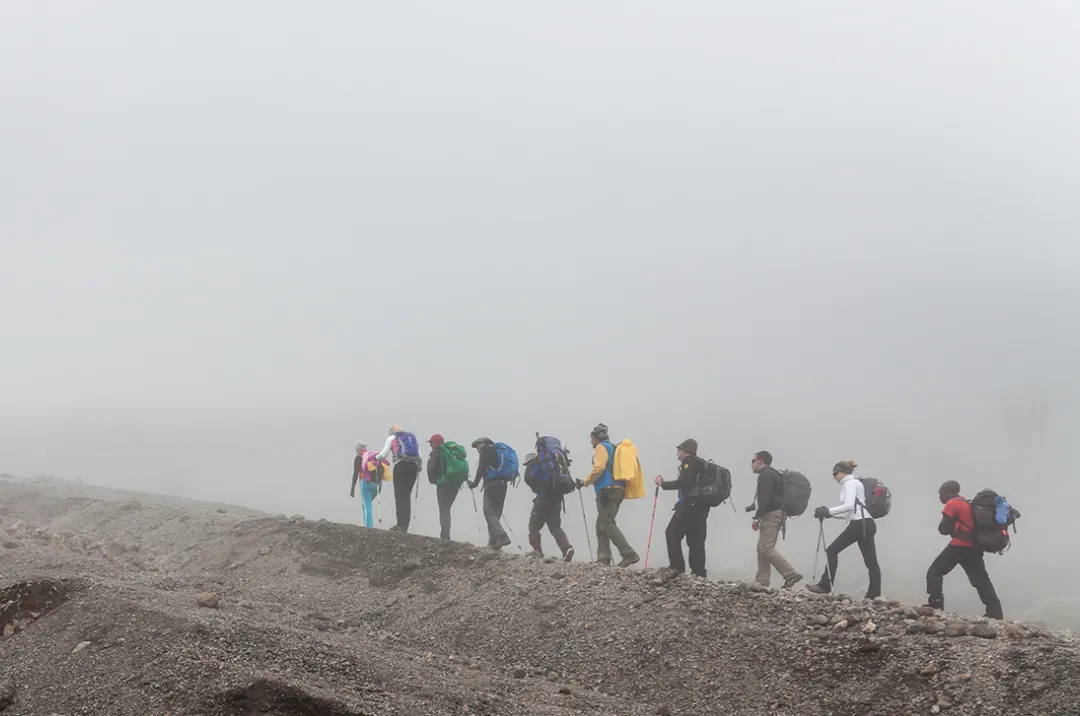
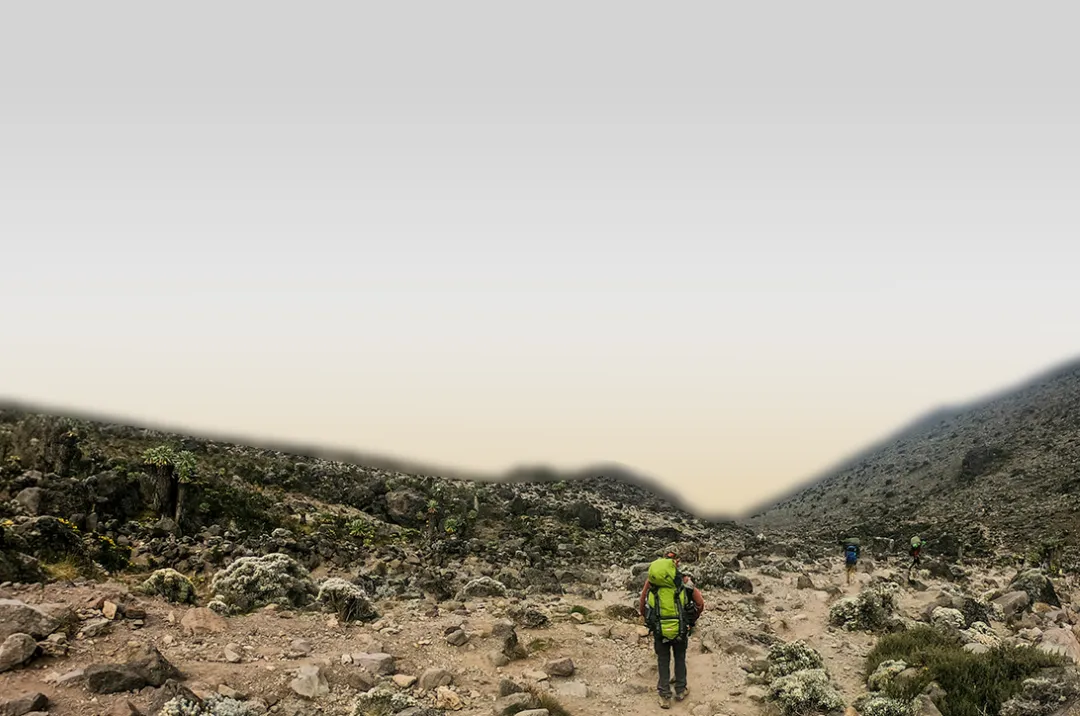
A Kilimanjaro porter carries supplies across the stark alpine landscape, reflecting the strength, endurance, and essential support local crews provide in helping climbers navigate long, demanding mountain journeys.
Who Supports You on the Kilimanjaro Climb?
Mount Kilimanjaro porters are the crew members who carry gear, move camp supplies, and support climbers throughout the trek. They move tents, food, water, gear, and camp supplies up the mountain, then reach camp ahead of you to get everything ready for your arrival. Without them, the comfort, support, and smooth daily flow most trekkers rely on would simply not be there.
At Bestday Safaris, we do not see porter welfare as a side issue. It is part of running a climb properly. As a trusted local operator for Kilimanjaro Climbing Tours, we believe that a well-run trek depends on fair treatment of the crew, clear planning, and respect for every person on the mountain team. When you climb with us, you book with a company that values the people behind your summit as much as the summit itself.
- 1.Who are the Kilimanjaro Porters
- 2.What Porters Carry
- 3.What Porters Do at Camp
- 4.What Kilimanjaro Porters Do Beyond Carrying Gear
- 5.Why Porter Work Is So Demanding
- 6.Why Kilimanjaro Porter Treatment Needs Attention
- 7. Why Female Porters Face Extra Challenges
- 8.What Responsible Porter Standards Look Like
- 9.How Trekkers Can Support Kilimanjaro Porters
- 10.Every Kilimanjaro Climb Is a Team Effort
- 11.Frequently Asked Questions
Who are the Kilimanjaro Porters
Most Mount Kilimanjaro Porters are local Tanzanian men, often young, from communities near the mountain.
Many come from towns like Moshi or Arusha and villages on Kilimanjaro's slopes. Some are from the Chagga or Pare ethnic groups with deep roots in this area.
They're hired as part of a full mountain crew that includes guides and cooks. At first, you might not realize how much the trek depends on them, but you'll understand by the end.
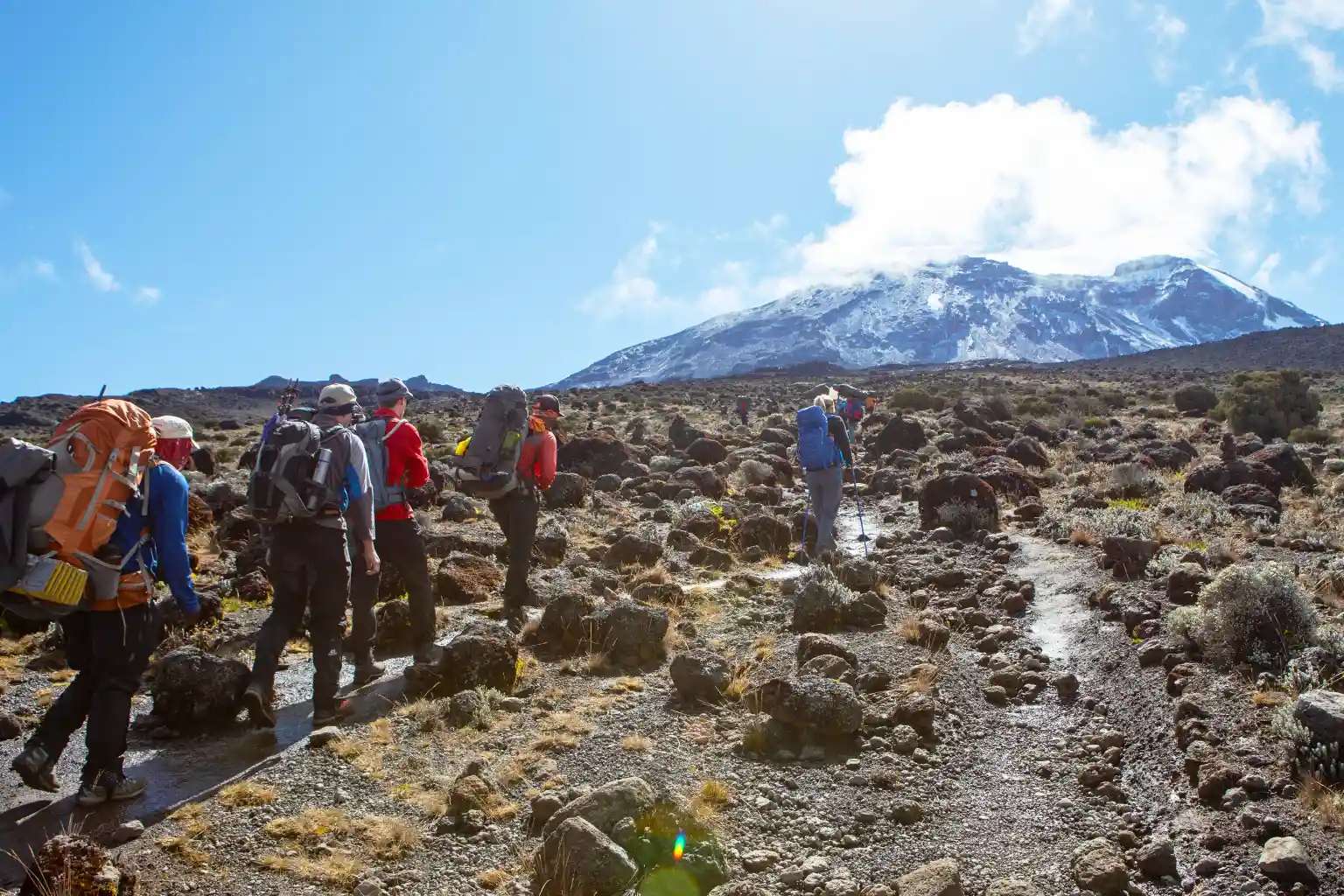
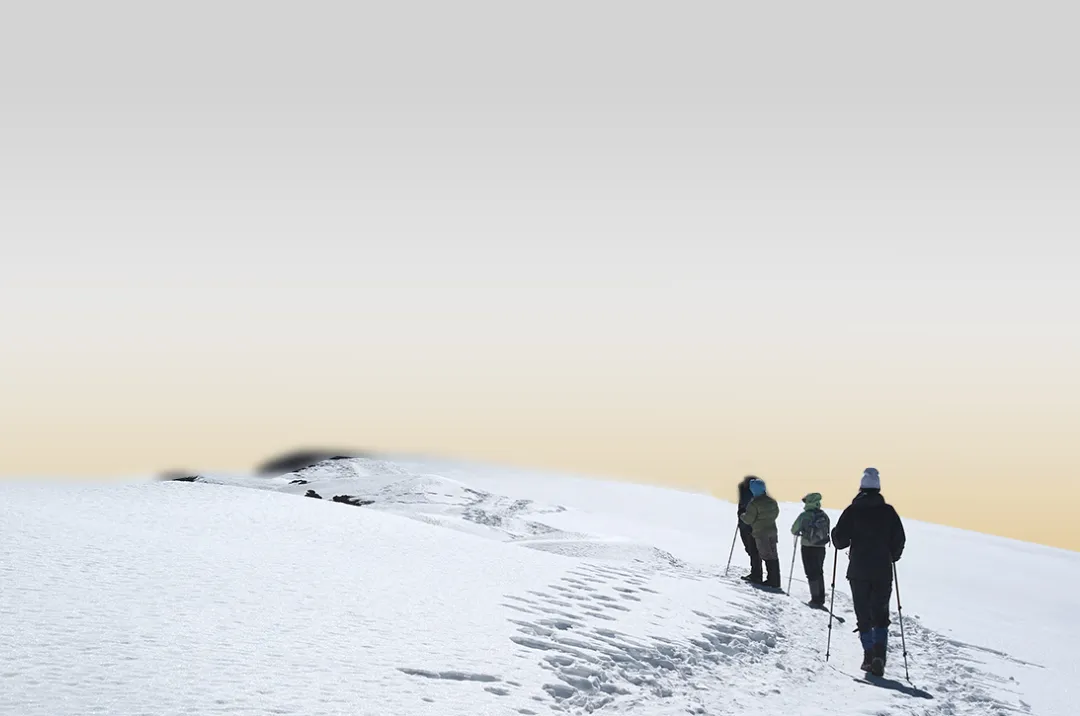
Porters and climbers move together across Kilimanjaro’s open slopes, showing the teamwork, steady pace, and behind-the-scenes support that help every mountain journey run smoothly from start onward.
What Porters Carry
The list of what porters carry is longer than most people expect. Here's what goes into their loads:
- Guest duffel bags with your personal gear
- Tents for sleeping and dining
- Sleeping mats and bags for the crew
- Food supplies for everyone on the mountain
- Cooking equipment and gas tanks
- Oxygen bottles for emergencies
- Medical kits and stretchers
- Hyperbaric chambers if the operator carries them
- Portable toilets on routes that offer them
- Camp items like tables and chairs
- All rubbish generated during the trek
The porter's role goes far beyond personal bags. They move almost all the logistical weight of the entire expedition. Responsible Kilimanjaro Tour Operators follow Porter's welfare standards, which recommend a 20 kg maximum load. They keep client duffel bags around 15 kg, so porters aren't overloaded.
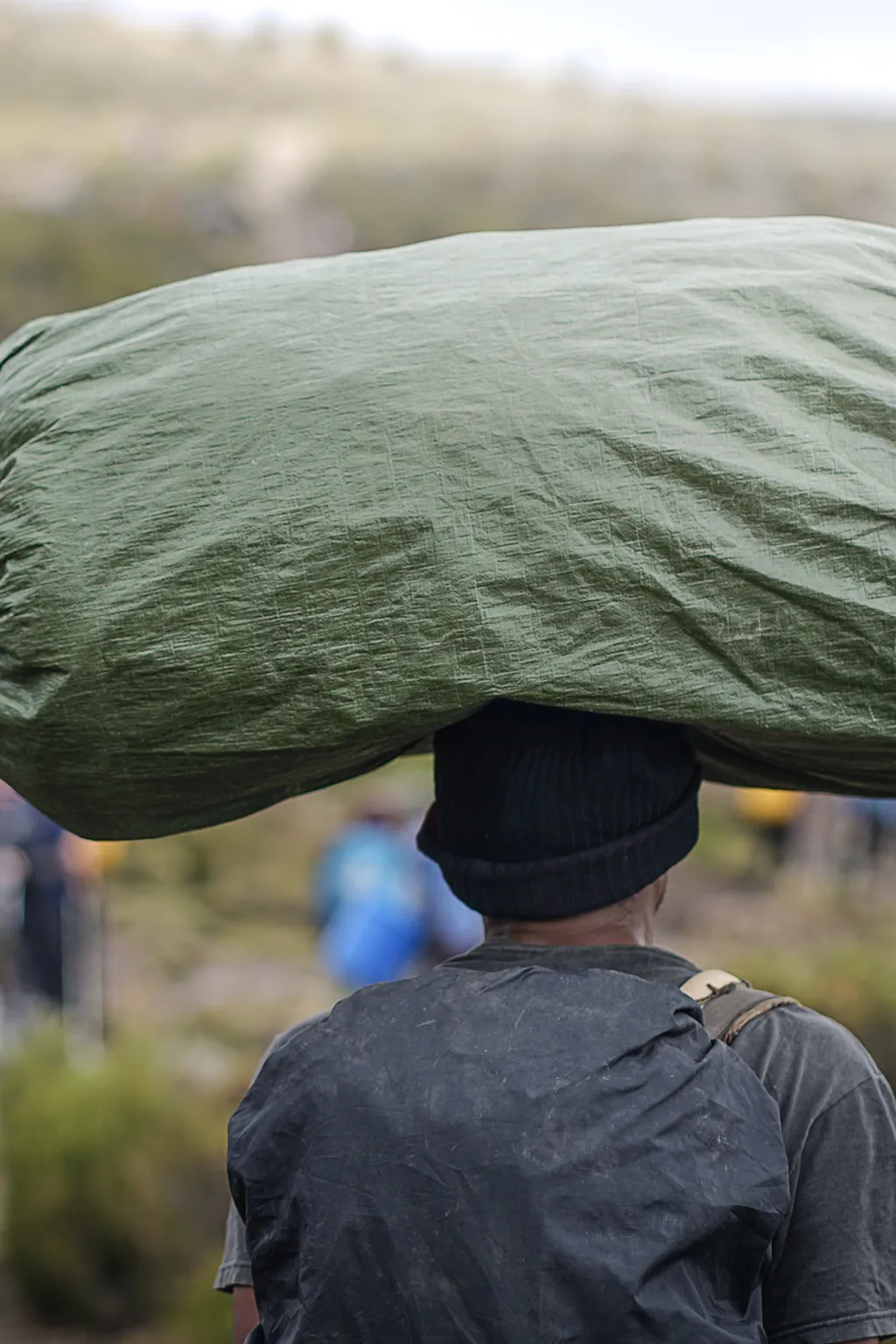
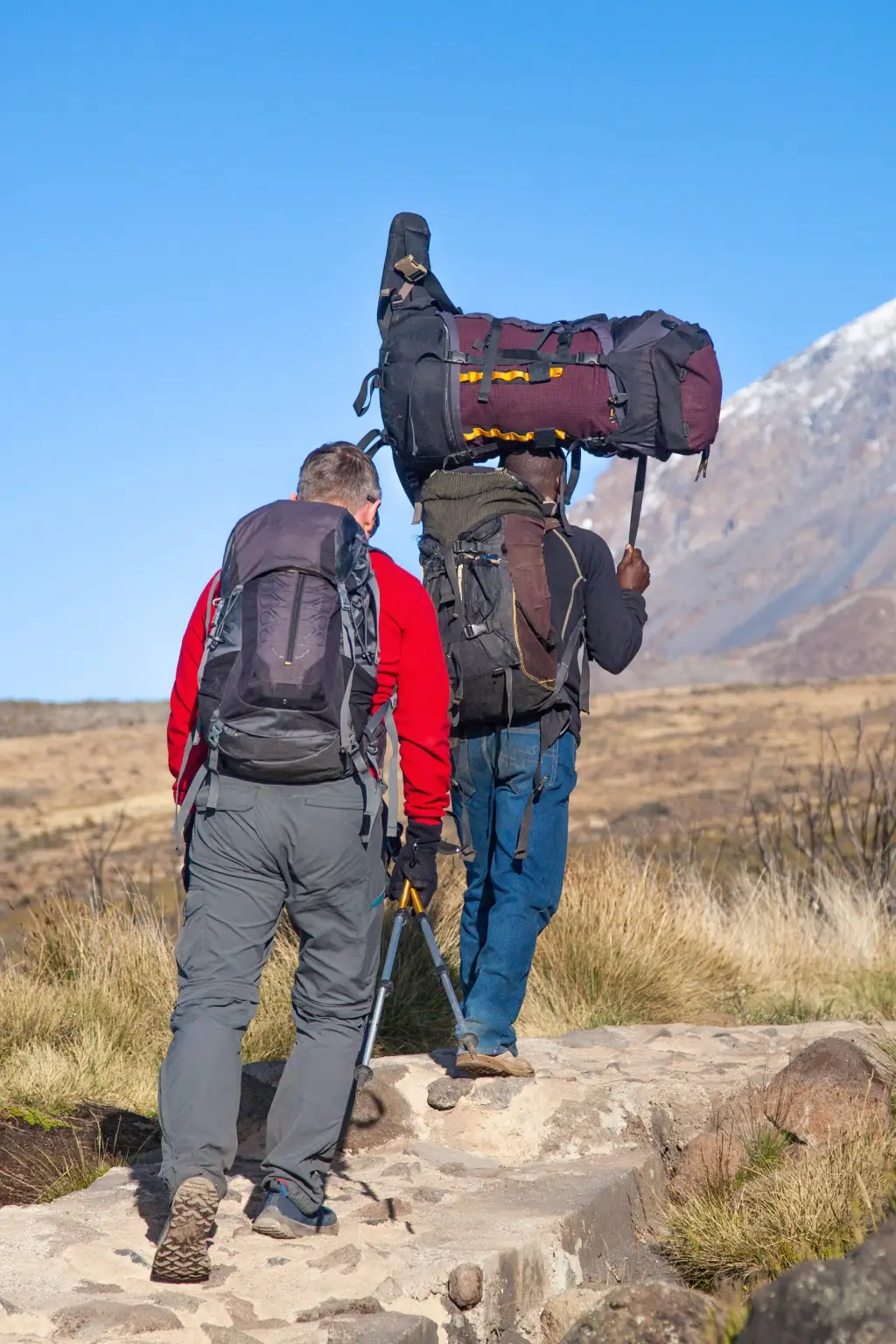
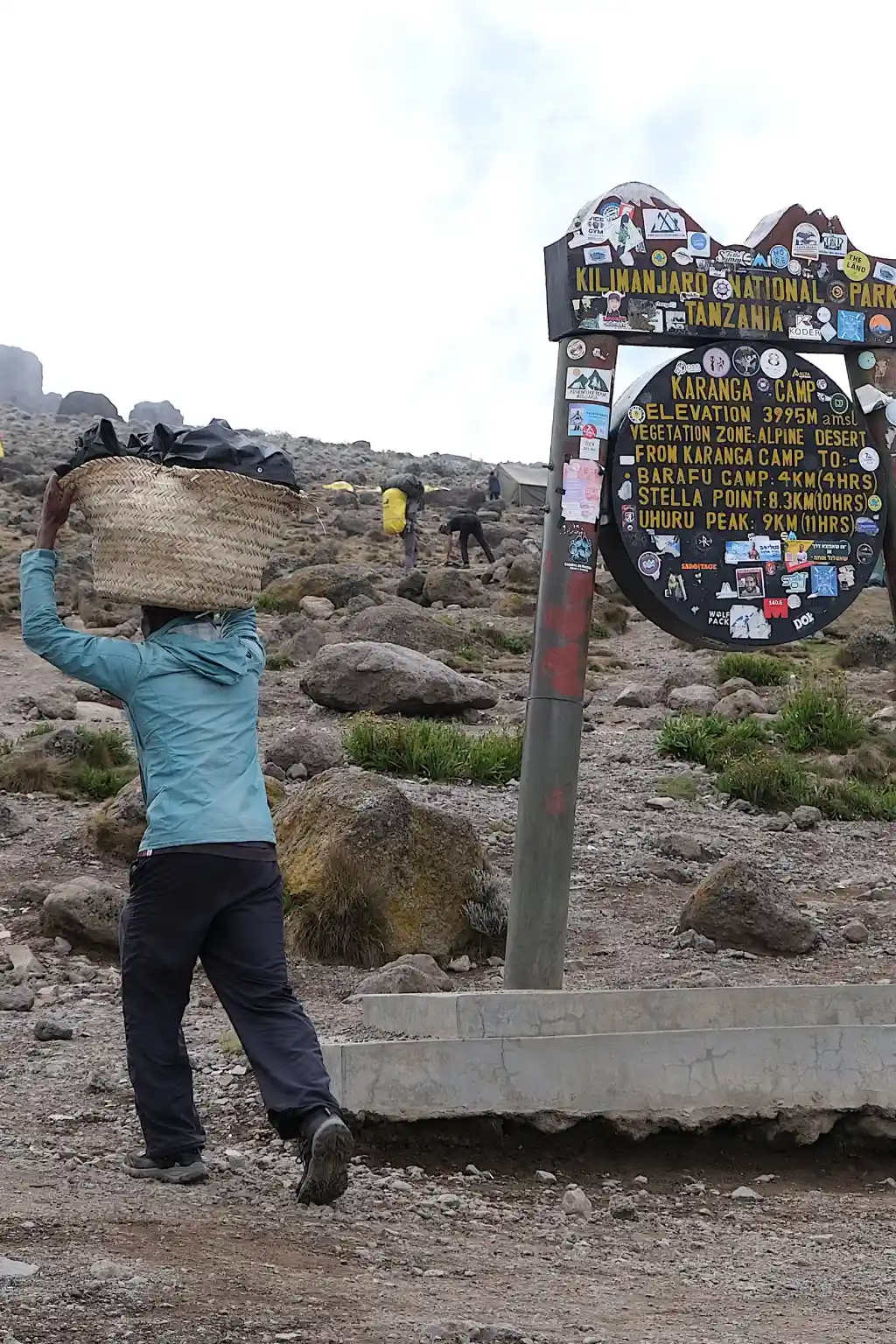
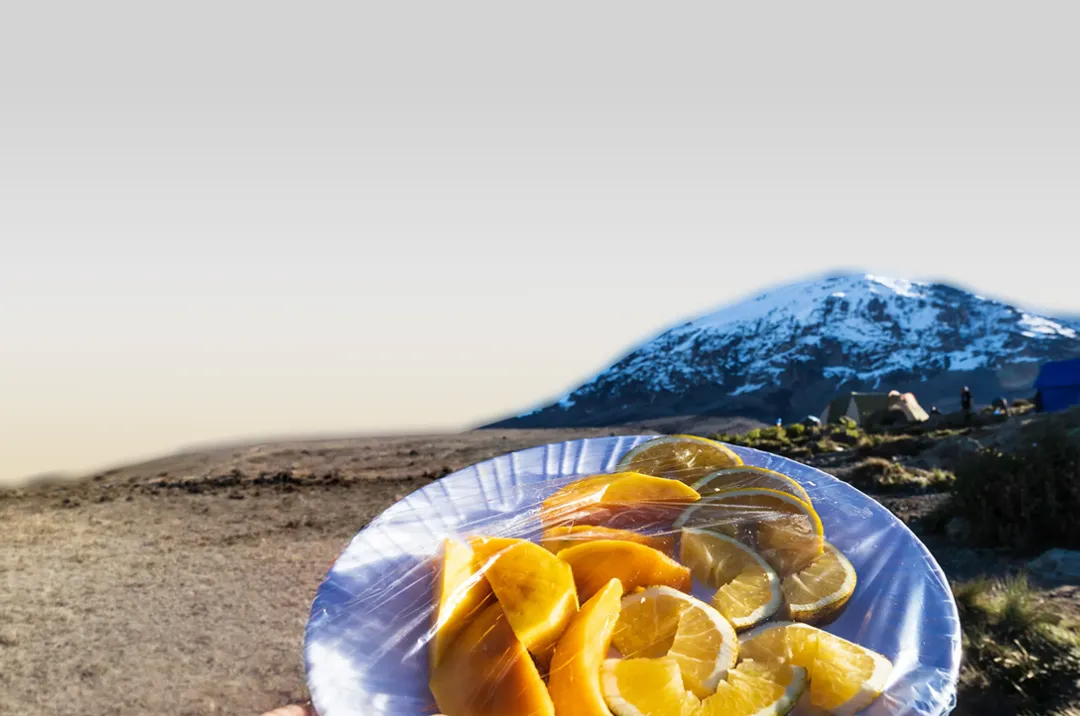
These images highlight the hard work porters do on Kilimanjaro and the importance of ethical treatment, fair load limits, proper support, and respectful working conditions throughout the climb.
What Porters Do at Camp
Before trekkers arrive at camp, the comfort they find has already been built by the porter team. Their work includes:
- Pitching tents before anyone arrives
- Setting up portable toilets
- Helping prepare the dining area
- Sanitizing water for cooking, drinking, and cleaning
- Assisting the cook with meal preparation
- Serving food and cleaning dishes afterward
This is why Mount Kilimanjaro porters are so important to the real experience of Climbing Kilimanjaro. You walk into a ready camp because they got there first.
Kilimanjaro porters carry more than gear. They support the entire climb with strength, care, and commitment, and every traveler should understand their value and treat their work with respect.
Peter Charles
What Kilimanjaro Porters Do Beyond Carrying Gear
Beyond carrying gear, porters continue motivating the climbers and keep their spirits high.
During your toughest hours, porters become part of the support you feel on the mountain. They cheer climbers on with smiles and encouragement.
When altitude or exhaustion makes simple things harder, they offer practical help. They might steady you on a rough section or carry your daypack for a while.
Many climbers remember this support long after they forget other details. The encouragement from porters stays with people.
- Kilimanjaro
- Private
- Luxury
- Camp
6 Days Shira Route
Starts from: On Request
View Tour
- Kilimanjaro
- Private
- Luxury
- Camp
6 Days Rongai Route
Starts from: On Request
View Tour
- Kilimanjaro
- Private
- Luxury
- Hut
5 Days Marangu Route
Starts from: On Request
View Tour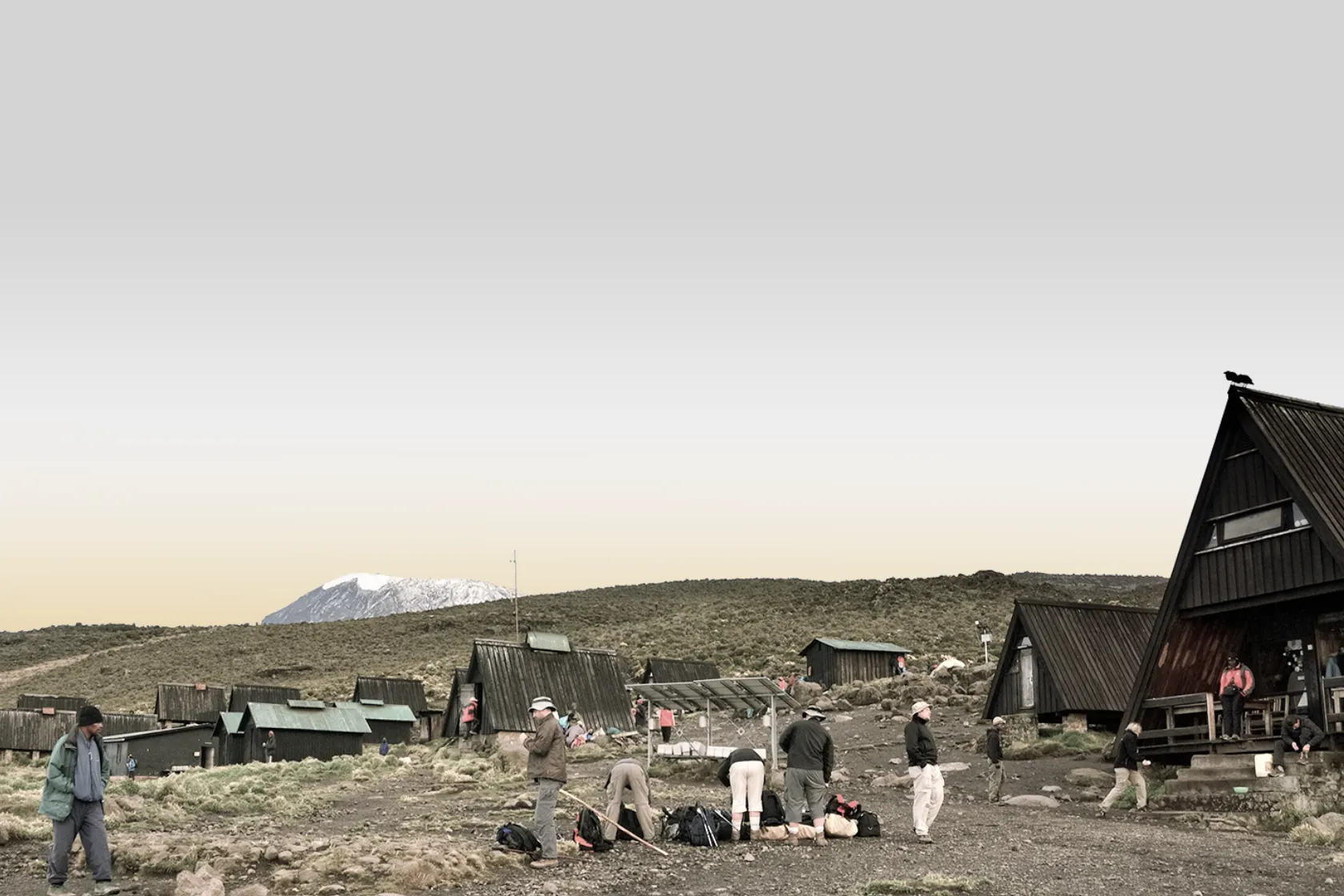
- Kilimanjaro
- Private
- Luxury
- Hut
6 Days Marangu Route
Starts from: On Request
View TourWhy Porter Work Is So Demanding
Kilimanjaro Porters' work is genuinely tough. Here's what makes it hard:
- Steep trails that never seem to level out
- High altitude that affects everyone, even fit locals
- Repeated climbs, month after month
- Carrying heavy loads in weather that changes without warning
- Cold nights in tents at high camps
- Physical strain across many treks per season
Understanding this helps explain why the treatment of Kilimanjaro porters is such an important issue. These men and women work in conditions that would challenge anyone.
Know the people who make every Kilimanjaro climb possible.
Meet the Mountain Team
Why Kilimanjaro Porter Treatment Needs Attention
We need to be honest about something. Some operators still treat porters poorly. They overload them beyond their weight limits. They provide poor food, weak shelter, or worn-out clothing. Some delay wages or pay less than what's fair. Cheap tours often shift the cost burden onto the crew. Porter abuse remains one of the biggest ethical concerns in Kilimanjaro tourism.
Responsible-climb initiatives like KPAP (Kilimanjaro Porters Assistance Project) and KRTO promote higher standards. These focus on fair wages, proper meals, good sleeping conditions, correct equipment, transparent tips, and safe load limits. When you book, it's worth asking if your Kilimanjaro Tour Operator follows these practices.
Why Female Porters Face Extra Challenges
Women also work as porters on Kilimanjaro, though they're fewer in number. Some female porters on Kilimanjaro face hiring bias simply because of their gender. On the mountain, they may face additional discomfort and safety concerns in shared camping conditions. Ethical trekking conversations should include their experience, too. A responsible operator thinks about the needs of all crew members, not just some.
What Responsible Porter Standards Look Like
Here are the signs of responsible standards that should be followed and maintained by a good Kilimanjaro Tour Operator on the mountain:
- Enough porters per guest to share the workload fairly
- Load limits respected, with client bags kept around 15 kg
- Fair daily wages paid on time
- Direct and transparent tipping practices
- Adequate meals for porters, not just guests
- Decent shelter and sleeping conditions for the crew
- Proper mountain clothing and footwear provided
- Daily health checks for crew members
- Evacuation support if a porter becomes sick or injured
Organizations like KPAP verify that companies meet these standards. Some operators avoid joining because they don't want to follow the rules. Here's something important to understand. Low-cost climbs often come with hidden human costs. When a price seems too good to be true, it usually is. Responsible operators budget properly for porter food, gear, shelter, health, and fair pay.
Bestday Safaris takes care of the entire mountain crew by adhering to all standards. We ensure that all our mountain staff are well paid and that all their health, food, and financial needs are taken care of. They are never treated unfairly in the mountains.
How Trekkers Can Support Kilimanjaro Porters
As a traveller, you have more power to help the porters on Kilimanjaro than
you might think. Here's what you can do:
- Choose a responsible operator from the start
- Ask direct questions about porter treatment before booking
- Respect the duffel weight limits your operator gives you
- Pack lightly so your bag stays under the limit
- Tip porters fairly at the end of the climb
- Give tips directly where appropriate and transparent
- Donate gear respectfully if you have extras to leave behind
- Avoid supporting unrealistically cheap climbs
Ethical travel choices start before your trek, not on the mountain. Even small decisions you make can reduce pressure on the porter team.
Special Tip: Let's talk about your bag specifically. Your duffel isn't weightless just because someone else carries it. Every kilogram you pack becomes part of a porter's load. Keeping your bag lighter directly helps protect porter welfare.
Pack only what you truly need, not everything you might want. Refer to our Kilimanjaro Packing List to understand how to pack correctly to avoid overpacking. Remember, when you pack smart, you help lighten someone's load.
Every Kilimanjaro Climb Is a Team Effort
Kilimanjaro Porters are not simply support staff on the mountain. They carry the major expedition loads that make your trek possible. They prepare camp life so you can rest after long days. They often encourage trekkers through their hardest moments with genuine care.
Porter welfare is one of the clearest signs of whether a climb is being run responsibly. When you choose to travel responsibly, you support porters and contribute to their welfare. In turn, they take care of your morale and push you to move further up the mountains. Remember, it’s a the team effort at the end of day that will make you successful on Kilimanjaro.
At Bestday Safaris, we offer a well-supported and ethical Kilimanjaro Climbing Tour with smart planning and respectful crew practices. We have the reassurance of a company with strong traveler reviews and real experience. When you're ready to climb with a team that values everyone on the mountain, we're here to help you make it happen.
Frequently Asked Questions
Kilimanjaro Porters are local Tanzanian crew members who carry equipment, set up camps, prepare meals, and support climbers throughout the trek.
Responsible Kilimanjaro tour Operators limit porter loads to 20 kilograms, with client duffel bags kept around 15 kilograms to prevent overloading.
Porter welfare matters because some operators cut costs by underpaying crews or overloading them, which affects real people's health and livelihoods.
Climbers can support them by choosing ethical operators, packing lightly, tipping fairly, and treating crew members with basic respect and thanks.
Yes, women work as porters too, though they're fewer in number and sometimes face extra challenges that responsible operators address.

Plan a Mountain Climbing Trip
We offer a range of mountain climbing experiences. You can also chat with our climbing specialist for a customized trekking itinerary in Tanzania.
Recommended by


Kilimanjaro Travel Guide
Your Trusted Guide for Every Climb Detail
Our Kilimanjaro travel guide is here to make planning easier. It covers the best time to climb, route options, costs, fitness preparation, packing advice, and useful mountain tips that matter once you are really on the trail. Climbing Kilimanjaro feels much more manageable when the right information is in one place, and that is exactly what this guide is meant to give you from the start.
Guestbook Moments
Real Stories from Safari Guests
A good safari often lives on through the words guests bring back. Here, Bestday Safaris travelers share notes on the people, pace, small comforts, wildlife moments, and honest care that became part of their journey. Their reviews help future travelers see beyond the itinerary and understand how each safari feels on the ground.
Excellent

4.9 out of 5
753 Reviews
Lorena T

We had an amazing experience with BestDays Safaris. Our driver Muro was very knowledgeable, took us away from crowds to spot animals and was an excellent guide. The camping accommodation that BestDay Safaris
Mar 2026
Alejandra Q
We just finished an incredible safari as our honeymoon on a private safari tour for us two with Best Day Safaris in Tanzania and the whole experience exceeded our expectations.During the trip we explored Tarangire...
Mar 2026

Gabriel R
Our safari in Tanzania was honestly better than we ever imagined, easily the best trip we’ve ever taken. We visited Tarangire National Park, the incredible Serengeti National Park, and the breathtaking and the breathtaking...
Mar 2026

Francesca C
Beautiful experience, absolutely to try! If you love nature and animals you can not miss this incredible journey with Best Day Safari! My father and I visited in 4 days the Tarangire park, the Serengeti (with...
Dec 2025

Michaela P
We planned our 5-day safari about 1 month before with Xenia. Communication with Xenia was straightforward, very friendly, very reliable and she gave us enough freedom and time to make decisions. The safari has...
Oct 2025


Chad
We had the most amazing safari experience with BestDay safari’s. From start to finish they were exceptional, Xenia planned the perfect 10 day safari and our guide Joseph was extremely kind, knowledgable and...
Jan 2026
Start planning your safari. Get matched with a local adventure specialist.
 David
David
 Jackson Mollel
 Stephen
Faraj
Abel
Stephen
Faraj
Abel