Electronic Gadgets on Kilimanjaro
On your way to the Roof of Africa, it is best to avoid carrying unnecessary electronics. While porters carry most of the mountain gear, you still carry your own day pack, so watching your weight is important. Your mobile phone is useful for time, alarms, quick photos, and occasional signal. A camera can give better images, but it adds weight, especially on summit night. A power bank is also important, as cold weather drains batteries quickly on Kilimanjaro.
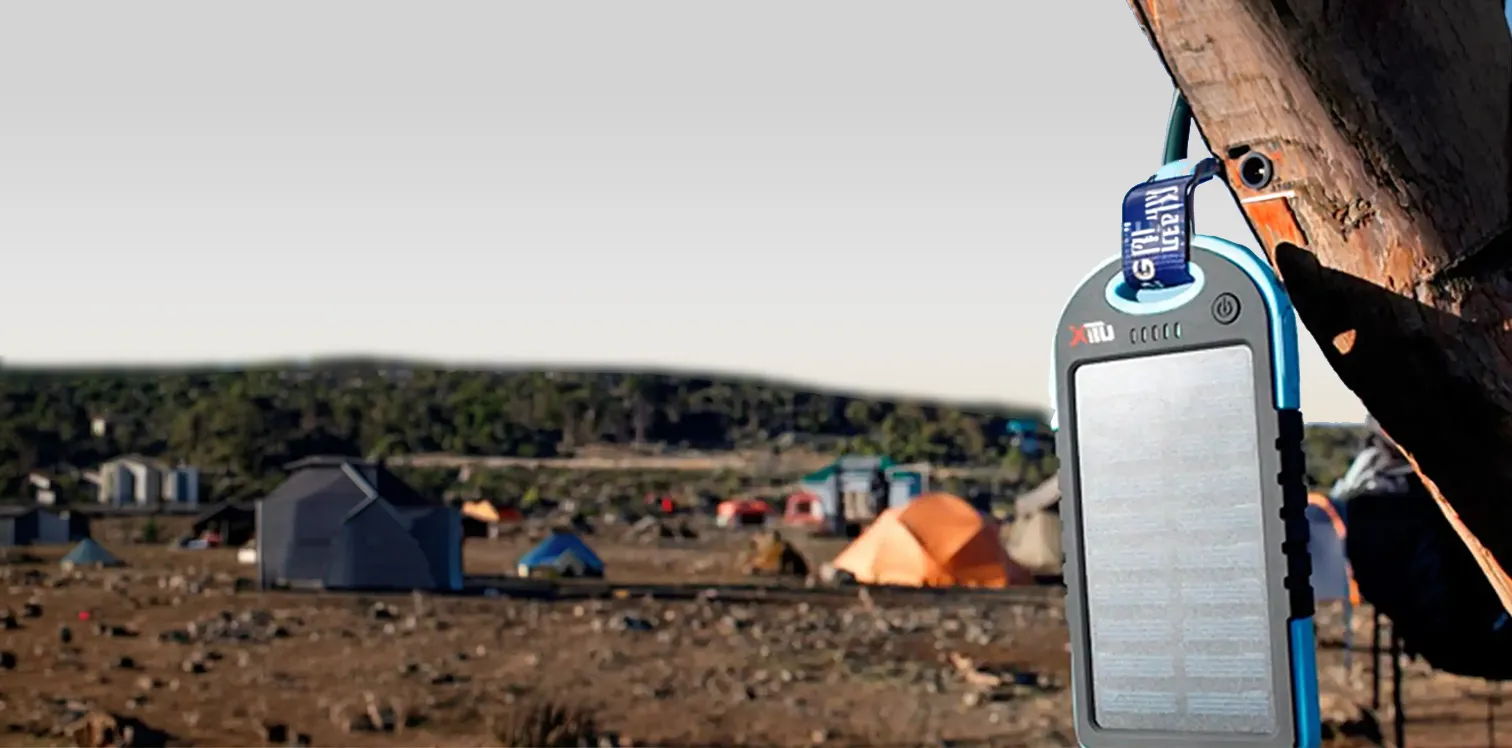
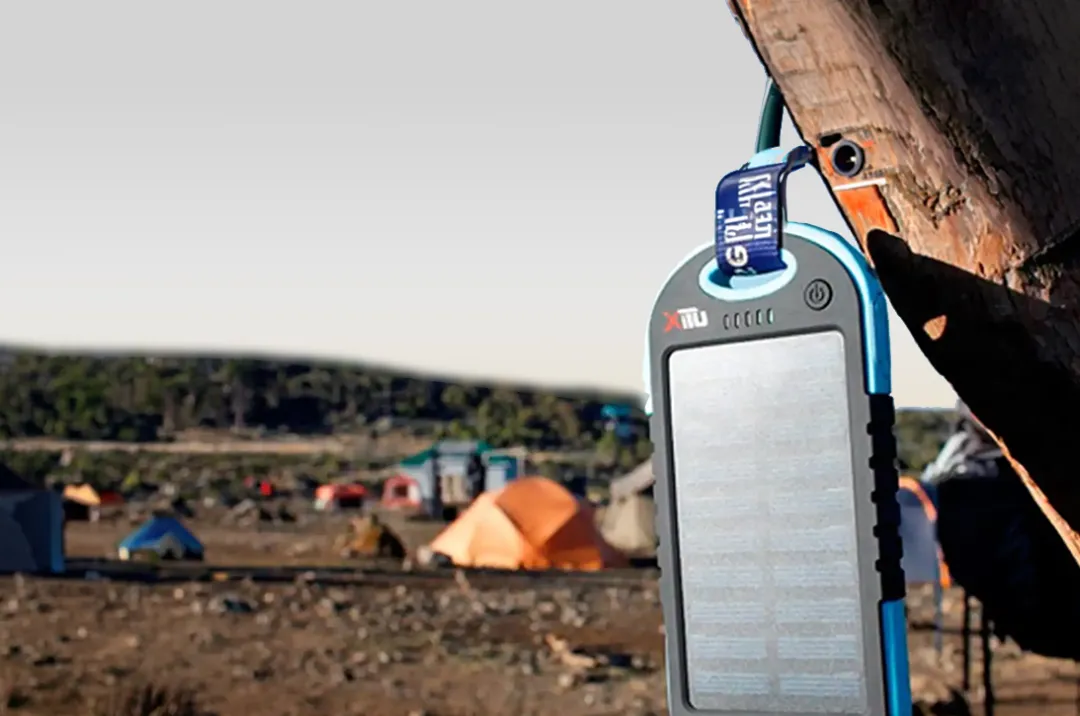
A portable solar charger hanging at a mountain camp highlights the usefulness of electronic gadgets on Kilimanjaro, helping climbers keep their phones, cameras, and GPS devices powered safely during multi-day treks.
Which Gadgets Should You Carry on Kilimanjaro?
Electronic Gadgets on Kilimanjaro should be few, useful, and easy to manage. A phone, a headlamp, and a solid power bank can do a lot. The trouble starts when people pack too many devices, forget about charging, and only realize on the mountain that normal power is gone.
We see this on real climbs all the time. Some guests arrive with half their bedroom plugged into one backpack, then regret it by the second day. Others keep it simple and feel far more comfortable. That is why we guide people through these decisions before the Kilimanjaro Climbing Tours begin. At Bestday Safaris, our advice comes from actual mountain days, real guest questions, and the small things that can make a climb smoother from camp to summit.
Essential Electronic Gadgets for Climbing Kilimanjaro
A short, essential electronic gadget list works best when you are climbing Kilimanjaro. You do not need every device you own. You need the few that truly earn their place.
The most useful ones are simple:
- Headlamp : A headlamp is non-negotiable on high mountains, especially during the final push towards Uhuru Peak. Summit night starts in deep darkness, and you need both hands free while walking. Bring a reliable one, not a cheap last-minute buy, and carry spare batteries too.
- Mobile phone : Your mobile phone is the most essential gadget you will need on Kilimanjaro. Photos, short videos, offline maps, notes, alarms, and checking time. For many trekkers, it replaces the need for another camera.
- Power bank : A power bank is your main charging source once the climbing starts. A high-capacity power bank, typically around 20,000 mAh, is the safest choice for a multi-day climb.
- Small camera or action camera : This is optional, but useful if you really want cleaner photos or trail video. A small tough camera is easier to manage than carrying bulky electronics.
- Tough phone case : There is dust, rock, accidental drops, wet gloves, and rough camp life. A good case stops one careless moment from turning into a dead phone.
- Finger pulse oximeter : Some trekkers like carrying one for personal checks, especially if they already worry about Kilimanjaro Altitude Sickness. It should never replace your guide’s judgment, but it can help you stay aware.
A lot of climbers overpack gadgets because they do not want to miss anything. Then the trek begins, and they realize they only use three items the whole week.
It is usually smart to leave behind:
- laptops
- bulky camera gear you rarely use
- extra speakers
- backup devices “just in case”.
- anything heavy that also needs frequent charging
This also helps your Kilimanjaro Porters because lighter gear means fewer unnecessary items going up the mountain. That is a small choice on your end, but it counts in a real way on the trail.
Referring to a comprehensive Kilimanjaro Gear List usually wins. Pack the devices that improve safety or help you remember the climb. The rest can wait at home.
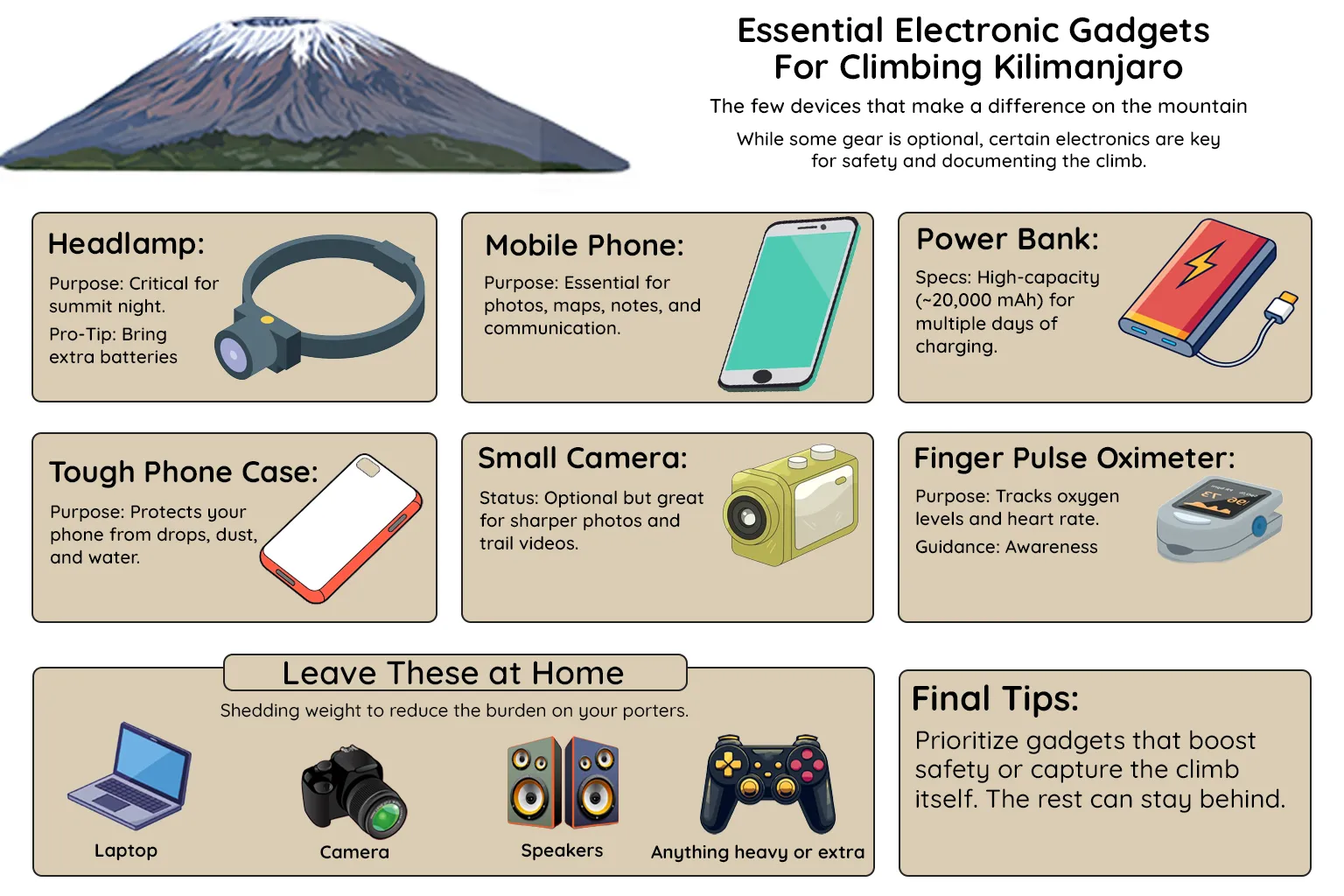
Illustrated guide showing essential electronic gadgets for climbing Kilimanjaro, including headlamp, phone, power bank, protective case, camera, and pulse oximeter, plus items to avoid and practical safety tips for trekkers.
How to Keep Your Devices Charged on Kilimanjaro
You can keep your devices charged on Kilimanjaro by carrying your own power. There are no standard charging stations on Mount Kilimanjaro, so once you leave the hotel, your battery life is entirely on you.
The last easy place to charge everything is usually your hotel in Moshi or Arusha. After that, you are off the grid. That catches people off guard more often than you might think. They come with a fully charged phone and one tiny power bank, assuming they will “figure it out later.” Later never comes.
The safest charging setup usually includes:
- Ane good power bank as your main source
- Spare batteries for your headlamp
- A short, reliable cable that actually works
- A solar charger only as backup, not as your only plan
Power banks do the heavy lifting. They work in any weather, and they do not depend on luck. Solar panels can help, especially during the Best Time for Kilimanjaro in the dry season, but they are still backup tools. Cloud, mist, and weak sun can make them less useful than people expect.
A simple way to think about it helps. If your phone is important for photos, navigation, notes, and camp comfort, then your power bank is not an accessory. It is part of your packing basics.
On Kilimanjaro, carry only the gadgets you will truly use. Cold weather drains batteries fast, so simple choices and proper protection make a big difference.
Peter Charles
How to Protect Electronics in the Cold of Mount Kilimanjaro
Cold drains batteries fast on Kilimanjaro. That is the first thing most trekkers notice. A device that looked perfectly fine at camp can suddenly lose power high up, especially on summit night when the air gets bitter, and your hands are stiff inside gloves. Warmth helps more than people think.
Keep your phone, camera, and power bank close to your body during cold hours. An inside jacket pocket works well while walking. At night, slide them into your sleeping bag or keep them tucked inside the warmest part of your duffel. That small habit can save a surprising amount of battery.
Protection is not only about cold, though. Dust gets everywhere. Rain can show up without much warning. Camps are busy places. People are tired. Things get dropped.
This season usually works well for:
- Use a padded or water-resistant pouch
- Keep electronics in zip bags inside your pack
- Avoid leaving devices loose in the tent
- Dry wet hands before handling them
- Do not leave batteries exposed in the cold air longer than needed
A careful Kilimanjaro Packing List does not stop at “bring a phone.” It also considers how that phone stays alive and safe throughout the whole trek.
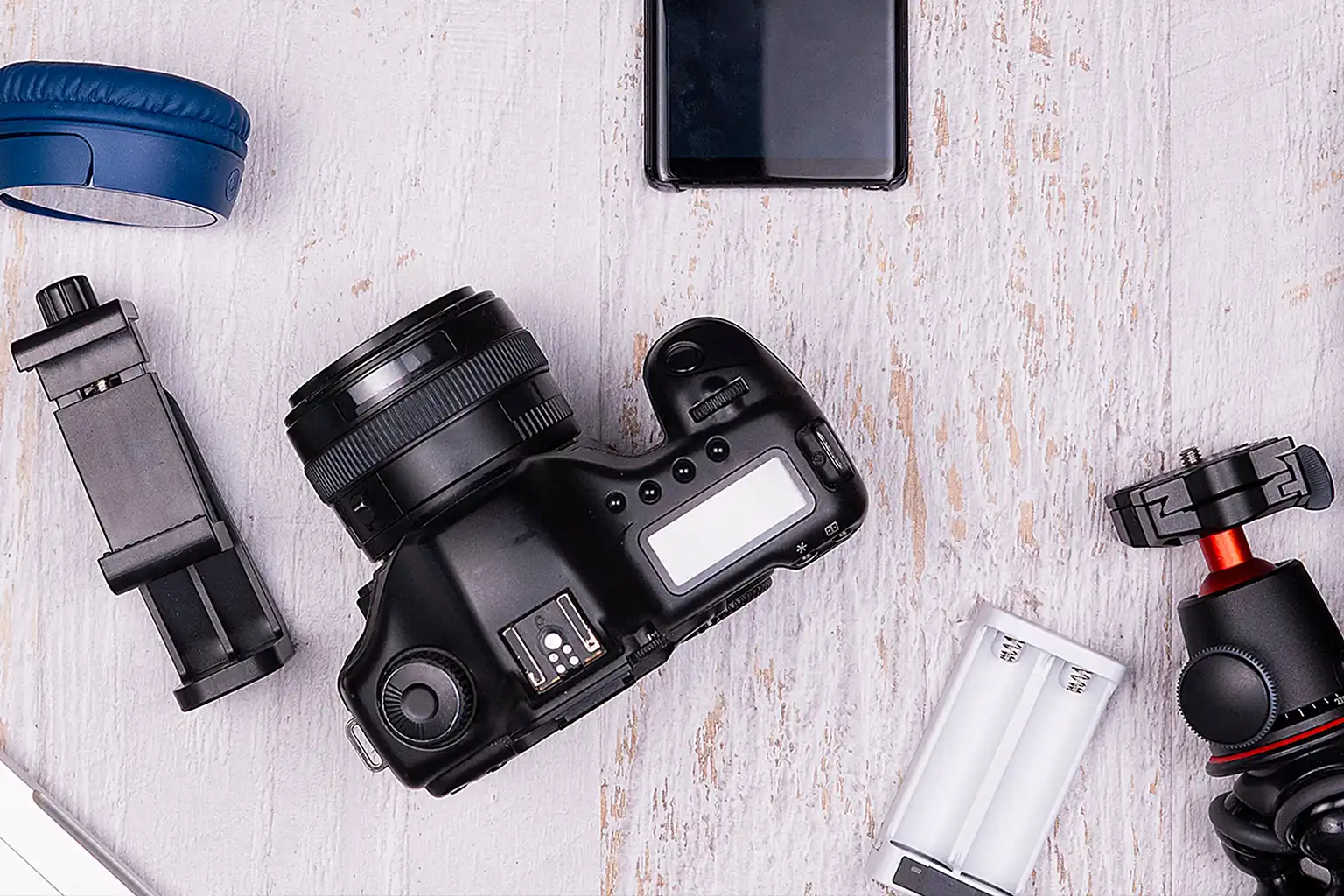
Flat lay of travel electronics including DSLR camera, smartphone, tripod head, phone mount, batteries, and headphones on wooden surface, highlighting compact gear choices for photography, charging, and content creation during trips.
Tips to Keep the charge for long on Kilimanjaro
Small habits save more battery than most people expect. You do not always need more power. Sometimes you just need to waste less. These tips actually help on the mountain:
- Switch to airplane mode : Phones burn battery while searching for a signal. On Kilimanjaro, that search often goes nowhere and keeps eating power.
- Lower your screen brightness : A bright screen looks nice for two seconds and drains your battery all day.
- Download offline maps before the trek : Do this at the hotel. Then your phone does not need data to provide route awareness.
- Turn devices off when you are not using them : Not sleep mode. Off. A powered-down device lasts much better.
- Limit long videos : A few clips are fine. Constant filming drains both battery and your attention.
- Carry proper cables : This sounds basic, but broken or cheap cables ruin many charging plans.
- Keep your headlamp ready before summit night : Do not wait until the cold evening air to discover weak batteries or a bad strap.
A good tip is pack for use, not fantasy. Most trekkers need less entertainment tech and more battery discipline.
- Kilimanjaro
- Private
- Luxury
- Camp
6 Days Shira Route
Starts from: On Request
View Tour
- Kilimanjaro
- Private
- Luxury
- Camp
6 Days Rongai Route
Starts from: On Request
View Tour
- Kilimanjaro
- Private
- Luxury
- Hut
5 Days Marangu Route
Starts from: On Request
View Tour
- Kilimanjaro
- Private
- Luxury
- Hut
6 Days Marangu Route
Starts from: On Request
View TourReady to Plan Your Climb?
The right electronic gadgets on Kilimanjaro make the climb easier, safer, and much less stressful. But the list only works when it stays realistic. A phone, a headlamp, spare batteries, and a strong power bank will take most trekkers further than a bag full of fancy electronics.
We help guests work through this before the trek starts. Not with vague packing advice. With real guidance based on your route, season, and how many days you will be on the mountain. So if you are planning a Kilimanjaro Climbing Tour, ask us for a proper gear check before you pack.
Get a custom climb plan from Bestday Safaris and receive practical gadget advice that fits your route, your season, and your actual trek days.
Carry smart gadgets and keep your Kilimanjaro climb simple.
Check Essential Trek Gadgets
Frequently Asked Questions
No, there are no regular charging stations on Mount Kilimanjaro. Once the Kilimanjaro climb begins, you should assume your hotel was the last easy charging point. That is why a proper power bank is so important. Many trekkers only fully understand this after day one, when they reach camp, check their battery, and realize there is nowhere to plug in. It is better to sort that out before you leave town.
A power bank with around 20,000 mAh is a very practical choice for most climbers. It usually provides enough battery life for a phone over several days, especially if you are careful with battery use during Kilimanjaro Climbing Tours.
Yes, solar chargers work well on Kilimanjaro, but only as a backup. That is the honest answer. Solar chargers can help during sunnier stretches, especially in the dry months, but we would not tell a climber to rely on them as the only charging method. Cloud, mist, and inconsistent light can make them frustrating. A power bank is still the more dependable option. Solar is useful when it works, not something to build your whole plan around.
The headlamp is the one device you absolutely need for summit night. You start in darkness, walk for hours, and need bright light with both hands free. Spare batteries should come with it, not as an afterthought. A fully charged phone can also help with photos and quick checks, but the headlamp is the item that really does the heavy work.
Yes, and sometimes more than people expect. Cold air drains batteries quickly, especially higher up and during summit night. A phone that looked fine at camp can die much faster once it has been sitting in freezing air. That is why keeping devices close to your body during the walk and inside your sleeping bag at night helps so much. Warmth gives batteries a better chance to hold on.

Plan a Mountain Climbing Trip
We offer a range of mountain climbing experiences. You can also chat with our climbing specialist for a customized trekking itinerary in Tanzania.
Recommended by


Kilimanjaro Travel Guide
Your Trusted Guide for Every Climb Detail
Our Kilimanjaro travel guide is here to make planning easier. It covers the best time to climb, route options, costs, fitness preparation, packing advice, and useful mountain tips that matter once you are really on the trail. Climbing Kilimanjaro feels much more manageable when the right information is in one place, and that is exactly what this guide is meant to give you from the start.
Guestbook Moments
Real Stories from Safari Guests
A good safari often lives on through the words guests bring back. Here, Bestday Safaris travelers share notes on the people, pace, small comforts, wildlife moments, and honest care that became part of their journey. Their reviews help future travelers see beyond the itinerary and understand how each safari feels on the ground.
Excellent

4.9 out of 5
753 Reviews
Lorena T

We had an amazing experience with BestDays Safaris. Our driver Muro was very knowledgeable, took us away from crowds to spot animals and was an excellent guide. The camping accommodation that BestDay Safaris
Mar 2026
Alejandra Q
We just finished an incredible safari as our honeymoon on a private safari tour for us two with Best Day Safaris in Tanzania and the whole experience exceeded our expectations.During the trip we explored Tarangire...
Mar 2026

Gabriel R
Our safari in Tanzania was honestly better than we ever imagined, easily the best trip we’ve ever taken. We visited Tarangire National Park, the incredible Serengeti National Park, and the breathtaking and the breathtaking...
Mar 2026
Francesca C
Beautiful experience, absolutely to try! If you love nature and animals you can not miss this incredible journey with Best Day Safari! My father and I visited in 4 days the Tarangire park, the Serengeti (with...
Dec 2025

Michaela P
We planned our 5-day safari about 1 month before with Xenia. Communication with Xenia was straightforward, very friendly, very reliable and she gave us enough freedom and time to make decisions. The safari has...
Oct 2025

Chad
We had the most amazing safari experience with BestDay safari’s. From start to finish they were exceptional, Xenia planned the perfect 10 day safari and our guide Joseph was extremely kind, knowledgable and...
Jan 2026
Start planning your safari. Get matched with a local adventure specialist.
 David
David
 Jackson Mollel
 Stephen
Faraj
Abel
Stephen
Faraj
Abel