Why Camel Ride Safaris in Tanzania Are Different from Traditional Safaris
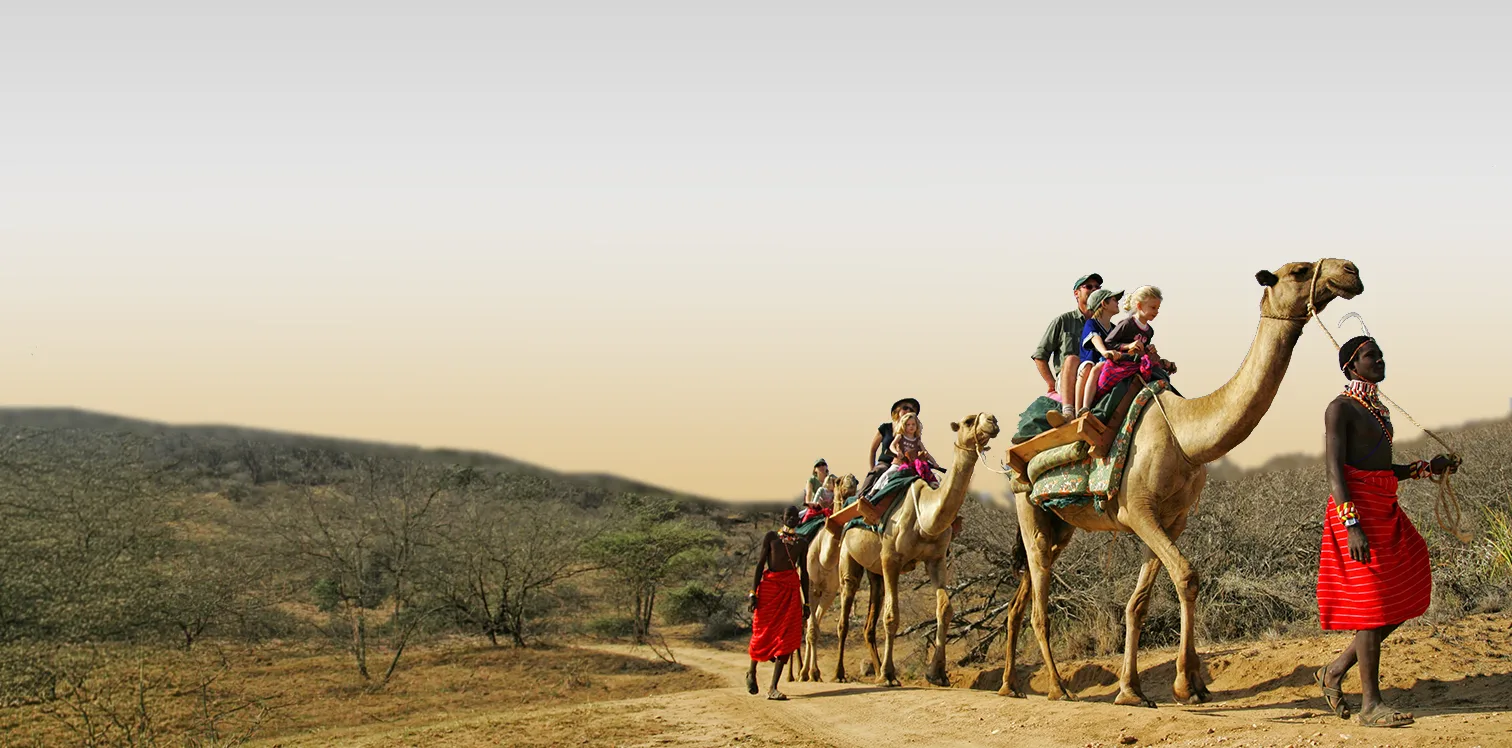
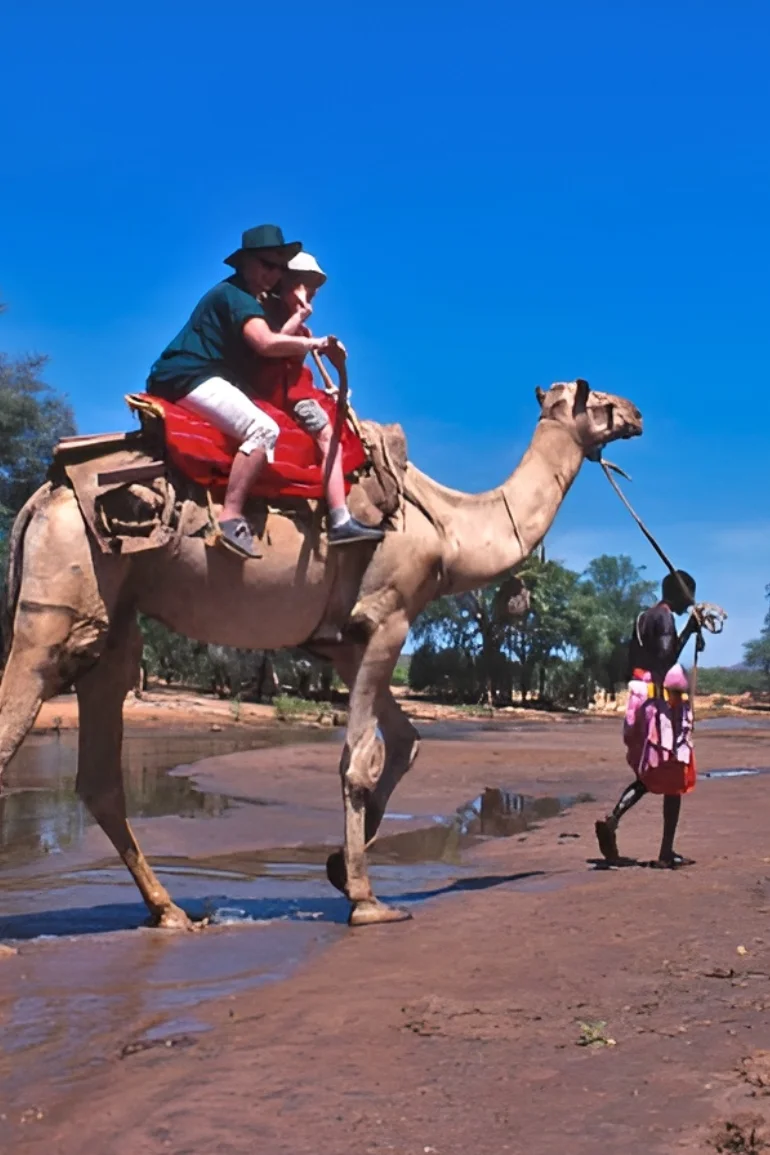
A Camel safari in Tanzania feels different because of the slower pace. A vehicle safari usually covers more ground in less time. A camel ride does the opposite. You move slowly, you hear more, and you stop seeing the landscape as just a background between sightings.
That slower pace gives the day a more human feel. You notice birds, livestock trails, distant hills, the movement of villagers, and the silence between places. It does not feel like a checklist trip. It feels like time spent properly.
What usually makes it stand apart
- No engine noise between one point and the next
- More time to speak with guides and local hosts
- A better fit for travelers who like slow travel
- Easy to combine with cultural visits and short walks
- A good break before or after classic Tanzania safaris
A camel ride also brings in a cultural layer that regular safaris often miss. You pass through community land, not just wildlife zones, and that changes the whole experience. You are not simply looking at Tanzania from the outside. You are moving through it in a much more peaceful way, soaking everything possible.
Where do Camel Ride Safaris Take Place in Tanzania?
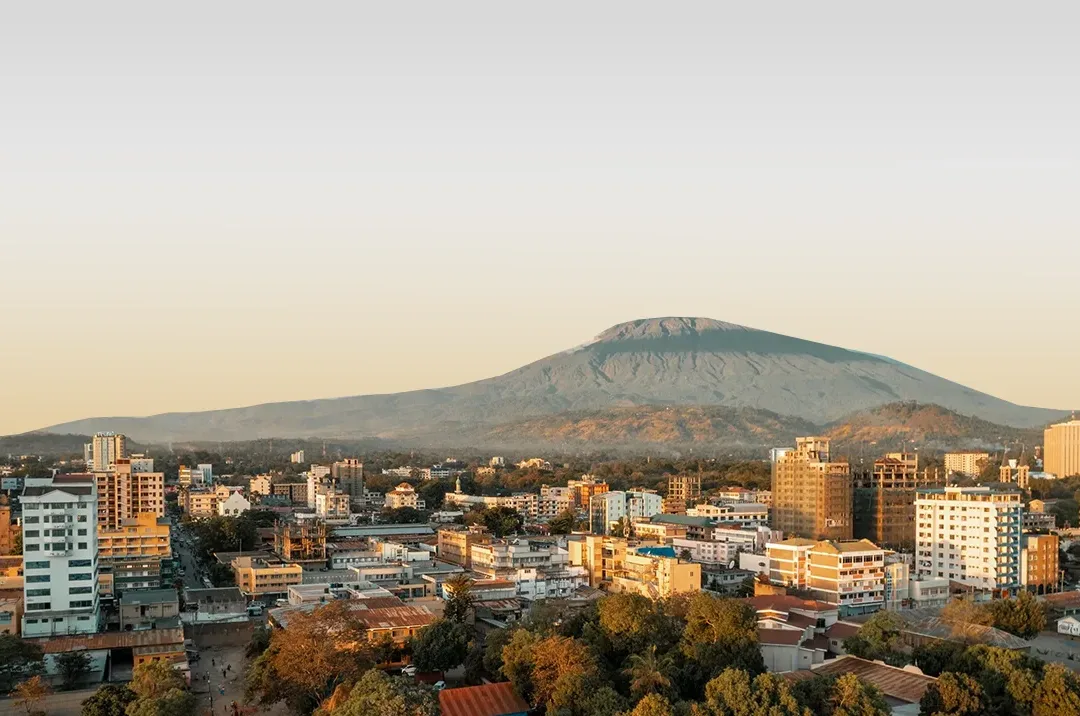
Most Camel riding takes place in the Arusha region, in open Maasai areas not far from the city.
Taking a camel ride on these routes is best for travelers staying in Arusha before or after a northern circuit safari. Once the ride starts, you are far from the town on the outskirts.
Some of the main places connected to these trips:
Meserani Short Rides
Routes at Meserani Snake Park are ideal for short camel ride introductions
Mkuru Safari Routes
Trips take you deeper into local Maasai areas for a richer experience
Longido Extended Routes
Best for travelers wanting longer time exploring the bush on camel
Mount Meru Plains
Open plains near Mount Meru create a wide and scenic riding experience
Diverse Route Features
Some paths include caves, village tracks, and traditional stopping points
The best-known starting points are around Meserani and Mkuru. These areas open onto wide plains, village land, walking routes, and bush tracks that suit both short rides and longer treks. On clear days, the views stretch far, and the setting itself becomes part of the experience.
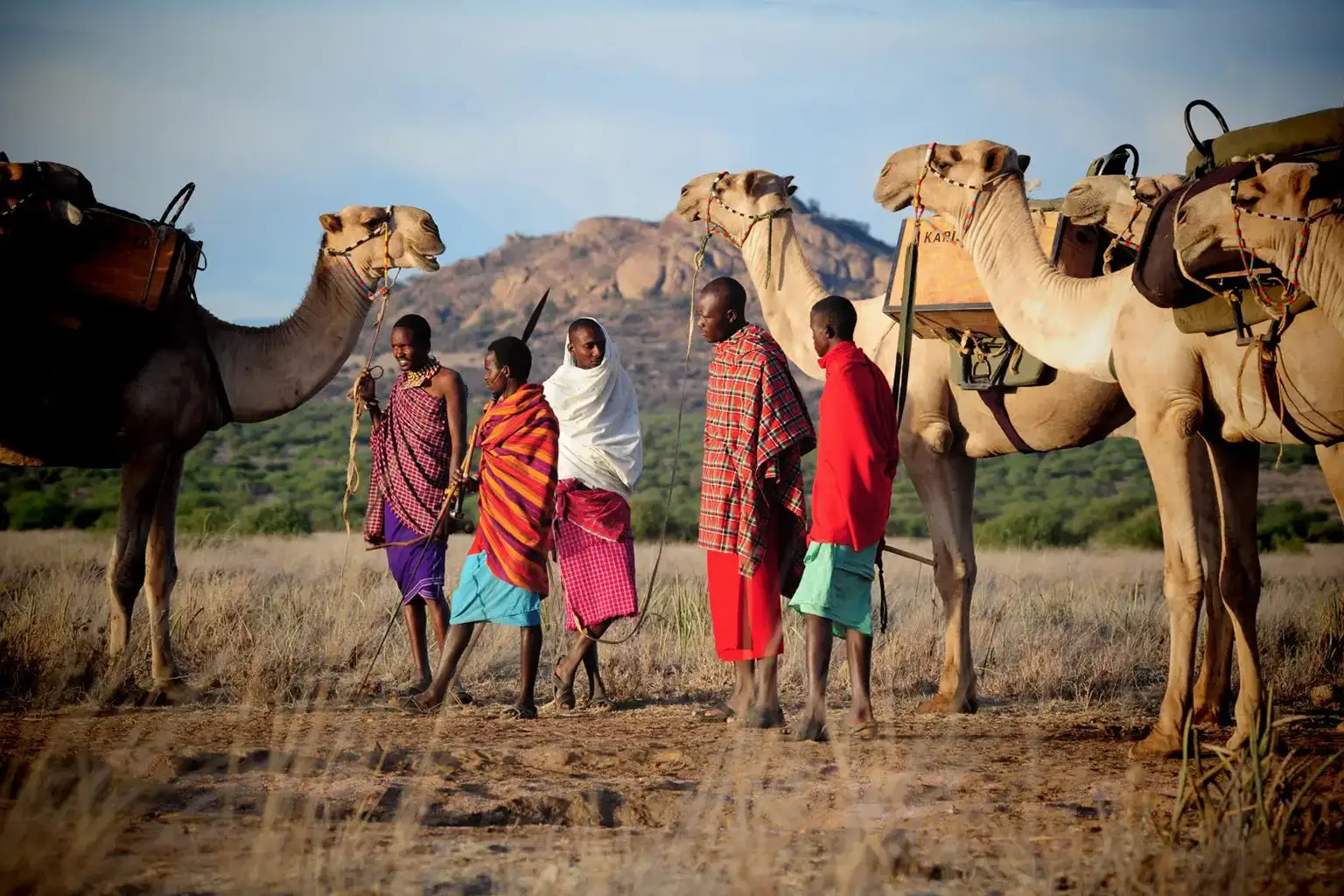
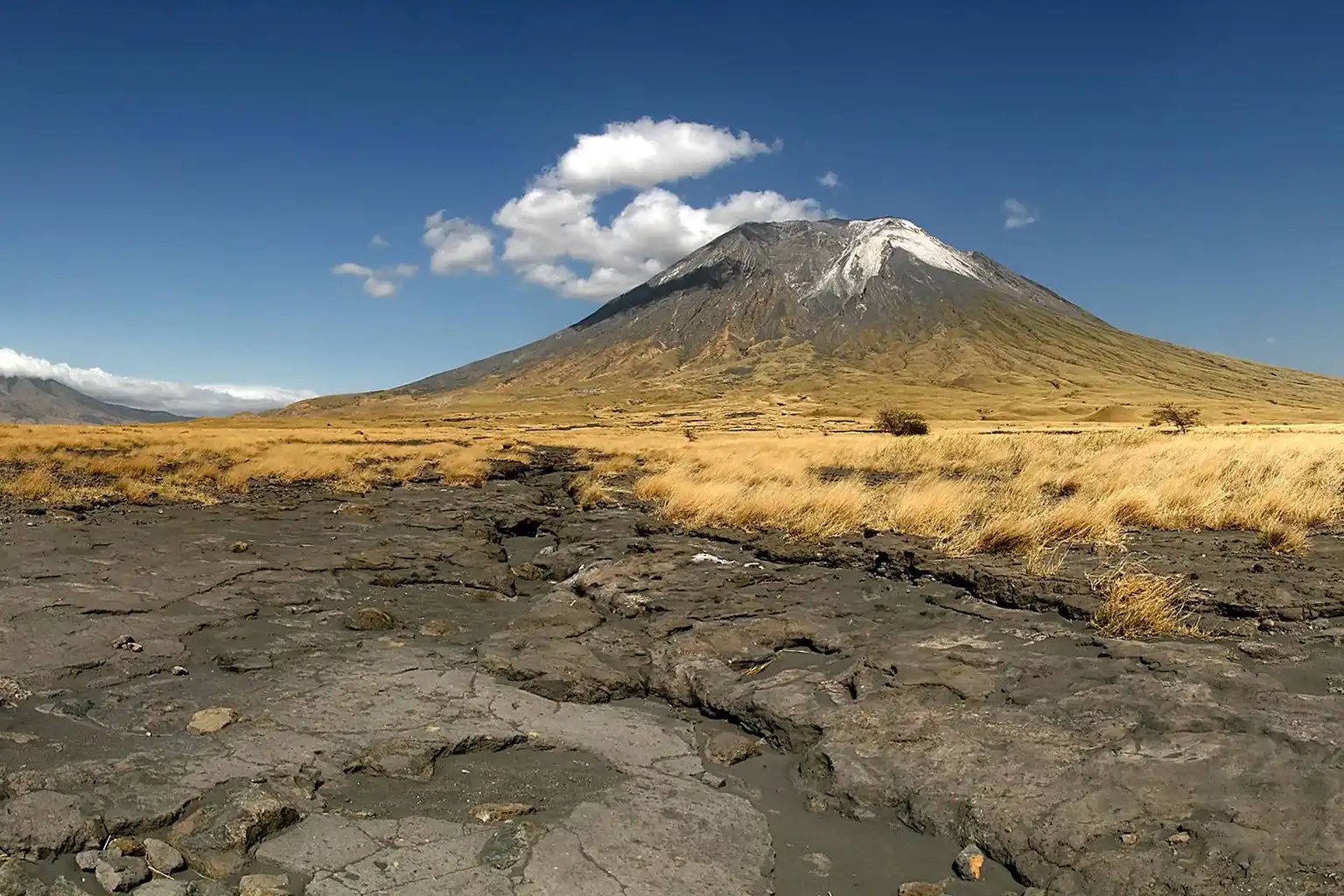
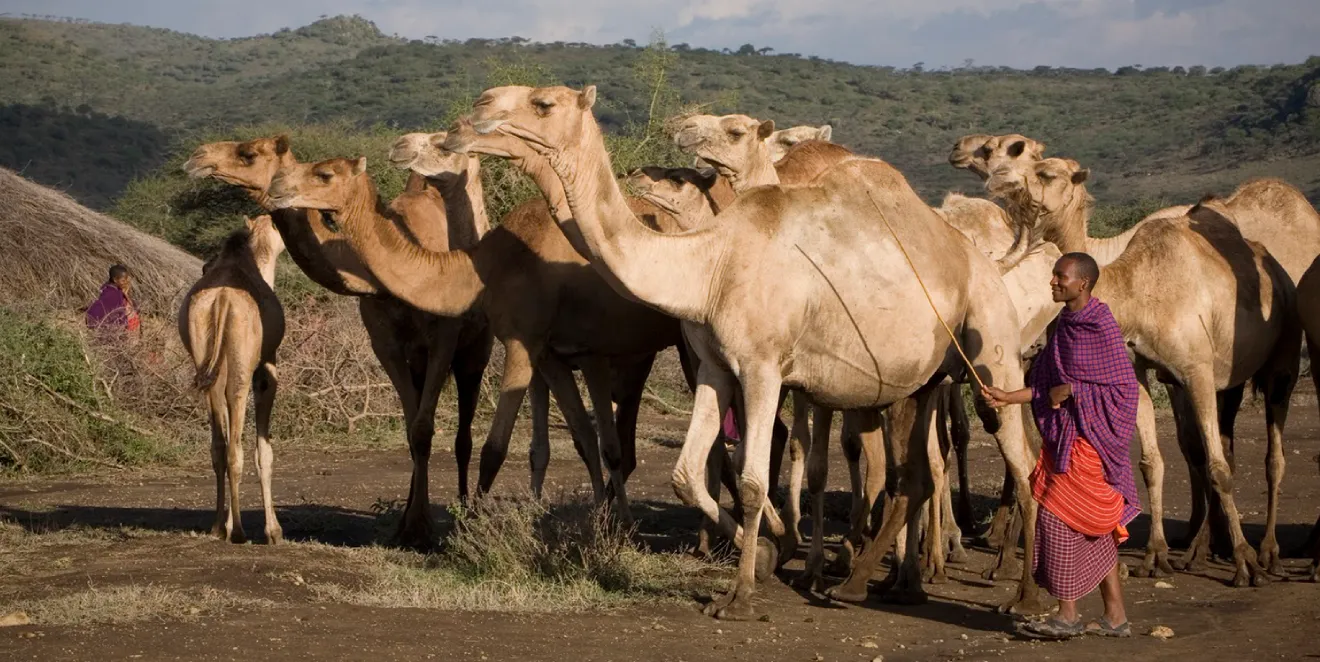
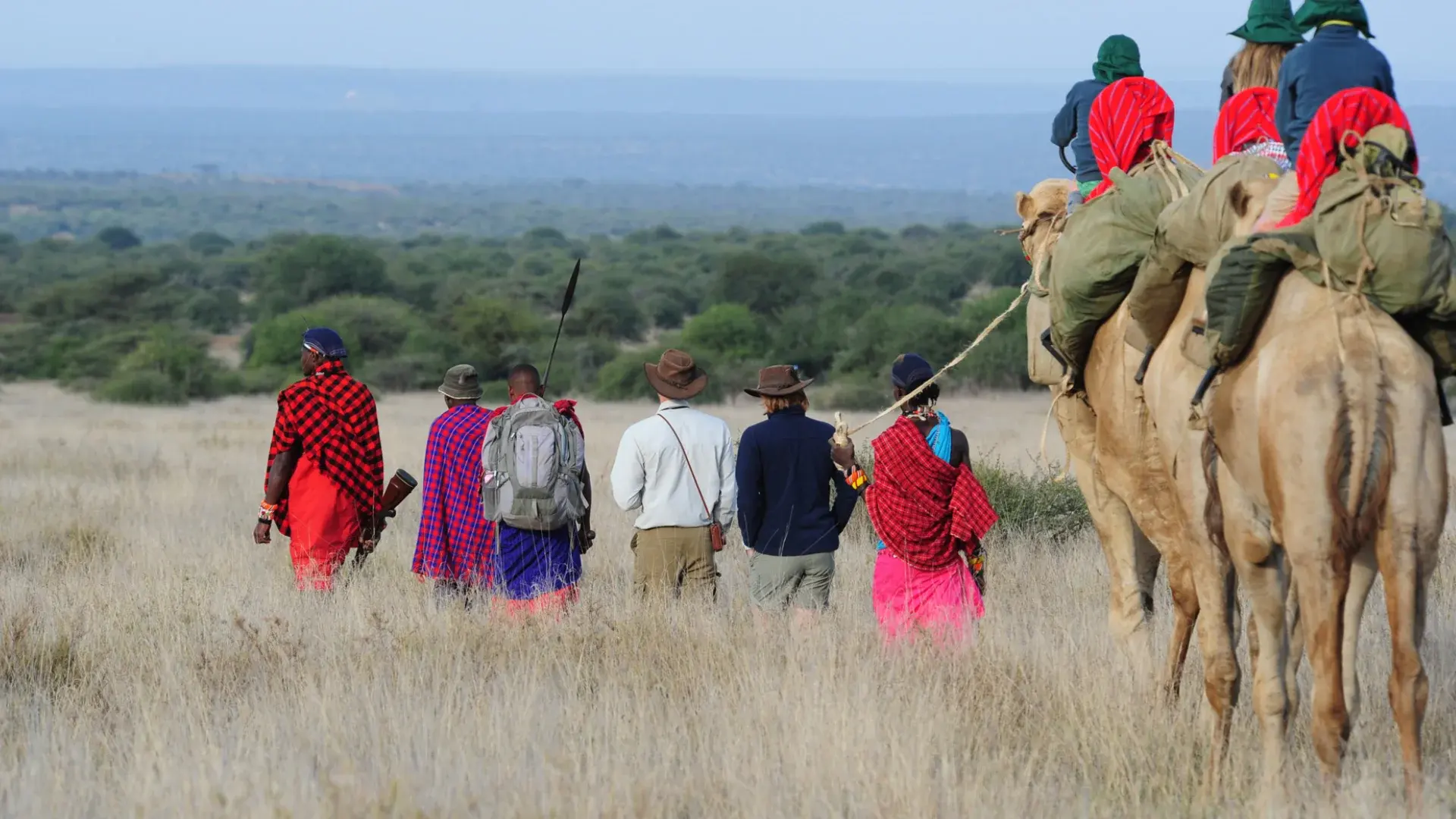
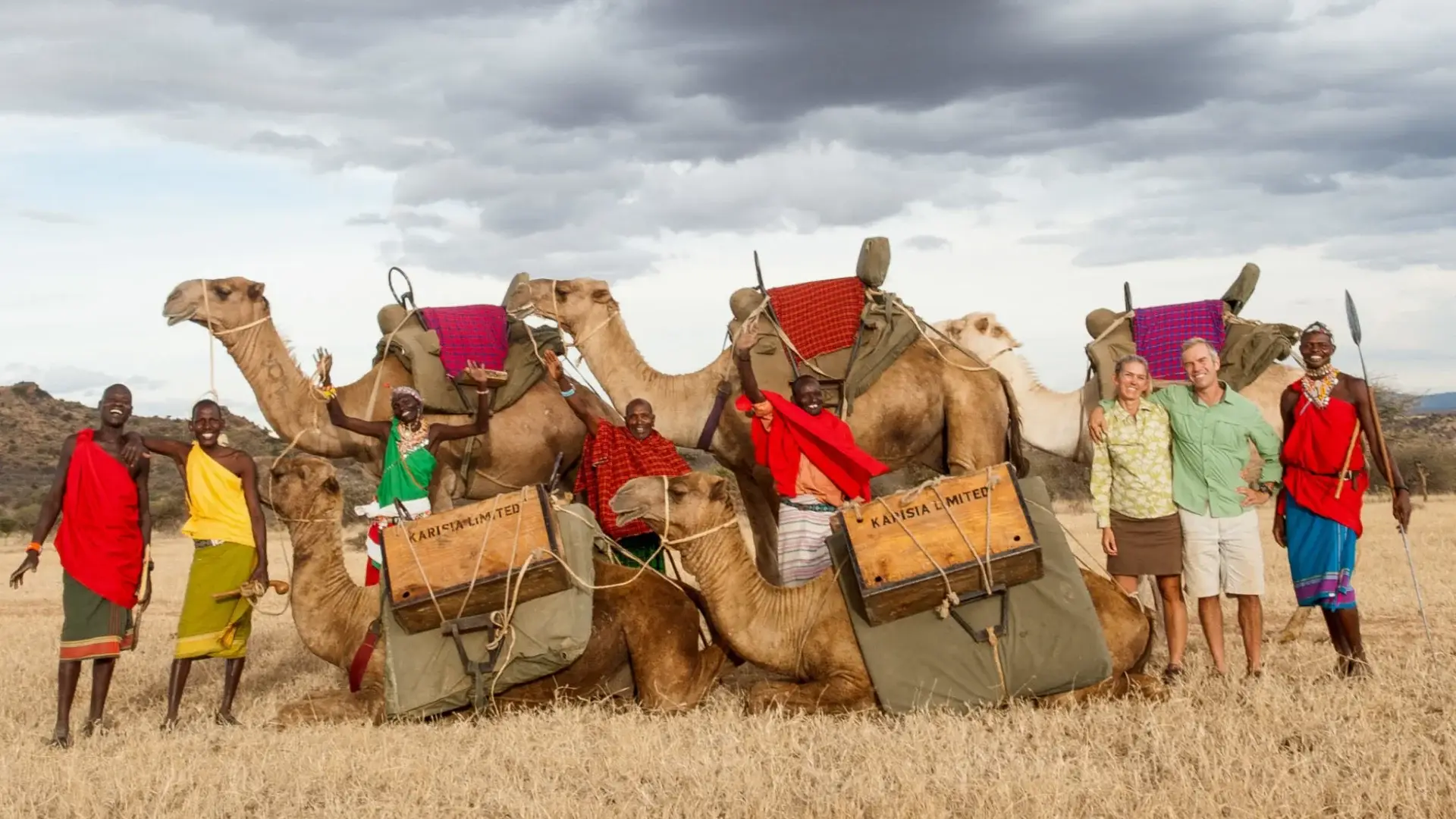
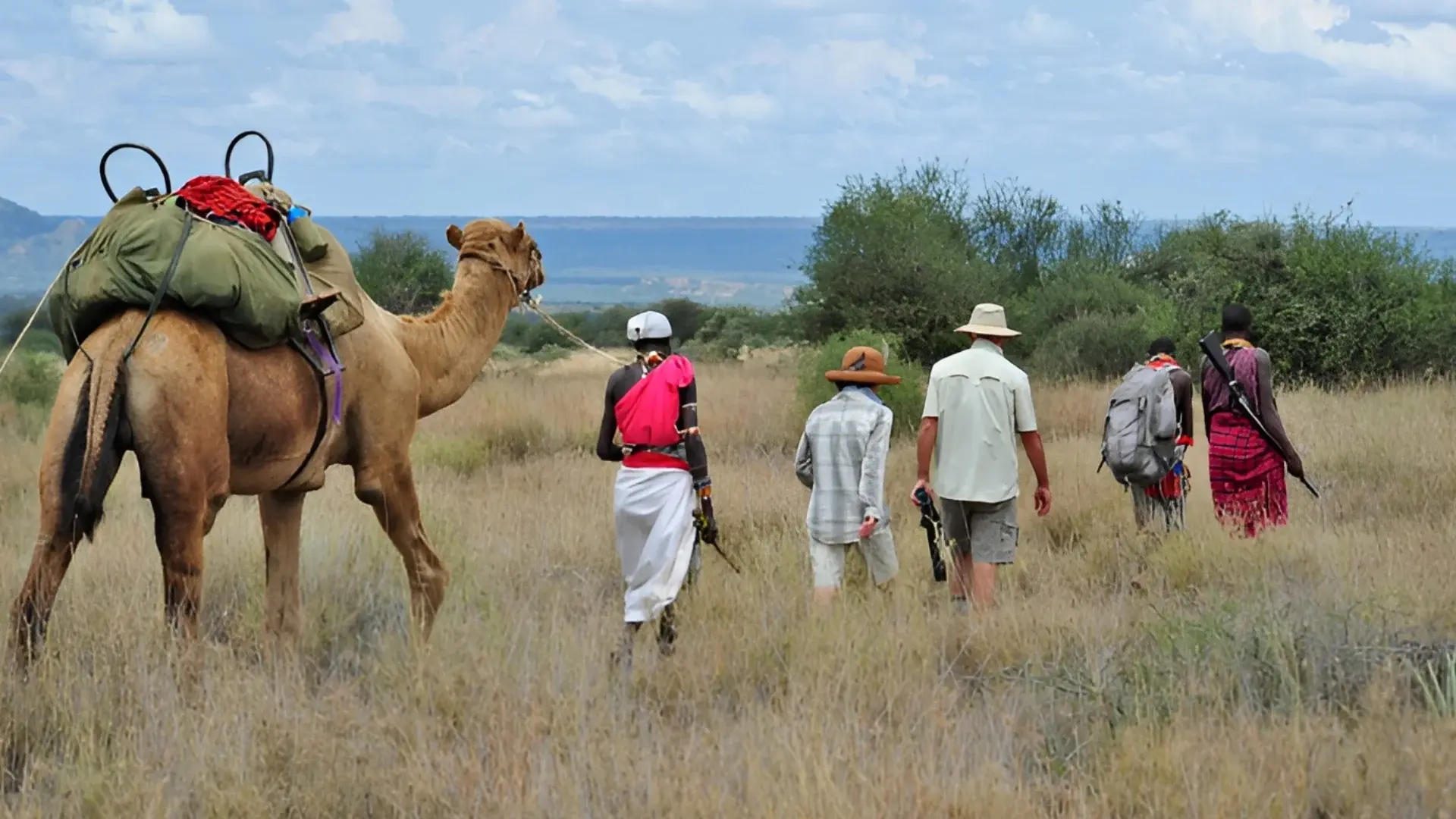
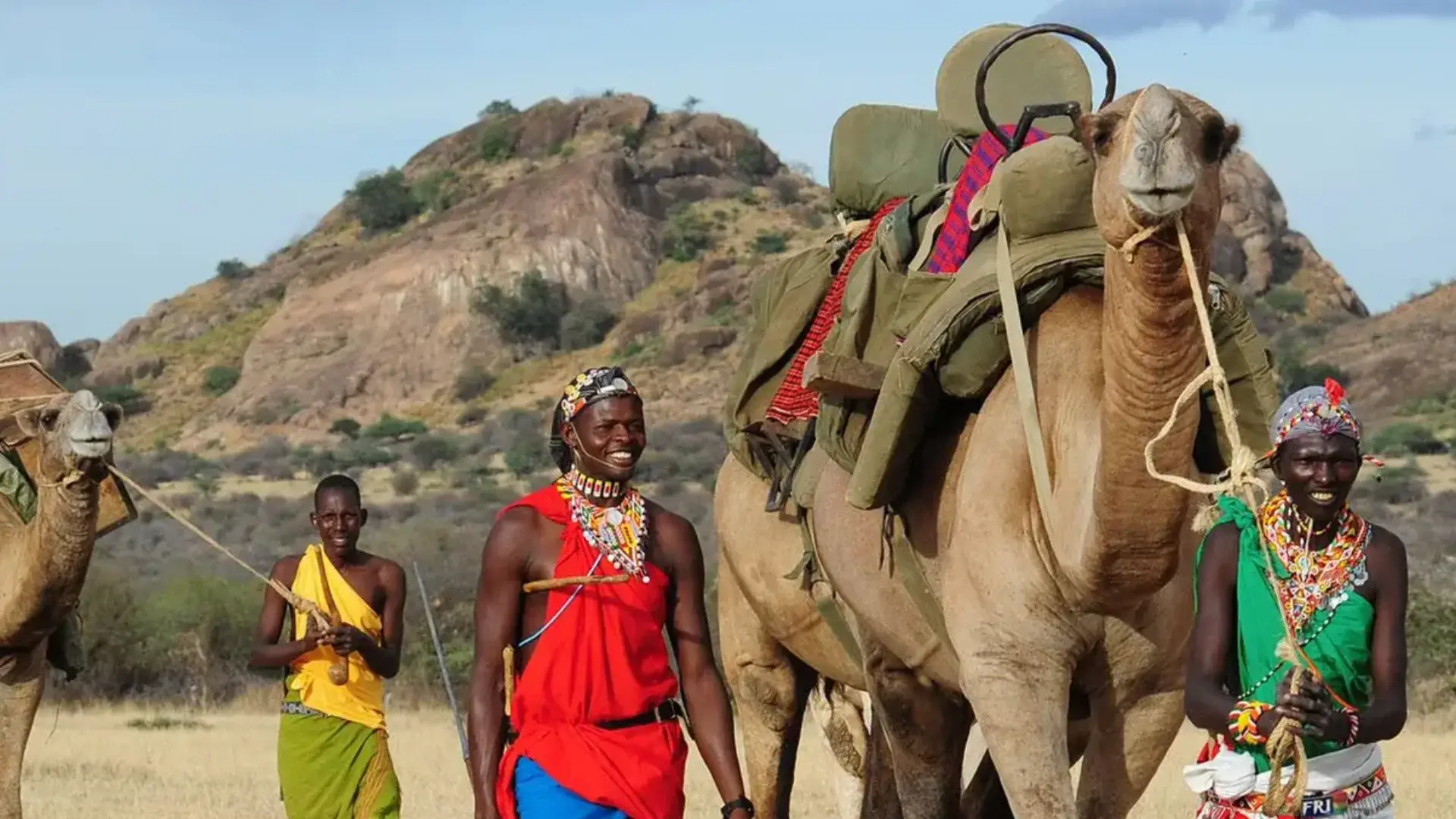
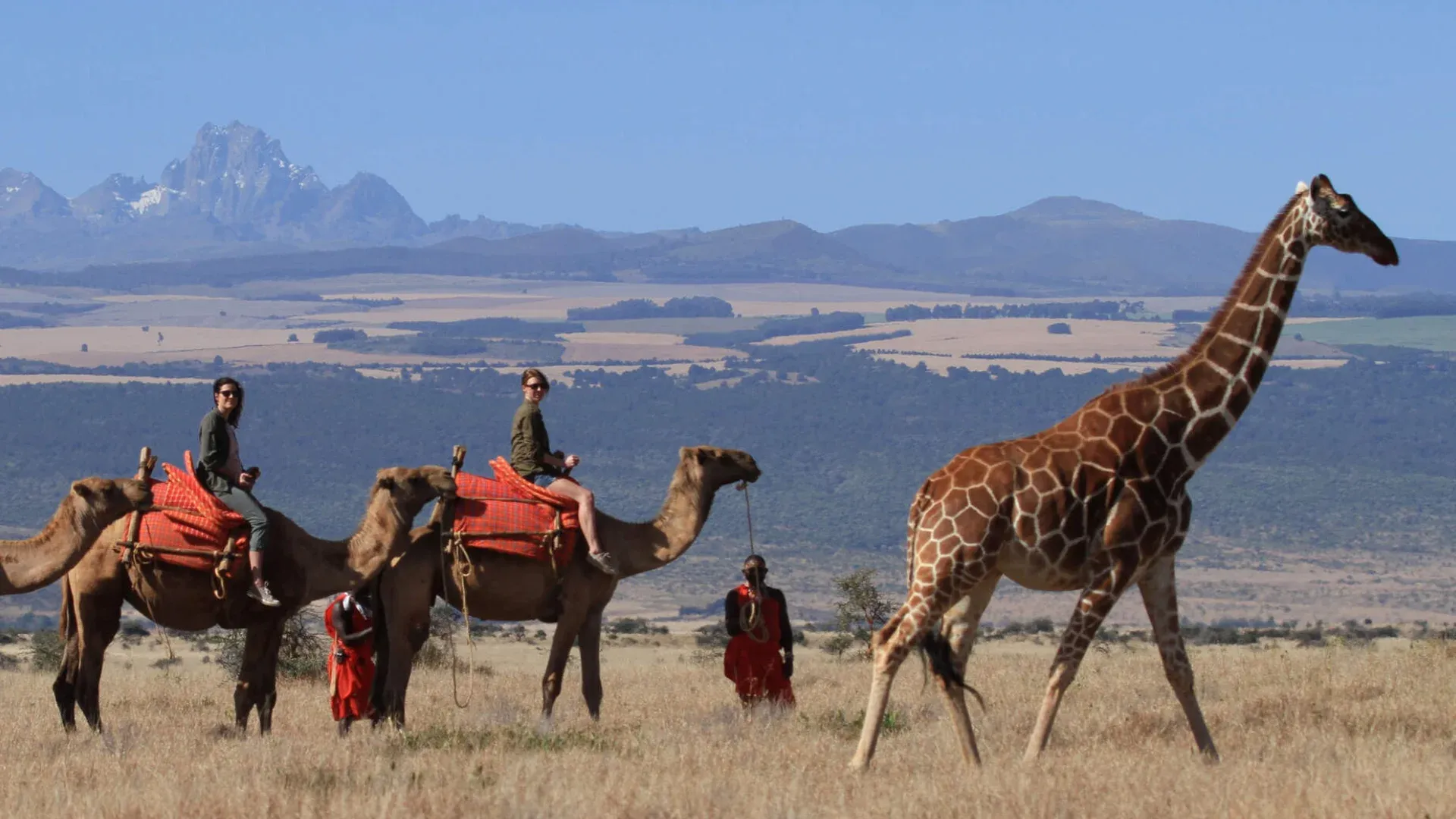
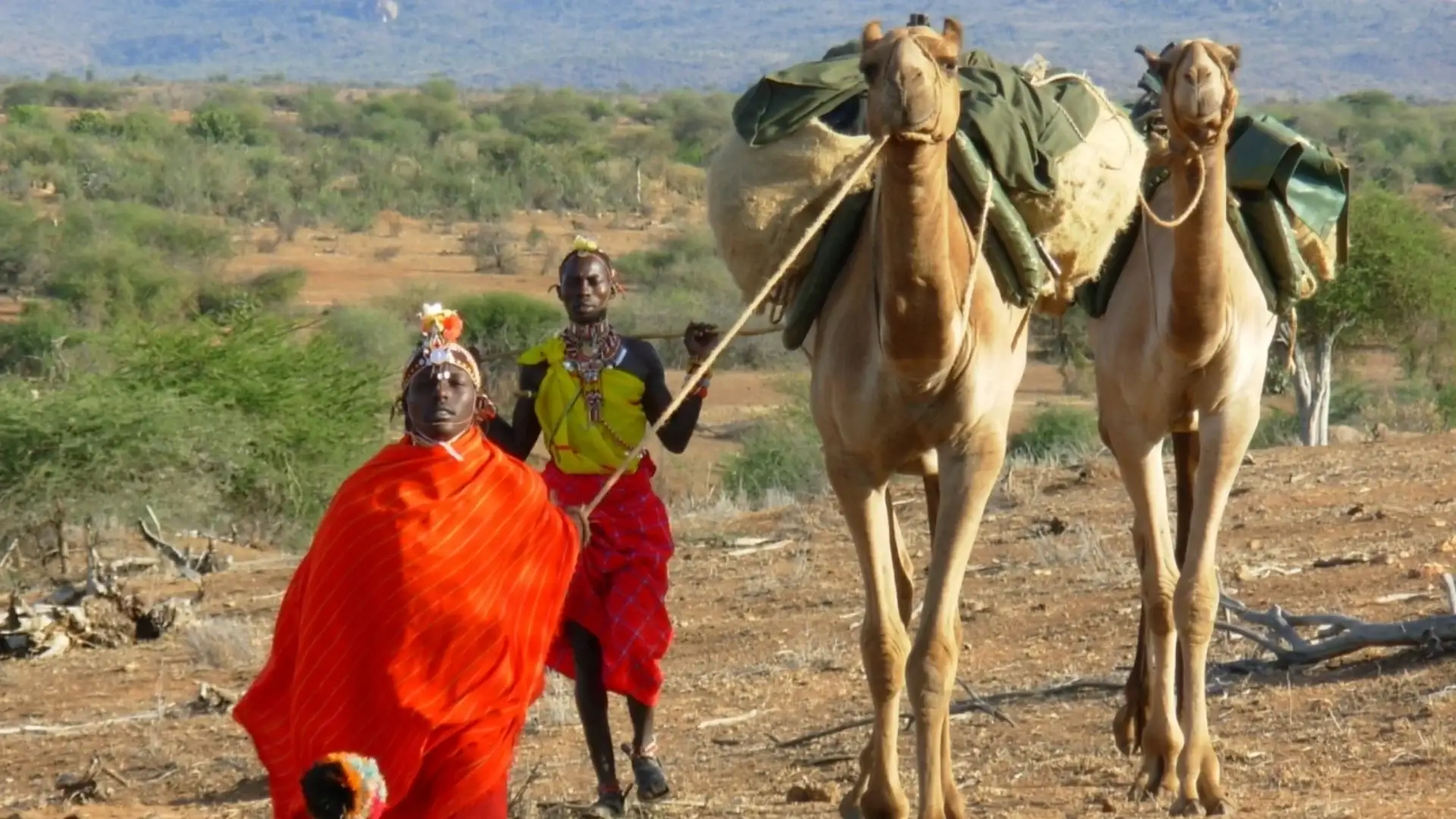
Set against a rugged mountain landscape, the visuals connect camel-based travel with the wider terrain, where local guides stand beside loaded camels and open country stretches dramatically beyond.
Maasai Cultural Experiences During Camel Ride Safaris
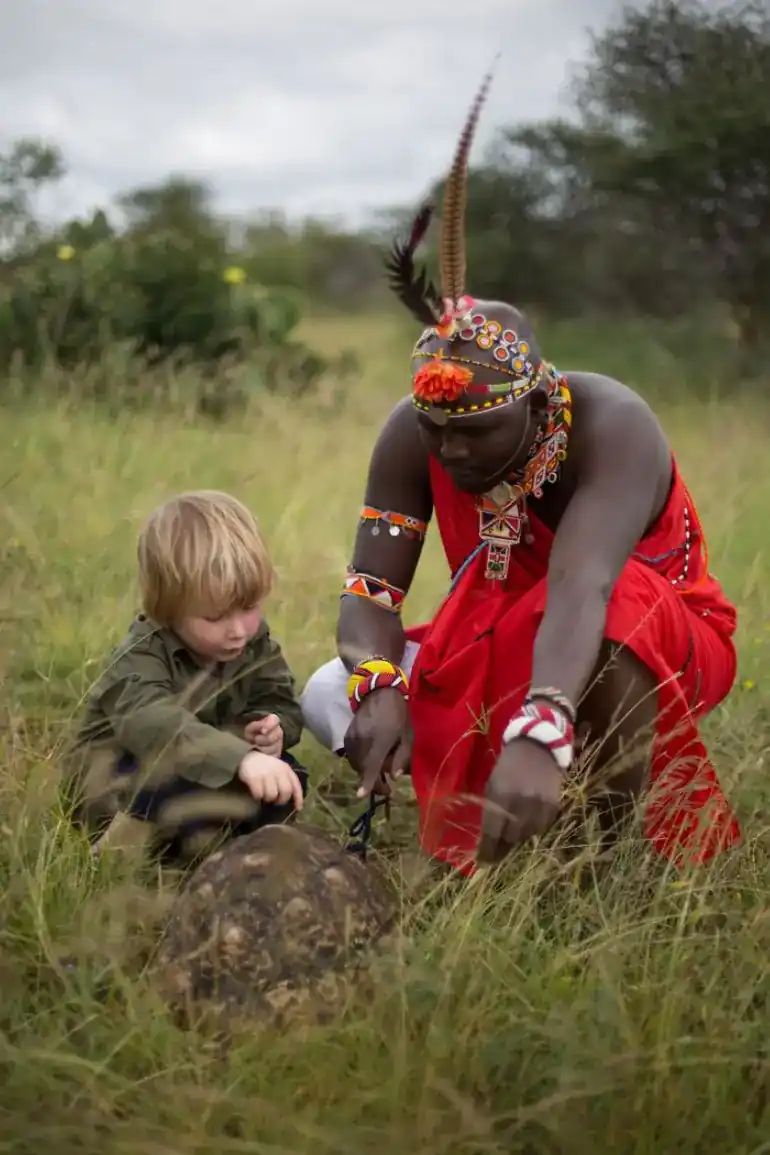
The cultural experiences you get during Camel Ride Safaris often stay with you as they bring you close to Maasai life, local stories, everyday traditions, and the quiet feeling of moving through land with people who truly know it.
Visit a Traditional Healer
One of the more interesting parts of the camel ride is the visit to Mzee Elias, the traditional healer in Mkuru. You ride out by camel, then continue on foot for about an hour to reach his village. It is not a rushed stop, and that helps. You get time to listen, look around, and understand a side of local life that many travelers never really come close to.
Mzee Elias is known by the Maasai people from many nearby areas, and people still come to him for treatment and advice. During the visit, he explains which plants are used for healing and what they help with. You start to understand how traditional medicine still sits very naturally inside everyday healthcare here.
Learn Art and Craft at the Maasai Boma
Another part of the experience takes you to the Maasai cultural boma, where local women gather for art and craft sessions. A guide comes with you, introduces you properly, and helps you settle into the visit. Then the real fun starts. You sit with the mamas, watch their hands move, and begin to understand how Maasai beadwork is made piece by piece.
It is not just a quick display for visitors. You actually get to learn a little, ask questions, and see the work up close. The colors, the detail, the patience behind it all, it stays with you. And if you buy a few gifts, the money goes directly to the women’s cooperative, which makes the moment feel even more worthwhile.
Local Maasai School
A visit to a local Maasai school adds another layer to the day. You meet teachers, see the students, and learn a bit about how the local education system works. It is simple, direct, and quietly meaningful. Nothing about it feels forced.
After the school visit, your guide may share stories about how a young Maasai boy grows into adulthood and what that process traditionally involves. That part often stays with people. It gives context, not just information.
Later in the afternoon, things slow down again. You can book another activity if you want, or just take it easy around camp, walk a little, and watch birds. Then after dinner, the day usually closes with a traditional youth dance, the kind young Maasai men practice for big celebrations like weddings. It is lively, social, and a very good way to end the evening.
Gaining all the experiences is one reason many travellers see it as a strong addition to a Tanzania cultural safari, not just a side activity.
Popular One-Day Camel Treks and Safari Adventures
For travelers asking What To Do In Tanzania beyond standard game drives, one-day camel outings make a lot of sense. They are easier to fit into a broader itinerary, and they still give you a real taste of the landscape and the region's culture.
A short ride does not mean a rushed day. Good one-day routes still include time to ride, walk, stop, eat, and listen. That slower structure is exactly what makes them enjoyable. Popular one-day options are:
Baboon Cave Safari
The baboon cave is set amongst beautiful surroundings, and every night it hosts hundreds of baboons. In the cave, you will see an example of a dam built in colonial times. The cave is a special place for the Maasai.
Every year, groups of men and boys come to this area for months at a time and live away from home, with cows and goats to feast on during their stay. They eat only meat and drink no water during their stay. Your guide will show you where they slaughter the cows and store the meat, and how they sleep in the camp.
You’ll discover:
- Departure: mid-morning, lunch near the cave
- Afternoon: visit the area and learn about traditions
- Return: mid-afternoon.
If you wish to see the baboons as they return to the cave, you can stay until around 7 pm and walk back by moonlight to arrive at base camp around 8:30 pm for dinner. The baboons are not always punctual, but if you're lucky, you might hear and see hordes of them.
Oldonyo Landare Climb
Oldonyo Landare means Mountain of Goats in the Maasai language, and the name suits the place. The walk from base camp takes about three hours, and yes, parts of it are steep.
From up top, the view opens right out. On a clear day, you can see Mount Meru, Mount Kilimanjaro, the Maasai Plains, and Momella Lake spread across the distance.
The climb usually starts in mid-morning. Lunch is served on the mountain, which feels well earned by then. On the way down, there is a stop at a Maasai village and a visit to a boma, so the day shifts gently from mountain scenery to local life. By afternoon, you are back at base camp, a bit dusty, probably tired, but happy you did it.
Mguru Archaeological Trek
The Mguru Archaeological Trek feels a little different from the others. It leans more into history and the land itself, which some travelers end up liking more than they expected.
Along the way, your guide explains the area’s colonial past and the older geological story beneath it. You come across fossilized bones from before Mount Meru erupted thousands of years ago, which is not the kind of thing most people expect to find on a trek like this.
Near the remains of a colonial dam, you also reach natural water pools hidden in deep canyons. Maasai communities still collect water there today, so the place does not feel stuck in history.
The trek usually starts in mid-morning, with lunch near the geological site. The afternoon is spent exploring the area and learning more about its traditions before heading back by mid-afternoon. It is a calm kind of outing, but not empty. There is quite a lot in it once you slow down enough to notice.
These day trips work well for couples, families, repeat visitors, and travelers who want a fuller Tanzania Safari Experience without committing to several nights in the bush.
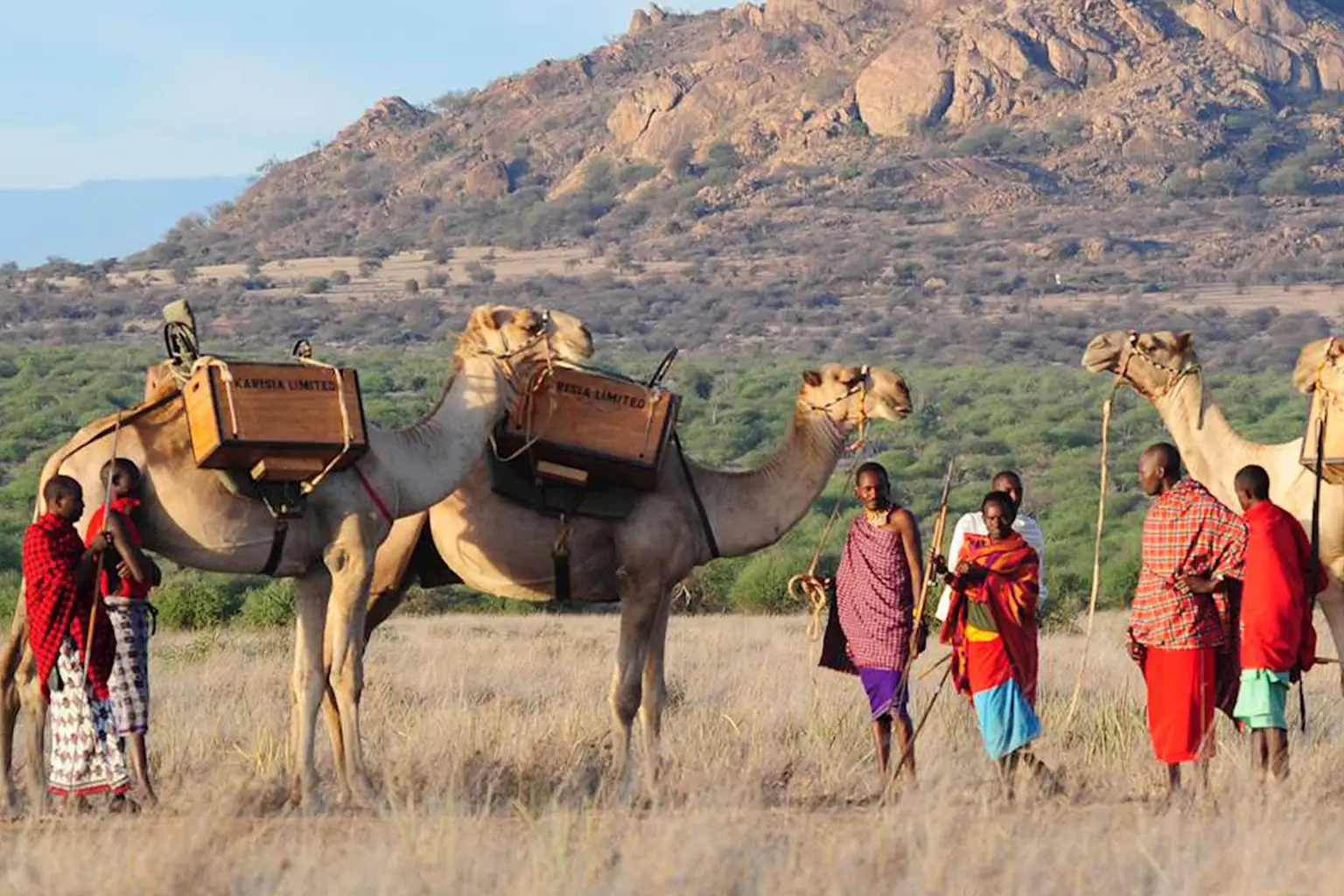
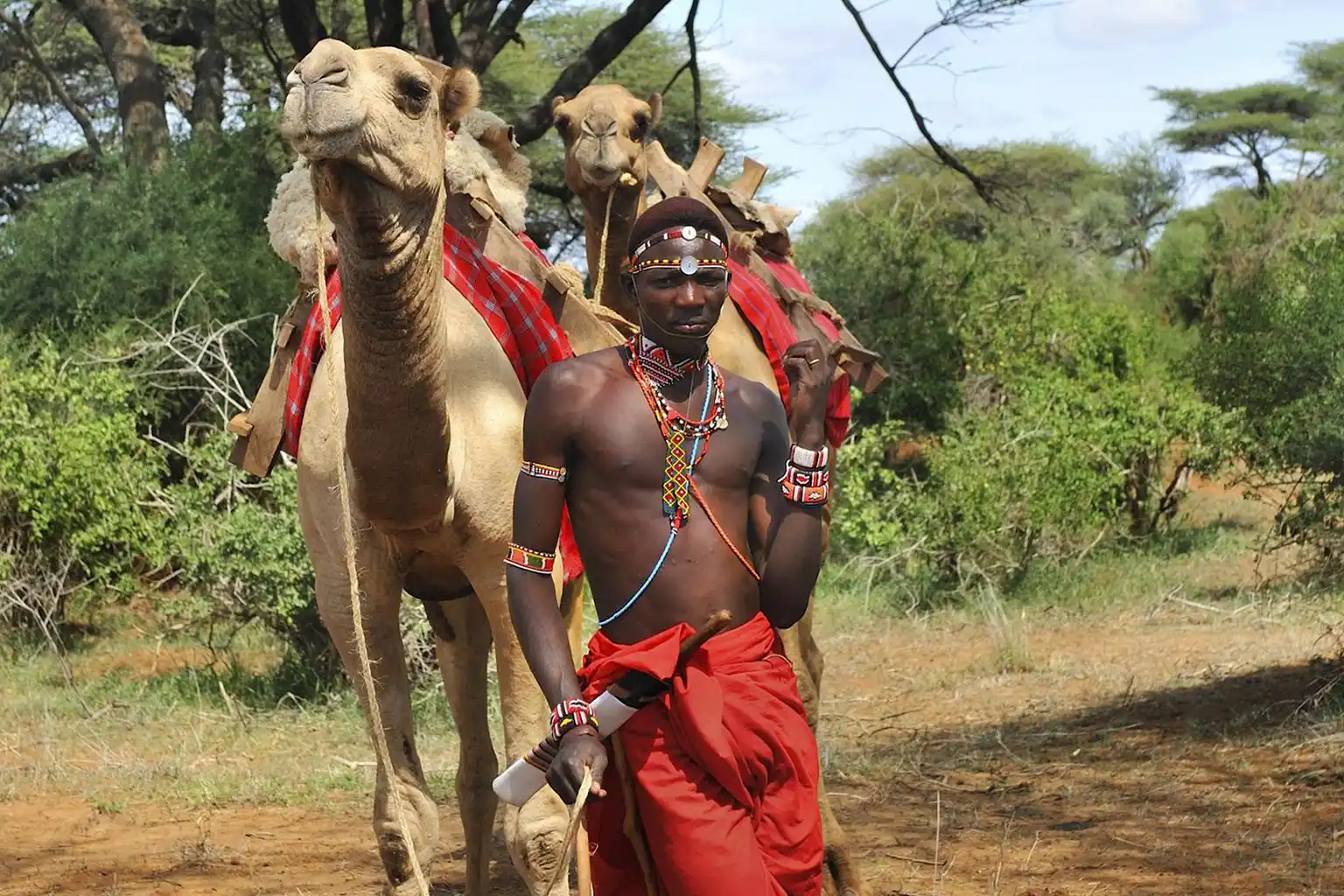
Across both frames, camel safaris feel grounded in tradition. One scene stretches across a mountain-edge plain, and the other moves closer to a guide leading the caravan onward.
Multi-Day Camel Ride Safari Experiences
A multi-day camel ride safari starts to feel deeper once you stay for more than a day. The route gives more time to settle. You are not watching the clock, and the landscape begins to feel less like a sightseeing stop and more like a place you are moving through properly.
What multi-day trips usually include
Multi-Day Riding
Riding time is spread across two or three days for a relaxed pace
Bush Camp Setup
Includes bush meals and a simple mobile camping arrangement
Local Guide Support
Experienced local guides and crew assist throughout the journey
Wildlife Sightings
Spot zebra, antelope, giraffe, and a variety of birdlife along the route
Camp Evenings
Enjoy relaxed evenings around camp instead of returning quickly to town
Bush Camel Safari (2 days/1night)
This is a short but intense adventure. You will start from Mkuru Caml Camp and pass by a baboon cave and plains towards Mount Longido, where you can see zebra and antelope. At night, you will eat by a bonfire and sleep in the bush. You will be back at base camp in the afternoon of your second day. Then drive back to Arusha
Mkuru Camel Camp to Longido village (3-day/2-night)
Over three days, you will pass through the plains surrounding Mount Meru, where the landscape becomes wild. With Mount Longido as your guide, you can come across different kinds of antelope, zebra, giraffe, ostriches and many birds. After a cup of coffee at Mkuru Camel Camp, your luggage is packed on the camels and your safari starts.
Who Should Try a Camel Safari in Tanzania
A Tanzania Safari Experience like this suits travelers who do not need constant movement to enjoy a trip. It is good for people who like the outdoors, do not mind a bit of dust, and enjoy culture as much as scenery.
Usually a good fit for
Less suitable for
Slow Travelers
Ideal for those who prefer a relaxed and unhurried travel pace
Couples
Well-suited for couples seeking a shared and immersive experience
Photographers
Great for capturing landscapes, wildlife, and local life
Repeat Tanzania Visitors
Perfect for travelers returning to explore beyond the usual safari routes
Local Culture Enthusiasts
Appeals to those interested in daily life and community interactions
Active Travelers
Best for people comfortable with light outdoor activity
Game-Only Focus Travelers
Not ideal for those who only want big game viewing experiences
Full Comfort Seekers
May not suit guests expecting full lodge comfort throughout the day
Low Activity Preference
Not suitable for anyone uncomfortable with walking, dust, or bush conditions
It is especially good for travelers who have already done a regular wildlife safari and want to see a different side of northern Tanzania. It also works well for couples who want something quieter and more personal than another vehicle-based day.
What to Wear and Pack for a Camel Ride Safari
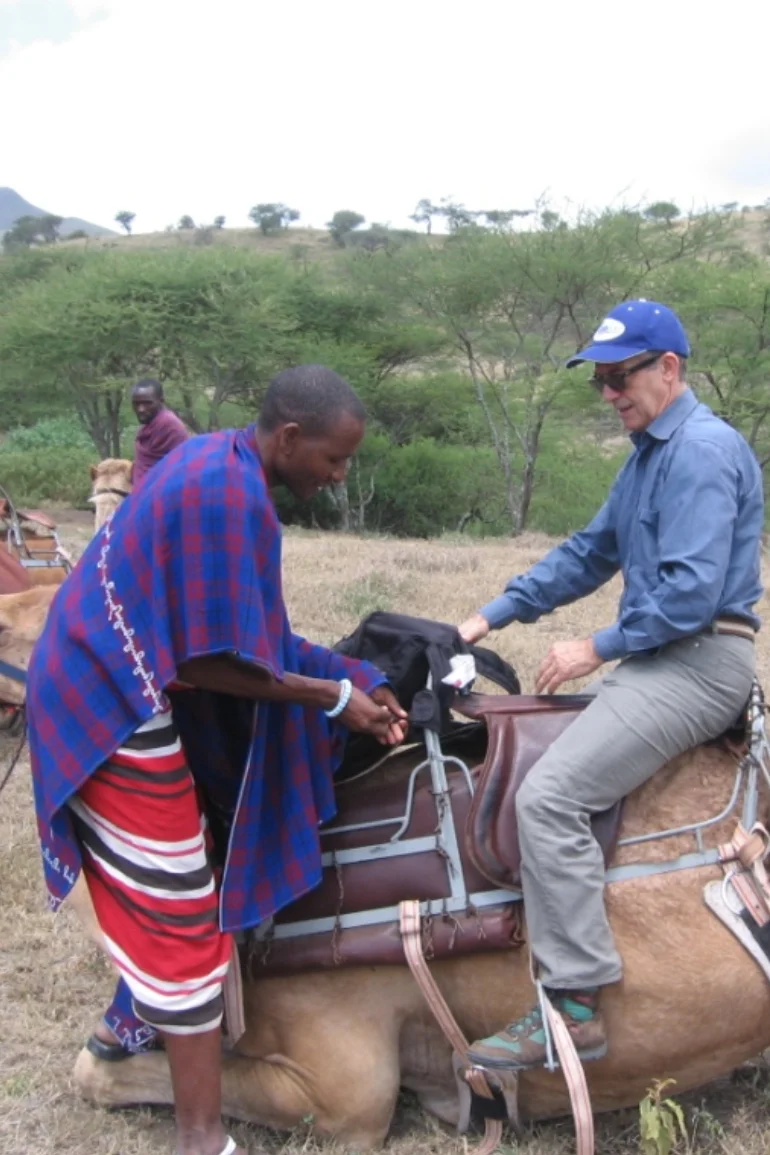
For a camel-ride safari, pack long trousers, a light, long-sleeved top, and closed-toe walking shoes. A hat helps a lot. Layers also help, especially if you are starting early or staying out overnight, because mornings and evenings can feel cooler than people expect.
Useful things to pack
Walking Shoes
Comfortable shoes suitable for walking and uneven terrain
Long Trousers
Long trousers provide better comfort during camel riding
Light Layers
Wear light layers to adjust to changing temperatures
Sun Protection
Carry a hat and sunscreen for protection from the sun
Water Bottle
Carry a refillable bottle to stay hydrated during the trip
Day Bag
A small bag helps keep essentials organized and accessible
Camera & Power Bank
Bring a camera or phone with backup power for longer outings
Basic Toiletries
Pack simple toiletries if your trip includes overnight stays
For longer routes, keep luggage practical and soft-sided if possible. That makes camp movement easier.
Your Tanzania Safari Packing List for a camel ride should stay simple. The main goal is comfort. You will want clothes that protect you from the sun, dust, and light bush contact, but still feel easy to move in.
Best Time to Plan a Camel Safari in Tanzania
The Best Time To Visit Tanzania for a camel-ride safari is during the dry season, from June to October. These periods are comfortable for camel riding and walking as the tracks are firmer and the day feels simpler to manage.
January and February can also work well in many areas. During wetter periods, the landscape can look fresh and beautiful, but walking and riding may feel muddier in some places.
A quick look at Tanzania Weather before booking helps a lot, especially if you are combining this with park safaris.
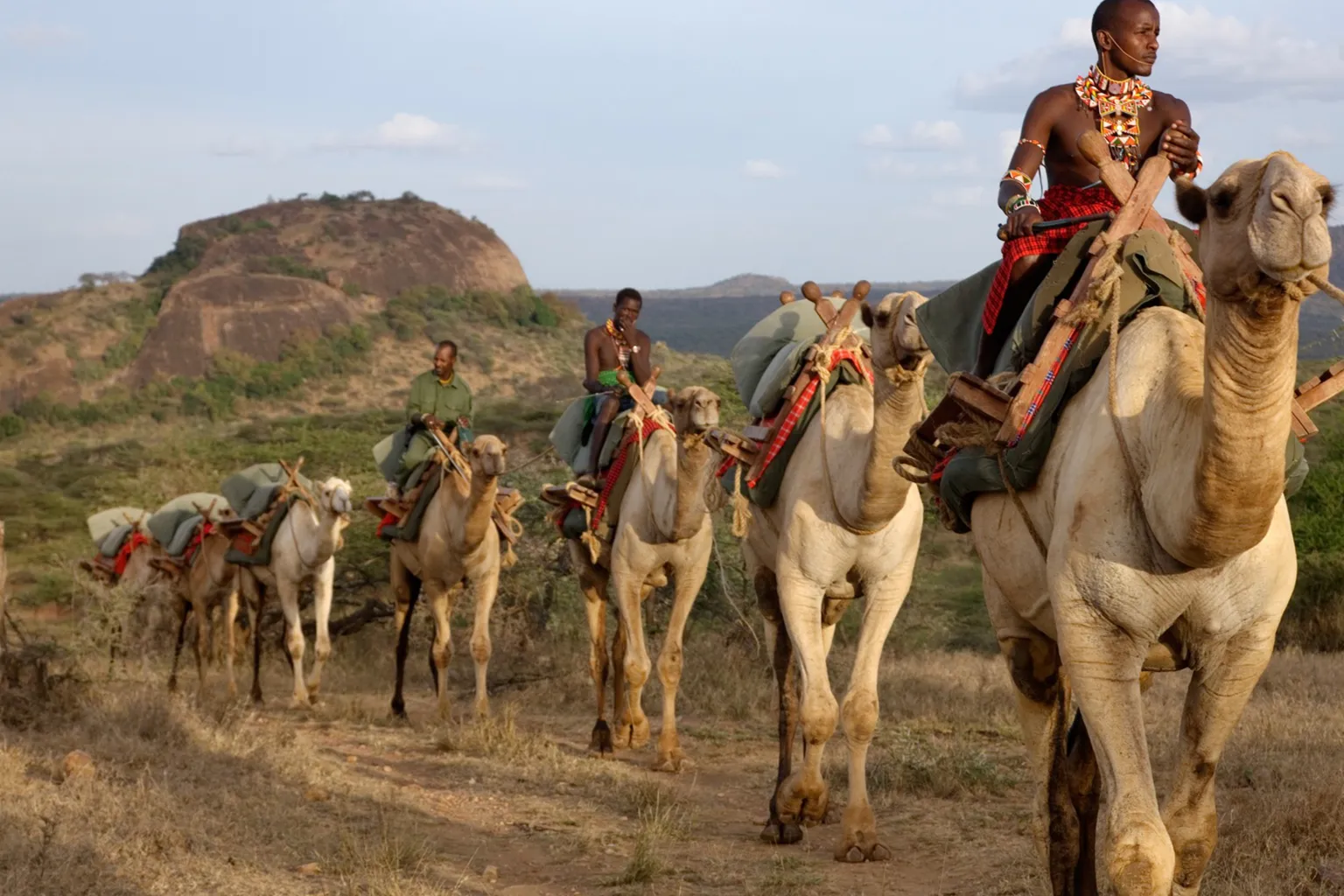
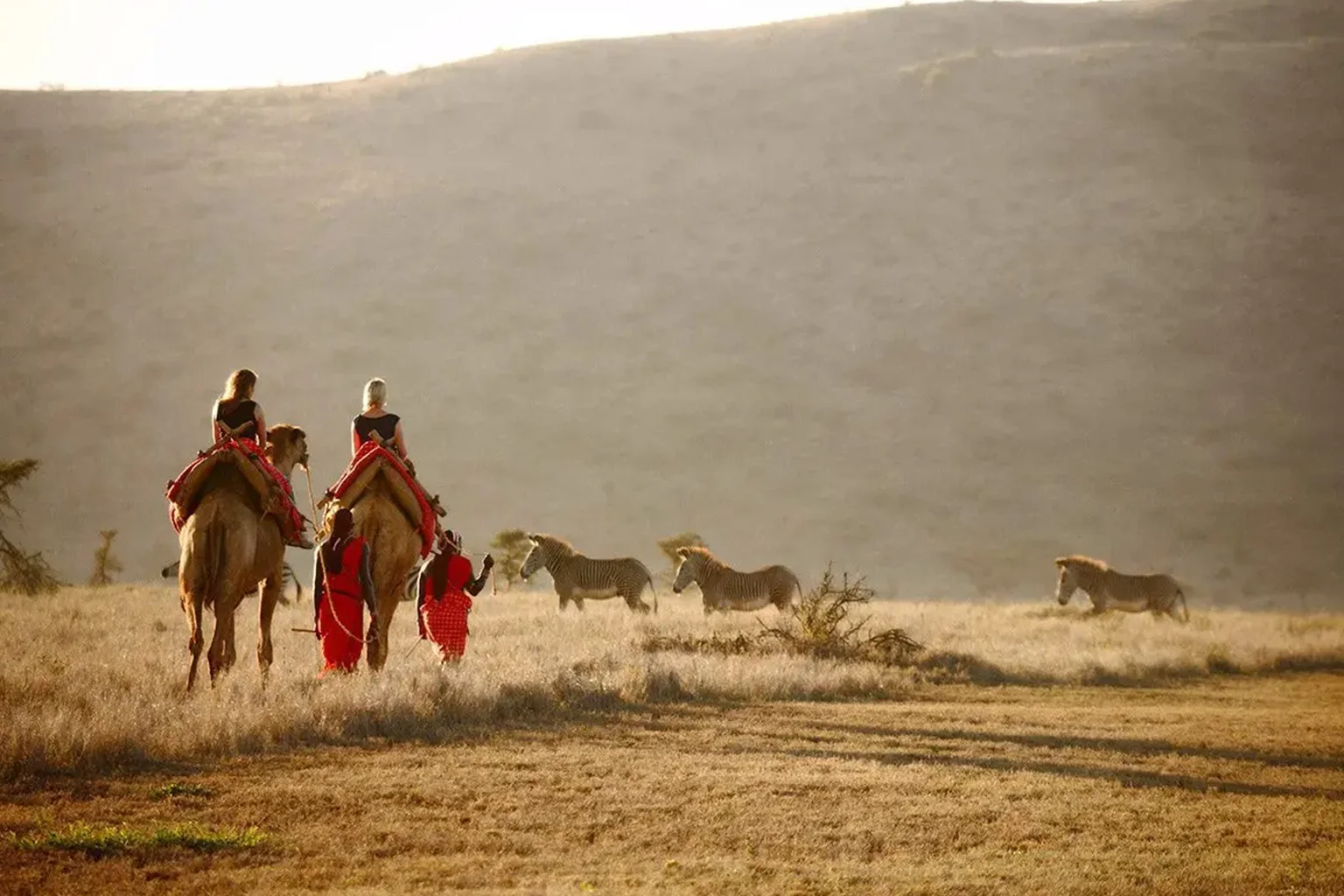
From rugged trail to open plain, the journey feels cinematic: the left side follows a camel caravan through rocky country, while the right side captures riders crossing grassland beside zebras.
How much does a Tanzania Camel Ride Safari Cost?
A Camel Ride Safari in Tanzania can start from around US$75 per person for a simple one-day trip. From there, the price goes up depending on how the experience is put together.
A longer route costs more than a short outing. And once you add overnight camping, bush meals, a support crew, and extra cultural stops, the cost naturally goes up.
Experience a Different Kind of Safari in Tanzania
Camel-ride safaris offer a side of Tanzania that feels slower, quieter, and more personal. You get landscape, culture, conversation, and movement all in one experience. It is a strong choice for travelers who want more than a fast drive through the bush.
At Bestday Safaris, we can plan this as a short, standalone outing or build it into a wider Tanzania Safari that includes the four northern parks, based on your time, travel style, and budget. If you want a trip that feels a little different from the usual route, ask us for a custom plan built around your dates and the kind of experience you actually want.
Take a Camel Ride into Tanzania’s Cultural Side!
Traveling in Tanzania is one of the best decisions you can make because it offers a wide range of experiences. You see wildlife, move through very different landscapes, come closer to local culture, and experience things that do not all feel the same. And that is really what stays with people for years to come.

Founder & Director, Bestday Safaris