Traveling in Tanzania’s Rainy Season: Pros, Cons, and Real Expectations
Do you know that classic, dusty safari picture? Let’s set it aside for a moment. There’s another Tanzania, one that feels alive in a whole different way.
Tanzania Rainy Season Travel
Traveling in Tanzania’s Rainy Season: Pros, Cons, and Real Expectations
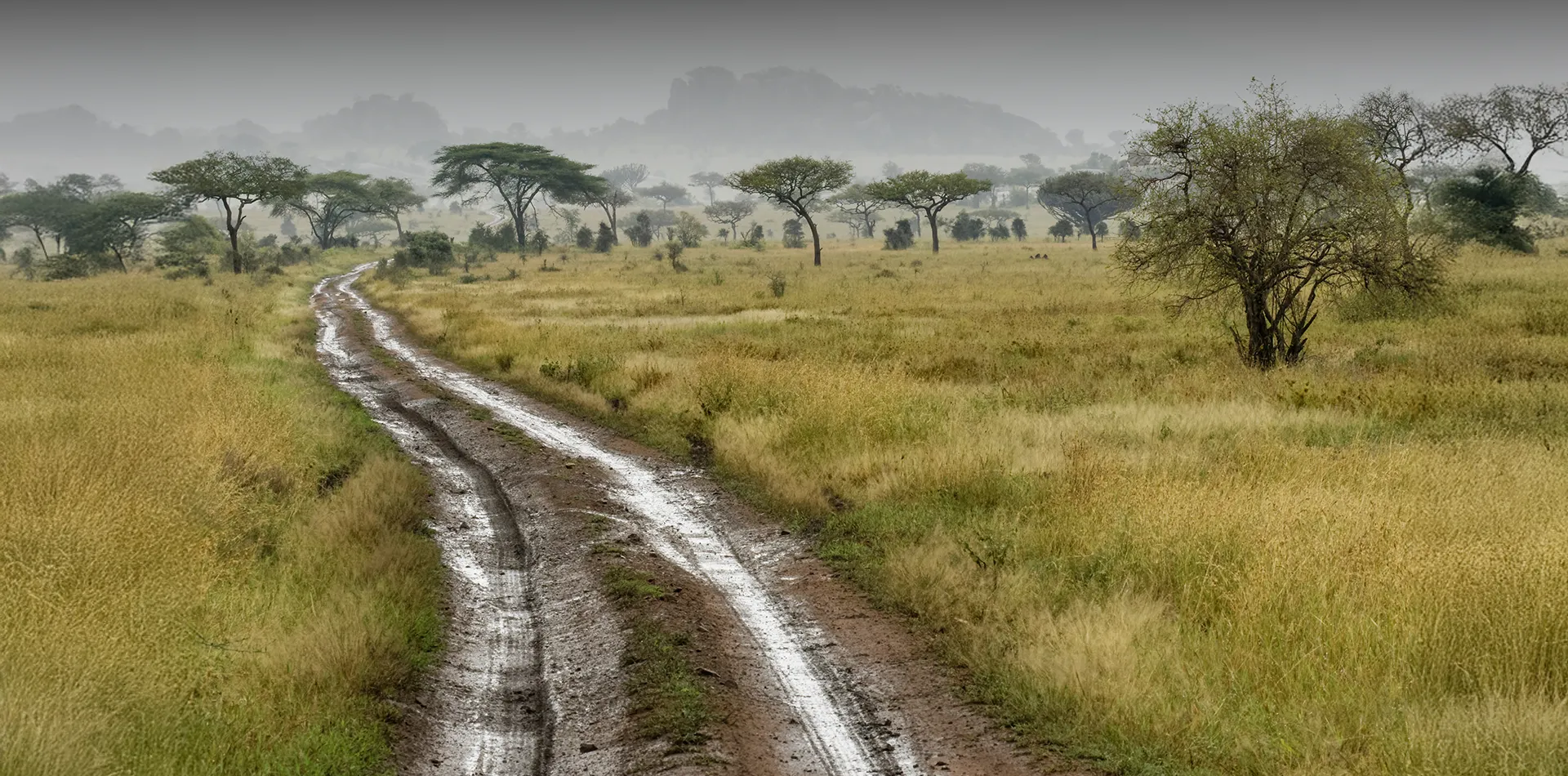
Do you know that classic, dusty safari picture? Let’s set it aside for a moment. There’s another Tanzania, one that feels alive in a whole different way. The time when the stormy skies clear into sunshine. The air carries the fresh, clean scent of rain on the soil, and the landscape comes alive with green grass. This is the Tanzania Rainy Season.
Many travelers think that constant, boring rain stops all fun. But this common fear is often not the real experience in Tanzania’s varied lands. Often, the Tanzania Rainy Season brings strong, short storms followed by bright sunshine, making everything feel fresh and new.
This guide will explain this time of year for you. You can then confidently plan a trip that many others miss. In fact, traveling during this beautiful, quieter time gives you special rewards for your Tanzania Safari.
Understanding Tanzania’s Rainy Season: Short Rains vs Long Rains
Planning your Tanzania Travel in these months works best when you know the two main rainfall patterns.
The Short Rains (Vuli): November – December
This time is a soft start to the wet weather.
- Showers: Expect light, passing showers, often at night.
- Photography: These short rains make the landscape incredibly green, perfect for photos.
- Temperatures: The air stays quite warm and pleasant.
The Long Rains (Masika): March – May
This second period has stronger weather changes and needs more flexible planning.
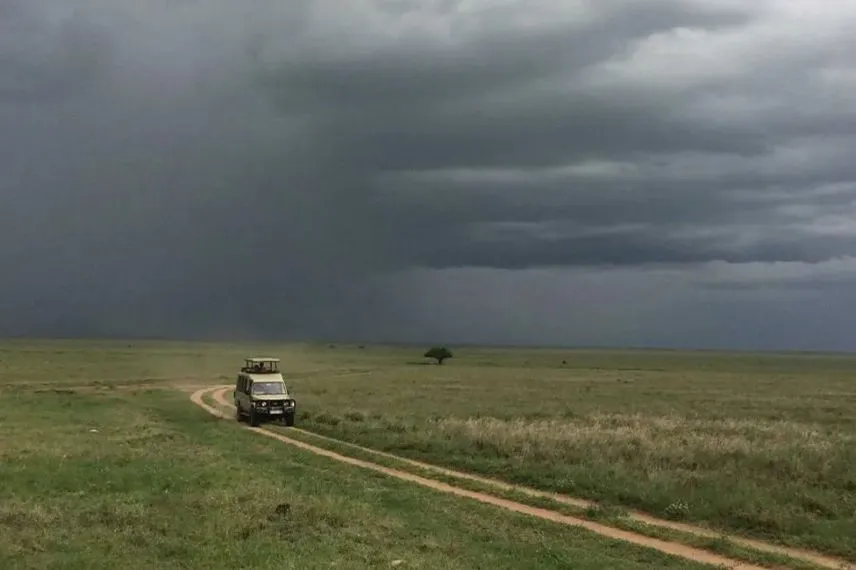
- Rainfall: Be ready for longer periods of steady rain, especially in April. This can slow travel a lot.
- Camps: Some remote camps plan a seasonal break and close at this time.
- Logistics: Travel gets harder. Dirt roads can turn into deep mud, requiring careful route planning.
Pros of Traveling in Tanzania’s Rainy Season
When you schedule your trip during the rainy season, you can also benefit. This creates a better Tanzania Safari Experience for those who see past the dry-season talk.
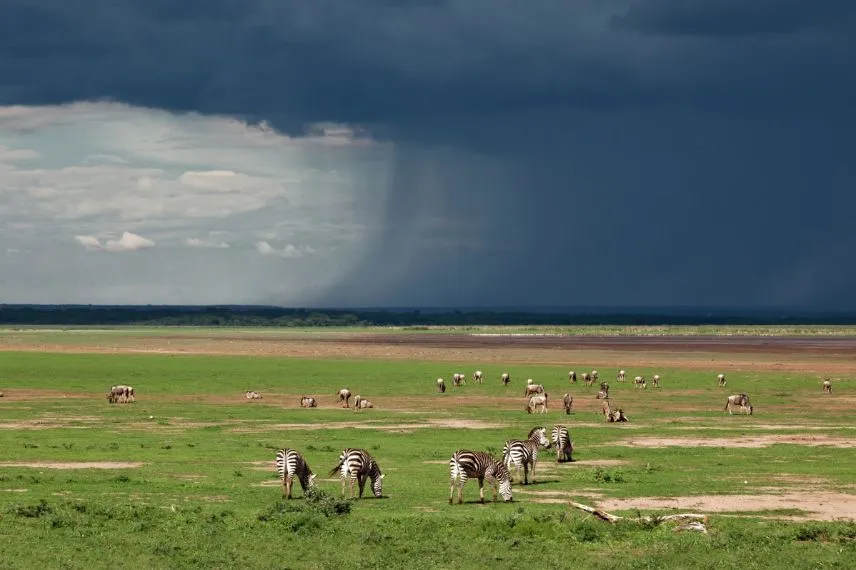
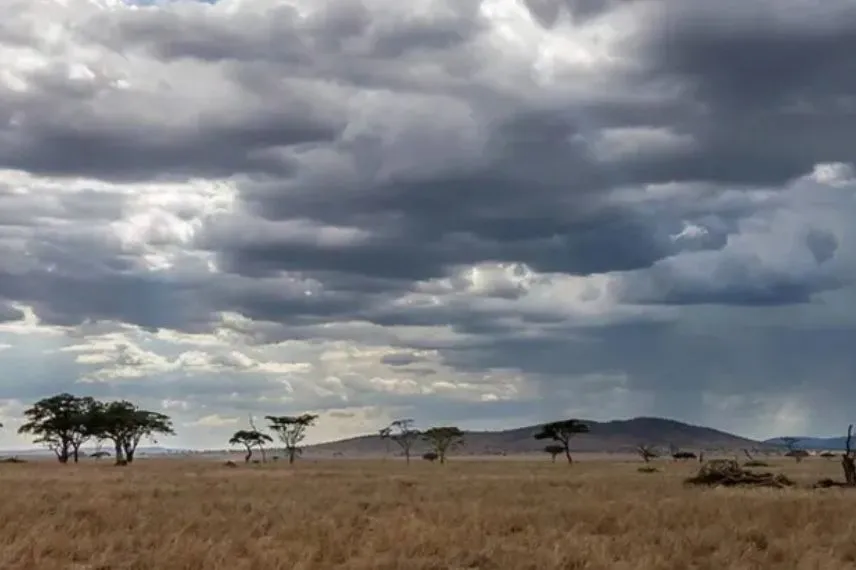
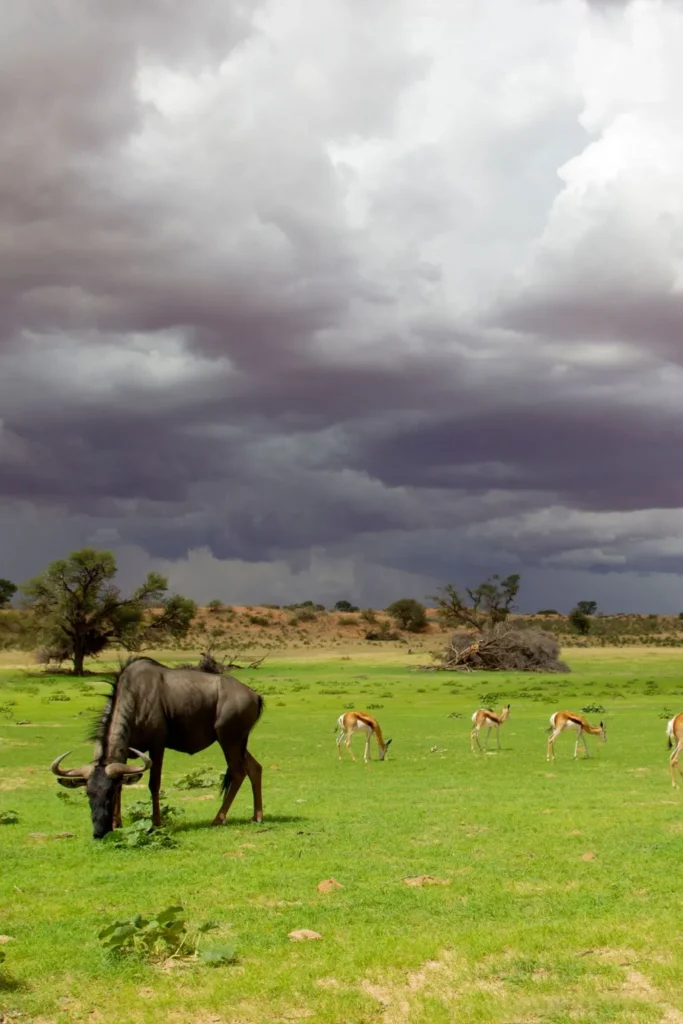
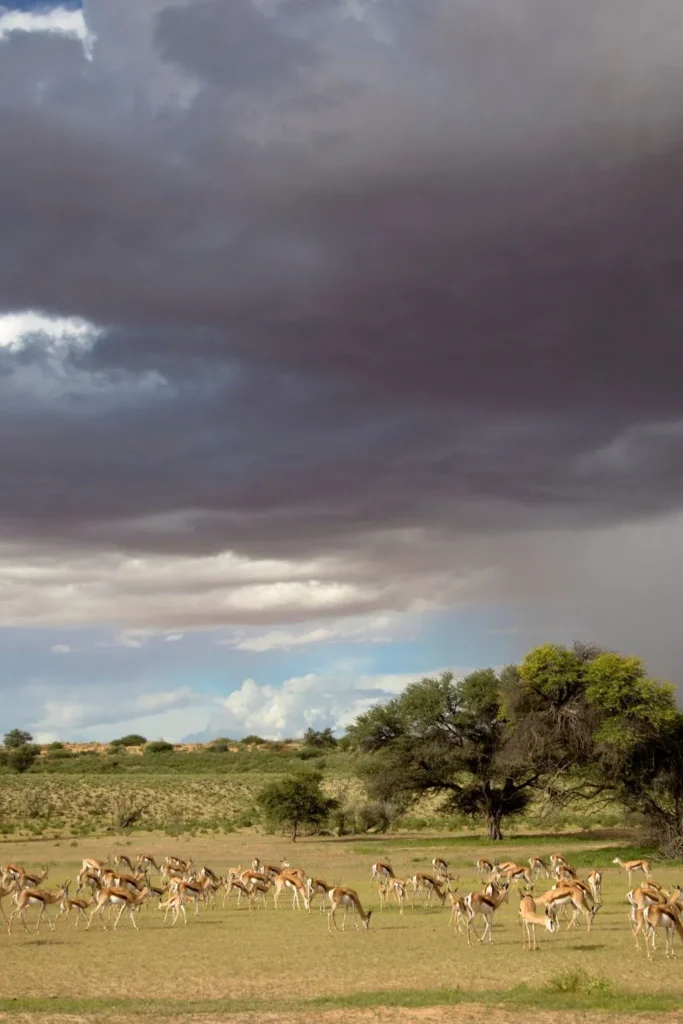
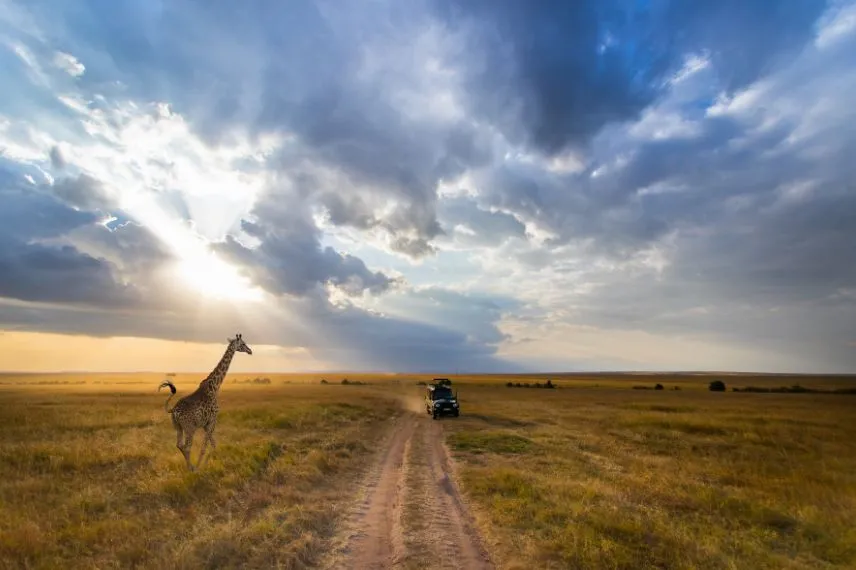
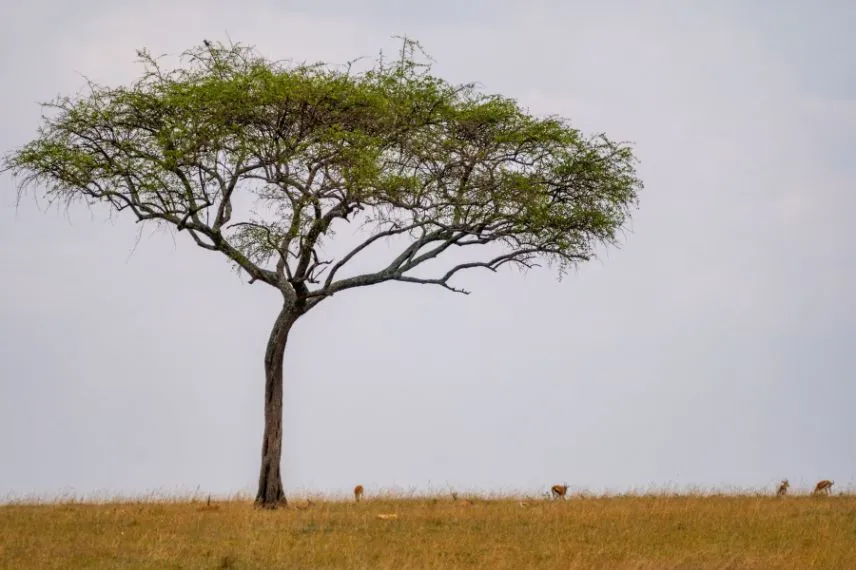
- Lush Scenery & Dramatic Skies: The whole country changes. The land turns a vibrant green that the dry season cannot show. Also, the sun shining through dark clouds makes the sky look dramatic, perfect for landscape photos.
- Fewer Crowds: Fewer tourists choose the rainy season. This means a quieter park visit where you can have more personal time watching wildlife. You get more space as the national parks are not crowded.
- Better Prices: Because fewer people visit, Bestday Safaris often has lower seasonal prices. This can mean better accommodations or more luxurious Tanzania Wildlife Safari Packages for the same price you’d pay during busy times.
- Birding Peak Season: The extra water and new plants support many insects, which attract lots of migrating birds. This makes the Tanzania Green Season the best time for serious birdwatchers.
- Clear Air After Rainfall: After a rain shower, the air feels clean. Dust is gone, and you can see much farther, especially in high places like the Ngorongoro Crater Safari area, giving you sharp, clear views.
After considering the benefits, let’s examine the disadvantages of going on a safari in Tanzania during the rainy season.
Cons of Traveling in Tanzania’s Rainy Season
We must be realistic: the rain causes significant travel challenges, so you need to plan your visit to Tanzania during the rainy season. These problems include:
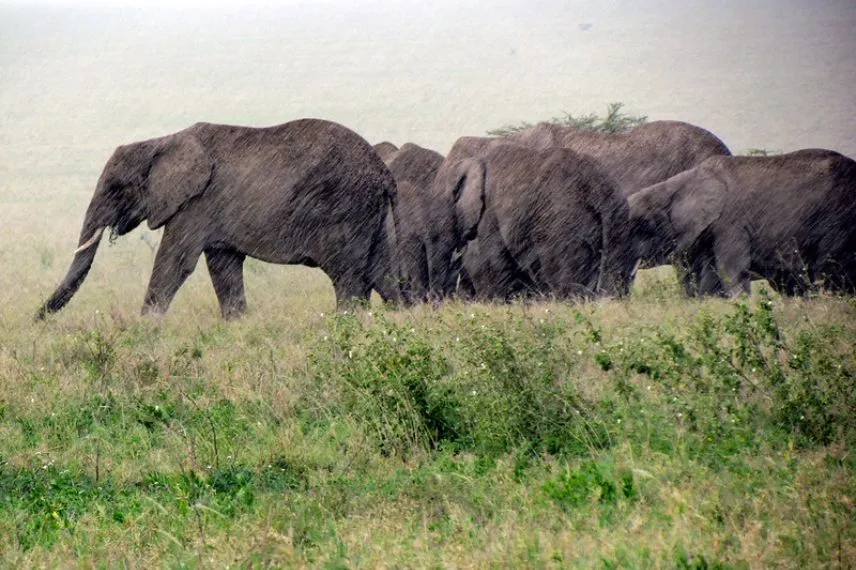
- Muddy Roads & Delays: This is the main worry. Dirt tracks become slippery quickly, causing vehicles to slide and travel times to increase. Sometimes, some roads cannot be used until they dry.
- Taller Grass & Thick Plants: While the scenery is green, high grass can hide animals. Finding predators or shy animals needs slower driving and more careful looking with your guide.
- Lodge Closures During Long Rains: Your choices may be very limited, mostly in the far southern parks. Many Tanzania Safari Tour Operators close not because of rain, but because getting there and comfort levels get too low.
- Camera & Gear Protection Needed: Constant wet air means you must carefully protect your camera lenses and bodies. You need to keep your gear dry throughout the trip.
- More Mosquitoes: Still water raises the number of mosquitoes. So, while guarding against malaria is always needed, you must be extra careful using repellent during the Tanzania Wet Season Travel months.
Though there are demerits of travelling to Tanzania Destinations during rains, with the right kind of planning and getting proper assistance from your Tanzania Tour Operator, you can travel to Tanzania during these months and enjoy the scenic views to the fullest.
Wildlife Expectations in the Rainy Season
Wildlife behavior changes with the water, leading to different sightings through the year.
During Short Rains (Nov – Dec):
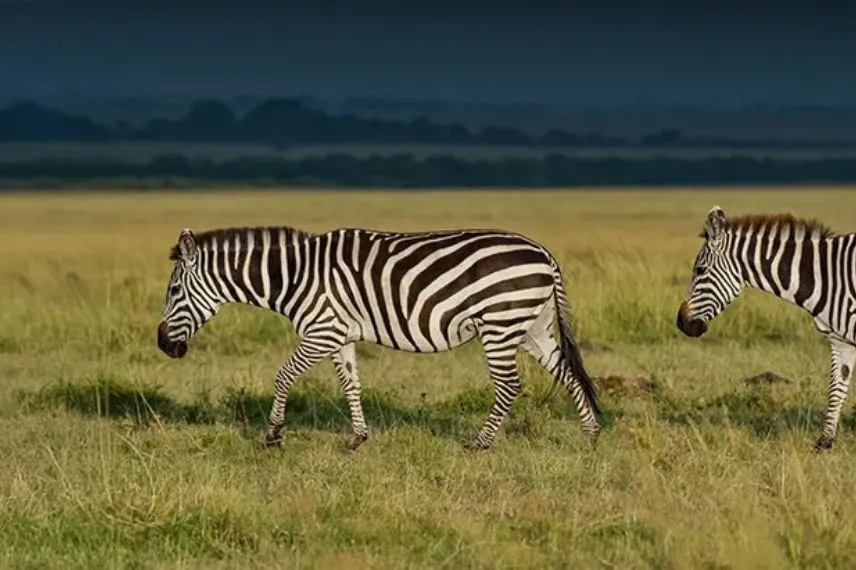
The quick growth of food draws big groups of grazing animals like wildebeest and zebra. Because of this, predators hunt well and stay active. Also, the Great Migration often starts moving south across the southern Serengeti around this time.
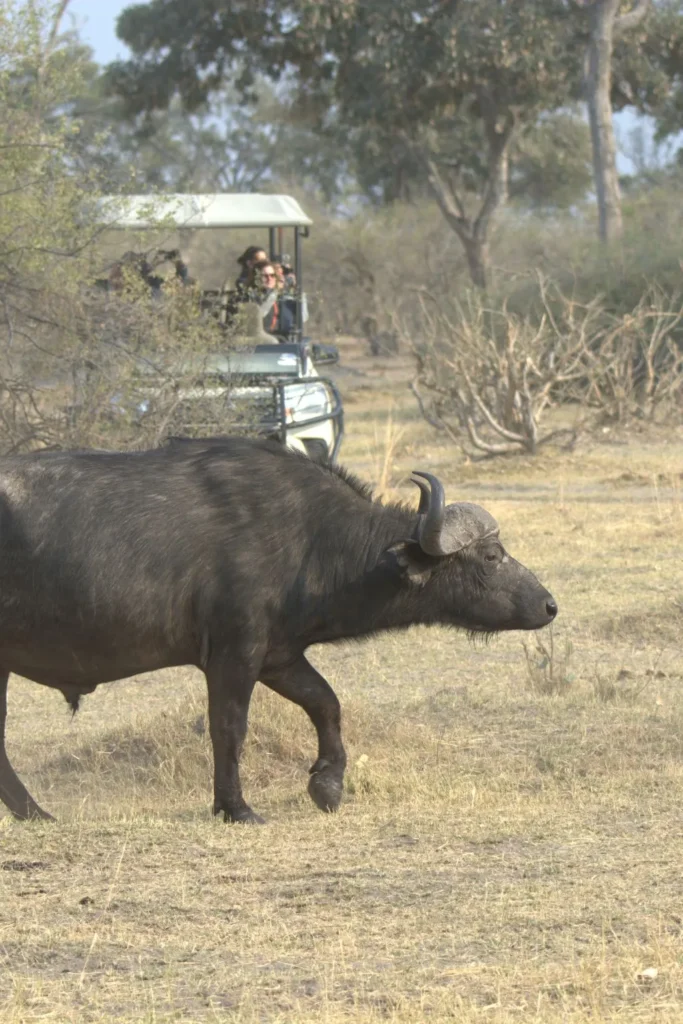
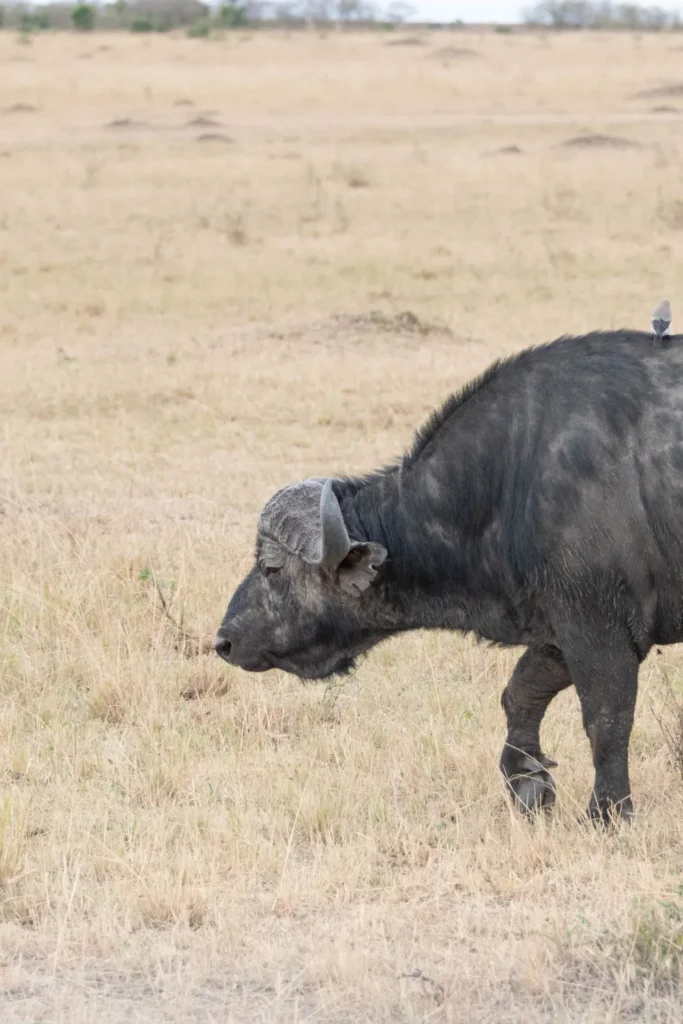
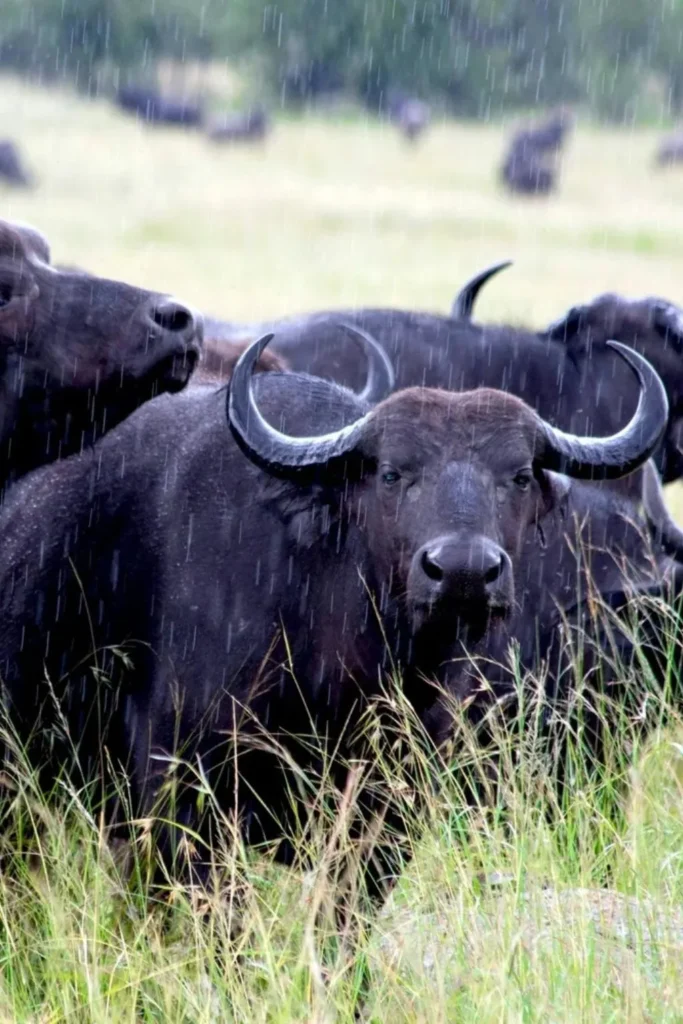
During Long Rains (Mar – May):
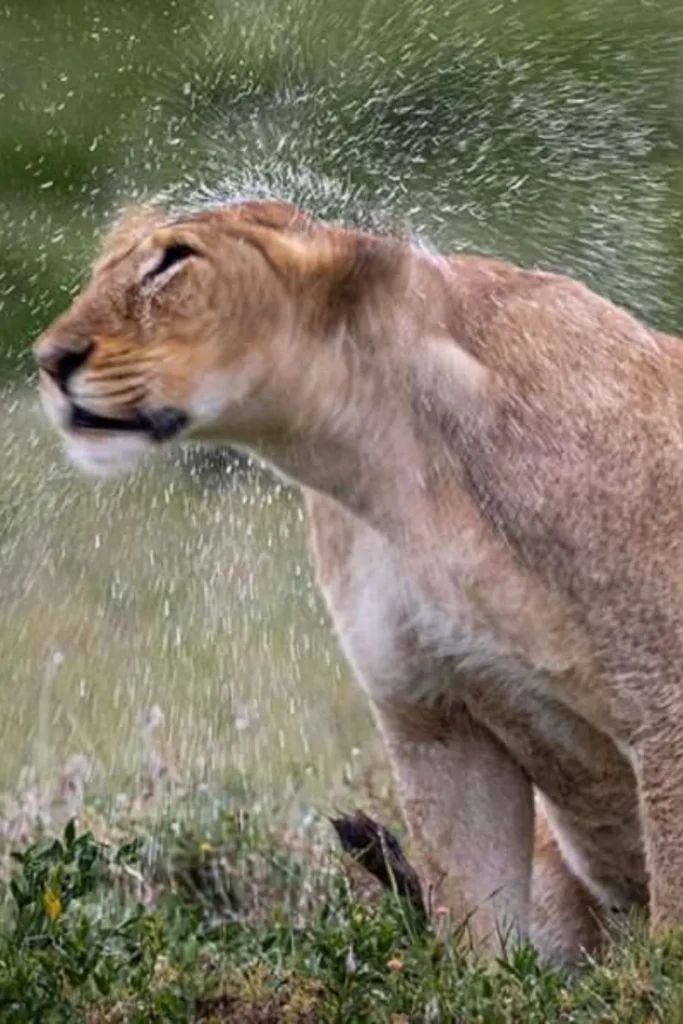
With water everywhere, animals spread out into smaller groups. This spreading makes finding specific herds harder, as they are not bunched together. So, tracking active predators can take more time now.
Best Places to Visit in Tanzania During the Rainy Season
Some areas handle the travel problems better and still give great views and good animal watching, making them the best choice for a Tanzania Rainy Season Travel plan.
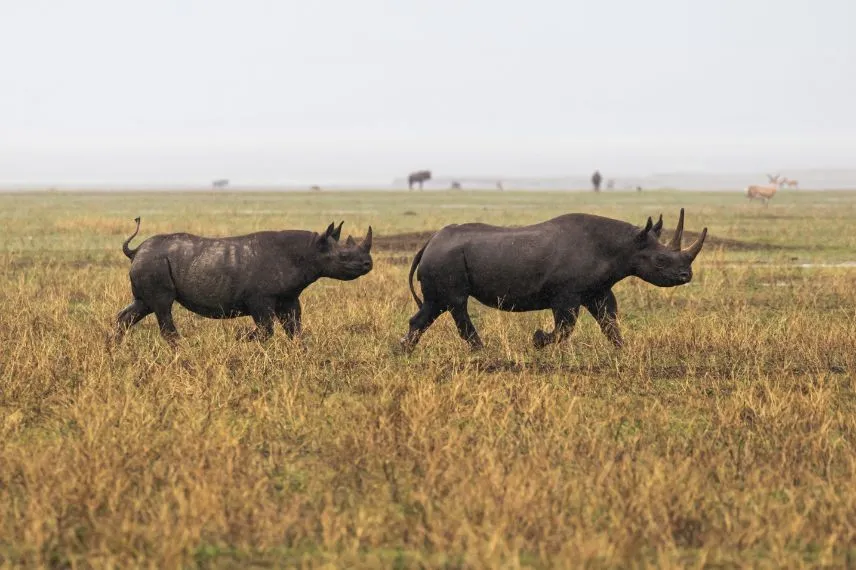
Ngorongoro Crater
The crater floor is mostly untouched by rain because the animals usually stay inside. While the rim can be cloudy, the view down below is excellent.
Travel Expectation: The crater floor visit stays high quality.
Central Serengeti
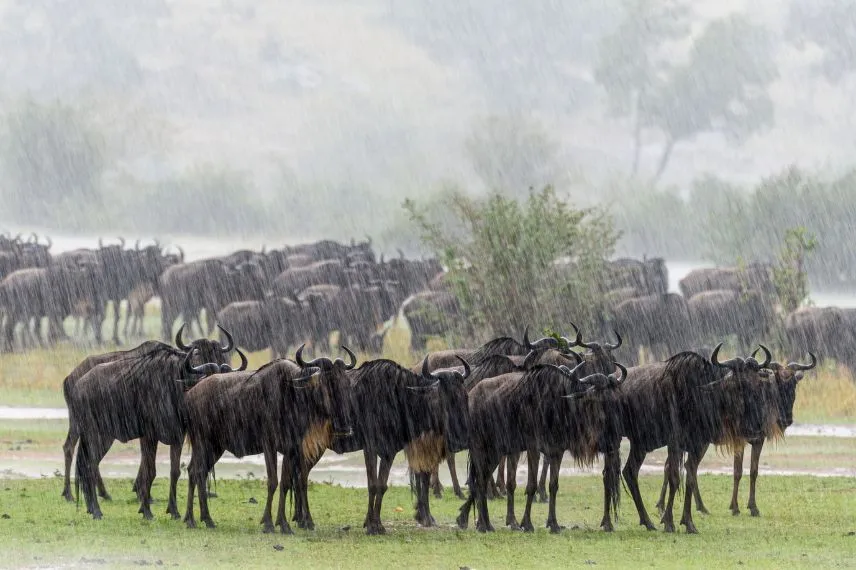
This area has great animal populations all year. You can reliably find elephants and big cats, even with tall grass.
Travel Expectation: Excellent for seeing animals that live here year-round.
Tarangire (Short Rains Only)
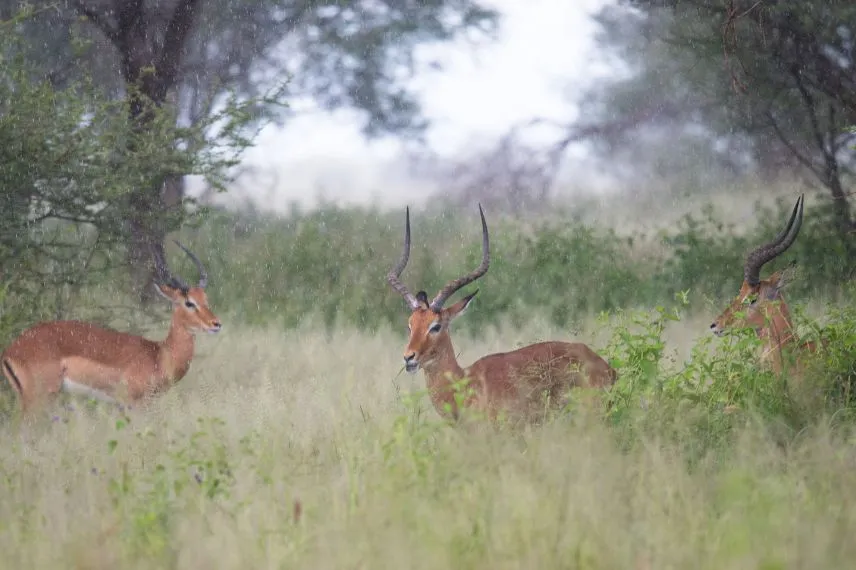
In November and December, elephants walk among the new green leaves, creating magical photo moments against a green background.
Travel Expectation: Do not plan to go deep into here during the Long Rains due to bad roads.
Nyerere National Park
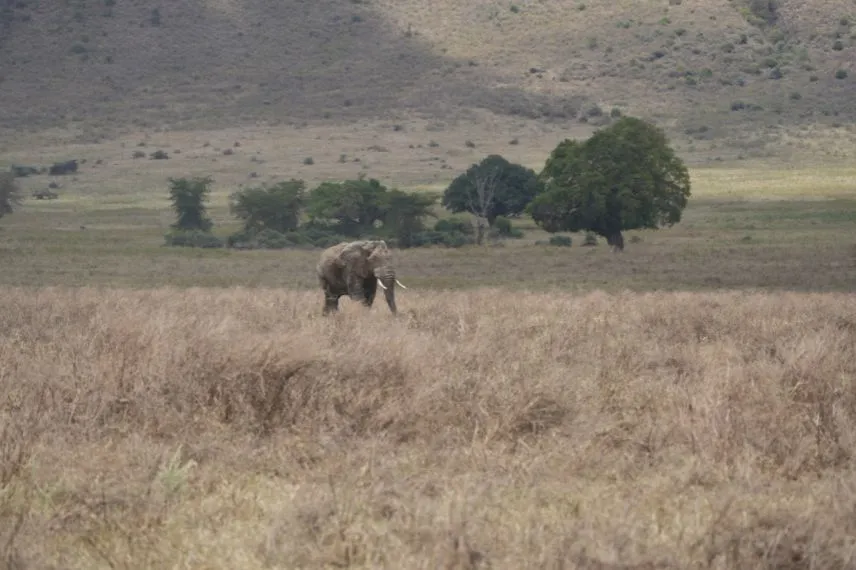
Although it is harder to reach, the reward is amazing, quiet, and stunning green views you won’t see other times. This park is for the adventurous traveler.
Travel Expectation: Needs specific, strong tour plans.
Zanzibar Coast
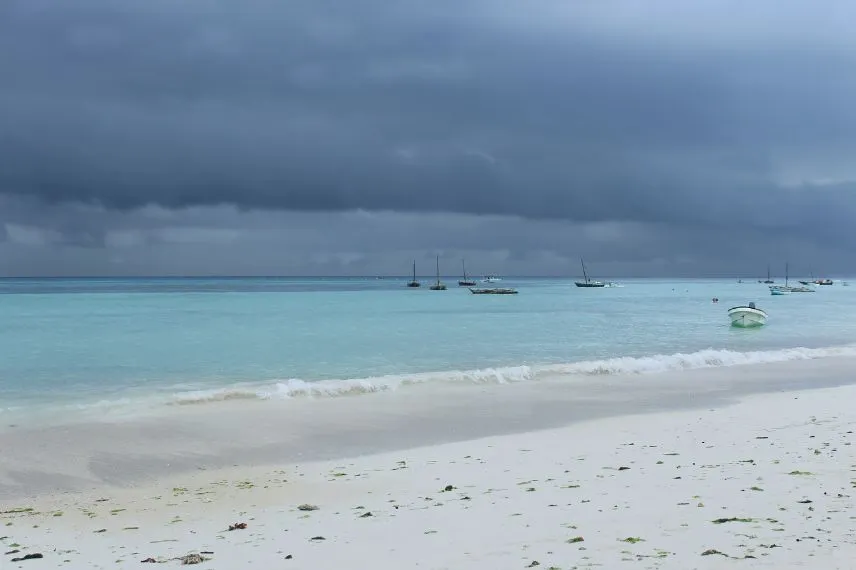
The islands stay warm. While rain showers happen, they usually pass quickly, leaving lots of sun for the beach.
Travel Expectation: Expect warm weather with occasional heavy tropical rain.
Practical Tips for Travelers Considering the Rainy Season
Smart packing and flexible plans decide how much you enjoy your Tanzania Safari.
Packing & Gear
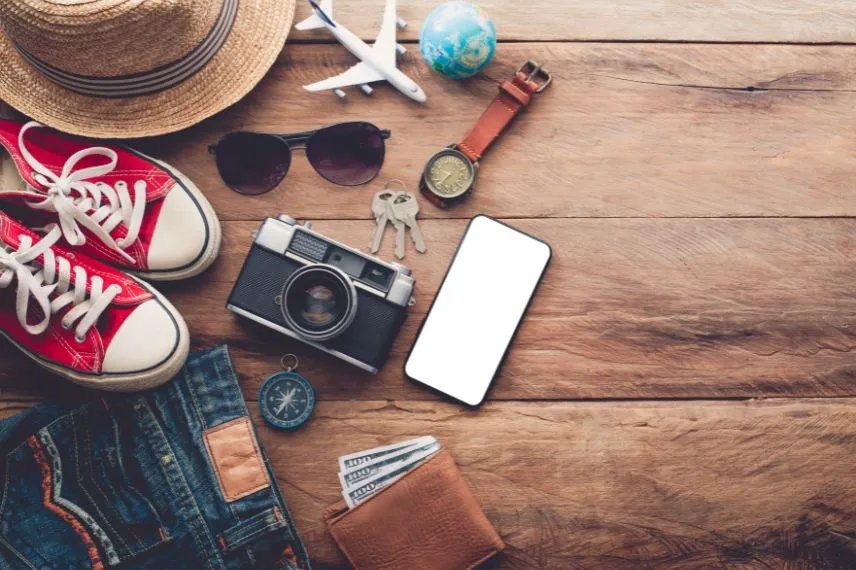
Check your Tanzania Safari Packing List for light rain jackets and pants. Bring several dry bags; they are your best friend against the wet air. Also, think about waterproofing first. Strong waterproof hiking shoes are a must for walks or muddy spots.
Health & Safety
Always follow malaria prevention steps carefully, as still water means more insects. Trust your guide completely on road conditions; they know Tanzania Travel Safety details on wet roads better than anyone.
Budget Considerations
Enjoy the lower prices! You can often find better deals on Tanzania Tour Packages. Think about how this lower Tanzania Safari Cost lets you spend more on a special guide or a more extended stay.
What To Do In Tanzania (Cultural Focus)
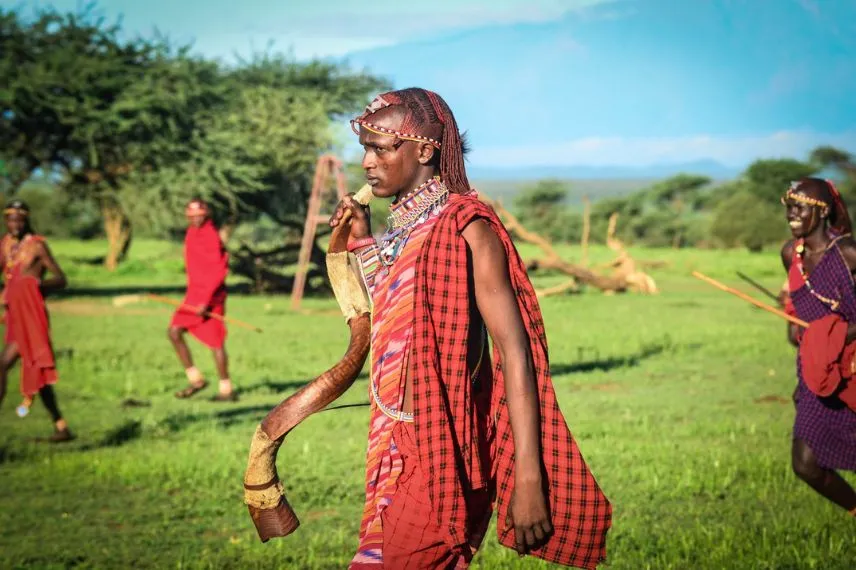
Use the time of heavy rain wisely. Visit museums or spend more time with local people. This gives you richer Tanzania Cultural Tourism experiences and a taste of Tanzania Food beyond the lodge meals.
Logistics
Be flexible. Always think that travel will take longer than planned. If your schedule is tight, you might get upset; so, add extra time to your plans.
Who Should Consider Traveling During the Rainy Season – and Who Shouldn’t?
Your choice depends on your primary goals for Travel in Tanzania.
Great for:
- Photographers: You get unmatched mood and landscape color.
- Budget Travelers: The lower Cost Of The Tanzania Safari is a big plus.
- Birdwatchers: Bird activity is at its highest now.
- Repeat Safari-Goers: It gives a fresh, new look at parks you know.
Not ideal for:
- First-Time Safari Travelers: If your only goal is to quickly see lots of Big Five animals, the dry season is better for you now.
- Travelers with Tight Schedules: Delays are very possible, and you must be okay with that.
Is Tanzania’s Rainy Season Right for You?
In short, the Tanzania Rainy Season offers a stunning, often wrongly judged, and profoundly satisfying trip. It is not a problem; it is simply a different, greener, and quieter side of Tanzania.
Start Planning Your Tanzania Rainy Season Safari
If you wonder if the rainy season fits your travel style, Bestday Safaris can help plan your route, pick the right camps, and tell you what each month is really like.

Plan a Trip to Tanzania
We offer different tour types. You can also chat with a local travel specialist if you want a customized tour to Tanzania.


Recommended by