Common Swahili Words and Phrases for Travellers
Learning a few Common Swahili Words and Phrases is one of the easiest ways to connect with local people of Tanzania and enrich your travel experience.
Common Swahili Words and Phrases for Travellers
Learning a few Common Swahili Words and Phrases is one of the easiest ways to connect with local people of Tanzania and enrich your travel experience. Swahili, or Kiswahili, is Tanzania’s national language and is spoken by millions across East Africa.
While many people working in tourism speak English, using simple Swahili greetings and expressions shows respect for local culture and often leads to warmer interactions. Whether you’re exploring the Serengeti, visiting Ngorongoro Crater, shopping in local markets, or relaxing at your safari lodge, these practical Swahili phrases will help you travel with confidence.
Q: Why should travelers learn common Swahili words and phrases before visiting Tanzania?
A: Learning common Swahili words and phrases helps travelers connect with local people, communicate more easily, and experience Tanzania’s culture more deeply. Simple words like “Jambo,” “Asante,” and “Karibu” can make interactions with safari guides, hotel staff, restaurant teams, and communities more welcoming.
Quick Facts: Kiswahili at a Glance
These facts will help you understand why Swahili is important in Tanzania.
| INFORMATION | DETAILS |
| Language Name | Kiswahili |
| Main Country | Tanzania |
| Useful Greeting | Jambo / Habari |
| Thank you. | Asante |
| Please | Tafadhali |
| Welcome! | Karibu |
| Safari Meaning | Journey / Expedition |
| Best Learning Method | Practise daily with local guides and lodge staff. |
The fastest way to learn Swahili is by practicing common greetings.
Basic Swahili Greetings
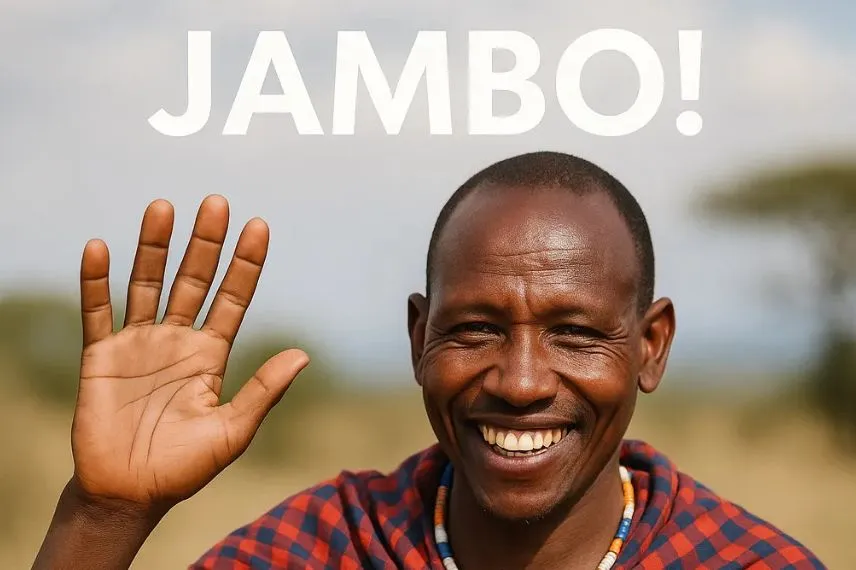
Greetings play an important role in any culture. Taking a while to greet someone in a new place helps start a friendly conversation.
| SWAHILI | ENGLISH MEANING | SIMPLE PRONUNCIATION |
| Jambo | Hello | JAHM-bo |
| Habari | How are you? / Hello. | hah-BAH-ree |
| Habari za asubuhi | Good morning. | hah-BAH-ree za ah-soo-BOO-hee |
| Habari za mchana | Good afternoon. | hah-BAH-ree za mm-CHAH-na |
| Habari za jioni | Good evening. | hah-BAH-ree za jee-OH-nee |
| Hujambo? | How are you? | hoo-JAHM-bo |
| Sijambo | I am fine | see-JAHM-bo |
| Karibu | Welcome! | kah-REE-boo |
| Kwaheri | Goodbye | kwah-HEH-ree |
| Tutaonana baadaye | See you later | too-tah-oh-NAH-na bah-ah-DAH-ye |
| Usiku mwema | Good night | oo-SEE-koo mweh-ma |
Knowing the greeting of a language is the first step in learning a new language. If someone greets you with Hujambo? Reply with “Sijabo.”
Polite and Everyday Expressions
These are some of the most useful Swahili Phrases for Travelers because you’ll use them throughout your trip.
| SWAHILI | ENGLISH MEANING | SIMPLE PRONUNCIATION |
| Tafadhali | Please | tah-fah-DAH-lee |
| Asante | Thank you | ah-SAHN-teh |
| Asante sana | Thank you very much | ah-SAHN-teh SAH-nah |
| Karibu | You’re welcome | kah-REE-boo |
| Samahani | Excuse me / Sorry | Sah-mah-HAH-nee |
| Pole | Sorry | POH-leh |
| Ndiyo | yes | NDEE-yoh |
| Hapana | No | hah-PAH-nah |
| Sawa | Okay | SAH-wah |
| Hakuna Matata | No problem | hah-koo-nah mah-tah-tah |
| Ninaelewa | I understand | nee-nah-eh-LEH-wah |
| Sielewi | I do not understand | see-eh-LEH-wee |
These Basic Swahili Words are ideal for everyday interactions during the safari with guides, hotel staff, shopkeepers, and fellow travelers.
Useful Swahili Phrases on Safari
A safari is one of the highlights of visiting Tanzania. Knowing a few Tanzania Safari phrases helps you communicate with your guide and enjoy wildlife viewing even more.
| SWAHILI | ENGLISH MEANING | SIMPLE PRONUNCIATION |
| Safari | Journey / Safari | Sah-FAH-ree |
| Wanyamapori | Wildlife | wah-nah-mah-POH-ree |
| Simba | Lion | SEEM-bah |
| Tembo | Elephant | TEM-boh |
| Twiga | Giraffe | TWEE-gah |
| Chui | Leopard | CHOO-ee |
| Duma | Cheetah | DOO-mah |
| Nyati | Buffalo | nyah-TEE |
| Kifaru | Rhino | kee-fah-ROO |
| Ndege | Bird | n-DEH-gay |
| Wanyama wako wapi? | Where are the animals? | wahn-yah-mah WAH-koh WAH-pee |
| Simama hapa, tafadhali | Stop here, please | see-MAH-mah HAH-pah tah-fah-DAH-lee |
| Tunaweza kupiga picha? | Can we take a photo? | too-nah-WEH-zah koo-PEE-gah PEE-cha |
| Huyo ni mnyama gani? | What animal is that? | HOO-yoh nee mm-NYAH-mah GAH-nee |
| Nzuri sana | Beautiful | n-ZOO-ree SAH-nah |
| Inashangaza | Amazing | ee-nah-shahn-GAH-zah |
If anyone asks, Huyo ni mnyama gani? You can reply to them with Ndege, Nyati, Twiga, etc.
Hotel and Accommodation Phrases
While staying in a lodge, camp, or tent, use these phrases to communicate with lodge staff for a good stay experience.
| SWAHILI | ENGLISH MEANING | SIMPLE PRONUNCIATION |
| Nina nafasi? | Do you have a room? | nee-nah nah-FAH-see |
| Ningependa chumba | I would like a room | neen-geh-PEN-dah CHOOM-bah |
| Nina nafasi ya kuhifadhi | I have a reservation | nee-nah nah-FAH-see yah koo-hah-FEE-thee |
| Ninaingia leo | I am checking in today | nee-nah-EEN-gee-ah LEH-oh |
| Maji tafadhali | Water, please | MAH-jee tah-fah-DAH-lee |
| Chakula | Meal / Food | chah-koo-lah |
| Taulo | Towel | tah-OO-loh |
| Wi-Fi iko wapi? | Where is the Wi-Fi? | wee-fye EE-koh WAH-pee |
| Maji ya moto | Hot water | MAH-jee yah MOH-toh |
| Naomba msaada | I need assistance | nah-OM-bah msa-AH-dah |
While on a Tanzania Safari, to book accommodation, ask Nina nafasi? If you already have a reservation, say, “Nina nafasi ya kuhifadhi.”
Restaurant and Food Phrases
During a Tanzanian Safari, you can find various food dishes. By knowing some food-related phrases, it will be helpful for you to order food.
| SWAHILI | ENGLISH MEANING | SIMPLE PRONUNCIATION |
| Nina njaa | I am hungry | nee-nah NJAH |
| Nina kiu | I am thirsty | Nee-nah, KEE-oo |
| Maji | Water | MAH-jee |
| Chai | Tea | CHAI |
| Kahawa | Coffee | kah-hah-wah |
| Kifungua kinywa | Breakfast | kee-foong-GOO-ah keen-YWA |
| Chakula cha mchana | Lunch | chah-KOO-lah cha mm-CHAH-na |
| Chakula cha jioni | Dinner | Chah-KOO-lah cha jee-OH-nee |
| Chakula ni kitamu | The food is delicious | Chah-KOO-lah nee kee-TAH-moo |
| Mimi ni mla mboga | I am a vegetarian | MEE-mee nee mm-lah MBOH-gah |
| Hakuna pilipili, tafadhali | No spice, please | hah-koo-nah pee-lee-PEE-lee tah-fah-DAH-lee |
| Hii ni bei gani? | How much is this? | Heee, Nee BAY-ee GAH-nee |
In Tanzania, if you are hungry or thirsty, you can say “Nina njaa” or “Nina kiu.”
Transport and Direction Phrases
During a Tanzanian Safari, you can use these phrases for a smooth and comfortable travel experience.
| SWAHILI | ENGLISH MEANING | SIMPLE PRONUNCIATION |
| Uwanja wa ndege | Airport | oo-WAHN-jah wah NDEH-geh |
| Gari | Car | GAH-ree |
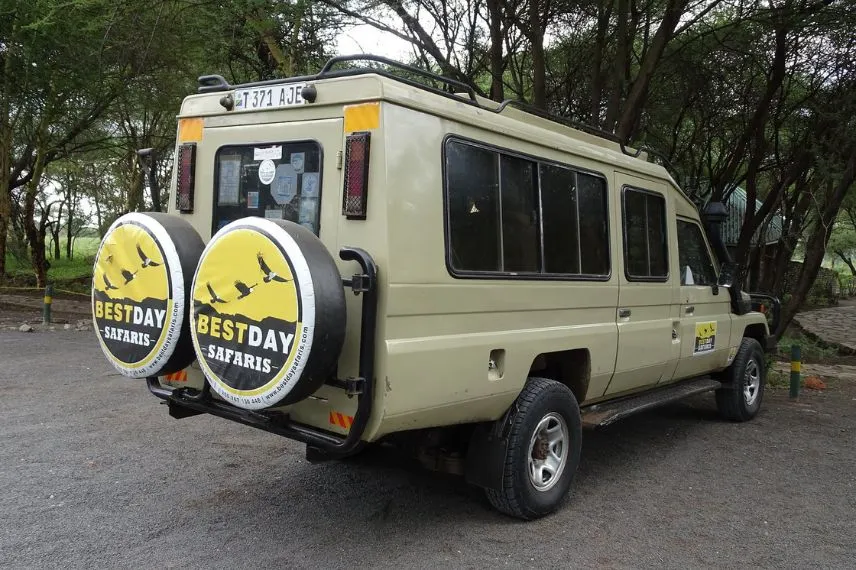
| Gari la safari | Safari vehicle | GAH-ree lah sah-FAH-ree |
| Basi | Bus | BAH-see |
| Teksi | Taxi | TEK-see |
| Kushoto | Left | koo-SHOH-toh |
| Kulia | Right | Koo-Lee-ah |
| Moja kwa moja | Straight ahead | MOH-jah, kwah, MOH-jah |
| Karibu | Near | kah-REE-boo |
| Mbali | Far | mm-BAH-lee |
| Wapi? | Where? | WAH-pee |
| Wapi kuna…? | Where is…? | WAH-pee KOO-nah |
| Itachukua muda gani? | How long will it take? | ee-tah-CHOO-ah MOO-dah GAH-nee |
| Tafadhali nipeleke… | Please take me to… | tah-fah-DAH-lee-nee-peh-LEH-keh |
When traveling in Tanzania between two destinations, you can ask, “Itachukua muda gani?
Shopping and Money Phrases
You can find small local shops in Tanzania; you can use these types of phrases there to buy things.
| SWAHILI | ENGLISH MEANING | SIMPLE PRONUNCIATION |
| Bei gani? | How much? | BAY-ee GAH-nee |
| Ni ghali | That is expensive | nee GAH-lee |
| Punguza bei, tafadhali | Can you reduce the price? | poo-NGOO-zah BAY-ee tah-fah-DAH-lee |
| Ningependa hii | I would like this | neen-geh-PEN-dah hee |
| Naangalia tu | I am only looking | Nah-ahn-GAH-lee-ah too |
| Fedha | Money | FEH-dhah |
| Pesa | Money | PEH-sah |
| Taslimu | Cash | Tahs-LEE-moo |
| Kadi | Card | KAH-dee |
| Chenji | Change | CHEN-jee |
| Soko | Market | SOH-koh |
| Duka | Shop | DOO-kah |
Cultural Note: Bargaining is common in many local markets, especially for souvenirs and handmade crafts. Always negotiate politely with a smile and friendly attitude.
Emergency and Health Phrases
Although Tanzania is a safe destination for most travelers, knowing essential Swahili for Travel can be helpful during unexpected situations.
| SWAHILI | ENGLISH MEANING | SIMPLE PRONUNCIATION |
| Msaada! | Help! | msa-AH-dah |
| Nahitaji daktari | I need a doctor | nah-hee-TAH-jee dahk-TAH-ree |
| Mimi ni mgonjwa | I am sick | MEE-mee nee mm-GWON-jwah |
| Nimepotea | I am lost | nee-meh-poh-TEH-ah |
| Piga simu polisi | Call the police | PEE-gah SEE-moo poh-LEE-see |
| Hospitali iko wapi? | Where is the hospital? | hos-pee-TAH-lee EE-koh WAH-pee |
| Inauma hapa | It hurts here | ee-nah-OO-mah HAH-pah |
| Nahitaji dawa | I need medicine | nah-hee-TAH-jee DAH-wah |
| Dharura | Emergency | dhah-ROO-rah |
| Tafadhali nisaidie | Please help me | tah-fah-DAH-lee-nee-sah-ee-DEE-eh |
Safety Tip: Save important emergency phrases on your phone before travelling and ask your safari guide to help you practice pronunciation.
Numbers, Days and Time
Numbers are among the most useful Basic Swahili Words for shopping, arranging transport, checking times, and communicating during your Tanzania Safari.
| SWAHILI | ENGLISH MEANING | SIMPLE PRONUNCIATION |
| Moja | One | MOH-jah |
| Mbili | two | mm-BEE-lee |
| Tatu | three | TAH-too |
| Nne | four | NNEH |
| Tano | five | TAH-noh |
| Sita | six | SEE-TAH |
| Saba | seven | SAH-bah |
| Nane | eight | NAH-neh |
| Tisa | nine | TEE-sah |
| Kumi | ten | KOO-mee |
Days and Time Expressions
Learn useful words and phrases for talking about days, dates, times, and daily schedules in Swahili.
| SWAHILI | ENGLISH MEANING | SIMPLE PRONUNCIATION |
| Leo | Today | LEH-oh |
| Kesho | Tomorrow | KEH-shoh |
| Jana | Yesterday | JAH-nah |
| Asubuhi | Morning | ah-soo-BOO-hee |
| Mchana | Afternoon | mm-CHAH-nah |
| Jioni | Evening | jee-OH-nee |
| Saa ngapi? | What’s the time? | SAH ahn-GAH-pee |
Cultural Phrases Travellers Will Hear
During your Tanzania safari, you will hear many friendly Swahili expressions. Understanding their meaning helps you connect with local culture and communicate naturally.
| Phrase | Meaning | When It Is Used |
| Hakuna Matata | No worries / No problem | Used to reassure someone or express a relaxed attitude |
| Pole Pole | Slowly, slowly | Commonly used during hiking, walking, or when encouraging patience |
| Karibu Sana | Welcome very much. | A warm welcome given to visitors |
| Asante Sana | Thank you very much. | Used to show deep appreciation |
| Safari Njema | Have a good journey. | Said when someone is travelling |
| Rafiki | Friend | A friendly way to refer to someone |
| Mzungu | Foreigner / visitor | Commonly used for Western visitors; usually not offensive when used politely |
| Twende | Let’s go. | Used when starting a journey or activity |
| Sawa Sawa | Okay/Alright | Used to confirm agreement |
Learning these expressions gives travellers a deeper appreciation of Kiswahili, Tanzania’s local culture, and the welcoming nature of its people.
Tips for Learning Swahili
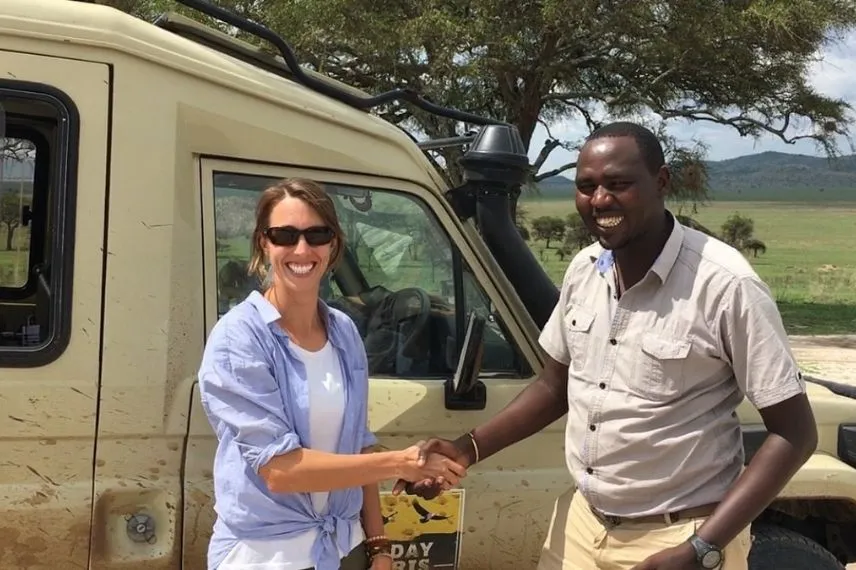
Traveling in Swahili doesn’t need months of studying. Several simple practices can help with communication:
- Practice simple greetings before traveling.
- Use phrases with respect and a friendly attitude.
- Pay careful attention to how local guides pronounce words.
- Don’t be concerned with minor errors.
- Use words and positive body language and smile.
- Keep key phrases on your cell phone for quick reference.
- Get help from locals and guides on how to pronounce words.
Many Tanzanians will welcome you with an attempt to converse a few words in Swahili.
The Role Swahili plays in enhancing your Tanzanian Safari Experience.
Simple Swahili phrases can make a difference in your safari experience. When you greet someone in the Swahili language or try to converse with someone in Swahili, it shows your interest in their language and culture. You instantly develop a positive attitude towards them. From booking lodges or stays to ordering food or asking for help, knowing some phrases in Swahili will boost your experience of a Tanzania safari.
Learning Swahili with Bestday Safaris
With Bestday Safaris, travel to Tanzania for an authentic safari experience with their local expert guides who introduce you to their language and culture. During your safari, your guide can help you learn some phrases in the Swahili language that will improve your overall Tanzania Safari Experience.
Learn Swahili While Exploring Tanzania with Bestday Safaris
Start your Tanzania adventure with Bestday Safaris and discover the beauty of the country while learning the language and culture that make every journey special.

Plan a Trip to Tanzania
We offer different tour types. You can also chat with a local travel specialist if you want a customized tour to Tanzania.
Recommended by