How to Say Hi in Swahili – Common Greetings for Travelers
Swahili / Kiswahili is spoken by many people in East Africa. It is also the national language of Tanzania, uniting different tribes and religions. It is very catchy and easy to pronounce, including words like “jambo?” among others. Safari experts recommend knowing How To Say Hi In Swahili for a great experience. At Bestday Safaris, we hand out vocabulary sheets to clients and also brief you on Swahili for travelers. Our professional guides ensure you have respectful interactions with local communities, maintaining a friendly atmosphere.
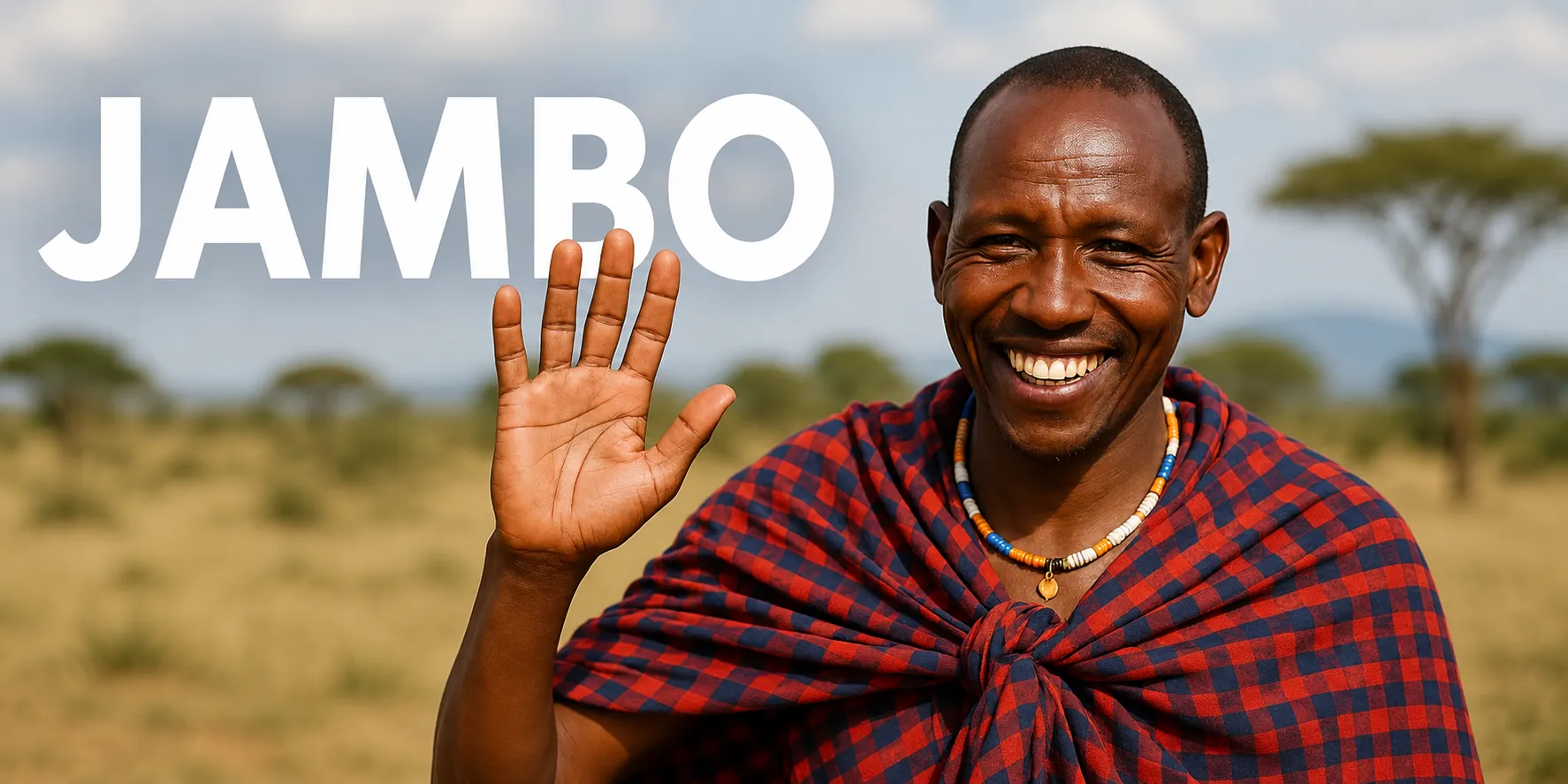
How to Say Hi in Swahili – Common Greetings for Travelers
Swahili / Kiswahili is spoken by many people in East Africa. It is also the national language of Tanzania, uniting different tribes and religions. It is very catchy and easy to pronounce, including words like “jambo?” among others.
Safari experts recommend knowing How To Say Hi In Swahili for a great experience. At Bestday Safaris, we hand out vocabulary sheets to clients and also brief you on Swahili for travelers. Our professional guides ensure you have respectful interactions with local communities, maintaining a friendly atmosphere.
This article will discuss the common greetings for travelers, acting as a Tanzania language guide. Understanding these greetings is the first step before diving into how they are used every day across the country.
Every Swahili greeting carries more than words—it reflects respect, warmth, and the belief that every traveler becomes part of the community.
Basic Swahili Greetings
Tanzanians are welcoming, so using Swahili greetings truly shows you value and respect the culture. Don’t just say hi and walk away—asking about family, wellbeing, and the day opens the door to smiles, better service, and local friendships.
| Swahili greeting | Meaning | Response | Meaning |
| Jambo? | How are you? | Jambo! | I’m fine. |
| Habari? Habari yako? | How are you? | Nzuri / Nzuri sana / Salama | Good / Very good / Peaceful. |
| Shikamoo? | I respect you | Marahaba | I respect you too. |
| Mambo? | How are things? | Poa | Cool / Okay. |
| Asante | Thank you | Karibu | Welcome. |
| Tafadhali | Please | – | – |
According to certified safari guides and East African cultural experts, knowing when and how to use greetings leads to respectful travel in Tanzania. For example,“shikamoo?” is specifically for elders, and “mambo?” is mainly used by and for the youth. Understanding this allows you to award elders respect from the word go, building trust with locals. Jambo is commonly used to welcome tourists into the country as it is universal.
Greetings Used in Daily Tanzanian Life
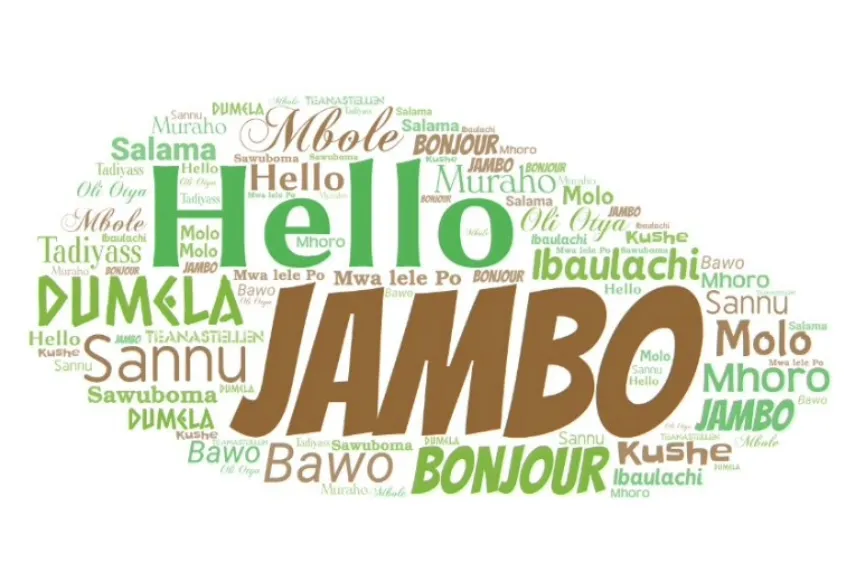
In Tanzania, greetings are part of daily life. They mirror the Swahili culture, which has strong community values and a love for people. Locals observe a slow pace of life and are very affectionate in their greetings. For a country that has different tribes and three major religious groups, greetings continue to shape their peaceful coexistence.
Daily greetings include:
- Habari?
- Shikamoo?
- Jambo?
- Mambo?
Local tour experts reveal that daily greetings in Tanzania are a key part of social etiquette and community interaction. Locals are very polite, using words like “asante” (thank you) and “Mungu akubariki” (God bless you). They also acknowledge everyone in the room, rather than greeting only the host. Proper etiquette requires you to greet everyone in the room, which signals that you see and value them. Daily life in Tanzania is warm, peaceful, cheerful, and rewarding.
Cultural Importance of Greetings in Tanzania
Swahili greetings are deeply rooted in “Utamaduni” (culture) and “Ujamaa” (community). They are founded on high regard for people, humility, and openness. And that is why, travelers on a Tanzania cultural safari need to engage with sensitivity and understanding for positive experiences. Beware, greeting someone the wrong way or not greeting them at all is considered disrespectful.
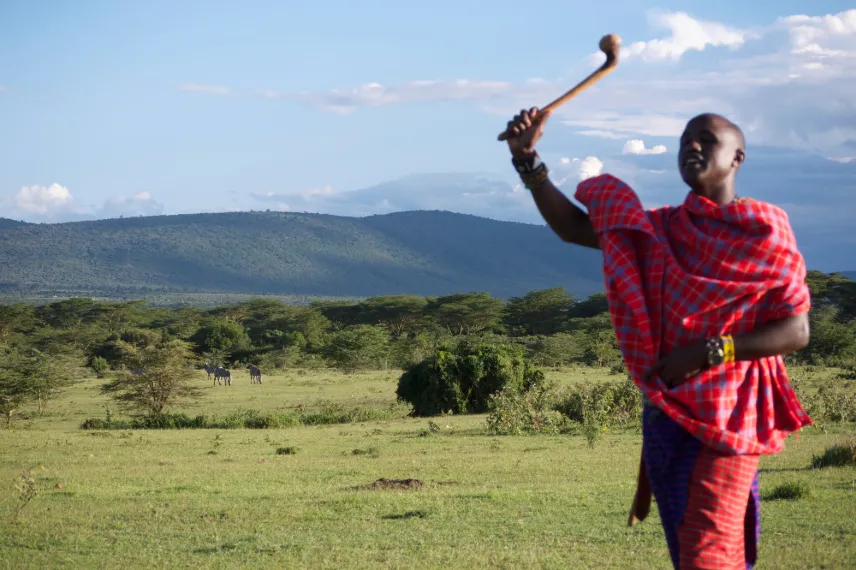
In Tanzanian culture, greetings are not rushed words — they are intentional expressions of respect, belonging, and shared humanity that strengthen everyday human connection.
Cultural importance of greetings includes:
- To show respect and good manners.
- Helps build trust and friendly relationships.
- Helps travelers connect more naturally with Tanzanian people.
- Daily greetings create warm and welcoming social interactions.
- Proper greetings are valued in homes, markets, workplaces, and villages across Tanzania.
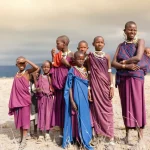
Experienced guides suggest that understanding the cultural importance of greetings helps travelers have authentic interactions with local people. Especially when visiting traditional communities like the Maasai, a simple “habari yako?” makes them treat you like a friend. They engage you in oral stories of their lifestyle, beliefs, and customs, connecting you to their history and land. For handshakes, always use the right hand. Using the left one is disrespectful, as it is traditionally used for personal hygiene.
Useful Swahili Phrases for Safari Travelers
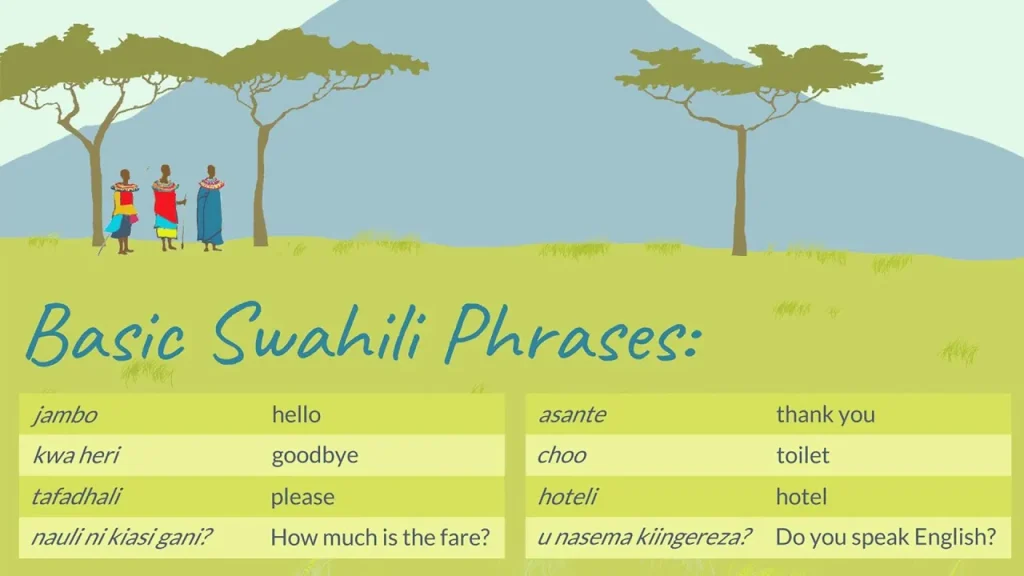
A safari in Tanzania becomes more immersive and enjoyable when travelers understand basic Swahili phrases. This helps you navigate daily life in shopping, lodges, game drives, and market errands. No matter how you articulate them, using them grants you a confident and stress-free experience.
Game drive phrases you should know:
- Tazama! – Look! / Watch out!
- Hakuna matata – no worries.
- Simba – Lion.
- Tembo / Ndovu – Elephant.
- Twiga – Giraffe.
- Chui – Leopard.
- Duma – Cheetah
- Kiboko – Hippo.
- Piga picha – take a photo.
Safari lingo:
- Pole pole – slowly.
- Simama hapa – stop here.
- Twende – let’s go.
- Hatari – danger.
Lodge lingo:
- Naomba – please give me / I would like.
- Maji – water.
- Chakula – food.
- Chumba / Vyumba – room / rooms.
- Bafu – bathroom.
- Sawa – okay.
Shopping / Marketplace
- Bei gani? – How much?
- Samahani – excuse me / sorry.
- Ndiyo – yes
- Hapana, asante – no, thank you.
- Ghali sana! – too expensive!
- Punguza bei – reduce the price.
Based on real safari conditions in Tanzania, tour guides use Kiswahili to build cultural connections with visitors and to easily call out animals in sight. Knowing basic Swahili safari lingo allows you to follow along and feel naturally connected to the bush. Driver-guides are also familiar with English, so travelers don’t have to worry about miscommunication.
Looking for easy Swahili phrases to use in Tanzania?
Our safari experts and guides take you through traveler-friendly expressions for everyday conversations.
Where Every “Hi” Becomes a Connection
As highlighted in Tanzania travel tips, respectful communication enhances the travel experience. Just by saying “hi” in the Swahili language (“habari yako?”), locals trust you, leading to a welcome filled with smiles and politeness. For more authentic interactions, engage in longer conversations after greetings. It shows you have a high regard for the other person, creating a true feeling of belonging.
At Bestday Safaris, our team of safari experts and professional guides tailors cultural packages that connect local communities with visitors. We transform a standard safari experience into a fully immersive one, creating unforgettable memories.
Ready to turn every “hi” into a real cultural connection in Tanzania? Travel with Bestday Safaris and experience authentic Swahili culture beyond the wildlife.

Plan a Trip to Tanzania
We offer different tour types. You can also chat with a local travel specialist if you want a customized tour to Tanzania.
Recommended by