Why Travellers Return to Tanzania – The Magic of a Second Safari
Many travellers return to Tanzania because every safari offers a different experience.
Why Travellers Return to Tanzania – The Magic of a Second Safari
Many travellers return to Tanzania because every safari offers a different experience. Travellers revisit in another season to witness new wildlife behaviour, changing landscapes, and unique events like the Great Migration or wildebeest calving season. Whether you’re interested in photography, luxury travel, or exploring new parks, a second Tanzania Safari provides fresh opportunities that a single trip cannot.
Why do tourists keep returning to Tanzania?
Travellers return to Northern Tanzania because every season offers different wildlife, scenery, and experiences. A second safari allows more time for animal behaviour, photography, cultural encounters, and slower exploration across Serengeti, Ngorongoro, Tarangire, and Lake Manyara.
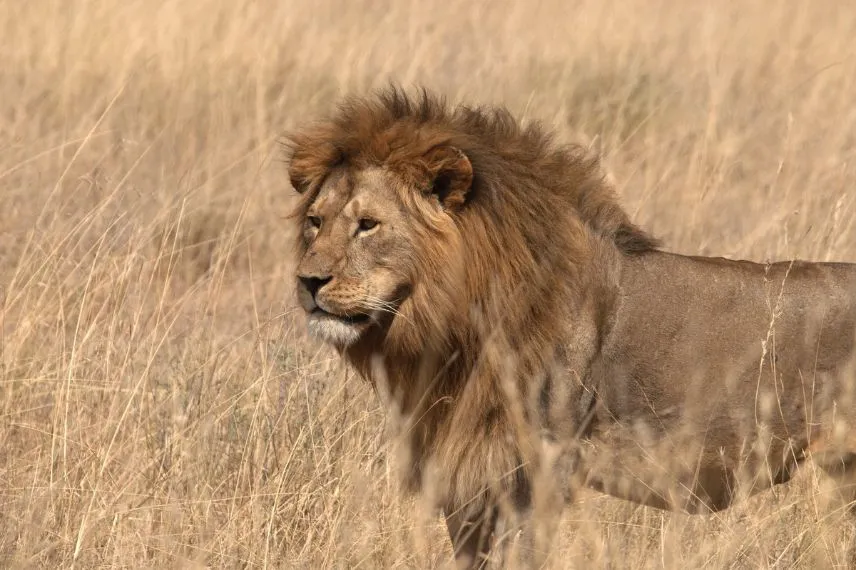
Some quick facts for repeat safari travelers
- Repeat Destination: Serengeti National Park (experience a brand-new region or season).
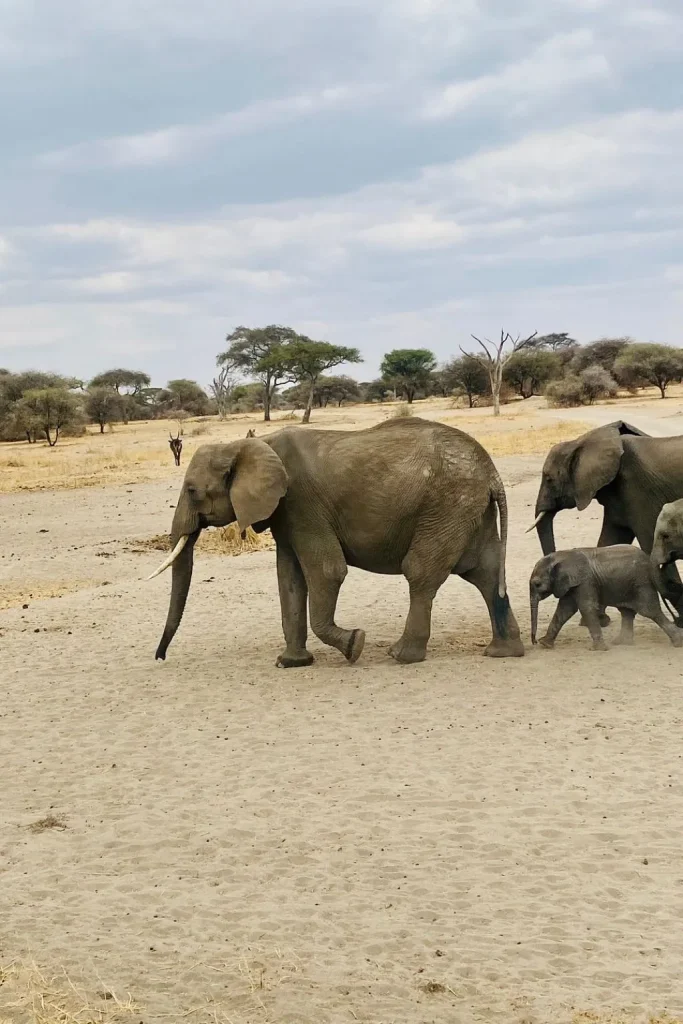
- Large elephant herds at Tarangire National Park.
- Spotting the Big Five at Ngorongoro Crater.
- Lake Manyara: dramatic rift valley scenery.
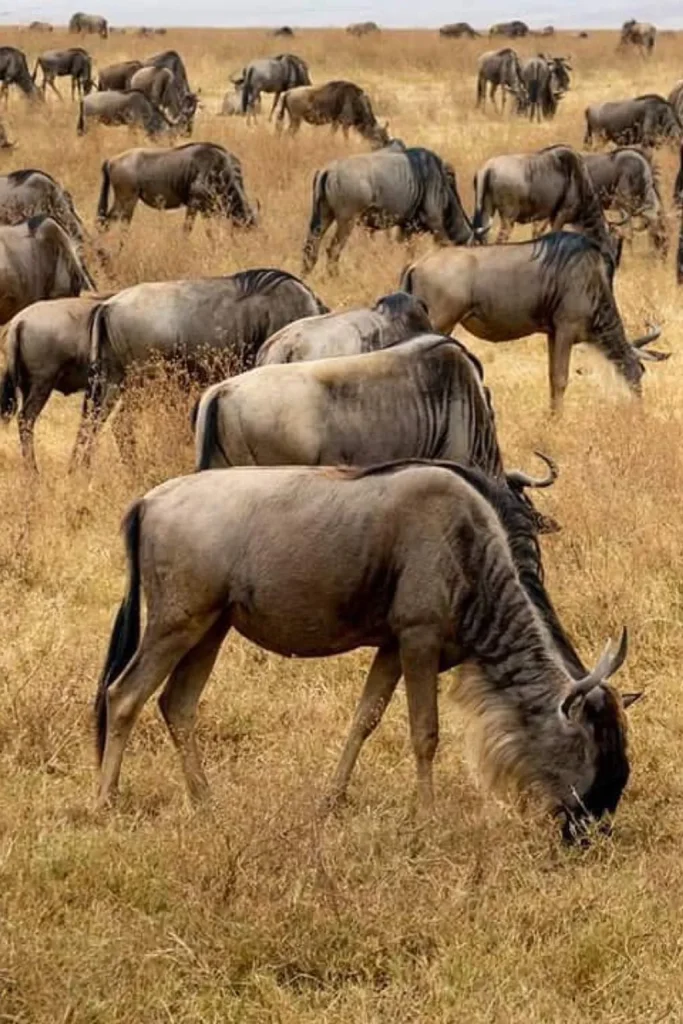
- Seasonal Wildlife Spectacle: The Great Migration (calving season).
- Ideal Duration: Recommended 7-10 days for a slower, immersion-focused itinerary.
Why should you return to Northern Tanzania?
Northern Tanzania is not just a place but a collection of different ecosystems that change with the seasons. The golden plains turn into green pastures during the rains. Animals’ migration patterns offer a different safari experience each month.
Tanzania is unique among wildlife destinations. It has an incredible diversity of wildlife in a relatively small area. While you’re there, you can watch predators stalk their prey in the Serengeti, descend into the world’s biggest intact volcanic caldera in Ngorongoro, spot large elephant herds beneath the ancient baobabs of Tarangire, and enjoy bird watching on the shores of Lake Manyara, all in one trip.
Revisiting the Serengeti in a Different Season
Every Serengeti safari is unique. The park changes from one season to another and can present completely new wildlife spectacles to the returning visitors.
- The Southern Serengeti and Ndutu area becomes calving ground from January to March. Thousands of wildebeest calves are born each day, with lions, cheetahs, and hyenas leading thrilling predator-prey encounters.
- The migration takes place during the dry season (June to October). Animals move towards the north, including the famous Mara River crossings, one of the most thrilling wildlife spectacles in Africa, as wildebeest brave the crossing while crocodiles lie in wait.
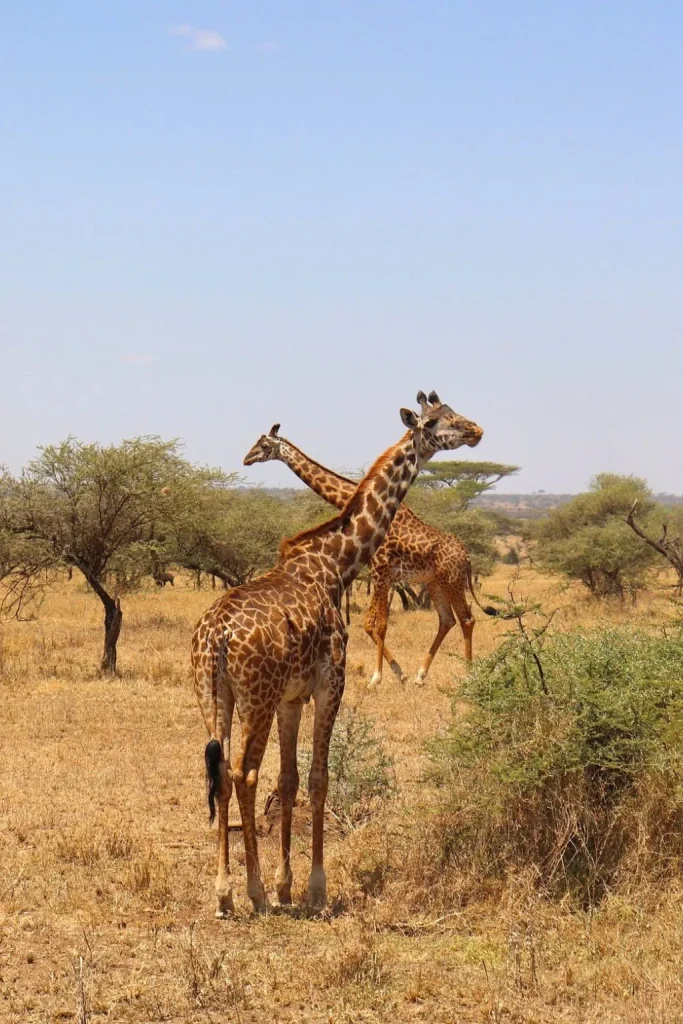
- Meanwhile, Central Serengeti offers outstanding wildlife viewing year-round, with lions, leopards, elephants, and giraffes commonly seen. It’s worth returning in a different season to witness how rainfall, plant life, and animal activity continually reshape this amazing ecosystem.
Experience Ngorongoro, Tarangire, and Lake Manyara Differently
Enjoy a different experience at Ngorongoro, Tarangire & Lake Manyara. A second trip lets you see some of Northern Tanzania’s jewels from a new perspective.
Spot the Big Five on the crater floor, then head around the rim for sunset views and to learn about Ngorongoro’s ongoing wildlife conservation efforts.
- Tarangire is known as “the home of elephants” thanks to its large number of elephant herds and its baobab trees. Visit during the peak dry season (July-October), and you get to see amazing elephant herds digging for water in dry riverbeds.
- Lake Manyara National Park—spot tree-climbing lions, take a boat ride, go on game drives, and watch birdlife along the Rift Valley escarpment.
What is it like to be on your 2nd safari?
First-time visitors usually focus on checking off animals from their lists. Returnees have a unique experience of it all. Rather than asking, “Where are the lions?” They start observing behaviours, like how predators hunt prey.
First Safari vs. Second Safari Experience
| FIRST SAFARI | SECOND SAFARI |
| Focus on seeing the Big Five. | Focus on observing wildlife behavior. |
| Visit the most famous attractions. | Explore different regions and hidden gems. |
| Follow a fast-paced itinerary. | Enjoy a slower, immersive safari. |
| Capture general wildlife photos. | Wait for unique lighting and animal interactions |
| Learn about Tanzania’s wildlife | Deeper understanding about Tanzania |
For second-time visitors, photography is more rewarding, too. Instead of taking a quick snapshot, they are patient, waiting for great light, special scenes & unique angles. “A return visit also gives you more opportunities to learn from experienced guides, whose local knowledge adds depth to every safari.
Best Experiences for Returning Travellers
A repeat safari is the perfect opportunity to enhance your adventure with experiences that may not have fitted into a first itinerary.
Enjoy private safari experiences guided by professional guides.
- Join an expert-led wildlife photography tour.
- Stay at a luxury hotel of your choice.
- Spend less time travelling between parks and more time exploring destinations.
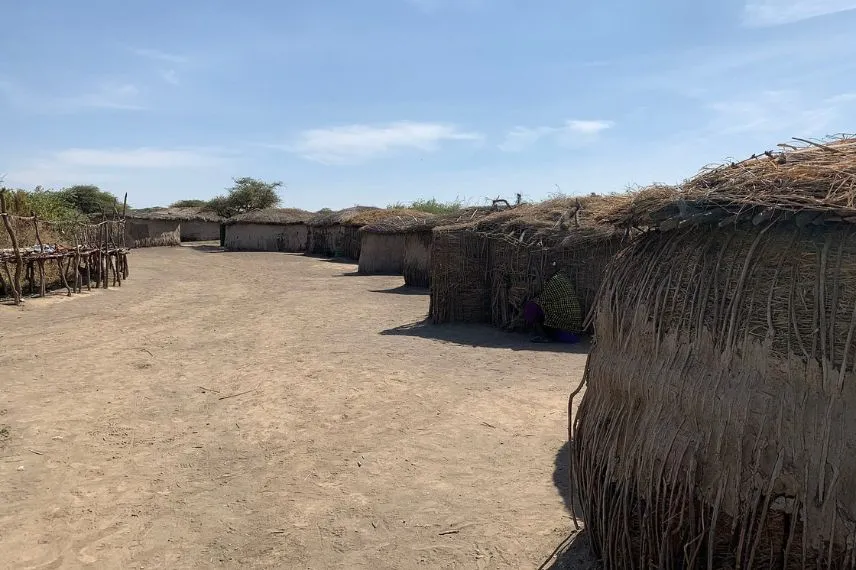
- Visit Maasai villages for authentic cultural exchange experiences.
- Choose a personalized itinerary based on your interests and preferred travel style.
Travellers looking for luxury safaris in Tanzania benefit from working with professional operators who can design a fresh, custom itinerary for every return visit.
Experts recommend a second trip because it gives travellers the freedom to slow down, observe animal behaviour, and explore areas beyond the standard highlights.
Best Time for a Second Northern Tanzania Safari
Choosing when to return depends heavily on what you hope to experience this time around:
| SEASON | MONTHS | HIGHLIGHTS | BEST FOR |
| Calving Season | January–March | Wildebeest births, predator action | Wildlife photography |
| Green Season | April–May | Lush landscapes, fewer tourists, lower prices | Budget & exclusive safaris |
| Dry Season | June–October | Big Five sightings, Mara River crossings | First & repeat visitors |
| Short Rains | November–December | Beautiful scenery, migratory birds | Birdwatchers & Photographers |
- January–March (Calving Season): Expect thrilling predator activity in the southern Serengeti and Ndutu, alongside lush, green landscapes.
- June–October (Classic Dry Season): Witness Great Migration River crossings in the northern Serengeti, enjoy easier wildlife viewing thanks to sparser vegetation, and catch peak elephant sightings at Tarangire.
- November–December (The Short Rains): Enjoy beautiful scenery, arriving migratory birds, fewer crowds, and better rates at resorts.
- April–May (Emerald/Green Season): Take in quiet parks and dramatic mountain views ideal for photography, along with affordable hotels and resorts offering more personalized service.
Important travel tips for repeat visitors.
- Travel in a Different Season: Switch from dry season to wet season (or vice versa) for a totally new landscape.
- Stay Longer in Fewer Parks: Spend 3-4 nights in one region instead of changing every night.
- Choose a Private Vehicle: Book a private vehicle for full flexibility and independence.
- Add New Activities: Include walking safaris and nights camping under the stars.
- Share Your History: Tell your operator about past trips—where and when you travelled—so they can plan something new.
- Book Early for Migration Seasons. Reserve key luxury camps 6-12 months in advance for prime river crossing or calving spots.
Planning with Bestday Safaris
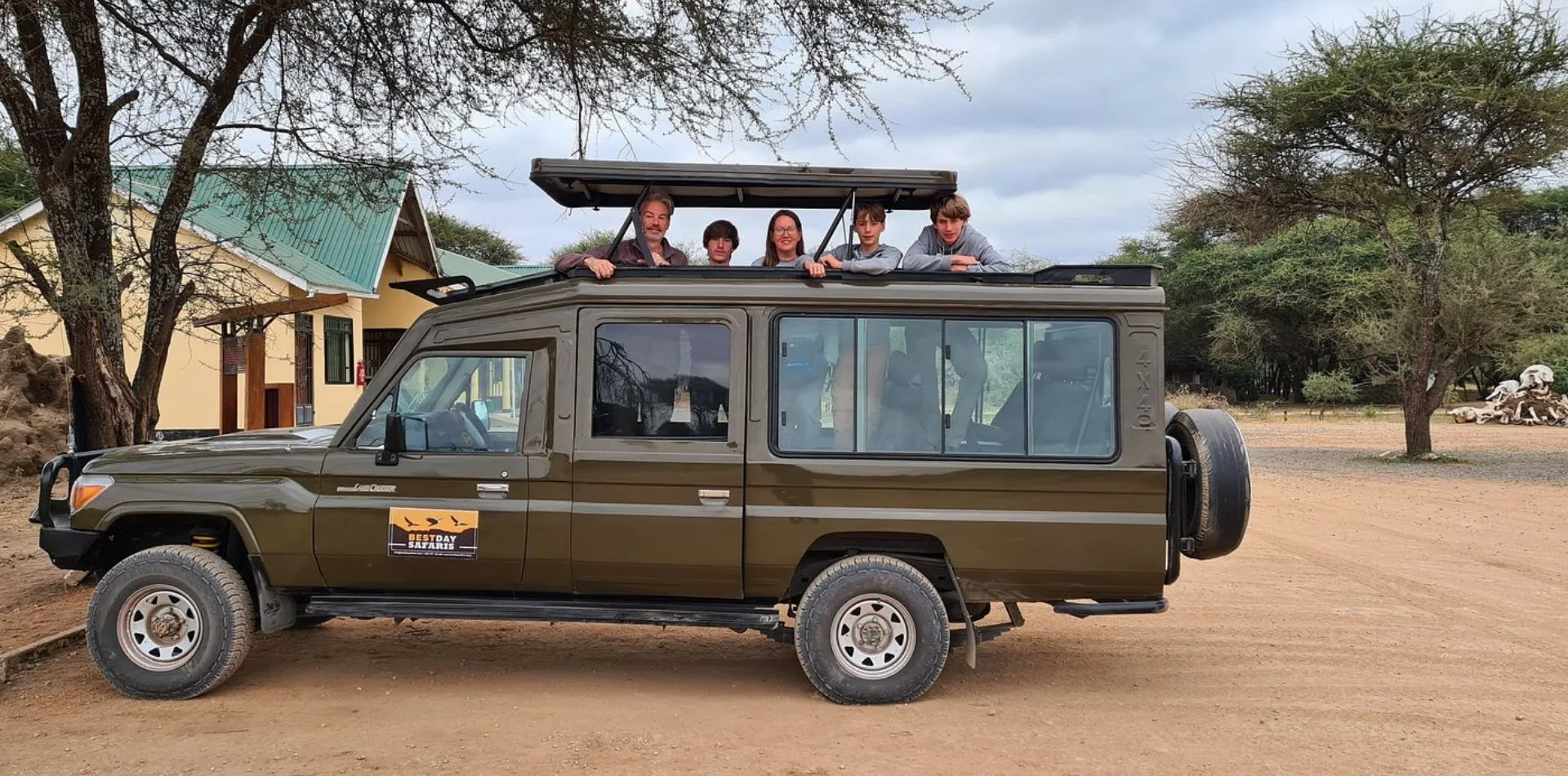
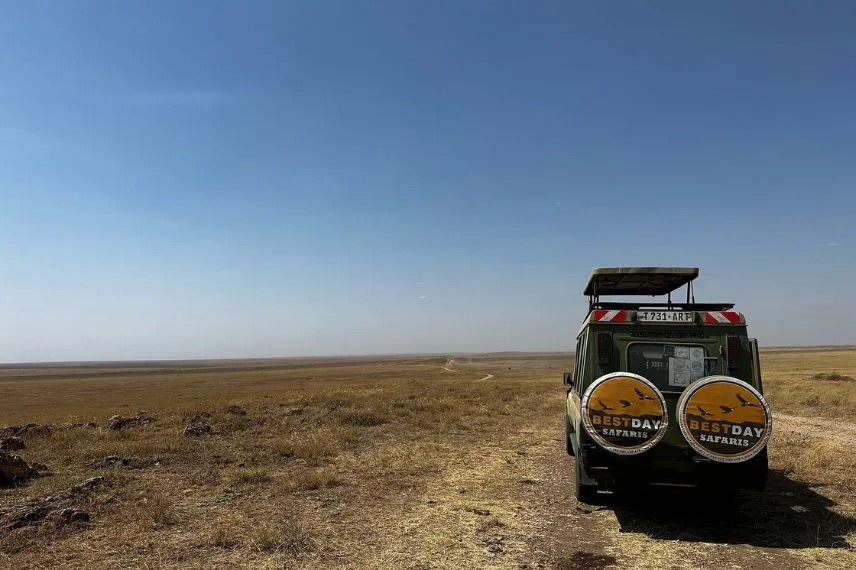
As one of the Best Safari Operators in Tanzania, Bestday Safaris designs personalized itineraries built around your interests—whether that’s a luxury lodge safari, a private wildlife tour, or a dedicated photography safari. Our local team handles every detail, offering transparent pricing, expert guidance, and seamless travel arrangements to make your next Tanzania safari unforgettable.
Experience Tanzania from a New Perspective
A Second Safari in Tanzania is an opportunity to experience the country from a new perspective. From the changing Great Migration and remote national parks to cultural encounters and luxury lodges, every visit offers something different. If you want your next wild adventure to be extraordinary, Bestday Safaris can create a custom tour that reflects your interests.

Plan a Trip to Tanzania
We offer different tour types. You can also chat with a local travel specialist if you want a customized tour to Tanzania.

Recommended by