Tanzania Tree Species and Their Wildlife Importance
Tanzania tree species vary across different terrains. From the Serengeti grassland to coastal forests, trees include acacia and palm, among many more. The thriving Tanzania ecosystem is because of trees. They are a source of food, water, and shelter for animals, and play a great role in conserving the environment. Bestday Safaris customizes safari packages that explore places like the Ngorongoro Crater and Serengeti National Park. This allows visitors to see different scenery with different plant species.
Tanzania Tree Species and Their Wildlife Importance
Tanzania tree species vary across different terrains. From the Serengeti grassland to coastal forests, trees include acacia and palm, among many more.
The thriving Tanzania ecosystem is because of trees. They are a source of food, water, and shelter for animals, and play a great role in conserving the environment. Bestday Safaris customizes safari packages that explore places like the Ngorongoro Crater and Serengeti National Park. This allows visitors to see different scenery with different plant species. This blog discusses the different types of trees found in Tanzania ecosystems, revealing the common African safari trees travelers see.
Famous Trees Found in Tanzania
Tanzania has over 1,700 tree species that help both animals and humans. Some local communities use leaves, roots, and barks for healing while others get nutrients from fruits in baobab trees —- calcium, vitamin C, and antioxidants.
Famous trees include:
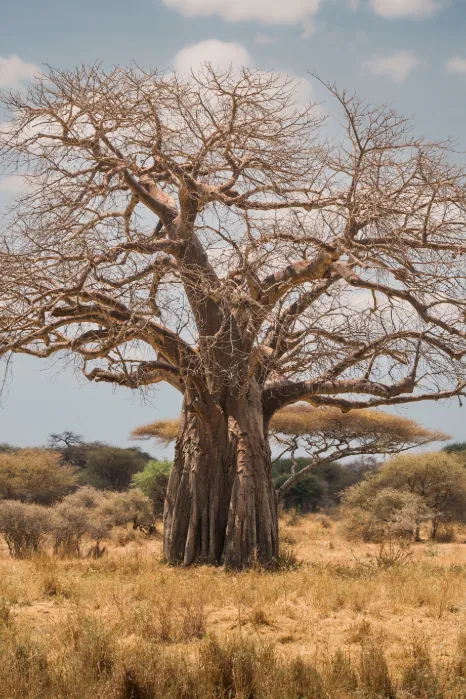
Baobab (“tree of life”).
- Can live for thousands of years.
- Has swollen trunks that store litres of water.
- Produces large white flowers.
- Holds spiritual significance in many Tanzanian cultures.
- Mainly found in Tarangire National Park and Ruaha National Park.
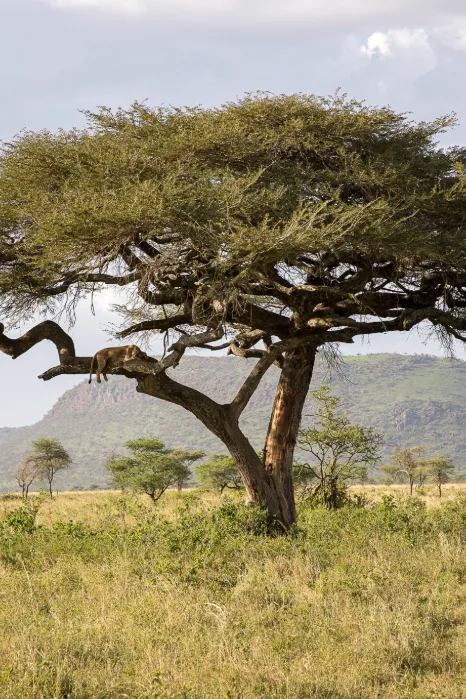
Acacia trees
- Umbrella-shaped.
- Has a deep root system that accesses underground water sources.
- Produces nutritious pods important for wildlife.
- Has sharp thorns.
Fever Trees
- Smooth, yellow-green bark that photosynthesizes.
- Grows in alkaline soils near water sources.
- Creates stunning yellow forests around lakes and wetlands.
- Indicator for groundwater.
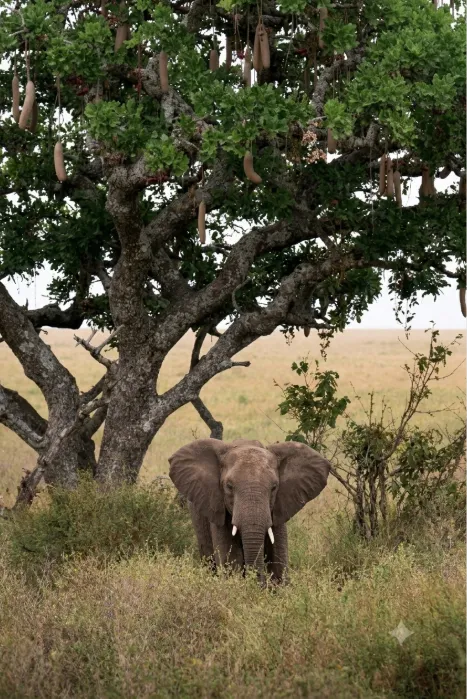
Sausage Trees
- Has long, rope-like stems.
- Produces big, grey, sausage-shaped fruits.
- Can grow up to a metre.
- Poisonous for humans.
- A favorite of elephants, giraffes, and baboons.
Palm Species
- Coconut palm : food, building materials, and palm wine.
- African fan palm ( in Serengeti) : timber, crafts, and edible fruits.
- Wild date palm : fruit, shade for wildlife, and a traditional craft material.
Safari experts suggest visiting more than one park for different points of view. For example, Tarangire National Park has baobab trees while Serengeti has acacia. Areas around Mount Kilimanjaro have green rainforests, and rare plant species. Whether you are a nature lover, photographer, or safari enthusiast, Tanzania has rewarding encounters.
Dreaming of seeing the famous trees in Tanzania? Contact our safari experts today for a picture-worthy and rewarding adventure.
How Trees Support Wildlife Survival
Trees are a source of food and water for animals, facilitating their survival. From the leaves, fruits, and barks to flowering trees that accommodate bees and insects.
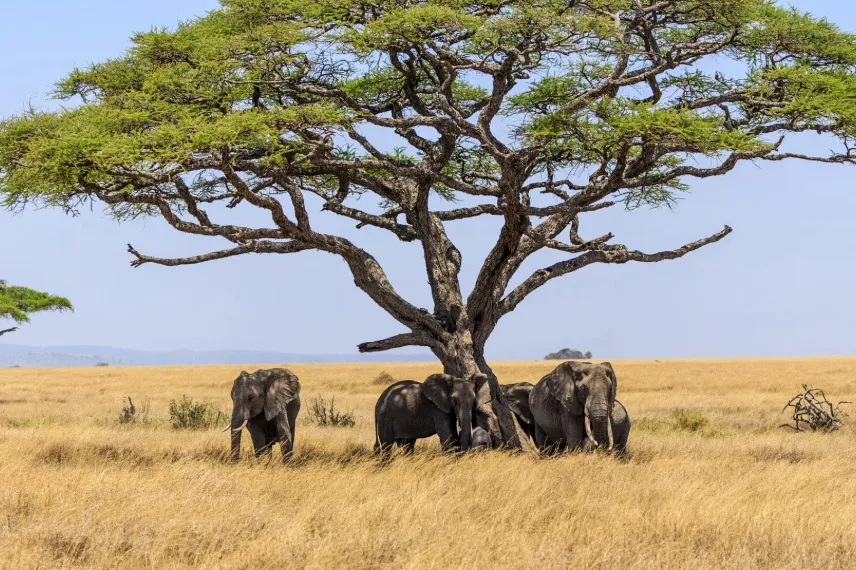
The hollow trunk of baobab trees in Tanzania enables nesting, whereas thick canopies allow animals to hide from predators and heat. Trees also allow big animals like elephants to pass through habitats and national parks without ruining human settlements.
Key takeaways:
- Food sources.
- Shelter and breeding grounds.
- Migration corridors.
- Water regulation.
- Microclimate creation.
Wildlife experts and conservationists explain that trees play a major role in maintaining wildlife habitats in Tanzania. They prevent soil erosion, keep soil moisture, and revive grazing areas. In dry seasons, species like acacia and baobab keep water holes full. Their deep roots also protect the land during heavy rainfall, supporting sustainability.
Trees & Safari Landscapes
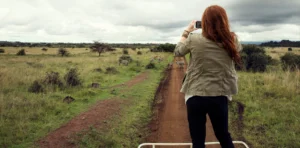
A Tanzania safari is not just about spotting wildlife. The country also has different landscapes that improve the whole travel experience. From the endless plains in Serengeti to the enclosed bowl in Ngorongoro, each with unique tree species.
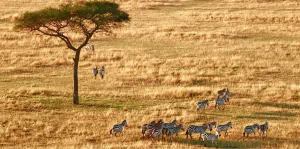
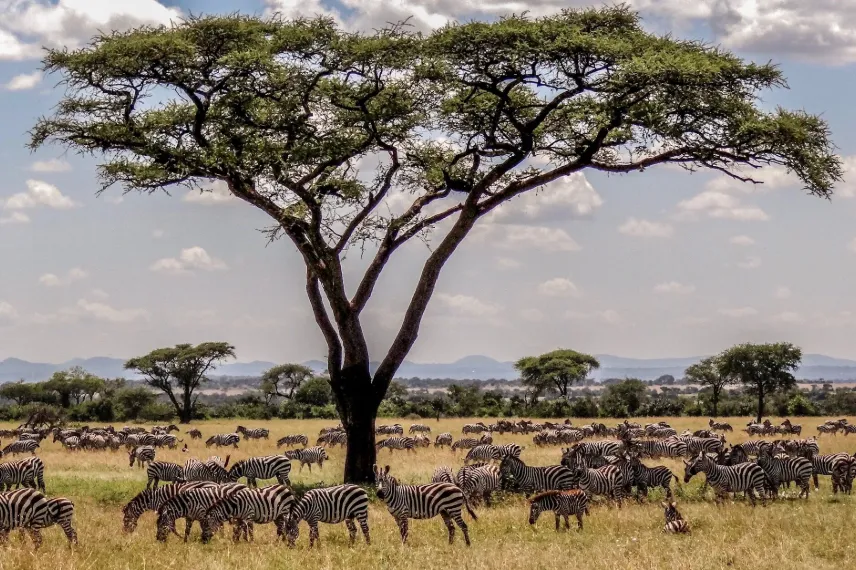
The acacia tree safari is common, especially among photographers. Its umbrella shape creates the perfect silhouette effect, providing raw and aesthetic photos during sunsets.
Trees and safari landscapes:
- Tarangire National Park : lots of baobab trees.
- Serengeti National Park : acacia, grasslands, and rocky kopje.
- Lake Manyara National Park : groundwater forests, mahogany trees, and fig trees.
- Ngorongoro Crater : high-altitude acacia forests and short-grass plains.
- Ruaha National Park : baobab woodlands.
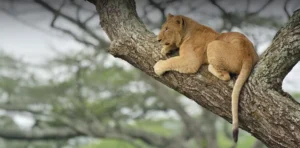
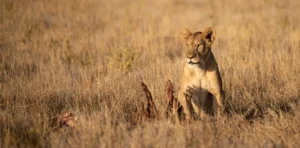
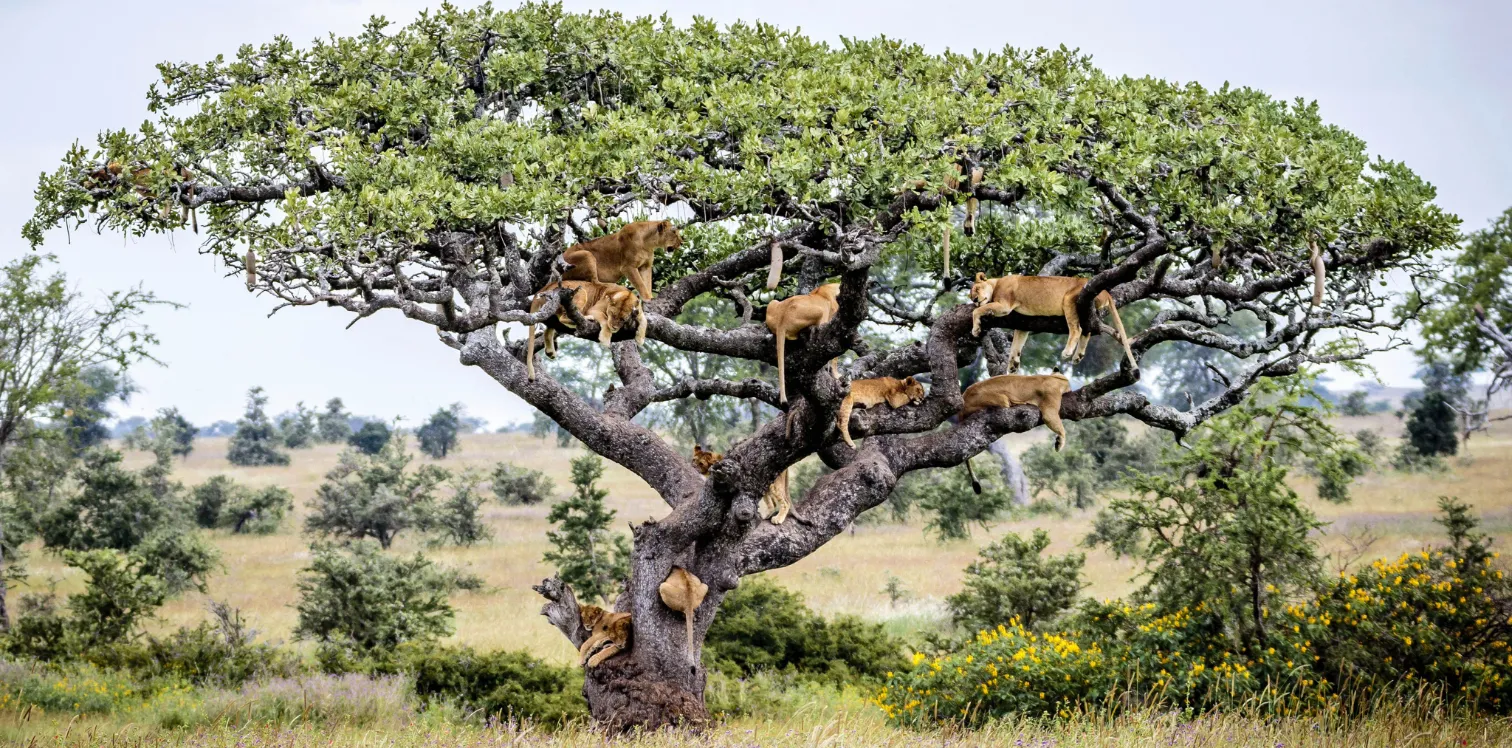
Safari guides and environmental experts suggest that trees contribute to the scenery of Tanzania national parks. For example, Lake Manyara has tree-climbing lions that rest in acacia and mahogany branches. Travelers who visit get to take pinterest-worthy photos, capturing the rawness of the wilderness. In Zanzibar, there are more palm trees. This offers an entirely different view from the dusty northern grasslands.
Looking to explore Tanzania’s Scenic Wilderness?
Book with us today for a magical and unforgettable experience.
Conservation & Ecosystem Balance
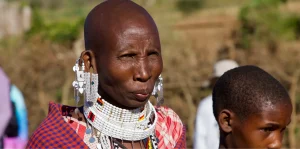
Tanzania’s conservation approach lies in balancing wildlife protection and social well-being. This has been made possible through sustainable tourism that benefits both parties. For example, the Maasai protect wildlife habitats and the environment as a whole. In return, local tour companies hire them as tour guides — allowing them to support their livelihoods.
Key strategies:
- Supporting local communities.
- Preserving water sources and natural ecosystems.
- Protecting endangered species and indigenous plant life.
- Maintaining the natural balance between plants, wildlife, and humans.
- Preventing soil erosion and land degradation.
- Reducing deforestation and habitat loss.
Environmental experts and conservationists emphasize that through national parks, community participation, and conservation programs, Tanzania is safeguarding its land for future generations. Also, sustainable tourism has helped local communities secure education, health, and water.
The Lasting Role of Trees in Tanzania’s Safari Ecosystems
Trees are necessary for Tanzania safari ecosystems. They guarantee wildlife survival and have a crucial role in natural balance. On a safari, each tree tells its own story depending on its location. They shape scenic views and dramatic landscape contrasts, creating unique and memorable experiences.
Bestday Safaris curates safari packages that allow travelers to discover Tanzania’s rich vegetation. Our professional safari experts help you understand how the ecosystem is connected, creating awareness on sustainable tourism.
Ready to discover the beauty of Tanzania’s plant life? Explore our Tanzania Safari Packages and contact us for a rewarding experience.

Plan a Trip to Tanzania
We offer different tour types. You can also chat with a local travel specialist if you want a customized tour to Tanzania.


Recommended by