What Animals Can You See During Tanzania’s Wet Season?
Tanzania’s wet season runs from March to May and a bit of November. This season offers an entirely different safari experience from the dry season — but still equally rewarding.
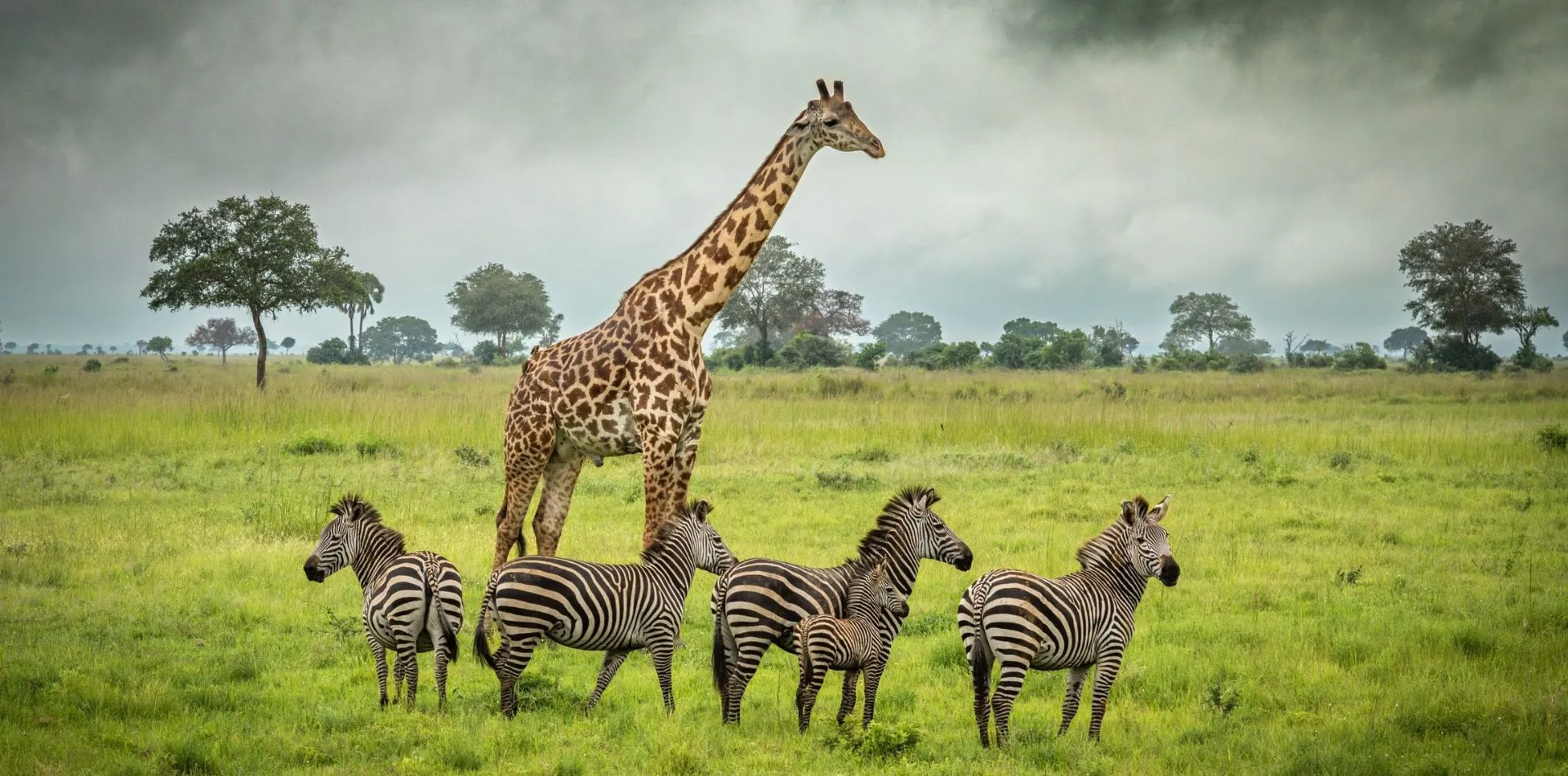
What Animals Can You See During Tanzania’s Wet Season?
Tanzania’s wet season runs from March to May and a bit of November. This season offers an entirely different safari experience from the dry season — but still equally rewarding. The ecosystem comes alive with lush green landscapes, and baby animals appear.
Tanzania’s wet-season animals include the Big Five, migratory birds, and seasonal wildebeest in the Serengeti. At Bestday Safaris, our professional guides help travelers navigate wet terrain while understanding seasonal animal behavior. Our tailored experiences during this time ensure you have a safe, meaningful, and unforgettable adventure.
This blog guide discusses the wet Tanzania Safari Seasons and explores wildlife sightings, benefits, and challenges to help travelers plan and prepare.
Why Wet Season Safaris Are Unique?
Most travelers avoid the green season because of the long and short rains, not realizing they’re missing out. The Wet season safari in Tanzania offers experiences different from the dry months, starting with the landscapes.
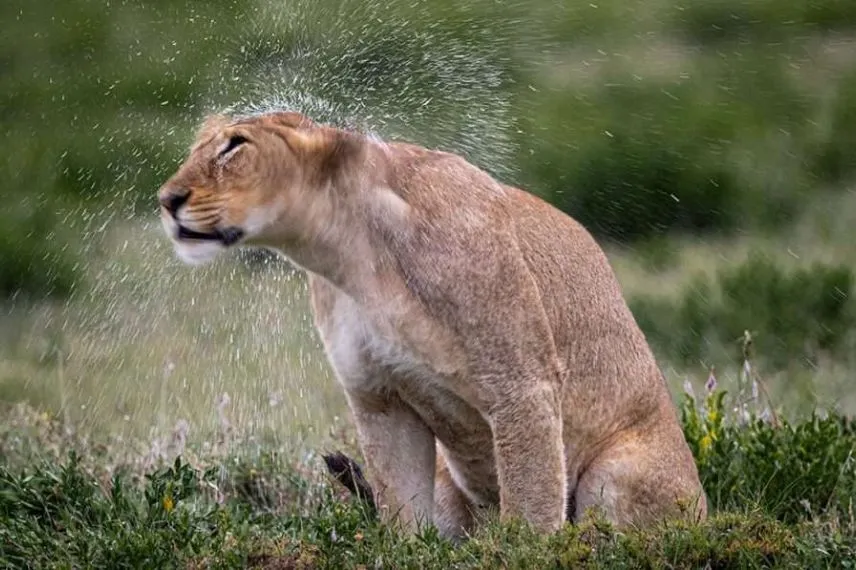
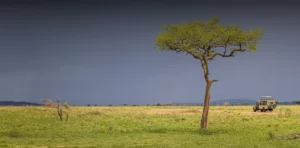
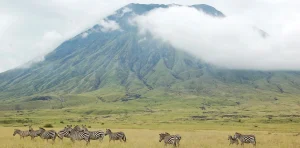
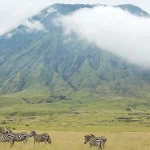
They change from being brown in color to a spectacular green that has you reaching out for your camera. Rivers are filled with water, grasslands become fuller & greener, and the skies show off with periodic rainbows and dramatic lightning storms. Guests also get to witness a calmer side of nature— where untamed animals protect, nurture, and feed their calves.
Rain breathes new life into the wild, turning every safari into a journey through renewal, silence, and raw natural beauty.
Here’s why the lush season stands out:
- Green landscapes.
- Newborn animals.
- Dramatic skies.
- Calm environment.
- Clear, fresh air.
Experienced safari guides recommend visiting Tanzania during the Green season for a calmer, greener, and more dramatic side of Africa. Especially if you are a photographer, this is the perfect time to visit. Your photos will be very crisp as the rain washes away the dust from the environment. This creates cinematic backdrops and softer light for photography. Families and nature lovers should also take advantage of this season for more intimate, peaceful, and relaxing experiences.
Animals Commonly Seen During the Wet Season
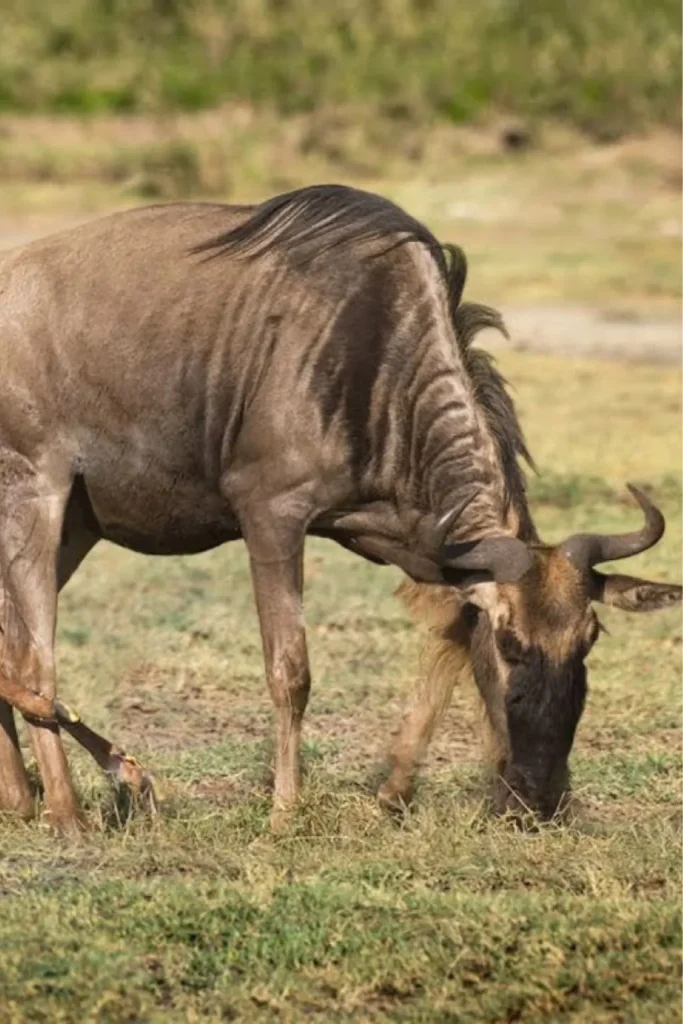
Tanzania wildlife viewing is year-round. So, even when you visit during the wet season, you will still have great animal sightings. This period is well known for the Serengeti calving season in Ndutu, southern Serengeti, where many wildebeests give birth.
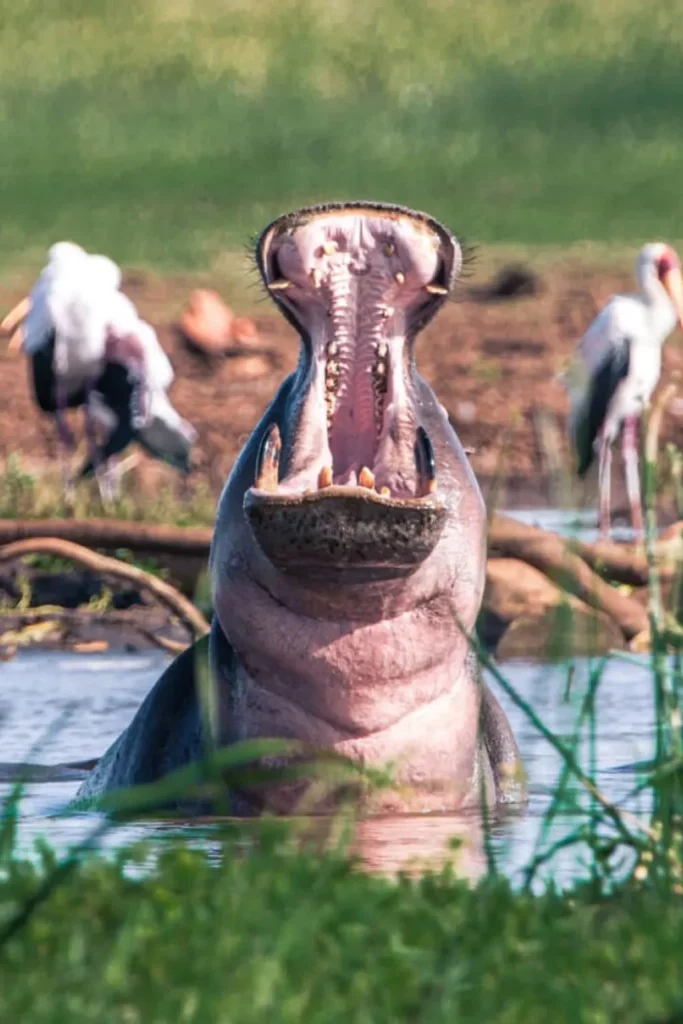
Imagine witnessing a baby elephant swing its small trunk playfully, with the mother by its side, protecting and guiding it through the wild. This adds an emotional and heartwarming aspect to the safari experience, creating lasting memories.
Animals commonly seen include:
- Wildebeest calves.
- Migratory birds.
- Predators.
- Elephants.
- Hippos.
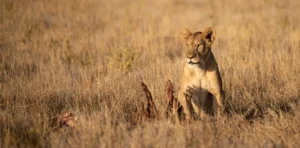
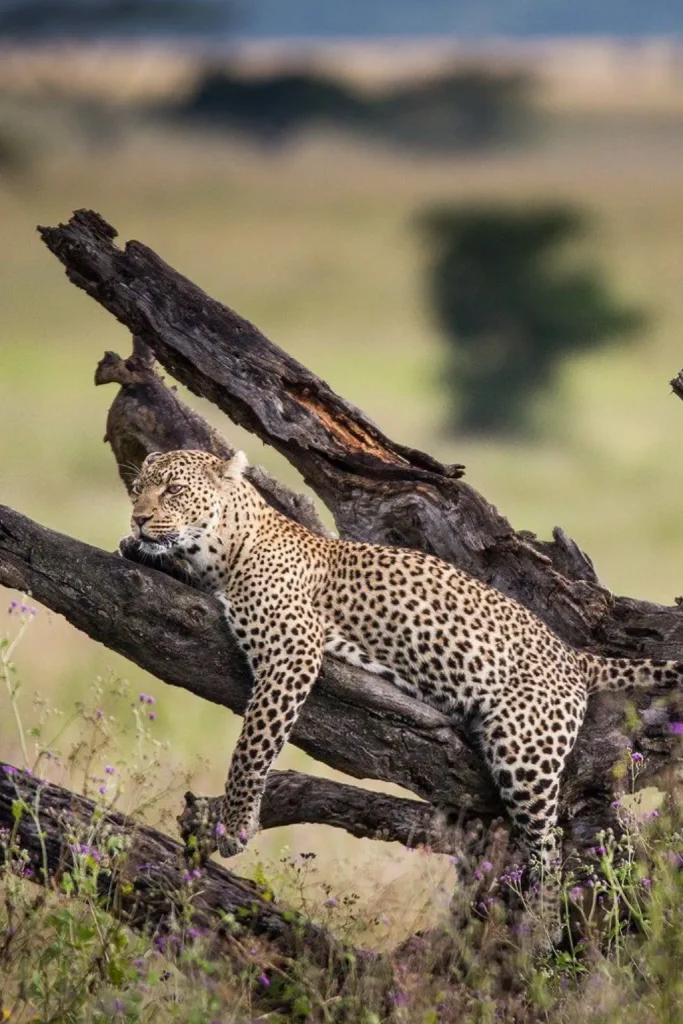
Wildlife experts highlight that this season brings abundant water and fresh grazing areas, attracting different wildlife. Migratory birds (of different species) flock to the country, especially in the Serengeti, Lake Manyara, and Tarangire National Park, attracting birdwatching lovers. Predators like lions and leopards are also active at this time, hunting down baby animals whom they consider easy targets. Herbivore animals also scatter across water holes and grazing areas, being marked as targets.
Looking for the best wildlife sightings during Tanzania’s rainy months?
Discover the animals that thrive when the landscapes turn green and full of life.
Advantages of Green Season Travel
Aside from the greenery and new life, a Tanzania green season safari offers more unique advantages. To start with, it has fewer crowds and less congested game drive vehicles.
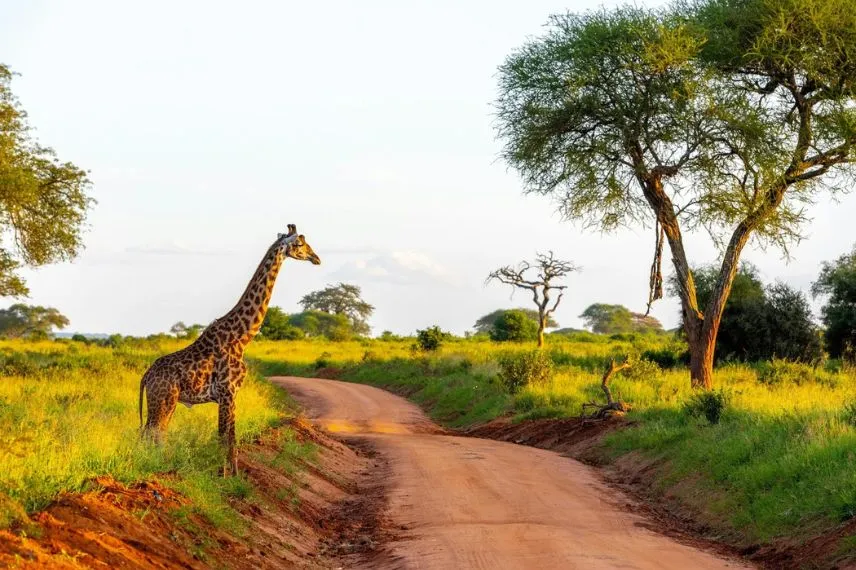
This allows visitors to have more private, peaceful, unrushed, and close-up wildlife encounters — especially in popular parks like Serengeti and Ngorongoro Crater. Another thing, it is cheaper to travel during this period compared to the dry season. Lodges, flights, and parks reduce their prices by 20 – 50%, allowing guests to afford and enjoy top-tier services at a lower price.
The green season reminds travelers that beauty is often found in the quiet moments—when rain renews the land, wildlife flourishes, and nature reveals its most authentic self.
Advantages of green season travel include:
- Significant cost savings.
- Fewer tourists, more privacy.
- Phenomenal photography.
- The “Baby Boom” scenes.
- World-class birdwatching.
Safari experts recommend green season travel for a more immersive and rewarding safari experience. You get to have more one-on-one opportunities with your guides and better wildlife sightings with no vehicle obstacles or noise interruptions. Professional guides claim that travelers can still combine a Tanzania safari with Zanzibar, with the right expertise and smart planning.
Challenges Travelers Should Expect
Due to the rains, this season presents its own challenges. However, using experienced and skilled tour operators makes navigation easy, leading to wholesome experiences.
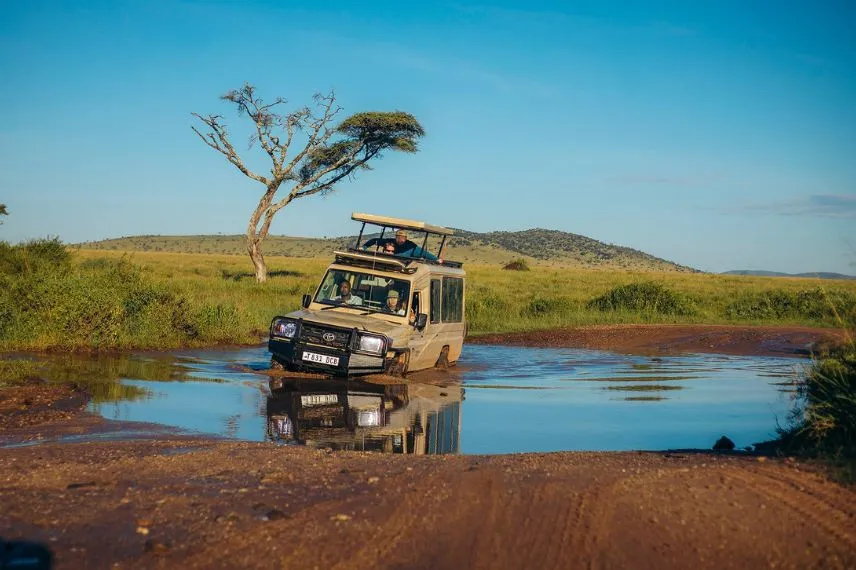
Travelers should expect muddy, impassable roads in parks and increased bug activity from the warm and damp conditions. It is also difficult to spot animals as they hide in thick vegetation and scatter across broad areas. Additionally, many smaller lodges and tented camps close completely for maintenance, limiting accommodation options. It is also difficult to participate in activities like hot air balloon rides and walking safaris due to the endless rains and muddy grounds.
The challenges include:
- Bad road conditions.
- Reduced wildlife visibility.
- Lodge closures.
- Activity limitations.
- Bugs and Insects.
- Packing and comfort challenges.
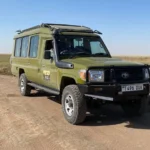
Experienced safari operators urge travelers to prepare well for the rainy season for safer and more comfortable experiences. This includes packing waterproof clothing, sturdy shoes, and rain coats for the unpredictable weather. For photographers, ensure your camera has a waterproof cover for less stressful situations. During this period, safari guides act as the bridge between the best experiences and safety. So, ensure you choose operators with well-maintained vehicles and skilled guides for lasting memories.
Experience Tanzania’s Wet Season Wildlife at Its Most Vibrant
Despite the rains, the Tanzania lush season safari allows visitors to explore the country from a different perspective. Lush landscapes, dramatic skies, fewer crowds, and newborn animal experiences — all with photography advantages.
At Bestday Safaris, we help travelers plan unforgettable Tanzania green season safaris with expert seasonal guidance and personalized itineraries.
Ready to Witness Tanzania’s Wet Season Wildlife Up Close? Explore our Tanzania Safari Packages and contact us for encounters that linger with you forever.

Plan a Trip to Tanzania
We offer different tour types. You can also chat with a local travel specialist if you want a customized tour to Tanzania.


Recommended by