How Religion Shapes Tanzanian Culture and Daily Life
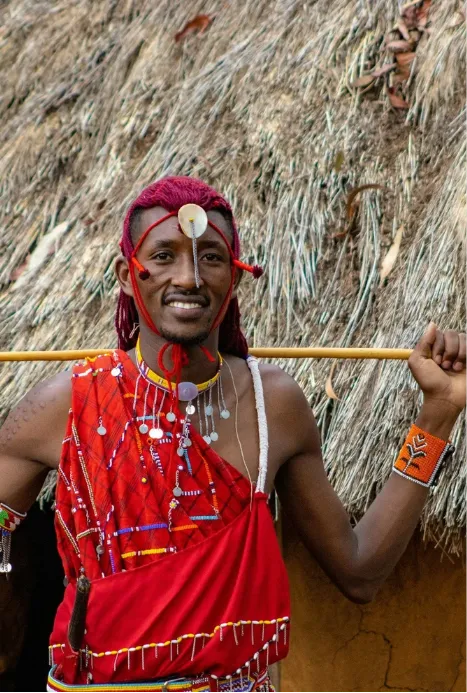
Tanzania Religion is an important custom among its people. Around 63% practice Christianity, 34% Islam, and the remaining practice traditional beliefs. Faith has greatly shaped Tanzanians’ daily lives, peaceful living, strong ethics, and hospitality. Safari experts recommend dressing modestly when visiting village communities like the Maasai. At Bestday Safaris, we offer cultural packages that allow visitors to interact with local communities. We will brief you on how to greet elders, what to wear, and how to maintain respectful chats that do not offend the communities.
How Religion Shapes Tanzanian Culture and Daily Life
Tanzania Religion is an important custom among its people. Around 63% practice Christianity, 34% Islam, and the remaining practice traditional beliefs. Faith has greatly shaped Tanzanians’ daily lives, peaceful living, strong ethics, and hospitality.
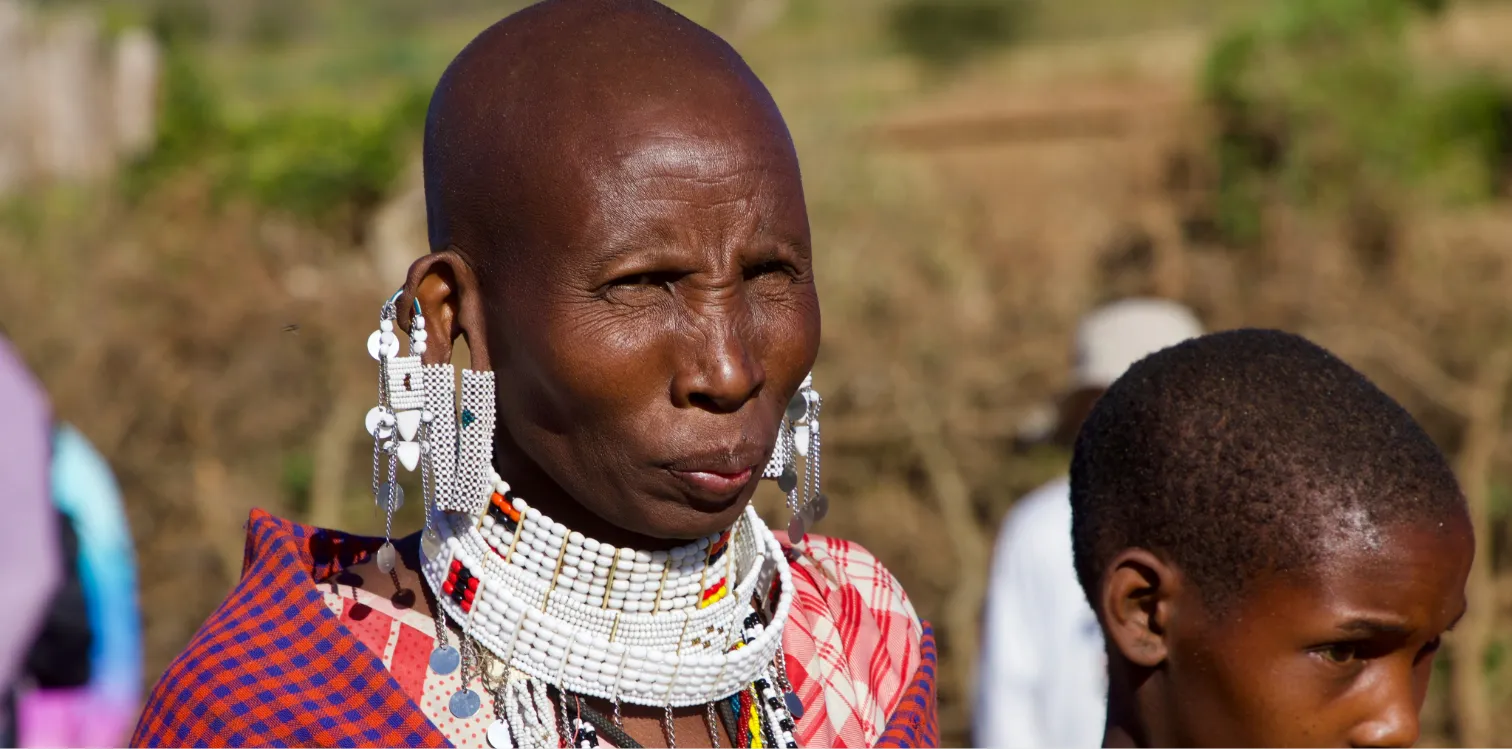
Safari experts recommend dressing modestly when visiting village communities like the Maasai. At Bestday Safaris, we offer cultural packages that allow visitors to interact with local communities. We will brief you on how to greet elders, what to wear, and how to maintain respectful chats that do not offend the communities.
This article explores how religion shapes Tanzanian culture and daily life, giving travelers an overview of what to expect.
Religion in Tanzania is more than belief—it is woven into traditions, family values, community life, and the everyday experiences that shape the nation’s cultural identity.
Major Religions in Tanzania
As stated above, there are three main religions: Christianity, Islam, and traditional faiths. Christianity in Tanzania is the largest practice, especially across mainland regions living beside a small group of muslims.
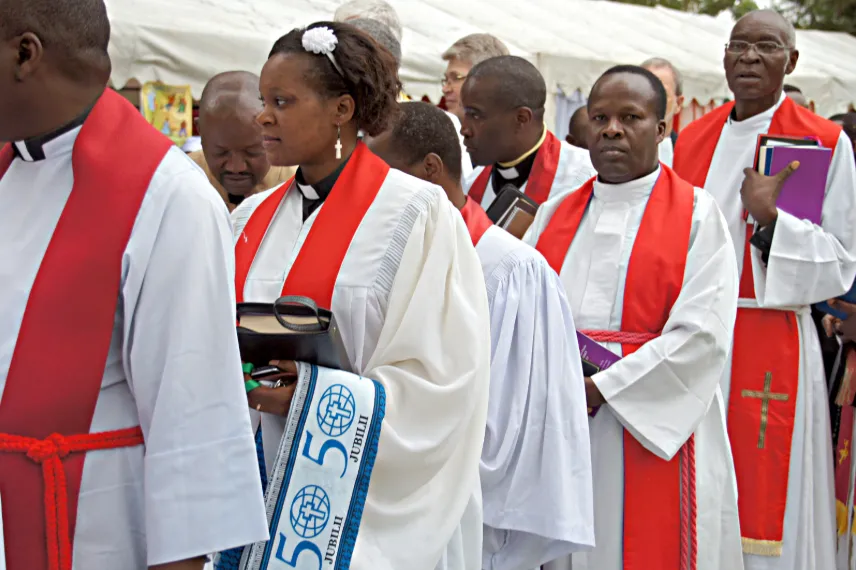
Islam in Tanzania dates back several centuries through Indian Ocean trade routes and Arab merchants. They are mainly found in coastal regions, with 99% living in Zanzibar. Traditional groups believe in ancient beliefs and are found in rural regions. This group also includes other faiths like Hinduism and Buddhism.
Major religions include:
- Christianity – Catholics, Protestants, Pentecostals, and Seventh-day Adventists.
- Islam – Sunni and Shia.
- Traditional African religions and Others.
According to Tanzania cultural studies, religious groups live together in harmony. For example, Christians and Muslims call each other “ndugu” (brother), demonstrating friendship. They also intermarry and celebrate events like funerals and weddings together. The country also honors holy days for both Christians and Muslims, turning them into national holidays. Plus, government laws prohibit politicians from campaigning inside houses of worship to prevent them from inciting religious groups.
Religion & Daily Life
Religion is a central pillar of Tanzanian Culture and national identity. It shapes daily life, influencing family values, celebrations, traditions, and community relationships. Faith is included in everyday conversations, for example, “Mungu akubariki” (God bless you) at the end of chatting. The Swahili language allows different religious groups to express faith and moral values, connecting everyone as one.
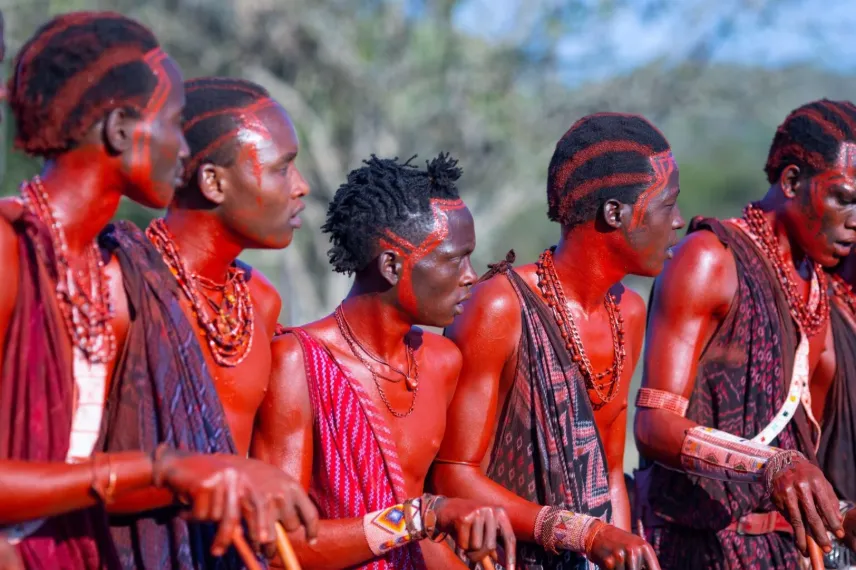
Religion is seen in daily life through:
- Daily greetings and language.
- Lifestyle in the mainland and the Coast.
- Shared celebrations and neighbourhoods.
- Faith in public life and business.
- Blending faith and traditional beliefs.
Local customs and religious practices show that African traditional religions continue to influence daily life. In Tanzania, it is not unusual for a Christian or Muslim to visit a traditional healer. The constitution allows freedom of religion, allowing people to blend their faiths. Religion in daily life is visible in places like Arusha, where you hear gospel music from churches. In Zanzibar, the rhythmic call to prayers from mosques happens every day, alongside modest clothing and veils.
Curious about Religion and daily life in Tanzania?
Explore our Tanzania cultural packages for an immersive and unforgettable experience.
Religious Influence on Tanzanian Traditions
Religion plays a significant role in shaping Tanzanian traditions, with Christianity, Islam, and indigenous beliefs influencing ethical values and major life celebrations.
Looking back, Arab Muslim traders were responsible for spreading the Swahili language. It is now Tanzania’s national language and one of the things that drives unity. Christians built schools and hospitals in the country a long time ago, influencing virtues of hospitality, which are valuable in the Swahili culture. To date, these establishments still exist.
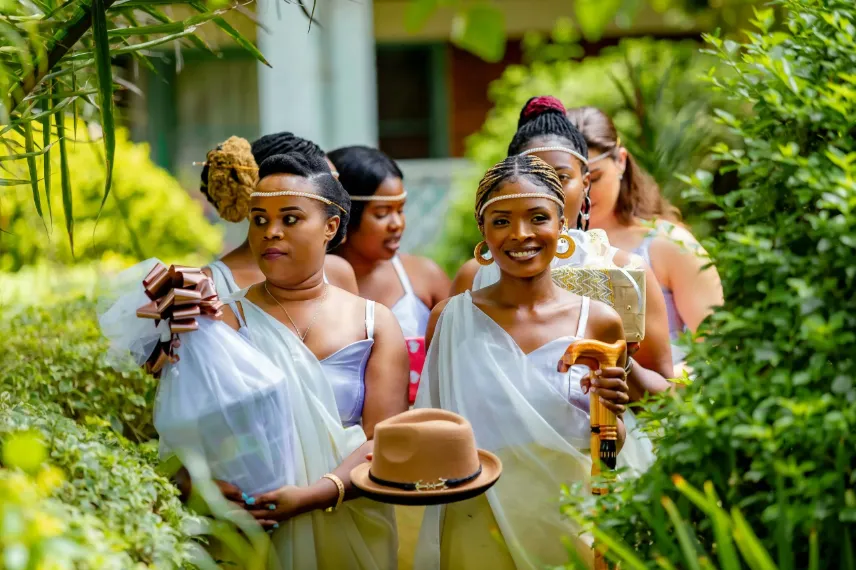
Religious traditions in Tanzania continue to influence community values, cultural celebrations, family life, and daily customs that connect generations across the country.
Key influences:
- Family values shaped by faith.
- Respect, hospitality, and social etiquette.
- Food and dress codes.
- Peaceful religious coexistence.
- Spiritual traditions in rural and urban communities.
- Religious festivals and community celebrations.
Based on research and widely recognized social practices in Tanzania, religion continues to shape many aspects of Tanzanian traditions. From celebrating with traditional faiths on major life events like birth, to observing the “Ujamaa” (familyhood) principle among each other. Religious leaders ensure social welfare, charity, and community conflict resolution — maintaining ethics. In public swearing-ins, it is customary to have both Christian and Muslim prayers, showing the government’s respect for both groups.
What Travelers Should Respect & Understand
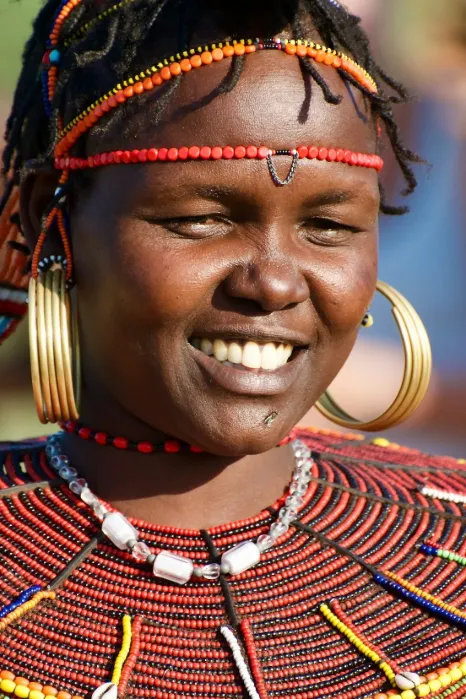
Understanding and respecting religious practices turns your Tanzania cultural tour into a meaningful experience. These practices shape community traditions and national identity, making it a must-know for travelers. From being mindful of worship times to community values of respecting local modesty.
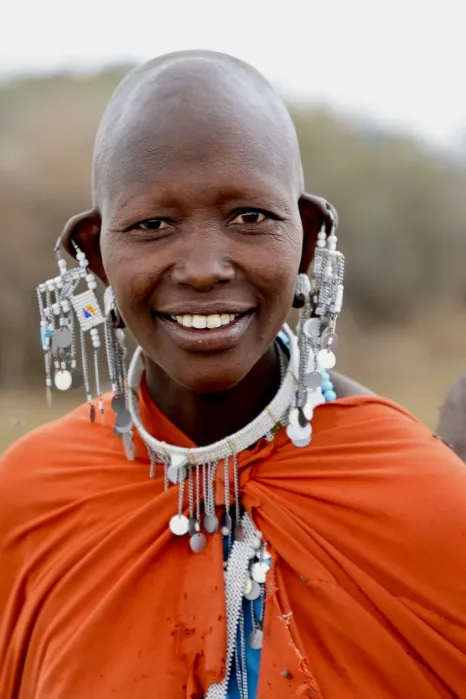
What you should know:
- Demographics – Christianity is the major population, followed by Islam, then traditional communities.
- “Ndugu”(Brother) – displays unity between Christians and Muslims.
- National harmony – shared events and interfaith gatherings are common.
Cultural etiquette to observe:
- Dress modestly, especially in Zanzibar and rural coastal villages.
- Respect worship times and religious practices.
- Ask permission before taking pictures.
- Take time to greet people properly.
- Treat community elders/ religious leaders with respect.
Cultural travel insights and local customs across Tanzania show that respectful travelers build trust with locals immediately. It portrays cultural awareness, leading to a warm welcome that makes you feel at home. To win more hearts easily, use Swahili greetings like “habari yako?” (How are you?) or “shikamoo? (Hello, I respect you) for elders. This breaks the ice, resulting in longer chats about their day, family, and health.
Wondering how you can connect better with local communities?Contact our experts for respectful and meaningful interactions.
The Lasting Connection Between Religion, Culture & Daily Life in Tanzania
Religion shapes the culture and daily life in Tanzania. Through simple Swahili greetings, life event celebrations, holy days, and strong community values, communities maintain peaceful coexistence. As a traveler, cultural understanding is important. It helps you maintain values like respect, hospitality, and cultural tolerance — giving you an enjoyable experience.
At Bestday Safaris, our team of local experts shows you the rich traditions that make Tanzania’s identity unique, giving you authentic and memorable moments. We observe responsible tourism, empowering local communities.
Ready to travel deeper into Tanzania’s culture and traditions? Explore our Tanzania cultural packages and contact us today for meaningful experiences.

Plan a Trip to Tanzania
We offer different tour types. You can also chat with a local travel specialist if you want a customized tour to Tanzania.
Recommended by