Kilimanjaro Facts
Mount Kilimanjaro is one of the most well-known mountains in the world. But many travelers still know only the basics before they begin planning. This guide shares useful Kilimanjaro facts to help you better understand the mountain, from its height and climate zones to route options and trekking conditions. It gives you a clearer picture of what makes Kilimanjaro special and what you should know before preparing for the climb.
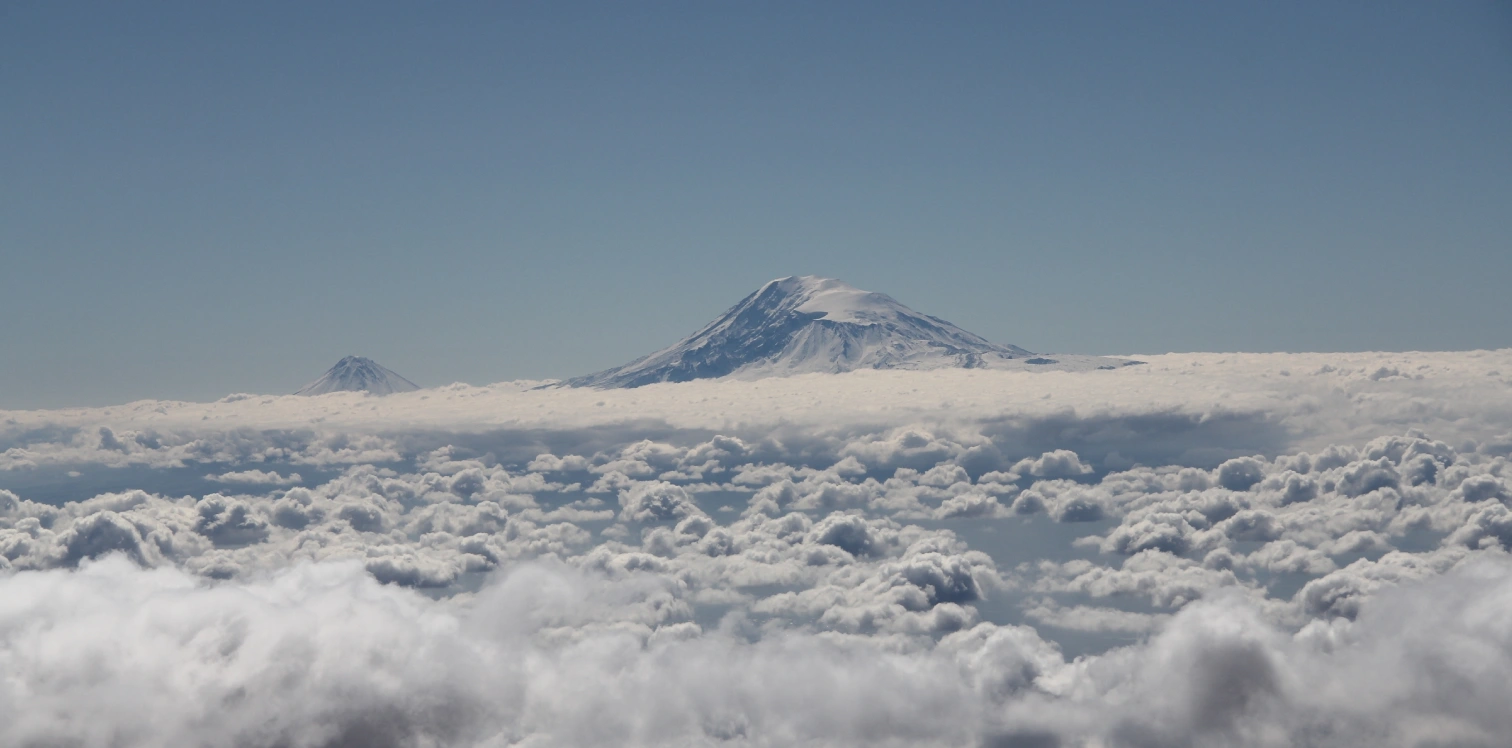
Snow-covered Kilimanjaro rises above a vast sea of clouds, revealing the mountain’s immense height, volcanic character, and commanding presence, making it one of Africa’s most remarkable and widely recognized natural landmarks.
What Kilimanjaro Facts Should You Know?
Kilimanjaro Facts quickly tell you that this is not just the tallest free-standing mountain in the world. It is a dormant volcano, the highest peak in Africa, a climb through changing climate zones, and one of the most famous trekking goals on earth. These details help people understand what the mountain is really like before booking Kilimanjaro Climbing Tours.
At Bestday Safaris, we do not just repeat mountain trivia and leave you there. We use these facts to help guests plan better climbs. Our team works with real route questions, altitude concerns, gear concerns, and pacing decisions every season, and our TripAdvisor record reflects that trust. When we talk about this mountain, we are talking from actual climb planning and real days on Kilimanjaro, not from a distance.
- 1. Mount Kilimanjaro Is a Dormant Volcano
- 2. Kilimanjaro Has Five Distinct Climate Zones
- 3. The Glaciers of Kilimanjaro Are Rapidly Disappearing
- 4. Mount Kilimanjaro Is One of the Seven Summits
- 5. The First Successful Summit of Kilimanjaro in 1889
- 6. Mount Kilimanjaro Has Inspired Several World Records
- 7. Official Climbing Routes on Mount Kilimanjaro
- 8. Oxygen Levels Are Significantly Lower at the Summit
- 9. Kilimanjaro Success Rates Depend on Route and Preparation
- 10. More Interesting Facts About Mount Kilimanjaro
- 11. Let These Kilimanjaro Facts Help You Plan Better
- 12. FAQs
Mount Kilimanjaro Is a Dormant Volcano
Kilimanjaro is a dormant volcano. That means it is not erupting now, but it is not classed as fully extinct either.
The mountain is made up of three volcanic cones:
- Kibo the highest cone and the one that holds Uhuru Peak
- Mawenzi – sharp, rugged, and no longer active
- Shira – older and collapsed, now seen as a broad plateau
Kibo is the cone people pay the most attention to. Small signs of geothermal activity have been found there, which is why scientists describe it as dormant. And honestly, that changes how the mountain feels. You are not just hiking up a tall hill. You are walking on a volcano with a long memory.
Kilimanjaro Has Five Distinct Climate Zones
Yes, Kilimanjaro really does take you through five climate zones. That is one of the clearest Kilimanjaro Facts, and you feel it on the ground, not just on a diagram.
You usually move through these zones in order:
- Cultivation Zone – farms, villages, banana trees, and people living on the lower slopes
- Rainforest Zone – damp trails, thick trees, birds, and sometimes monkeys above you
- Heath and Moorland Zone – open land, giant heather, strange-looking alpine plants
- Alpine Desert Zone – dry air, exposed ground, cold nights, and strong sun in the day
- Arctic Summit Zone – ice, frost, rock, and very thin air near the top
This is one reason the climb feels bigger than people expect. A few days earlier, you can be walking through a wet forest. Later, you are in a cold, bare summit world where every step feels slower.
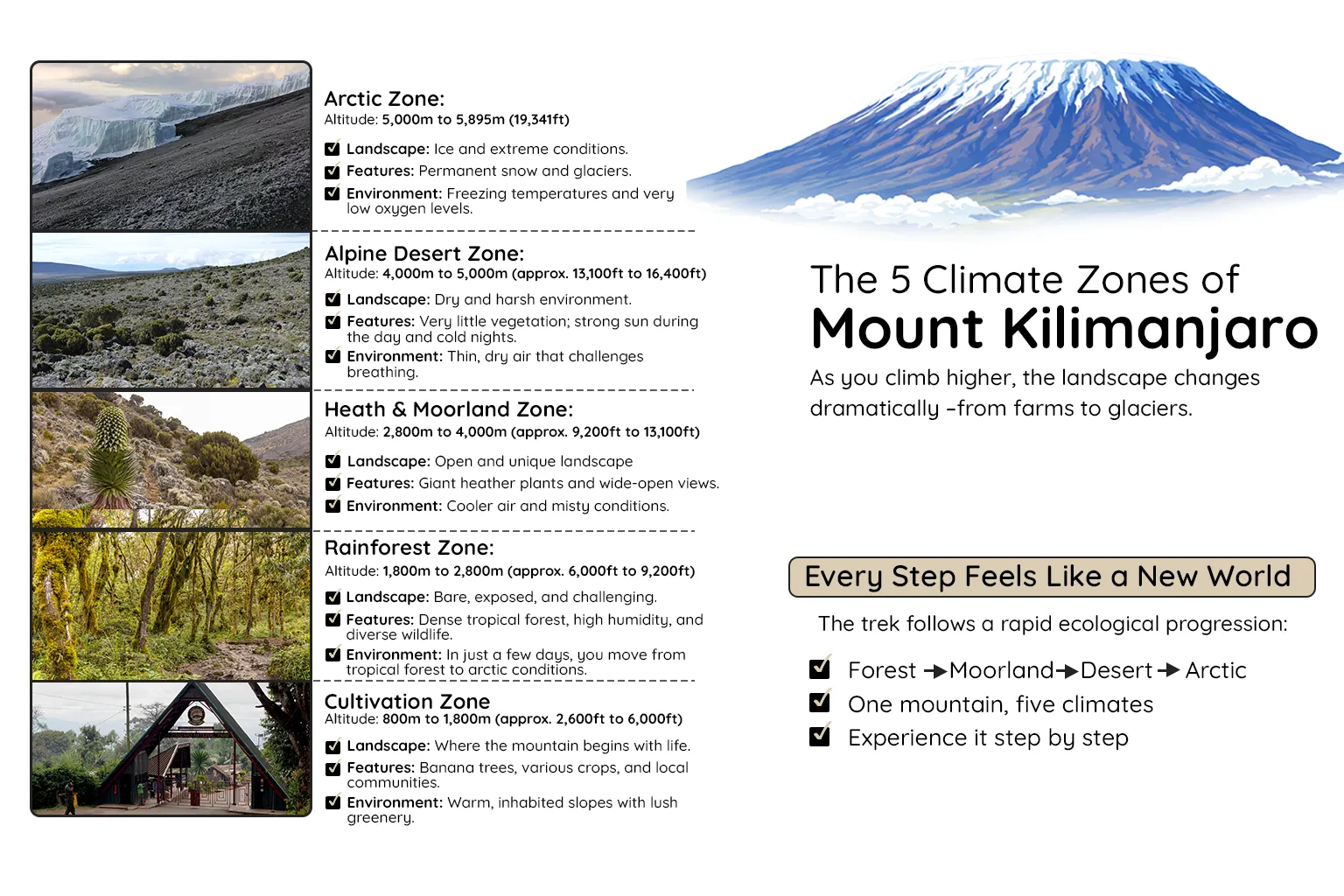
Infographic showing Mount Kilimanjaro’s five climate zones, from cultivation to arctic, with altitude ranges, landscapes, features, and environments, illustrating dramatic ecological changes experienced while trekking from base to summit.
The Glaciers of Kilimanjaro Are Rapidly Disappearing
Kilimanjaro is 205 miles from the equator, yet it has glaciers near the summit. Unfortunately, these glaciers are shrinking due to climate change.
For more than a century, the ice fields have been retreating. Old photos show much larger ice cover than you see today. There are various scientific discussions about the reasons, but one thing is obvious when comparing past and present images: the summit ice is not what it used to be.
That gives the mountain a strange feeling. You stand near ice almost on the equator, and at the same time, you know it is disappearing. A lot of climbers feel that tension before they even arrive. They want to see it while it is still there.
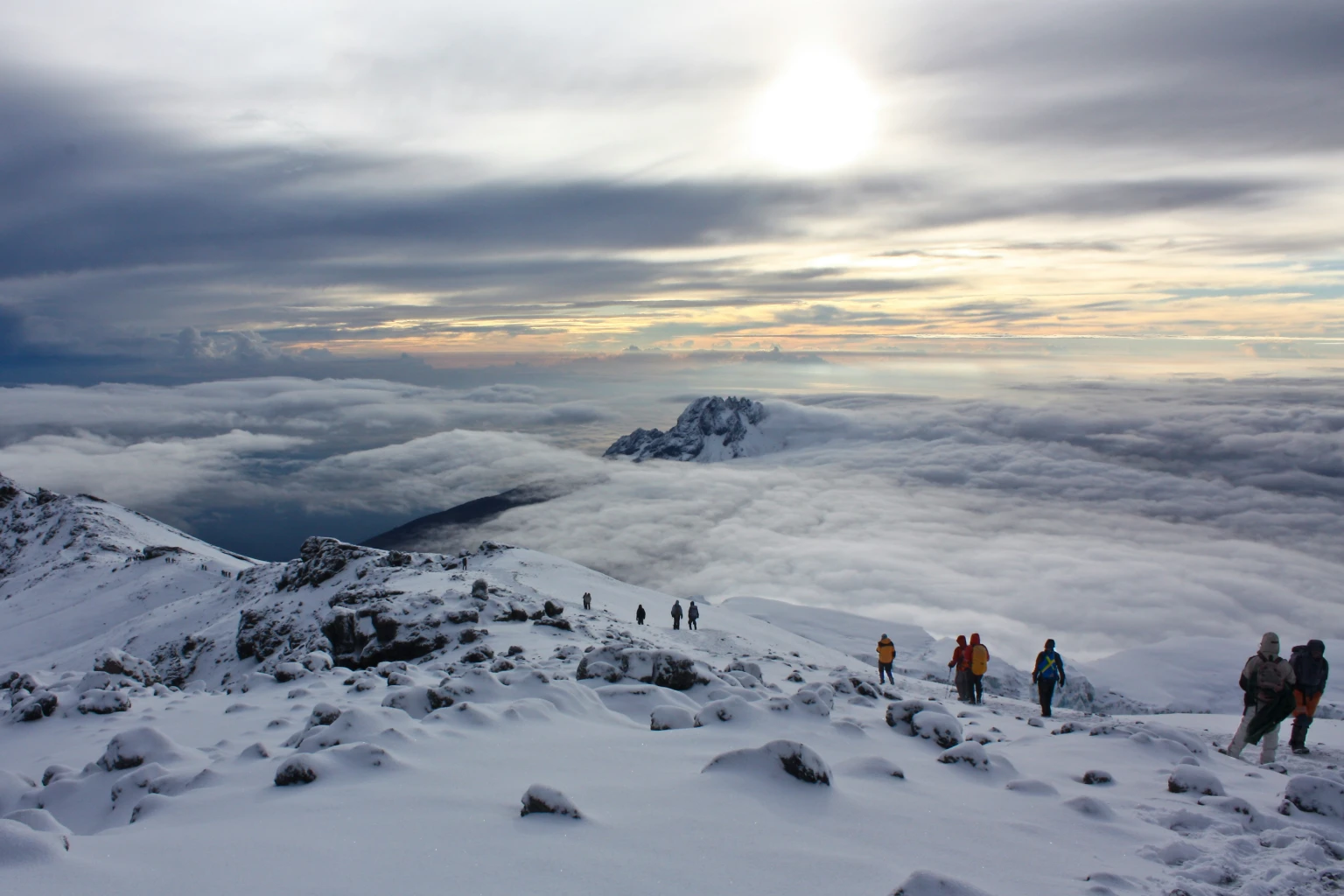
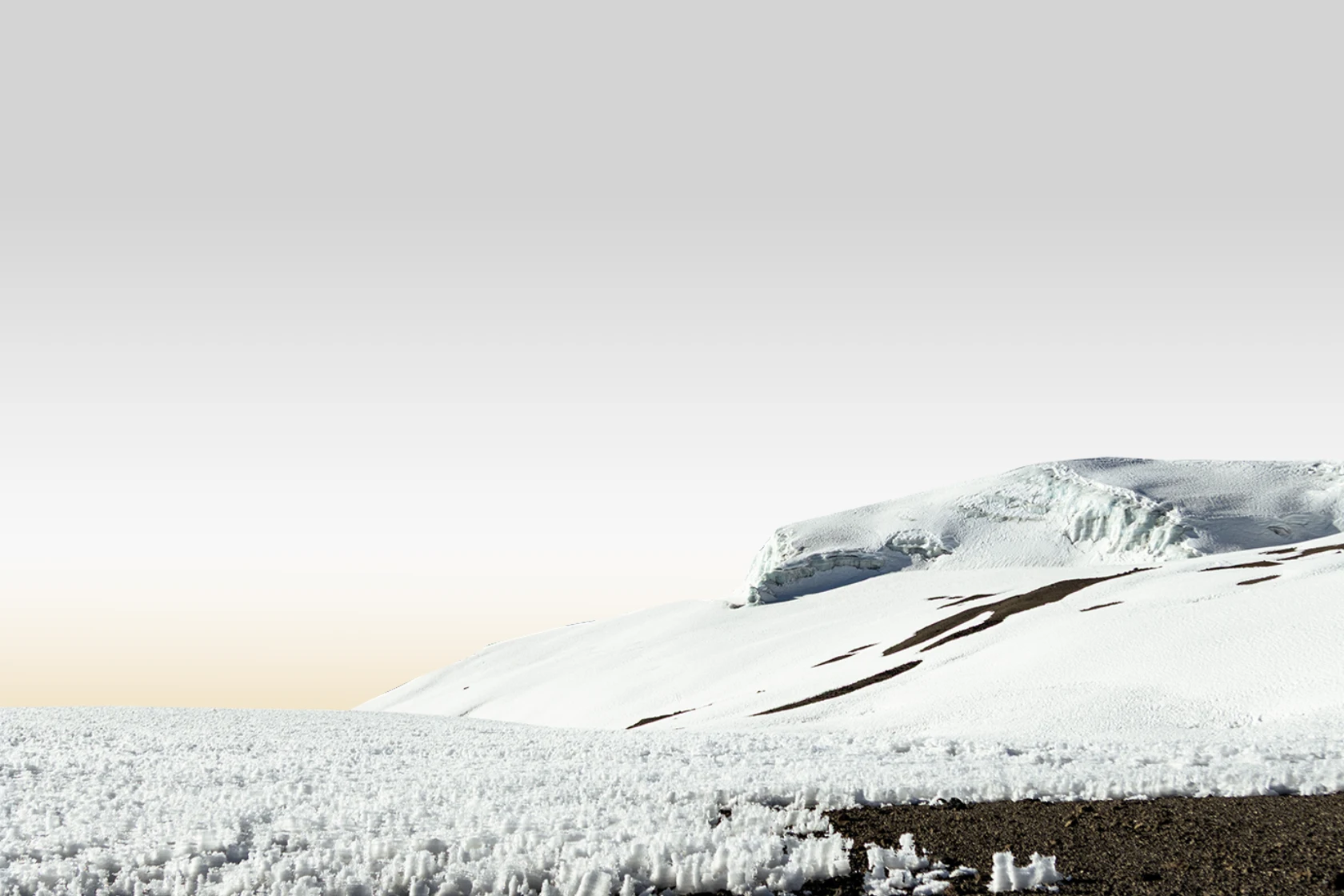
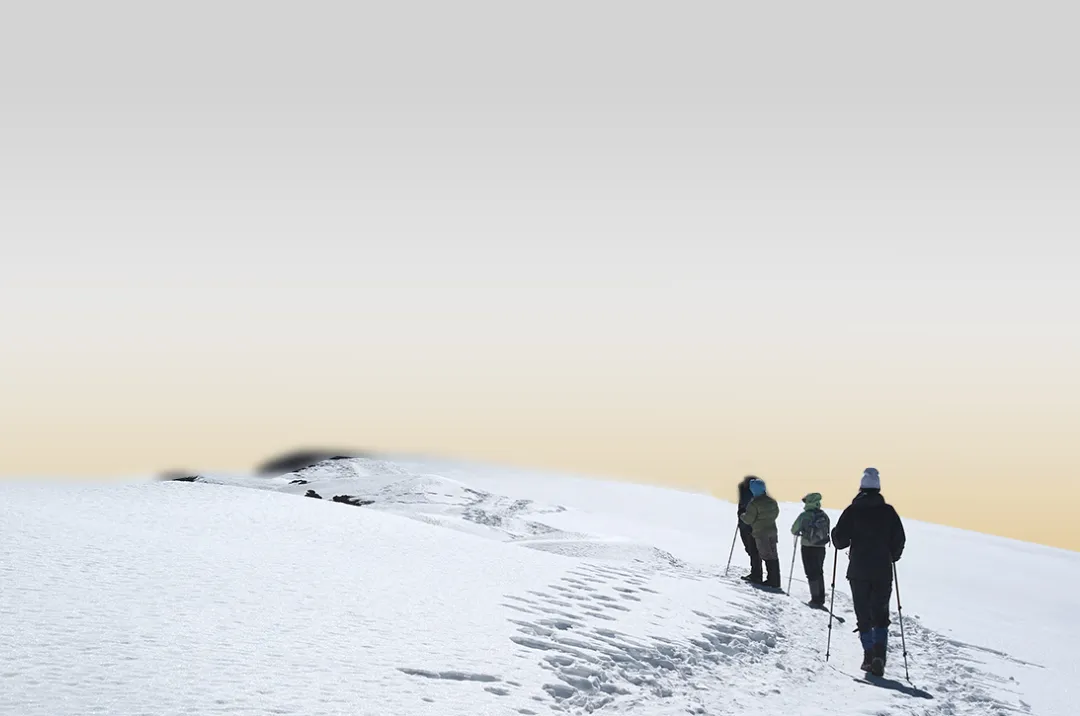
Climbers crossing Kilimanjaro’s snowy upper slopes above a sea of clouds reveal the mountain’s high-altitude environment, icy summit, and remarkable elevation, which make it Africa’s most iconic peak.
Mount Kilimanjaro Is One of the Seven Summits
Kilimanjaro is one of the Seven Summits, which means it is the highest mountain on the African continent.
That title gives it global pull. Climbers from all over the world come here because the mountain sits on a very famous list. But Kilimanjaro is also different from some of the others on that list. Climbing Kilimanjaro does not usually require technical mountaineering on the standard routes. No ropes. No ice axe work for normal trekking itineraries. The real challenge is altitude, stamina, and how well your body adjusts.
So yes, it is famous. But it is also accessible to ordinary trekkers who train well and take the mountain seriously.
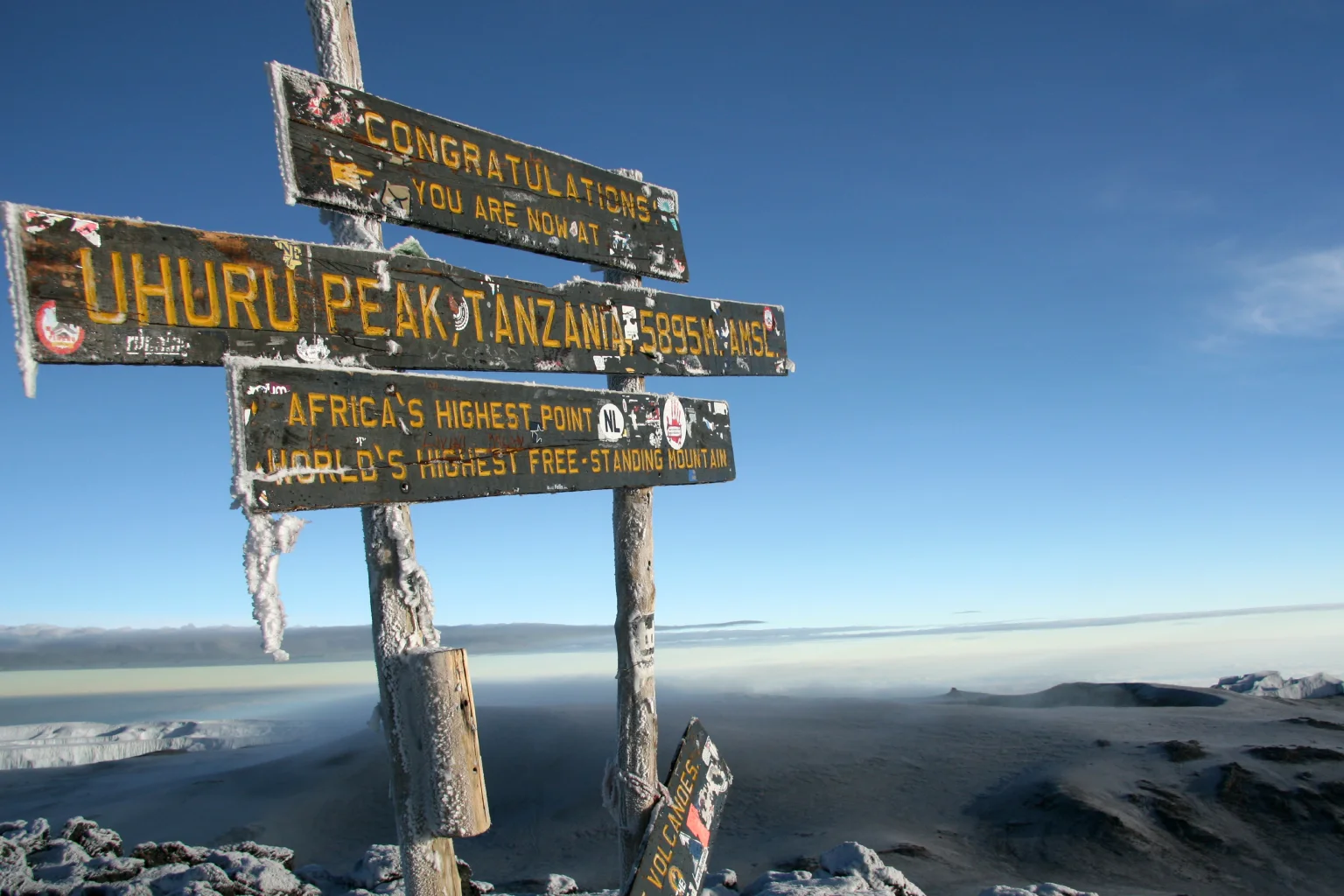
The Uhuru Peak summit sign marks Kilimanjaro’s highest point, highlighting one of the mountain’s best-known facts as Africa’s tallest peak and the world’s highest free-standing mountain.
The First Successful Summit of Kilimanjaro in 1889
The first widely recorded successful summit of Kilimanjaro happened in 1889.
Hans Meyer and Ludwig Purtscheller are the names most people hear first. But local guide Yohani Kinyala Lauwo was a part of it too. Climbs like that did not happen through outside ambition alone. Local knowledge helped the two to achieve this impressive feat.
And when you think about the time period, that ascent was no small thing. With heavy gear, poor clothing by modern standards, land, and a limited understanding of altitude, reaching the top back then took grit in its rawest form.
Mount Kilimanjaro Has Inspired Several World Records
Kilimanjaro has drawn record attempts for years. Some are serious. Some are a bit unusual. All of them show how much attention this mountain gets.
The record stories that made history on Kilimanjaro are:
- Fastest ascent was by Karl Egoff (Switzerland). The record time was 4 hours and 56 minutes.
- Fastest descent was by Kristina Madson from Denmark. The total trip was under 7 hours.
- The oldest man who has summited was Anne Lorimor from the USA. His age was 89.
- Similarly, the youngest climber was Coaltan Tanner from the USA. He completed the trip when he was 6 years old.
- One unconventional attempts that get people talking was when Sanjay Pandit hiked the entire mountain backwards in 26 hours.
These stories are interesting, but they should not distract first-time trekkers. Speed is not the goal for most people. But a safe climb and a steady pace is. Getting to the top and coming down well is what most climbers actually remember with relief.
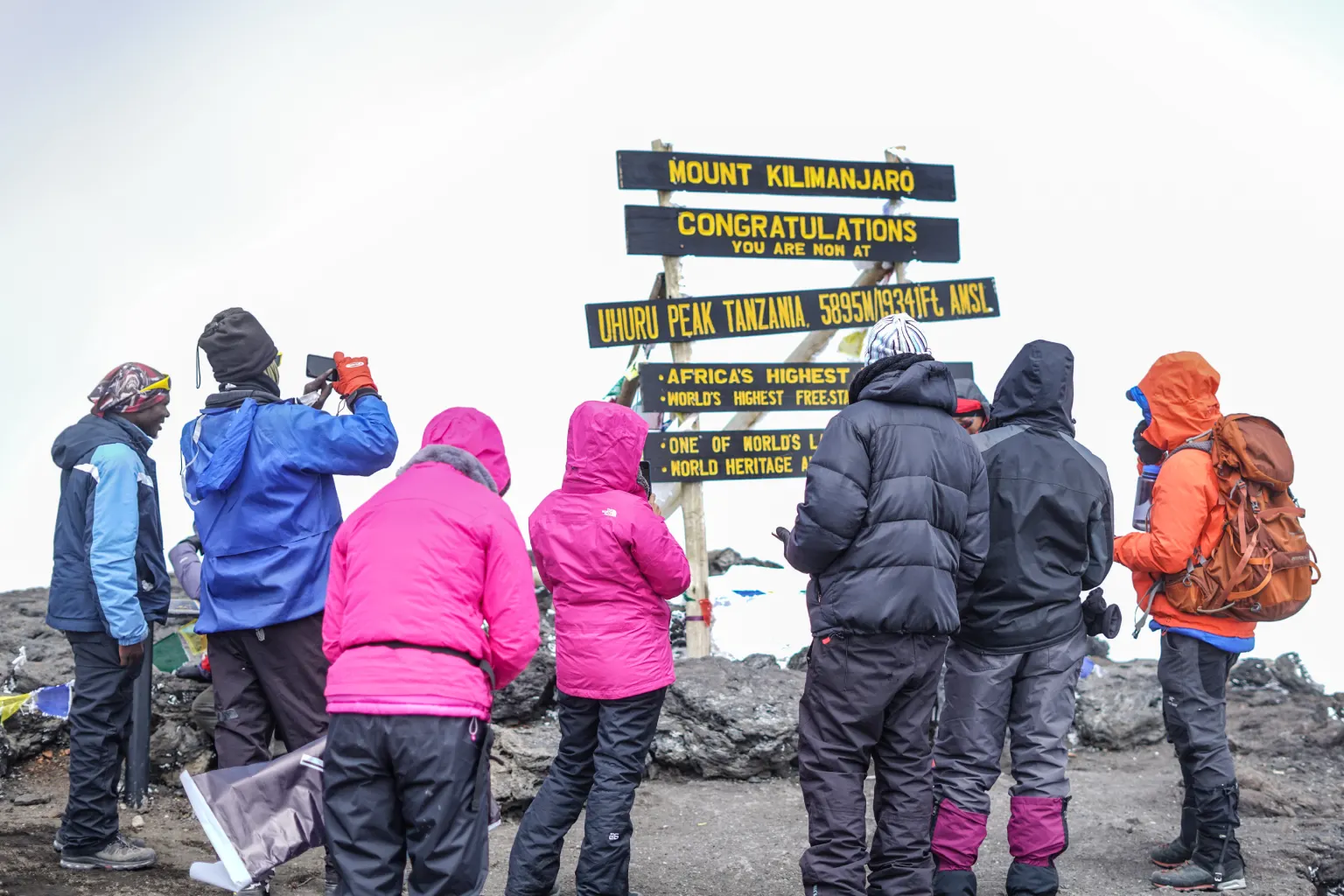
A group of climbers standing at the Uhuru Peak sign marks the final summit point of Kilimanjaro, one of the mountain’s most recognized features and a major high-altitude achievement.
Official Climbing Routes on Mount Kilimanjaro
Kilimanjaro has several official routes, and choosing one changes a lot about your trip.
The main Kilimanjaro Climbing Routes are:
- The Machame Route gives strong scenery and a busier trail
- The Lemosho Route gives a slower build and wide-open views
- The Rongai Route feels calmer and drier in many seasons
- The Shira Route suits some trekkers, but the higher start is not ideal for everyone
- The Marangu Route is simpler for people who prefer huts
- The Umbwe Route is usually for stronger, more experienced trekkers who know it is not the easy way up
This is where good advice helps. A route is not just a line on a map. It affects your comfort, your altitude adjustment, the crowds around you, and your chances of reaching the summit.
- Kilimanjaro
- Private
- Luxury
- Camp
6 Days Shira Route
Starts from: On Request
View Tour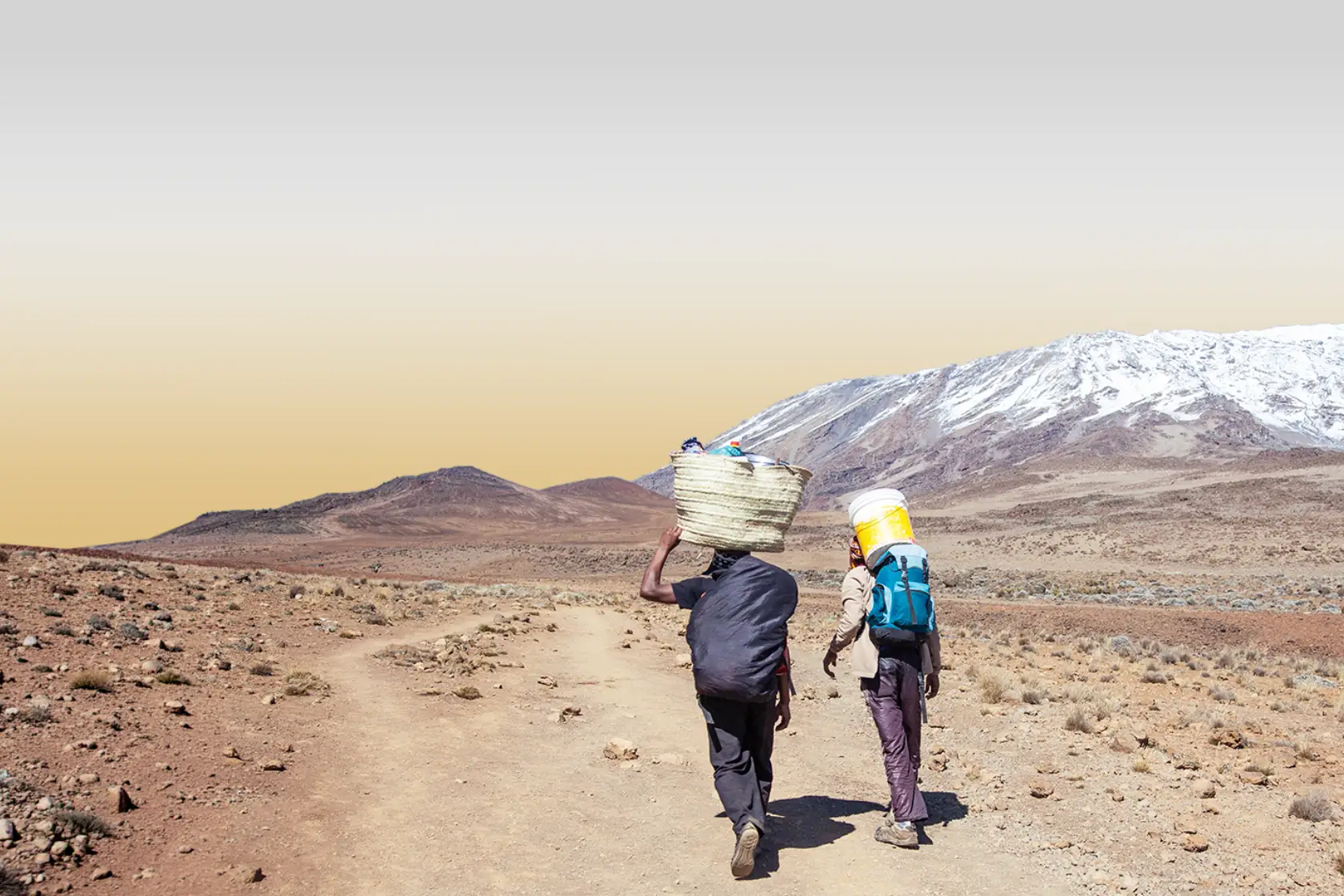
- Kilimanjaro
- Private
- Luxury
- Camp
6 Days Rongai Route
Starts from: On Request
View Tour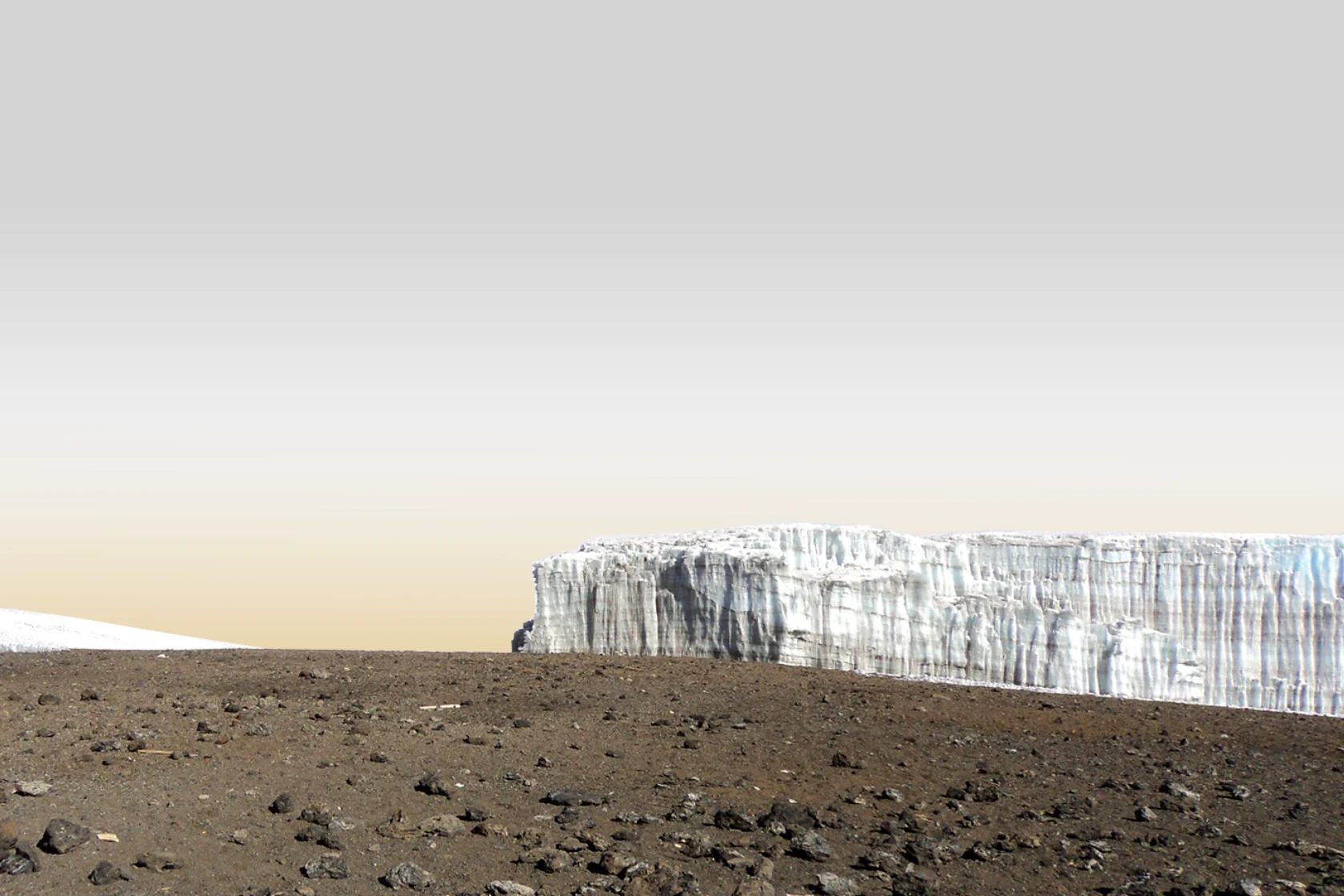
- Kilimanjaro
- Private
- Luxury
- Hut
5 Days Marangu Route
Starts from: On Request
View Tour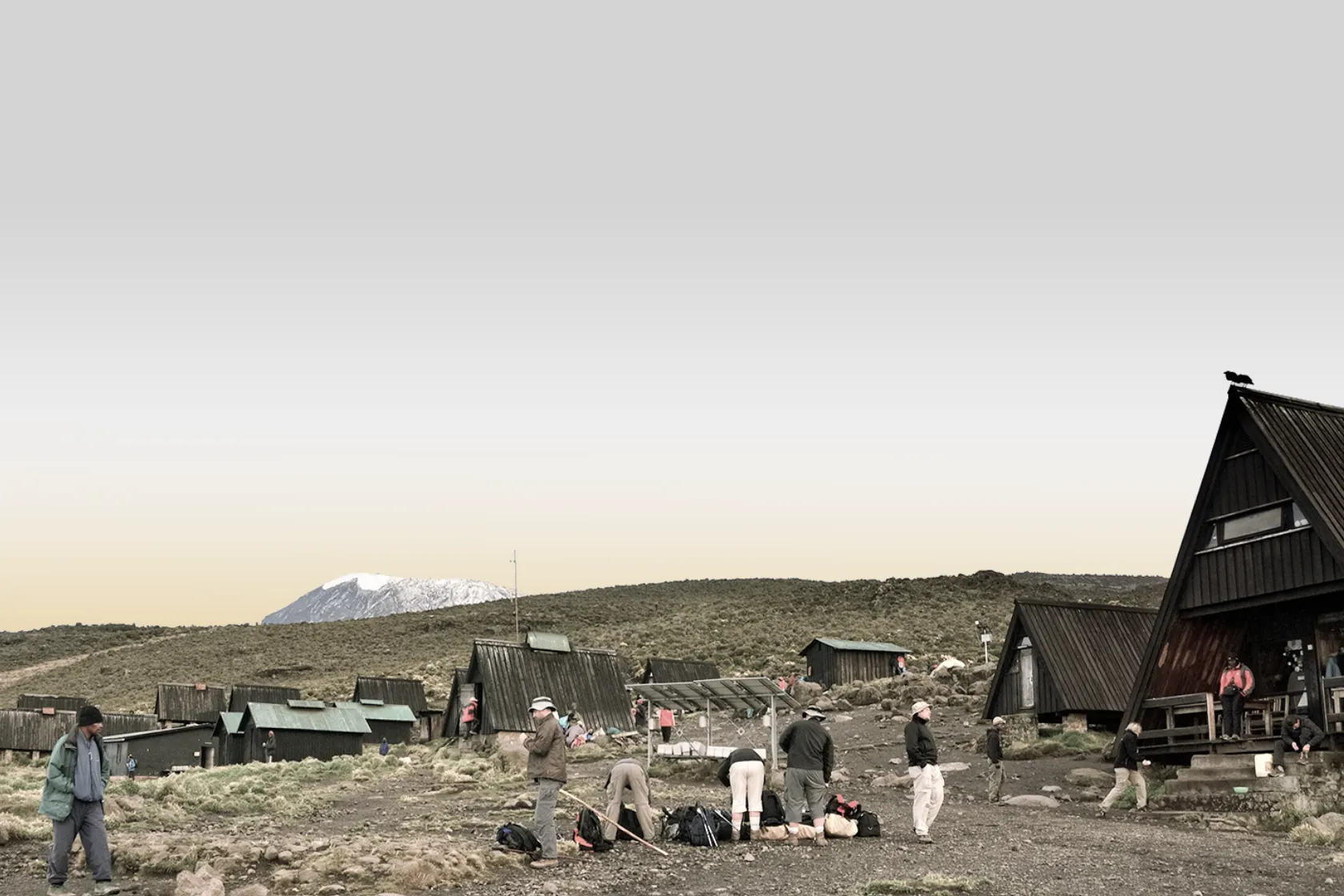
- Kilimanjaro
- Private
- Luxury
- Hut
6 Days Marangu Route
Starts from: On Request
View TourOxygen Levels Are Significantly Lower at the Summit
The biggest challenge on Kilimanjaro is the thin air at the summit and the resulting lack of oxygen. This is because oxygen levels at Uhuru Peak are much lower than at sea level. That is why people can feel:
- Headaches
- Nausea
- Dizziness
- Heavy fatigue
- Loss of appetite
- Shortness of breath even at a slow pace
This is where Kilimanjaro Altitude Sickness becomes real. And it does not only affect unfit people. Very fit trekkers can struggle too. Sometimes they struggle more because they move too fast early on.
That is why guides keep repeating the same message: go slowly and drink water regularly. They keep on asking to eat even when you do not feel like it, and pay attention to symptoms.
The Summit night is hard for a reason. It is cold, dark, and tiring, and the body is working with far less oxygen than it would like.
Kilimanjaro is more than its summit height. Understanding how the mountain works, from climate zones to route differences, helps climbers prepare better and enjoy the journey more fully.
Peter Charles
Kilimanjaro Success Rates Depend on Route and Preparation
Yes, success rates on Kilimanjaro depend heavily on route choice and preparation.
Longer routes usually give better summit results because they give the body more time to adjust. A rushed climb can look cheaper or quicker on paper, but that does not always turn into a better experience.
A few things improve your chances:
- Pick a route with enough acclimatization time
- Train with long walks, stairs, and steady endurance work
- Follow a proper Kilimanjaro Packing List so missing gear does not create extra stress
- Stay hydrated from the first day
- Listen to the guides, especially when they slow the pace
- Do not treat the early days like a race
Preparation also includes the basics that people sometimes ignore, like sleep and warm layers. Footwear that is already broken in. A complete Kilimanjaro Gear List helps more than people think because small mistakes grow quickly on a mountain.
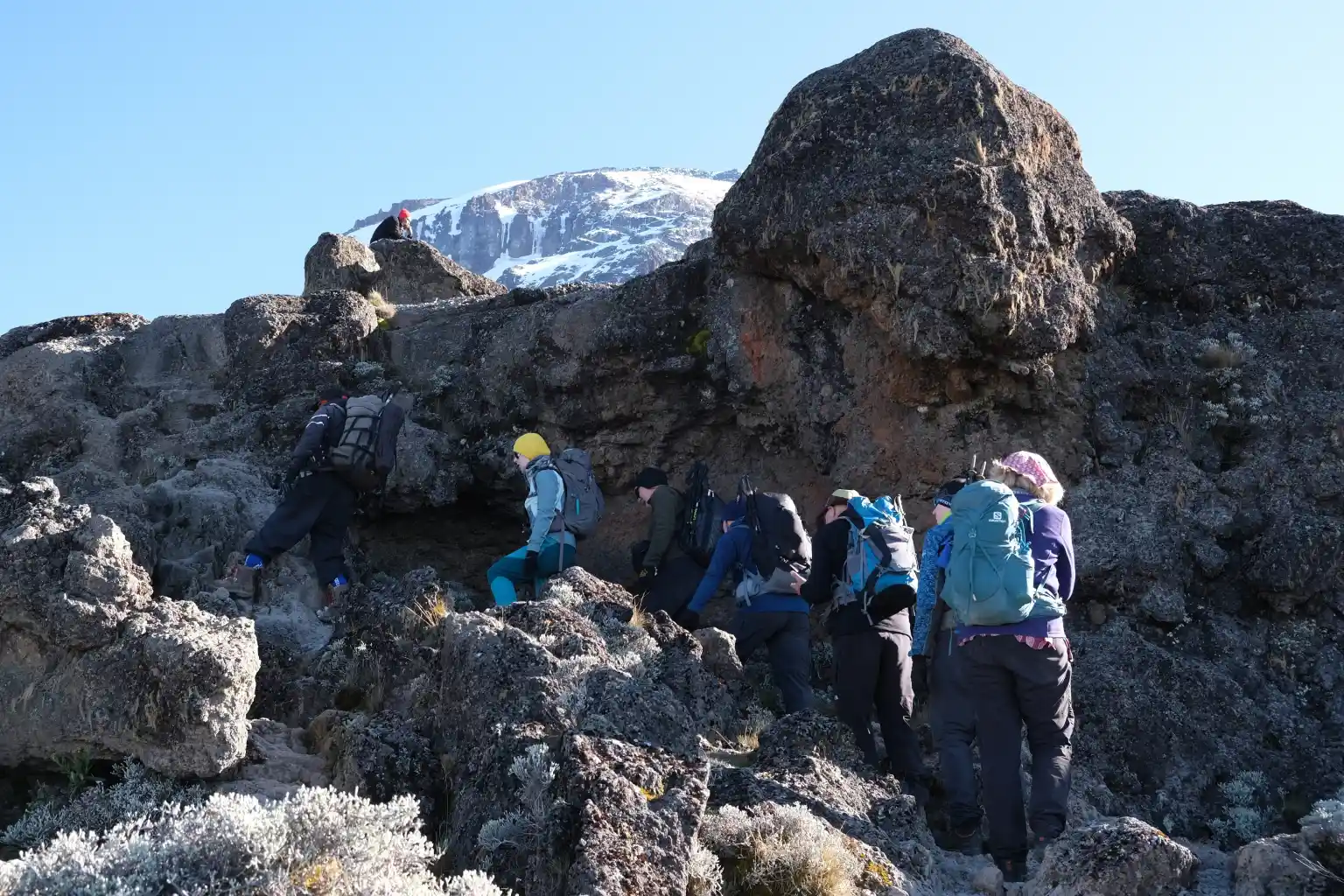
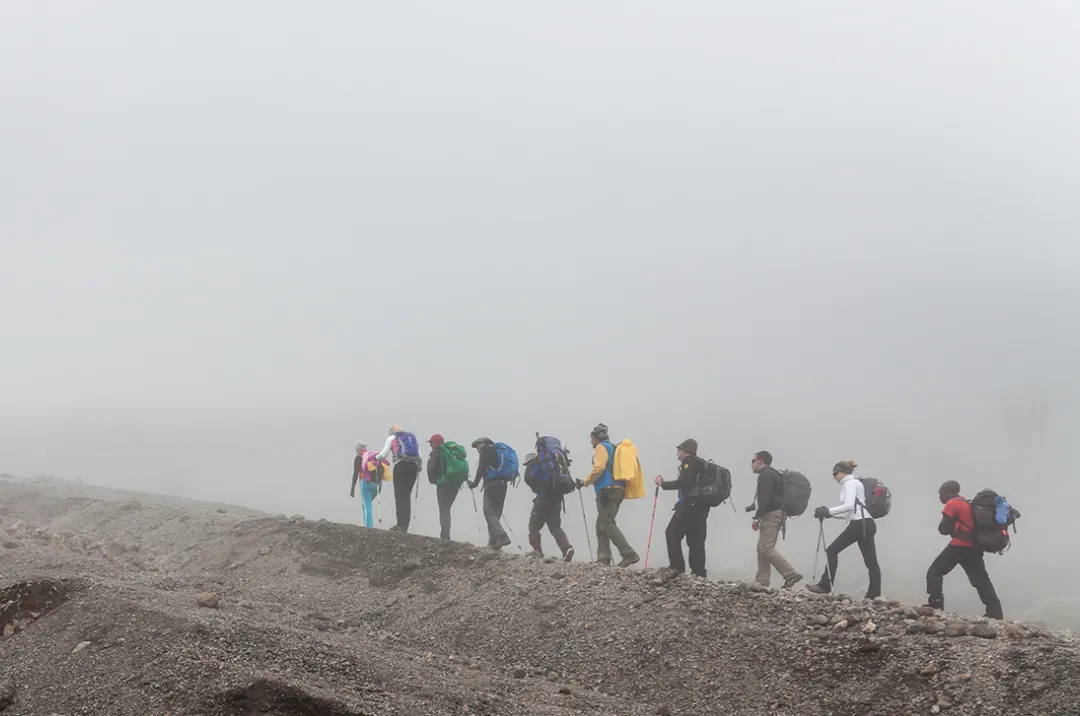
Climbers cross Kilimanjaro’s rugged volcanic slopes, illustrating the mountain’s dormant volcano history, rocky terrain, and glacier-capped summit while revealing the dramatic geological features that make Africa’s highest peak so distinctive.
More Interesting Facts About Mount Kilimanjaro
Some of the best Kilimanjaro Facts are the ones people do not hear right away.
Here are a few worth keeping in mind:
- The name Kilimanjaro comes from the Swahili ‘Kilima’ (mountain) and Chagga “Njaro” (whiteness). It first came into public view when Ptolemy mentioned it in the second century.
- Uhuru Peak is the highest point on Kibo’s crater rim. The summit zone is very cold and dry, resembling Arctic tundra.
- The mountain rises straight from the plains, which is why it looks so striking from far away
- On Kilimanjaro, you can experience snow and equatorial sun on the same day.
- There was a club, the “East African Mountain Club,” that built the first climbing huts in the 1920s. Till 1973, they ran all climbs on the mountain.
- Today, there are many Kilimanjaro Tour Operators who run climbs. A climb is supported by guides, cooks, and Kilimanjaro Porters working together every day
- Food on the mountain is planned with care, and Kilimanjaro Foods are there to keep energy up, not just fill a plate
- Some climbs include comfort upgrades like Private Toilet Tents on Kilimanjaro
- Safety planning can include emergency response and Kilimanjaro Rescue support if someone cannot continue
People also ask about timing a lot, and that is fair. The Best Time For Kilimanjaro usually falls in the drier seasons, mainly January to mid-March and June to October. Those months often bring clearer views and firmer trails. But quieter travel periods can appeal to some climbers, even in wetter conditions.
Let These Kilimanjaro Facts Help You Plan Better
Good Kilimanjaro Facts should do more than sound impressive. They should help you understand the mountain before you commit to it. That means knowing what the altitude feels like, how the routes differ, what the glaciers are doing, and why planning early can save you trouble later.
At Bestday Safaris, we use that knowledge to build each Kilimanjaro Climbing Tour around the person, making it not a generic template. Get a custom climb plan with route advice, honest support, and practical guidance from a team that knows the mountain well.
Get a custom Kilimanjaro itinerary built around your pace, route, and travel month.
Learn the facts that make Kilimanjaro easier to understand.
Speak to our experts today!
Frequently Asked Questions
Kilimanjaro is the world’s largest free-standing volcano with a volcanic trio consisting of three cones: Kibo, Mawenzi, and Shira. Mawenzi and Shira are extinct volcanoes, and Kibo is dormant.
Mount Kilimanjaro is called free-standing because it rises alone from the surrounding plains and isn't tied to a larger mountain range.
Climbers can choose from seven official routes: Marangu, Machame, Lemosho, Umbwe, Shira, Northern Circuit, and Rongai.
Yes, the best time to climb Kilimanjaro really affects the experience. Dry months give you clearer views and firm trails, while rainy months offer a quieter, more private feel on the mountain.
Longer Kilimanjaro routes give your body more time to get used to the high altitude and low oxygen, which drops your odds of hitting trouble with altitude sickness.

Plan a Mountain Climbing Trip
We offer a range of mountain climbing experiences. You can also chat with our climbing specialist for a customized trekking itinerary in Tanzania.
Recommended by


Kilimanjaro Travel Guide
Your Trusted Guide for Every Climb Detail
Our Kilimanjaro travel guide is here to make planning easier. It covers the best time to climb, route options, costs, fitness preparation, packing advice, and useful mountain tips that matter once you are really on the trail. Climbing Kilimanjaro feels much more manageable when the right information is in one place, and that is exactly what this guide is meant to give you from the start.
Guestbook Moments
Real Stories from Safari Guests
A good safari often lives on through the words guests bring back. Here, Bestday Safaris travelers share notes on the people, pace, small comforts, wildlife moments, and honest care that became part of their journey. Their reviews help future travelers see beyond the itinerary and understand how each safari feels on the ground.
Excellent

4.9 out of 5
753 Reviews
Lorena T

We had an amazing experience with BestDays Safaris. Our driver Muro was very knowledgeable, took us away from crowds to spot animals and was an excellent guide. The camping accommodation that BestDay Safaris
Mar 2026
Alejandra Q
We just finished an incredible safari as our honeymoon on a private safari tour for us two with Best Day Safaris in Tanzania and the whole experience exceeded our expectations.During the trip we explored Tarangire...
Mar 2026
Gabriel R
Our safari in Tanzania was honestly better than we ever imagined, easily the best trip we’ve ever taken. We visited Tarangire National Park, the incredible Serengeti National Park, and the breathtaking and the breathtaking...
Mar 2026
Francesca C
Beautiful experience, absolutely to try! If you love nature and animals you can not miss this incredible journey with Best Day Safari! My father and I visited in 4 days the Tarangire park, the Serengeti (with...
Dec 2025
Michaela P
We planned our 5-day safari about 1 month before with Xenia. Communication with Xenia was straightforward, very friendly, very reliable and she gave us enough freedom and time to make decisions. The safari has...
Oct 2025
Chad
We had the most amazing safari experience with BestDay safari’s. From start to finish they were exceptional, Xenia planned the perfect 10 day safari and our guide Joseph was extremely kind, knowledgable and...
Jan 2026
Start planning your safari. Get matched with a local adventure specialist.
 David
David
 Jackson Mollel
 Stephen
Faraj
Abel
Stephen
Faraj
Abel