
 BestDay Safaris
Climbing Mount Kilimanjaro is exciting, but figuring out the cost can be confusing. The Climb Kilimanjaro Cost isn’t a fixed calculation; it changes with factors. For 2026 and 2027, the cost is going to be more than usual. It will cover better safety, fair pay for the hardworking porters, and take care of the mountain.
This guide will show you the Kilimanjaro Price Breakdown plainly. We shall break it down so you can plan your budget without surprises. We want to help you understand what you’ll be paying for. This will allow you to focus on your adventure. By the end, you will have a full view of the Kilimanjaro Climbing Budget required for a successful and ethical trek.
Why Prices Are Going Up
You might see that the 2026-2027 trip costs will be a bit more now. But there are good reasons for this.
- First, the national park has raised its fees. This money helps protect the mountain.
- Second, there’s a push to pay Kilimanjaro Porters better wages. This is the right thing to do because the team members work incredibly hard.
- Additionally, safety standards have improved. Companies now spend more on modern medical tools and emergency training. The higher-quality gear and tents they use also increase the price. But such things make your stay on the mountain much safer.
- Finally, the cost of fuel and food in Tanzania changes often. These costs affect how much it costs to transport supplies from the start of the trail.
While the Kilimanjaro Trek Cost 2026 might seem high, it will only ensure you get a good experience.
What You’re Actually Paying For
Your Cost to climb Kilimanjaro is made up of a few key parts. Let’s look at each one.
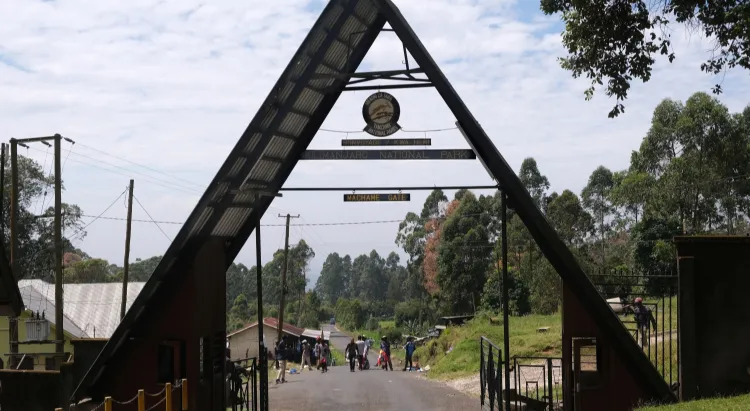
- Park Fees (The Biggest Chunk)
This is the largest part of your Climb Kilimanjaro Cost. The Tanzanian government requires several daily payments per person. They include a daily park fee, a rescue fee, and a place to sleep each night. The longer your climb, the more these fees add up.
A rescue fee is also mandatory. This fee helps fund the Kilimanjaro Rescue services that assist climbers in distress.
- Paying Your Team
You don’t climb alone. Any Kilimanjaro Climbing Tour includes a large team. A team of guides, cooks, and Kilimanjaro porters will help you. A good company pays them fairly, gives them proper food and shelter. Budgeting for this means your team is happy and safe.
- The Gear You Use
Check what the company provides. Some give basic gear. Others offer newer, better-quality items. You should always ask for their Kilimanjaro Gear List. This outlines what they provide and what you need to bring.
- Food on the Mountain
Cooking up high is hard work. Good companies bring tasty, filling Kilimanjaro Foods. The cost covers the food, plus carrying it up and cooking it in tough conditions.
- Staying Safe
A good operator is ready for problems. They have plans for rescue and for helping with Kilimanjaro Altitude Sickness. This includes trained guides, emergency oxygen, and clear steps to get help. This safety net is part of your cost.
How Your Chosen Path Changes the Price
The route you pick makes a big difference in cost. Longer Kilimanjaro Climbing Routes cost more but help your body acclimate more effectively.
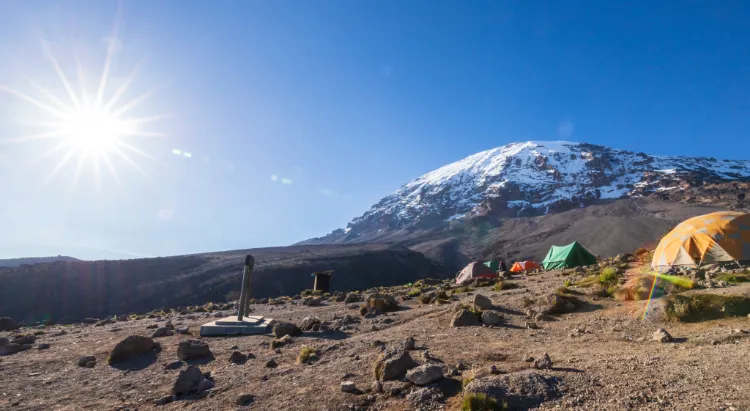
Machame Route (The Whiskey Route)
- Cost range: $2200 – $2800
- Often offer a good value for a 6–7-day climb.
- Popular for its beautiful views. It’s a challenging route route but with a good success rate.
Lemosho Route (The Premium Scenic Route)
- Cost Range: $2800 – $3200 for a 7–8-day climb.
- It’s longer, very pretty, and has a high success rate.
- More days mean higher costs, but offers excellent acclimatization and a more remote start.
Rongai Route (The Quiet Approach)
- Cost range: $2600 – $3400 for a 6–7-day climb.
- It starts on the quiet north side, which needs more planning.
- Offers a unique perpective.
Marangu Route (The Coca-Cola Route)
- Cost range: $1800 – $2400 for a 5–6-day climb.
- You’ll sleep in huts and that’s what changes the price because camping gear costs are removed.
- This itinerary is a major drawback for acclimatization.
- It’s shorter but harder to succeed because you go up too fast.
Shira Route
- Cost range: $3000 – $3800 for a 7–8-day climb.
- Begins with a high-altitude drive to the Shira plateau.
- Less common and more expensive due to remote access.
Umbwe Route
- Cost range: $2000- $2600 for a 5–6-day climb.
- Short but very steep.
- Not the best choice for most people.
Remember, a longer trip lets your body get used to the height. This makes the route cost higher, but it makes you much safer.
What to Expect to Pay in 2026-2027
Here’s a look at the different tour operator prices you can expect in 2026-2027.
- Budget Operators ($1,600–$2,000): You must ask how they treat their team and handle safety. This lower price often means less. The gear might be old, the food simple, and the porters carry heavy loads.
- Mid-Range Operators ($2,200–$3,200): This is the sweet spot for many. It usually means they provide good safety gear, solid food, and fair treatment for staff. It’s a balanced choice.
- Luxury Operators ($3,500–$6,500+): These provide a top-end experience. It will include items such as Private Toilet Tents On Kilimanjaro, the best gear, small loads for porters, and expert guides.
Ultimately, your choice should align with your values and priorities. You should choose an operator that’ll balance ethical practices, safety, and value.
Costs People Often Forget
Your Climb Kilimanjaro Cost doesn’t cover everything. Remember to budget for these extras.
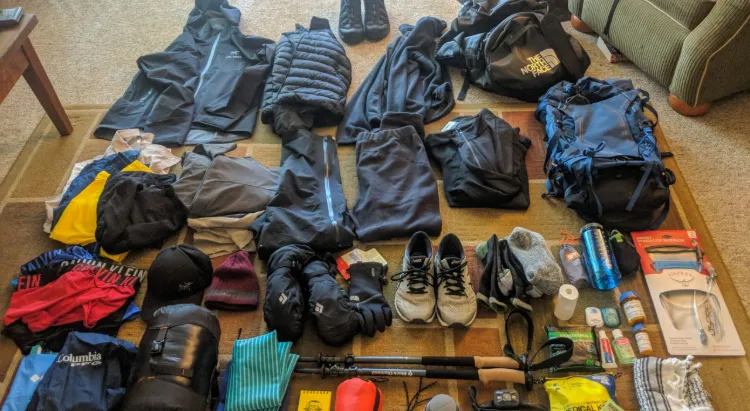
Renting Gear: Your Kilimanjaro Packing List may require items such as a warm sleeping bag or trekking poles. You may have to rent these. Rental costs for these can cost $50-$150+.
Tipping the Crew: Tipping your team is standard. You should plan a separate amount for this. Budget for tipping your time while planning.
Travel Insurance: You must have this. Get a policy that covers high mountains and emergency rescue. Typically, this costs $150- $300.
Visa for Tanzania: You need a Tanzania Visa to enter the country. The cost for getting it is around $50-$100.
Extra Hotel Nights: Plan for a hotel before and after your climb in Arusha or Moshi. This may cost $50- $150 per night.
Little Extras: Your own snacks, water, and medicine for Kilimanjaro Altitude Sickness.
Your Gadgets: consider carrying extra battery packs, power banks, and cases for your Electronic Gadgets On Kilimanjaro. This will help to reduce battery drainage as a result of cold weather.
Cheap, Middle, or Premium: What’s the Difference?
The Kilimanjaro Tour Operator you pick changes your whole trip. It is helpful to know their differences and how they affect your climb.
Cheap Operators cut corners. This can mean poor equipment, insufficient food, tired porters, and few safety measures. Cheap operators often use older tents that might leak in the rain. The low cost comes with real risk.
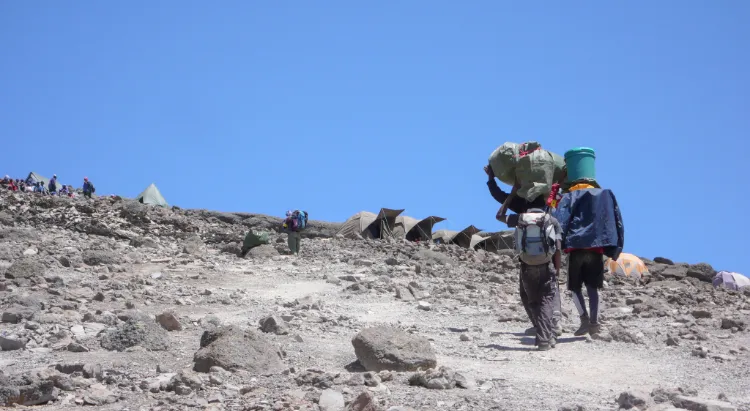
Mid-Range Operators find a good balance. You get safe practices, reliable equipment, proper meals, and the crew is well-treated. This option gives you peace of mind.
Premium Operators focus on comfort and safety. You get your own private toilet tents, top-quality gear, more staff to help you, and the most experienced guides. In case of emergencies, we can provide helicopter evacuation. They plan for every detail. You can compare Kilimanjaro Climbing Packages to understand what services Bestday Safaris or similar companies include.
When You Go, the price changes
The Best Time for Kilimanjaro changes the cost. The peak seasons are from July to October. During this time, the weather is dry and clear. Prices for flights and hotels tend to rise because many people want to go during this time.
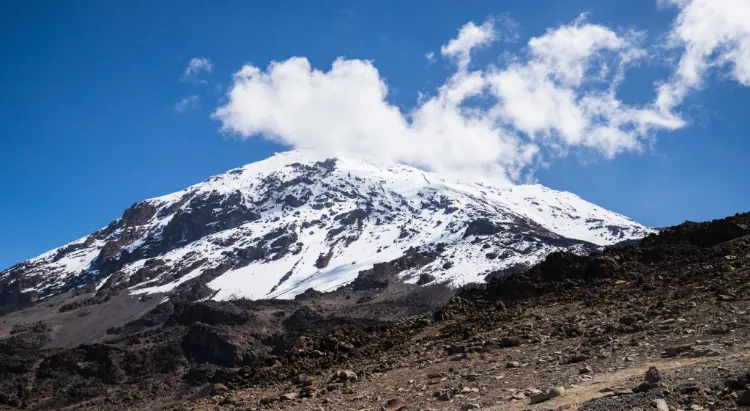
The shoulder seasons happen from January to March. The weather is still good, and you might find more moderate prices for your Climb Kilimanjaro Cost. Rainy Seasons (April–May & November) have lower prices. But you will face rain and mud on the trail.
Example Budgets for Your Climb
Here are the ways to look at the Climb Kilimanjaro Cost. Let’s make this practical with three examples.
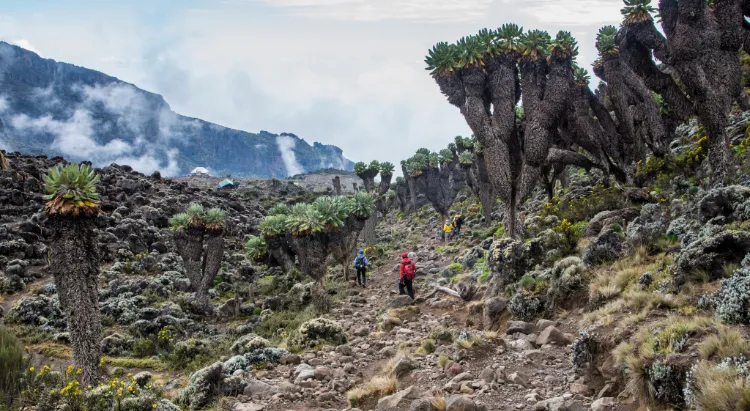
- For a budget plan: Choose the Machame Route. Rent your gear. Stay in basic hotels. Focus your money on the climb itself. Total cost might be around $2,300, including flights and tips.
- For a Midrange Plan: Pick the Lemosho Route. Bring your own good gear. Enjoy better meals on the mountain. You can stay in a nice hotel to recover. Total cost might be around $3,800.
- For a Premium plan: Choose the Lemosho or Rongai Route. Your price covers private transport, the best food, your own bathroom tent, and total comfort. Total cost could exceed $6,000.
Wrapping It Up
The Cost Of Climbing Kilimanjaro isn’t just a number. It’s about safety, paying the porter fairly, and protecting the mountain. Your budget is an investment in a trip you’ll remember forever.
Get Clear Kilimanjaro Cost Guidance for 2026–2027
If you want help planning your 2026–2027 climb budget, Bestday Safaris can walk you through it. We can explain the routes, seasonal pricing, and what each type of company offers. This way, you can plan with clear eyes and feel confident about your adventure.
Peter
He is committed to sustainable travel and cooperates with trusted safari operators, lodges, and conservation experts to ensure accuracy for your 2026 plans.
About UsCategories
 Safaris (19)
- Trekking (1)
Why Choose Best Day Safaris
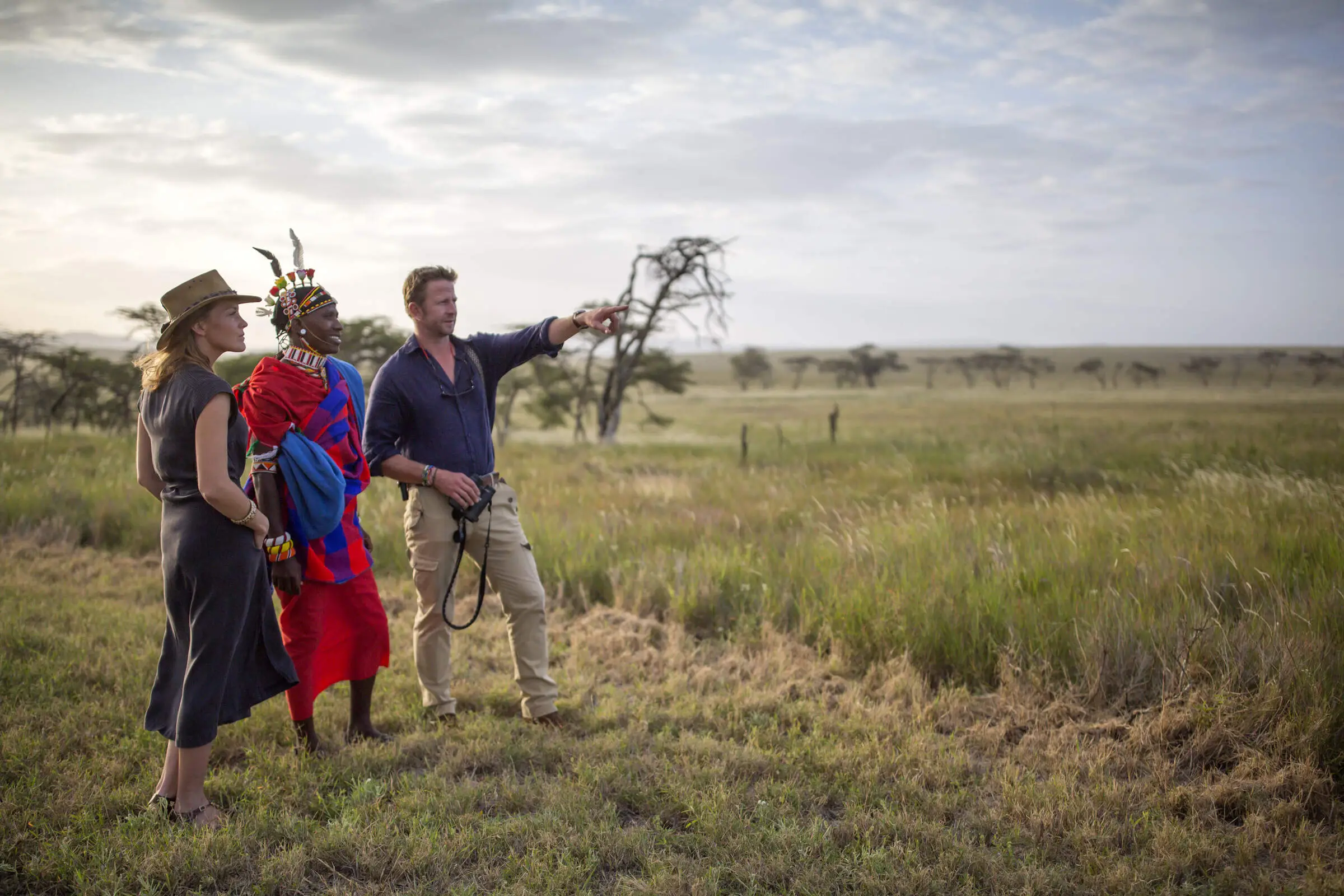
Choose Bestday Safaris for private, well-planned journeys, expert local guides, meaningful wildlife moments, flexible itineraries, and genuinely caring, detail-focused service.
We are born here and consider Tanzania National Parks as our backyards. We have extensive knowledge of the trails, the best times, and off-the-beaten paths that most visitors miss.
Our Tanzania Safari Prices are fair and easy to understand. They are meant to give you real value of money without lowering the quality of your experience.
Our tours are designed to be environment friendly. They try to minimize effects while supporting conservation, so you can enjoy nature knowing that it's being taken care of.
Related Blogs
Our Most Popular & Best Tanzania Adventures
Discover the wild beauty of Tanzania with Best Day Safaris. From thrilling game drives in Serengeti to breathtaking views of Ngorongoro Crater, experience unforgettable adventures guided by local experts who know the land best.
Create Your Own Tour
Helping You To Create A More Exciting Tailor-Made Tours!
Whether you are ready for Tanzania Safari Dream or Kilimanjaro Adventure or Beach Relaxation for a few days or a few weeks long, our experts will create an itinerary from scratch, fully tailored to your wishes. Want to visit a beautiful destination or start an adventure to reach the top, or relax in a paradise, we will make it happen.