

 BestDay Safaris
Planning an epic trip like Climbing Mount Kilimanjaro often starts with excitement, followed quickly by feeling totally confused. Maybe you’ve seen great pictures and thought, “I can do that!” or perhaps you’ve already marked 2026 on your calendar.
However, many climbers make a big mistake early on: they treat Kilimanjaro Climbing like just another task to check off, instead of respecting what the mountain demands. They focus only on booking flights or buying gear, forgetting the essentials for success.
This guide is meant to calm your worries by focusing only on what truly helps you succeed. We’ll cover the realistic prep you need, covering fitness, gear, and strategy. A good operator plans the climb around acclimatization and safety, not speed. After reading this, you’ll have a smart guide for conquering this great mountain. For the best chance at Kilimanjaro Climbing, your prep must be honest about the tough place you’re going.
What Makes Kilimanjaro Hard?
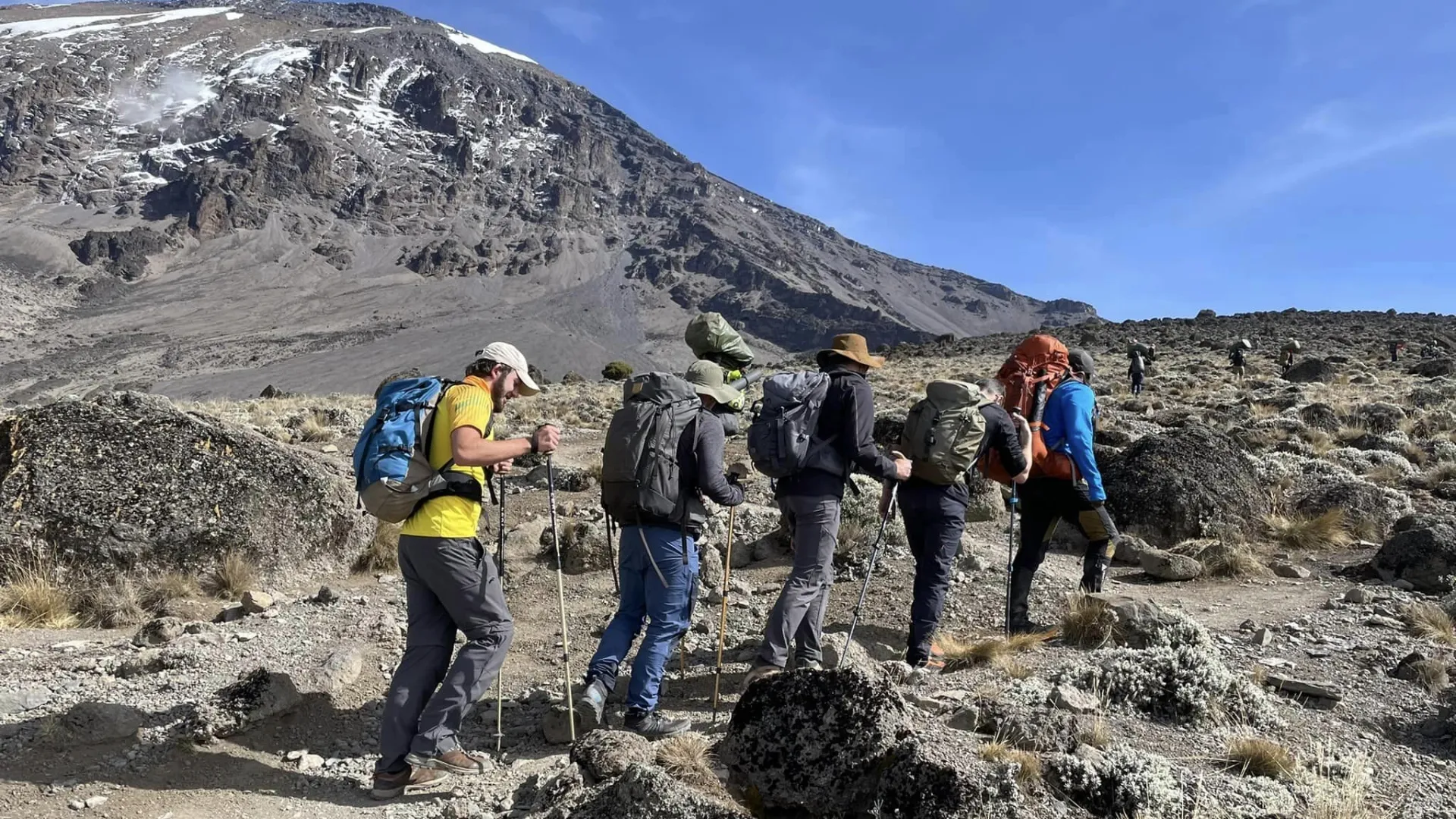
People often ask whether Climbing Mount Kilimanjaro requires skills such as ropes or ice axes. The answer is no; it’s mostly a very long walk. But the mountain can resist you in a few clear ways.
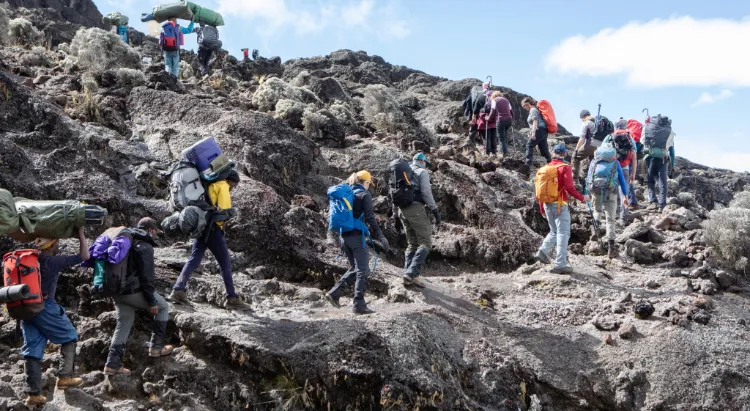
The biggest hurdle, without question, is Altitude. As you go higher daily, the air gets thinner, meaning less oxygen hits your lungs with every breath. Your body needs lots of time to cope with this, so walking slowly is life. Adding to that, you’ll face real cold and wind, especially during that final push-up.
Expect temperatures below freezing, often hit by strong winds that feel sharp. Furthermore, you’ll deal with Long Trekking Hours and Early Starts that often begin before the sun rises. Lastly, sleeping poorly due to the height means your body never fully recovers.
But some small things catch new hikers totally off guard. These include:
- Appetite Changes: You might feel food you like suddenly tastes weird, yet you must eat to keep your energy up.
- Headaches / Light Nausea: These are common signs of Kilimanjaro Altitude Sickness. They usually pass, but they can certainly test your mood.
- Mood Dips and Slow Walking Pace: It’s normal to feel out of sorts or tired. Everyone moves more slowly up there, and accepting that slow pace is key to adapting well.
Knowing these things helps you prep smartly for Kilimanjaro Climbing. Real success isn’t about being the fittest person; it’s about being the person whose body handles the thin air best.
The Prep Checklist That Actually Matters
To truly lift your Kilimanjaro success rate, focus your limited time on what pays off most. Here’s a simple look at what truly counts in your prep time.
1. Fitness Training
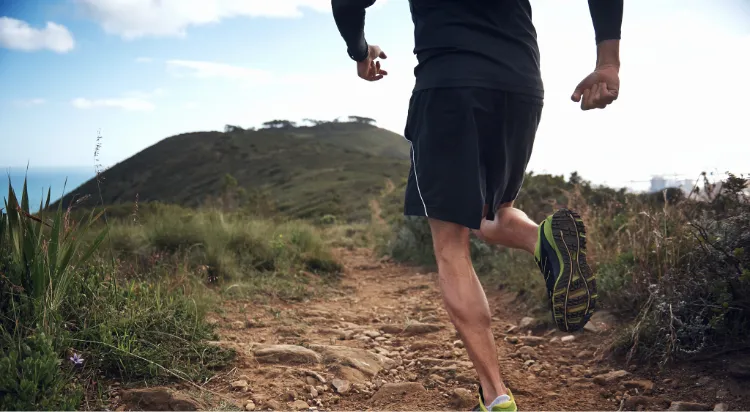
Your Training For Kilimanjaro should mimic the actual climb, not just hard workouts at the gym. Focus on time spent walking.
Do this
Focus mostly on endurance walking. Find hills, climb lots of stairs, and do long, steady walks lasting four to six hours at a gentle speed; this prepares you better than running.
Avoid this
Don’t overtrain right before you fly out. Your body needs to be strong, but it also needs to rest so it’s ready for the altitude shock.
2. Altitude Strategy
This is where your Kilimanjaro training plan blends with your trip itinerary. Even great fitness can’t overcome poor altitude planning.
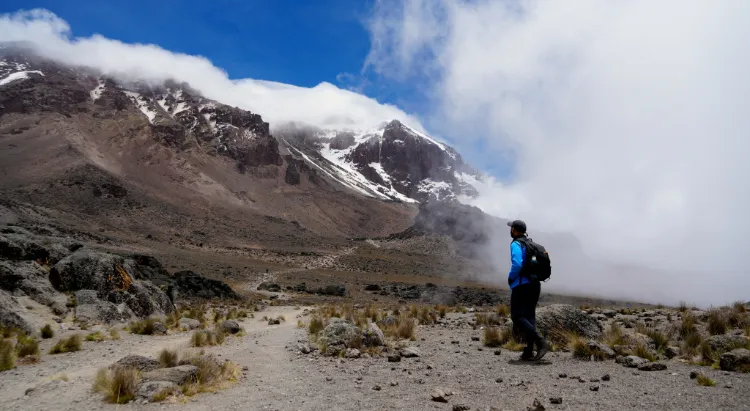
- The way to beat Kilimanjaro altitude sickness is acclimatization. Think of it as teaching your blood slowly how to grab more oxygen.
- That’s why longer Kilimanjaro Climbing Routes usually lead to more summits. They add extra days to give your system time to adapt gradually. We strongly recommend selecting trips that offer a calmer, gentler overall pace.
3. Gear Essentials
You just can’t fake good gear when the weather turns bad. This makes your Kilimanjaro Gear Checklist serious business.
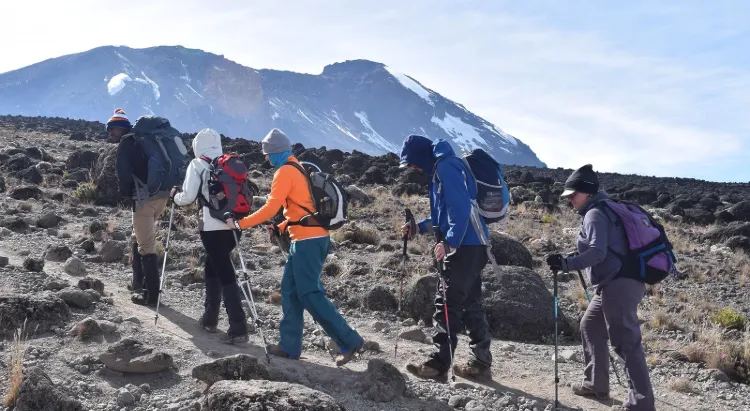
Do this:
- You must have broken-in boots. Don’t ever bring new boots! Wear them on all your practice hikes.
- Master layering for cold and wind: use an easy base layer, a mid-insulation layer, and a tough outer shell that blocks the elements.
- Carry very warm gloves and a hat for summit night; they keep you safe.
- Plus, pick a quality headlamp and batteries because you’ll rely on it a lot.
Avoid this: Cotton fails on the mountain. Cotton absorbs sweat, stays wet, and then chills you down quickly when it gets cold. Choose wool or synthetic fabrics that dry out quickly instead.
4. Health Basics and Comfort
Small daily habits make a big difference when you’re feeling worn out. Check our Kilimanjaro Packing List for these simple needs.
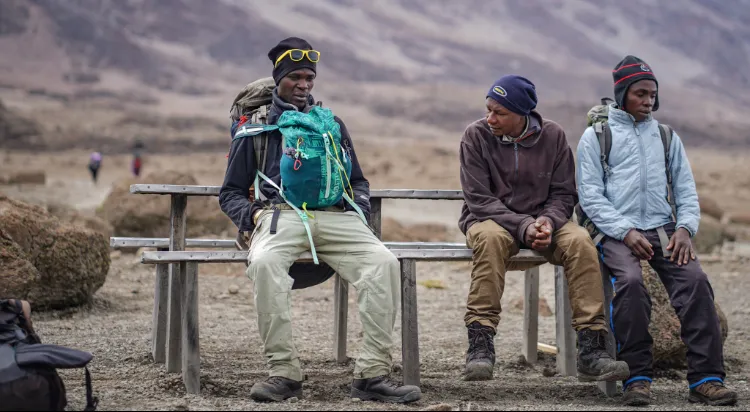
- Hydration discipline is key. You need to drink much more water than you feel like—try for 3 to 5 liters daily so your system can handle the heat better.
- Carry a blister kit and fix any sore spots right away. For simple digestion, stick to foods you know your stomach handles well.
- Finally, focus on sleeping warmth and recovery. A truly warm sleeping bag helps you stay warm at night and sets how ready you are for the next day’s hike.
At the end of the day, this climb isn’t about doing everything perfectly. It’s about getting the basics right. Train in a way that actually feels like the mountain. Give your body time to adjust. Pack gear that truly protects you. Drink your water. Sleep warm.
Do these simple things consistently, and you’ll walk toward the summit night feeling prepared, steady, and quietly confident.
Choosing Your Route
Many people choose their Kilimanjaro route based solely on the lowest price or the shortest number of days. Usually, this brings more trouble higher up. Instead, view your route choice as your primary acclimatization option.
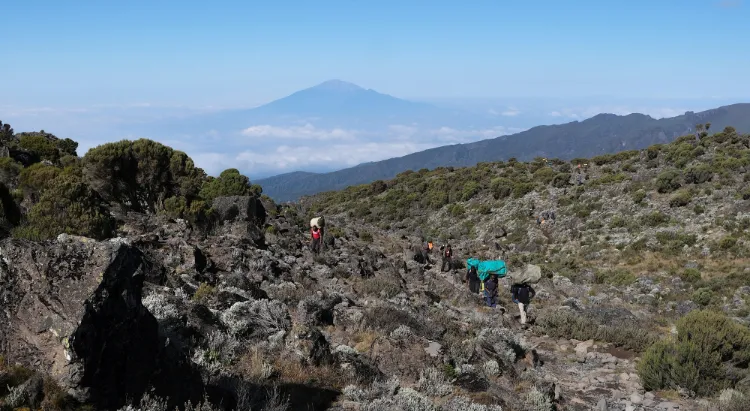
Some trails force you to climb too fast in the first few days. While that saves time, it really strains your body’s ability to handle Kilimanjaro altitude sickness early on. Other paths allow you to gain height gradually, which helps you adjust more effectively.
If you’re new to this, we strongly suggest prioritizing these things over saving a day or two when planning your Kilimanjaro Climbing:
- More days: Seven days or more gives your body the much-needed time to adjust.
- A calmer pace: Look for routes that follow the wise rule: climb high during the day, sleep lower if you can.
- Better acclimatization profile: Search for routes that increase elevation slowly each day.
If you want info on one popular path that avoids some heavy traffic, you can check out details about all our Kilimanjaro Climbing Packages here. We offer climbs on 6 routes: Machame, Lemosho, Umbwe, Shira, Rongai, and Marangu. Choosing the Right Kilimanjaro Route is the key to success and enjoying your entire trek.
When to Climb Kilimanjaro in 2026.
The time you pick matters because the mountain acts differently across the year. Knowing the general Tanzania Weather helps you find the Best Time To Climb Kilimanjaro for your own comfort.
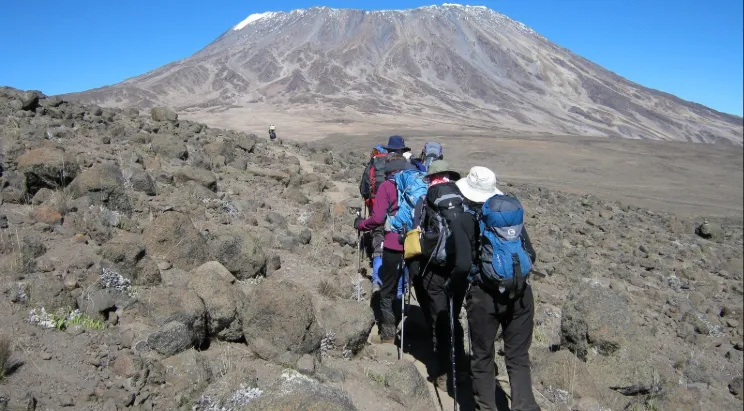
The seasons change, trail mud conditions, and how cold the summit night will feel.
- Trail Conditions: The dry months mean dustier paths, which often feel easier on your lungs than the deep, slippery mud you could walk through during the short rainy spells.
- Cloud Cover and Views: Usually, the dry seasons bring clearer skies, giving you those amazing, wide-open views from high up.
- Cold Intensity on Summit Night: The air temperature doesn’t change a ton, but clear skies in the dry season let the wind cut right through, making the summit feel much, much colder.
Since the best travel dates fill up quickly, deciding early is important. This also gives you enough time to do that solid Kilimanjaro training plan. Choosing the Best Time To Visit Tanzania for trekking usually means targeting the dry windows, balancing fewer crowds with better hiking weather.
Operator Quality Checklist
Hiring the right team is your second-biggest decision after your route choice. A poor operator can spoil even the best fitness you gained or the most detailed Kilimanjaro packing list. Your guide crew directly controls your safety and comfort, which is directly linked to your Kilimanjaro success rate.
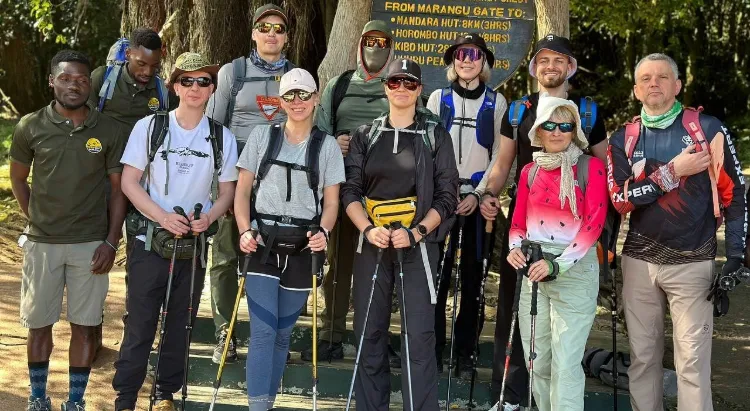
When evaluating companies, look beyond the nice photos and confirm they prioritize safety and fairness. This is key for good Tanzania Travel Safety planning.
- Trained Mountain Guides: Do their guides have official, recognized training, or just general hiking experience?
- Clear Safety Briefings: They should fully explain how they handle altitude sickness signs before the trek even starts.
- Oxygen Availability + Pulse Oximeter Checks: Good Kilimanjaro Tour Operators check your blood oxygen levels often and always have emergency oxygen tanks ready.
- Emergency Plan and Evacuation Readiness: They need a written, practiced plan to quickly get anyone feeling sick down the mountain if needed.
- Ethical Porter Treatment: Ask directly about fair wages, proper food, and good sleeping gear for your support team. Happy, well-treated porters ensure your entire trip runs smoothly.
- Transparent Inclusions: Make sure everything for your Kilimanjaro gear checklist, like good dining tents and enough food, is plainly written in the price so you don’t see surprise bills later. Many operators clearly advise on the needed Kilimanjaro Travel Insurance, too.
That’s why trekking with a team that truly values safety, proper guide training, fair porter treatment, and clear planning makes all the difference.
If you want to climb with a team that puts people first and plans every detail carefully, choose Bestday Safaris. Our experienced mountain crew, robust safety systems, and ethical approach give you the confidence to focus on one thing: reaching the summit safely and proudly.
Your Successful Summit Mindset.
Reaching the top of Africa is a huge moment, but we need to be honest about where that win really comes from. It’s hardly ever from some sudden, heroic feeling.
Instead, success on Kilimanjaro Climbing comes mostly from careful planning, sticking to a smart walking pace, and relying on the quality support team you hired when things get tough. You didn’t conquer Kilimanjaro; you were allowed to summit because you showed respect and planned well.
If you’re planning your climb in 2026 and want a plan matched to your fitness, dates, and comfort level, Bestday Safaris can recommend the right route and pacing without rushing the mountain.
Peter
He is committed to sustainable travel and cooperates with trusted safari operators, lodges, and conservation experts to ensure accuracy for your 2026 plans.
About UsCategories
 Safaris (23)
- Travel Info (2)
- Trekking (4)
Why Choose Best Day Safaris
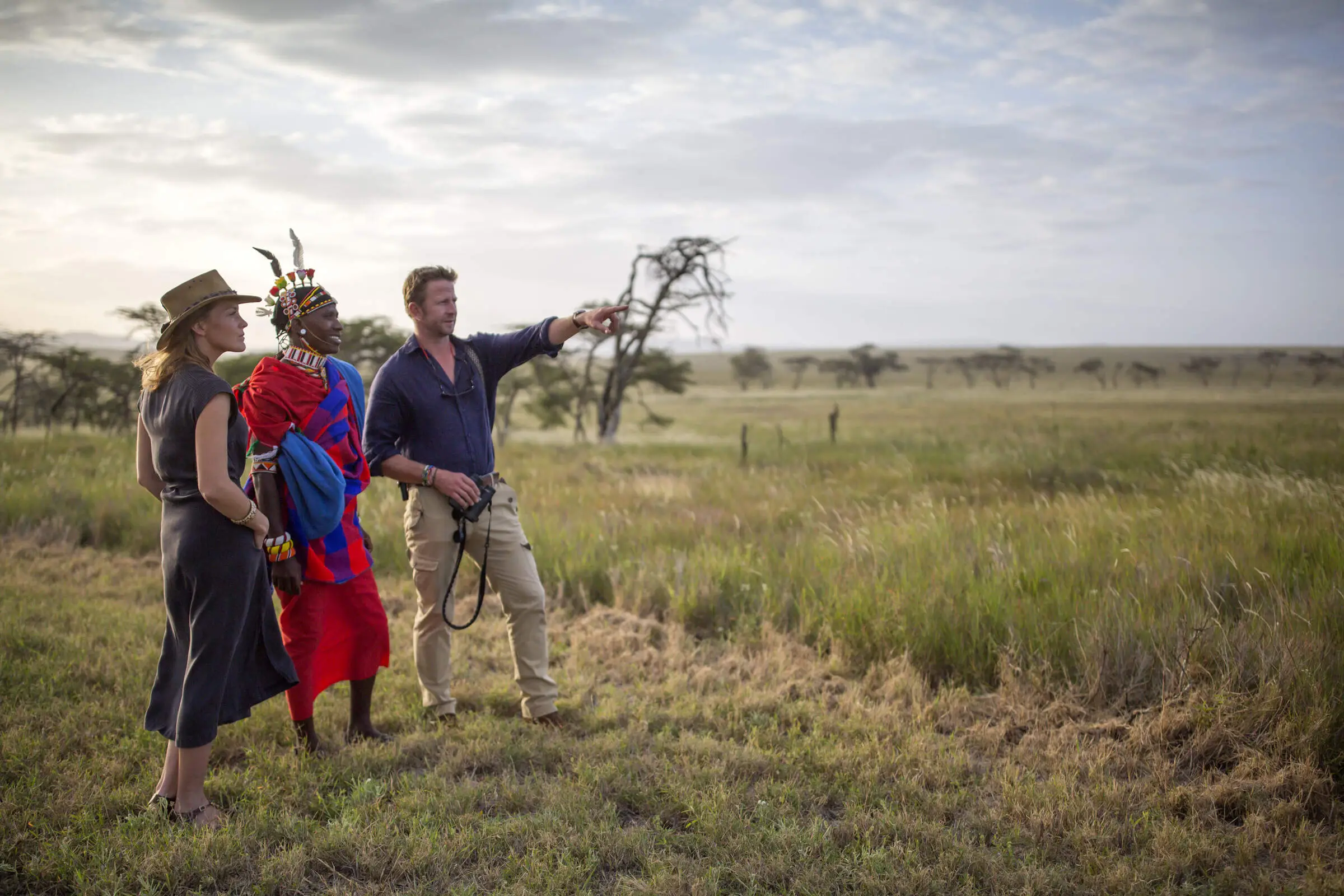
Choose Bestday Safaris for private, well-planned journeys, expert local guides, meaningful wildlife moments, flexible itineraries, and genuinely caring, detail-focused service.
We are born here and consider Tanzania National Parks as our backyards. We have extensive knowledge of the trails, the best times, and off-the-beaten paths that most visitors miss.
Our Tanzania Safari Prices are fair and easy to understand. They are meant to give you real value of money without lowering the quality of your experience.
Our tours are designed to be environment friendly. They try to minimize effects while supporting conservation, so you can enjoy nature knowing that it's being taken care of.
Related Blogs
Our Most Popular & Best Tanzania Adventures
Discover the wild beauty of Tanzania with Best Day Safaris. From thrilling game drives in Serengeti to breathtaking views of Ngorongoro Crater, experience unforgettable adventures guided by local experts who know the land best.
Create Your Own Tour
Helping You To Create A More Exciting Tailor-Made Tours!
Whether you are ready for Tanzania Safari Dream or Kilimanjaro Adventure or Beach Relaxation for a few days or a few weeks long, our experts will create an itinerary from scratch, fully tailored to your wishes. Want to visit a beautiful destination or start an adventure to reach the top, or relax in a paradise, we will make it happen.