

 BestDay Safaris
Have you ever taken an effort to compare Kilimanjaro Routes online and felt totally lost? We understand, picking your way up Africa’s tallest peak is hard. But what we can suggest is that finding the Best Kilimanjaro Route isn’t about the lowest price; it’s about finding the one that truly fits you.
This guide will cut through the confusion. We won’t just list names; instead, we’ll have a Kilimanjaro Route Comparison based on what travellers need to know:
- Crowd levels: Quiet or social?
- Scenery feel: How do the views change?
- Acclimatization comfort: How well your body adapts.
- Daily rhythm: What will your walking days feel like?
Knowing these points when climbing Kilimanjaro is much more important than just memorizing distances when choosing your route.
What Route Choice Actually Changes
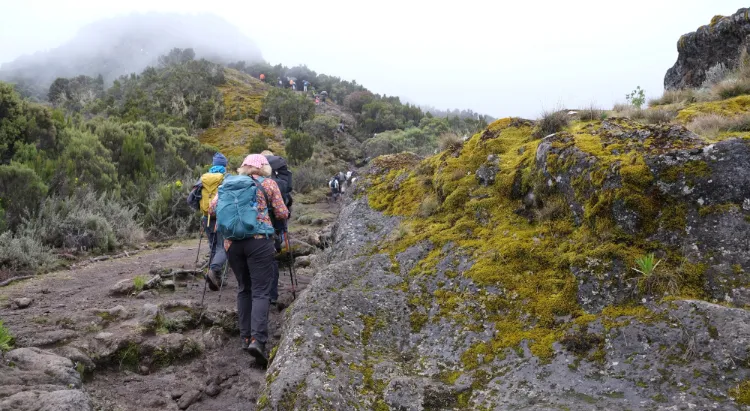
The path you select changes your whole trip, not just the daily walk. A Kilimanjaro route comparison shows you how different environments affect your trek. Routes decide:
- The Social Feel: Some trails stay busy, while others offer quiet privacy. That atmosphere matters for your energy.
- The Landscape: You’ll see different sides of the mountain. One trail might show huge open plains, while another stays in thick forest longer.
- How Summit Night Feels: This is huge. A route built for better Kilimanjaro Acclimatization often makes that final ascent feel easier.
- Camps vs. Huts: Most tours use tents, but one lodging option uses simple wooden huts.
- Time on the Mountain: Longer trips mean better rest and recovery before the next hard walk.
So, your route is not just a line on a map. It influences your experience, your energy levels, and how your body adapts to altitude. Choose a route that fits your pace and personality, not just your calendar. When the trail supports your preparation and acclimatization, the mountain feels more manageable — and your summit chances naturally improve.
Route Profiles.
Let’s look closely at the main Climbing Kilimanjaro paths. We’ll examine what each journey offers you on the trail.
1. Rongai Route Kilimanjaro
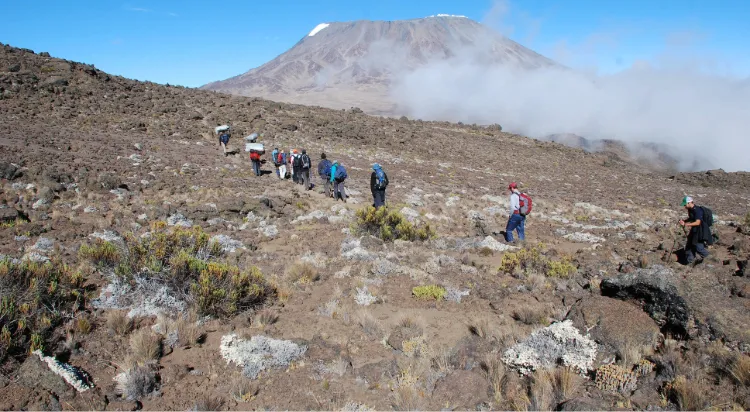
You begin your trek on the dry, northern side of the mountain. The Rongai Route offers a quieter experience right from the start and takes a gentler approach toward the main slopes. It’s a good path if you want to easily avoid the main crowds.
- Who it fits: Climbers who dislike crowds and prefer a drier start environment.
- What the trail “feels” like: Much less busy. The scenery starts dry, then moves into the usual zones later.
- Acclimatization strength: Steady, but you still must pace well since it’s often shorter.
- One honest downside: Some feel the scenery isn’t as varied as western routes.
- Best season note (brief): This route works better during light rains because the north stays drier.
2. Machame Route
You step onto a well-known path famous for amazing views. The Machame Route feels lively because many groups use it; you’ll meet other trekkers daily. It shows off diverse scenery fast.
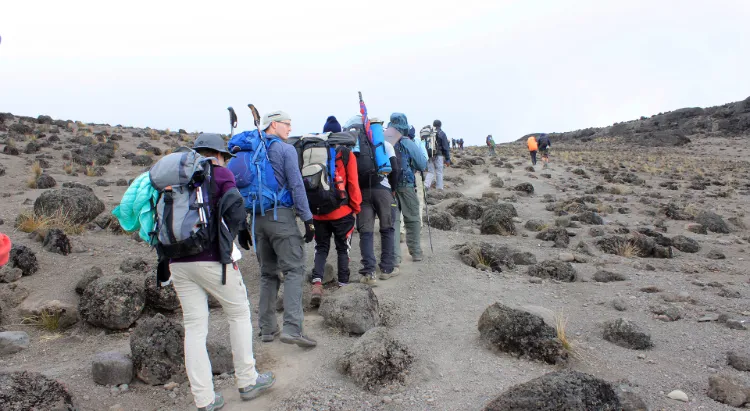
- Who it fits: Social climbers who enjoy meeting other trekkers and don’t mind a busy trail. · What the trail “feels” like: Very scenic, checking off many landscape types quickly. It can feel busy near campsites.
- Acclimatization strength: Good, but the daily uphill gain is steep early on, so pacing is key.
- One honest downside: Because it’s so steep, you must walk slowly to avoid feeling sick.
- Best season note (brief): Great all year, but expect crowds when the weather’s best.
3. Lemosho Route
You start your journey in fresh, remote western forests. The Lemosho Route is highly praised for its variety of incredible scenery. Taking eight days allows for better acclimatization.
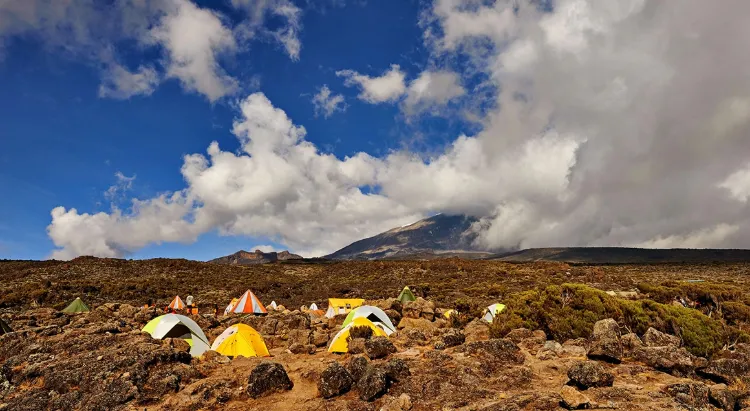
- Who it fits: First-timers who have the time and money to prioritize both stunning views and a slower climb.
- What the trail “feels” like: Quiet start and stunningly varied views. The early days feel much more gradual.
- Acclimatization strength: Very strong on longer trips, giving your body great adjustment time.
- One honest downside: It’s usually the costliest option because it takes more days.
- Best season note (brief): Excellent in dry times for the best light.
4. Marangu Route
You sleep inside simple wood structures instead of a tent every single night. The Marangu Route is unique because it uses established mountain huts for stays rather than camping tents.
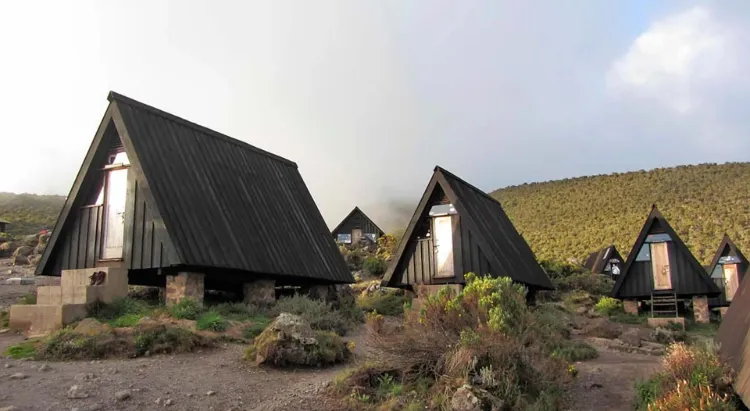
- Who it fits: Climbers who really don’t want to sleep in tents for comfort reasons.
- What the trail “feels” like: Consistent, familiar spots to sleep, but the route isn’t the most scenic overall.
- Acclimatization strength: This is its weak spot. The standard five-day trip is too fast and often fails. Most use the six-day plan to improve acclimatization for Kilimanjaro.
- One honest downside: It’s known for being crowded, and the steep path limits adjustment unless you slow down the trip length.
- Best season note (brief): Less affected by rain since the ground stays drier near the huts.
5. Umbwe Route
You take a short, direct path aimed right at the top. The Umbwe Route is for very fit, experienced trekkers who plan to move up fast.
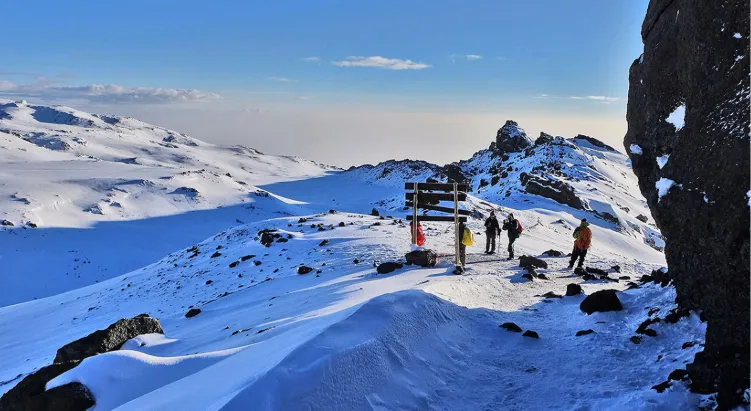
- Who it fits: Very experienced climbers with top fitness who understand altitude effects.
- What the trail “feels” like: Fast, steep, and very quiet because few people attempt it safely.
- Acclimatization strength: The weakest path; it leaves very little time for your body to adjust gradually.
- One honest downside: It carries the highest risk of sickness for less experienced hikers.
- Best season note (brief): We don’t suggest this route if rain is likely due to steep terrain.
6. Shira Route
You begin high up on a huge, old flat area. The Shira Route starts in the west, skipping the long forest walk by starting you at a higher camp.
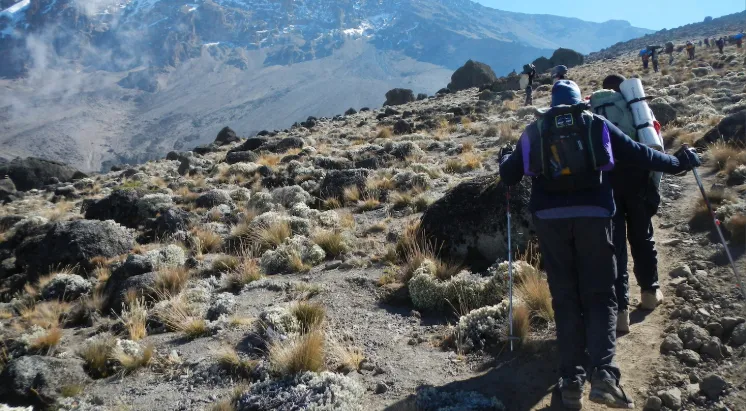
- Who it fits: Climbers wanting bold views from that unique Shira Plateau and who feel fine starting a bit higher up.
- What the trail “feels” like: Huge scenery change right away; you cross a massive, unusual plain early on.
- Acclimatization strength: Strong, especially on the 8-day plan, allowing good movement early on.
- One honest downside: You start high, so you have less room for slow body adjustment right at the start.
- Best season note: Great for photos due to the unique high plateau views.
Route Matchmaker: “If You’re This Type of Climber…”
Picking the Best Kilimanjaro Route gets easy when you match the route’s strengths to your actual travel style. For instance:
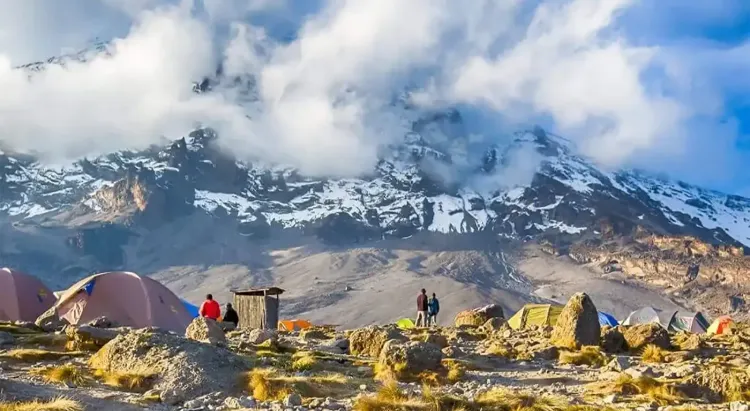
- First-time climber nervous about altitude:
Lemosho Route adds the most days, giving your body the best shot at adapting safely. It’ll usually cost more cash.
- Wants quieter route:
Rongai Route Kilimanjaro, which starts on the north side, sees way fewer people than the main trails. The scenery isn’t as varied until you climb higher.
- Wants maximum scenery:
Lemosho Route passes through the widest range of beautiful views, it’s the most scenic journey. It risks being one of the more crowded Kilimanjaro routes if you pick a shorter trip.
- Has limited days:
The Machame Route (7-day guaranteed) is a well-tested path that suits a tight schedule, though it’s still challenging. The pace accelerates quickly, making acclimatization to Kilimanjaro more challenging.
- Doesn’t like camping
Marangu Route is the only option offering simple wooden huts instead of tents. The standard 5-day plan is risky; you must take the 6-day slow option.
- Photography-focused
Lemosho Route or Shira Route, both start with incredible, unique views over the western valleys and plateaus. The Shira Route starts high, so watch your altitude closely from day one.
- Traveling as a couple
Machame Route is popular and social, meaning you’ll meet other trekkers and share the fun energy. It might feel too busy if you want total privacy.
- Traveling with mixed fitness levels:
Lemosho Route provides extra time lets slower members keep up easily without the group feeling rushed. Everyone must agree to walk slowly; otherwise, the slow ones will suffer.
When looking for the best route for first-time climbers, always pick more time to honor safety over speed. While Kilimanjaro’s scenic routes look tempting, comfort and health come first.
When to Climb in 2026: How Weather Changes Route Feel.
The time you go changes the trail conditions, even on routes known for great views. The mountain is always cold, but the season changes the difficulty level.
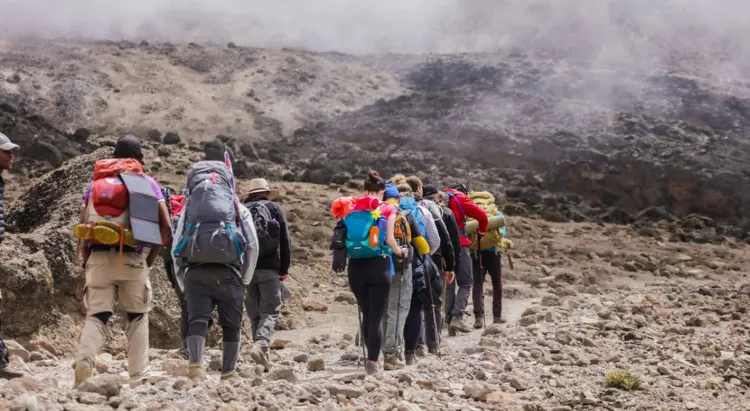
- Trail Impact: Heavy rain means paths get very muddy, using up your energy faster as you struggle through.
- Dust and Visibility: In the main dry spell, expect dust. Persistent dust can sometimes affect your breathing, although photos usually look great.
- Summit Cold: The summit cold is always real, no matter the time of year. However, clear, dry nights feel sharper because there’s less cloud cover holding any warmth.
Smart timing helps you prepare for wet or dusty paths. This data is key when you seek the Best Time To Climb Kilimanjaro. Good prep respects Tanzania Weather patterns.
How Best Day Safaris Helps You Choose the Right Route.
Don’t let the thought of the Best Kilimanjaro Route stress you. Your best trip depends on matching the mountain to your personal needs. We focus closely on several things when we help plan your Kilimanjaro Climbing tour:
- Your Fitness and Hiking Experience: Are you a regular hiker or just starting out? This guides our suggestions.
- Your Comfort Level: Can you sleep fine in a tent, or do you need the ease of huts?
- Your Schedule: How much time can you truly set aside for the hike itself?
- Your Crowd Preference: Do you want that fun, social energy, or do you prefer a less-traveled path?
Our main job is to pace and ensure your plan supports effective Kilimanjaro acclimatization. We never push climbers onto shorter, riskier paths just to save a couple of days.
Your Summit Plan.
There’s no single Best Kilimanjaro Route for everyone; there’s only the route that’s the best-fit for you, your budget, and your body. Success comes from pairing the right path with smart training and great support.
Tell Bestday Safaris your dates, fitness level, and comfort preferences. We’ll match you to the route that gives you the best chance to enjoy the climb.
Peter
He is committed to sustainable travel and cooperates with trusted safari operators, lodges, and conservation experts to ensure accuracy for your 2026 plans.
About UsCategories
 Safaris (23)
- Travel Info (2)
- Trekking (4)
Why Choose Best Day Safaris
Choose Bestday Safaris for private, well-planned journeys, expert local guides, meaningful wildlife moments, flexible itineraries, and genuinely caring, detail-focused service.
We are born here and consider Tanzania National Parks as our backyards. We have extensive knowledge of the trails, the best times, and off-the-beaten paths that most visitors miss.
Our Tanzania Safari Prices are fair and easy to understand. They are meant to give you real value of money without lowering the quality of your experience.
Our tours are designed to be environment friendly. They try to minimize effects while supporting conservation, so you can enjoy nature knowing that it's being taken care of.
Related Blogs
Our Most Popular & Best Tanzania Adventures
Discover the wild beauty of Tanzania with Best Day Safaris. From thrilling game drives in Serengeti to breathtaking views of Ngorongoro Crater, experience unforgettable adventures guided by local experts who know the land best.
Create Your Own Tour
Helping You To Create A More Exciting Tailor-Made Tours!
Whether you are ready for Tanzania Safari Dream or Kilimanjaro Adventure or Beach Relaxation for a few days or a few weeks long, our experts will create an itinerary from scratch, fully tailored to your wishes. Want to visit a beautiful destination or start an adventure to reach the top, or relax in a paradise, we will make it happen.